Japanese Snowbell
Styrax japonicus
Overview
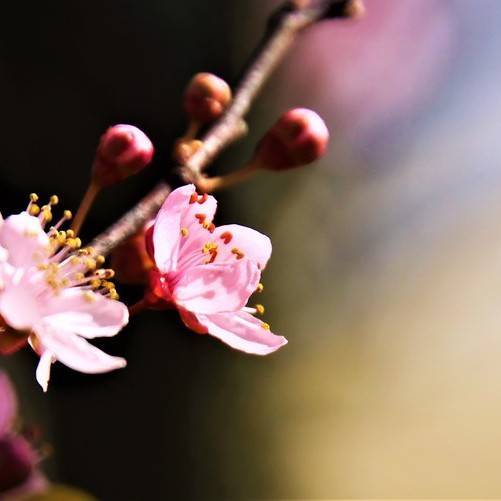
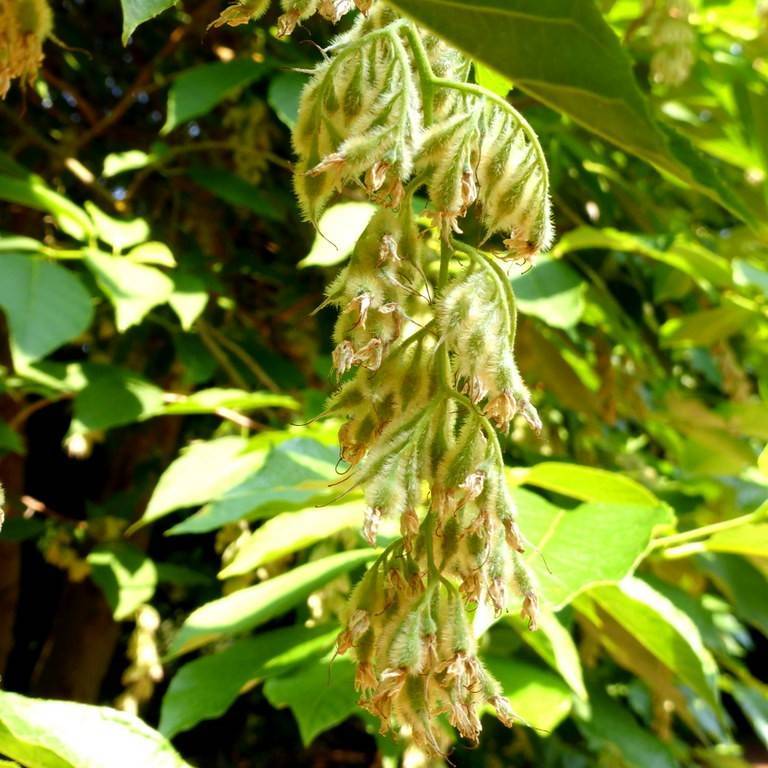
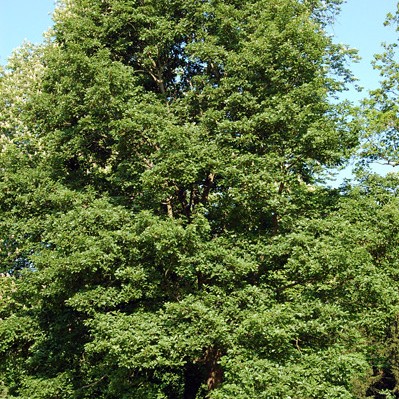
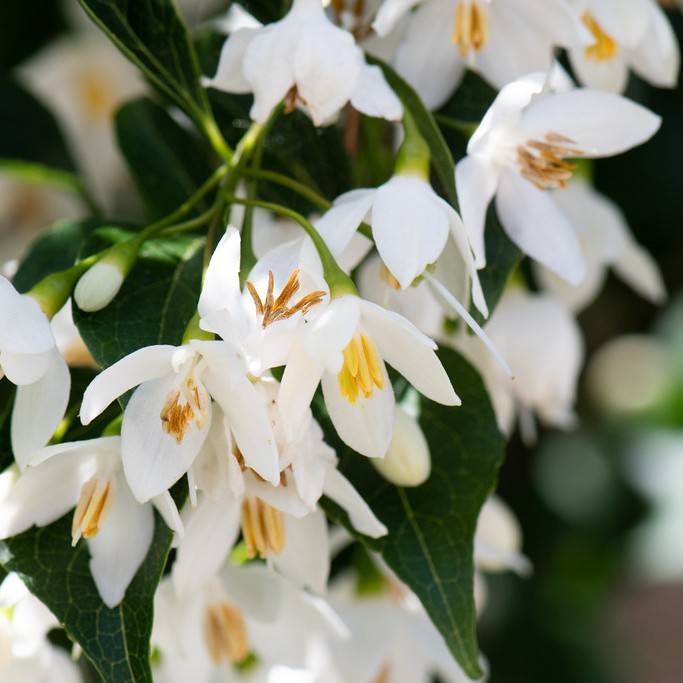
Japanese Snowbell is a slow-growing, broadly rounded deciduous tree celebrated for its spring floral display, where drooping clusters of fragrant, white, bell-shaped flowers dangle beneath bright green, ovate leaves. In autumn, its foliage turns soft shades of yellow before falling, and small, gray-green drupes appear, persisting into early winter to provide mild foraging interest for birds. Its naturally elegant, low-branching form and relatively small mature size make it a popular choice for small gardens, courtyard plantings, or as a specimen tree in temperate landscapes.
Care Guide
Watering
Water young Japanese Snowbell trees regularly to keep the soil consistently moist but not waterlogged, especially during hot, dry periods, to support root establishment. Mature trees have moderate drought tolerance, though supplemental watering during extended dry spells will promote healthier foliage and more abundant flowering the following spring. Avoid overwatering, as standing water around the root zone can lead to root rot in this species.
Light
Japanese Snowbell thrives in full sun to partial shade, with dappled afternoon shade being particularly beneficial in regions with intense, hot summer sun to prevent leaf scorch. Trees grown in full sun typically produce the most prolific floral display, while those grown in heavier shade may have sparser blooms and a more open, leggy growth habit. Ensure it receives at least 4 hours of direct sunlight daily for optimal health and flowering.
Soil
This tree prefers fertile, well-drained, loamy or sandy soil with a slightly acidic to neutral pH range of 5.5 to 7.0 for best growth. It can tolerate mild clay soils if amended with organic matter to improve drainage, but it will not perform well in heavy, poorly drained compacted soils that hold excess moisture. Incorporating compost or well-rotted leaf mold into the planting hole will improve soil structure and nutrient content to support early root growth.
Fertilizer
Apply a balanced, slow-release granular fertilizer formulated for woody ornamental trees in early spring, just before new leaf growth emerges, to support healthy foliage and flowering. Avoid overfertilizing, especially with high-nitrogen products, as this can encourage excessive vegetative growth at the expense of floral production and may reduce cold hardiness. Mature, well-established trees only require fertilization every 2 to 3 years, unless soil tests indicate specific nutrient deficiencies.
Temperature
Japanese Snowbell is hardy in USDA zones 5 through 8, tolerating minimum winter temperatures down to -20°F (-29°C) when fully established. It prefers mild, temperate climates with moderate summer temperatures, and may require extra mulch around the root zone in the coldest parts of its range to protect roots from extreme winter temperature fluctuations. Extreme heat above 95°F (35°C) combined with dry conditions can cause leaf scorch, so supplemental watering and afternoon shade are recommended in hotter regions.
Pruning
Prune Japanese Snowbell in late winter or early spring while the tree is dormant, removing any dead, damaged, or crossing branches to maintain its natural rounded form and improve air circulation. Avoid heavy pruning, as this species blooms on old wood; cutting back large portions of the tree will reduce or eliminate flowering for one to two growing seasons. You can remove lower, drooping branches as the tree matures if you wish to create clearance for foot traffic beneath its canopy.
Propagation
The most common method for propagating Japanese Snowbell is from softwood cuttings taken in early summer, treated with rooting hormone, and placed in a well-drained, moist propagation medium under high humidity until roots form. It can also be grown from seed, though seeds require a 3-month cold stratification period to break dormancy, and seed-grown trees may take up to 10 years to produce their first blooms. Grafting onto hardy rootstock is sometimes used for named cultivars to ensure consistent flower characteristics and growth habit.
Humidity
Japanese Snowbell prefers moderate to high humidity levels between 40% and 70%, which mimics its native forest understory habitat in East Asia. It can tolerate average indoor humidity if grown as a large container houseplant, though dry air from heating or cooling vents may cause leaf browning at the edges. In outdoor landscapes, it adapts well to typical temperate humidity levels, as long as soil moisture is consistent during dry periods.
Repotting
If grown in a large container, repot young Japanese Snowbell trees every 2 to 3 years in early spring before new growth emerges, using a well-drained, acidic potting mix formulated for woody ornamentals. Mature container-grown specimens can be root-pruned and repotted every 4 to 5 years to prevent them from becoming root-bound, which can reduce flowering and stunt growth. Ensure the container has ample drainage holes to prevent waterlogging, and add a layer of gravel at the bottom to improve drainage further.
Uses & Symbolism
Japanese Snowbell is most widely used as an ornamental specimen tree in residential landscapes, public gardens, and street plantings, valued for its compact size, fragrant spring blooms, and attractive year-round form. Its wood is occasionally used in small woodworking projects and for crafting traditional Japanese utensils, as it is fine-grained and easy to carve. In traditional East Asian medicine, extracts from its bark and leaves have been used topically to treat minor skin irritations and inflammation.
Diseases & Pests
Japanese Snowbell is relatively pest and disease resistant, though it can be susceptible to common ornamental tree pests including aphids, scale insects, and spider mites, which can be controlled with horticultural oil or insecticidal soap if infestations become severe. Fungal diseases such as leaf spot and powdery mildew may occur in conditions of poor air circulation and high humidity, which can be prevented by spacing trees appropriately and avoiding overhead watering. Root rot can develop in poorly drained, waterlogged soils, so ensuring proper site drainage is critical to preventing this often fatal condition.
Related plants
Other plants you might like if you grow Japanese Snowbell.