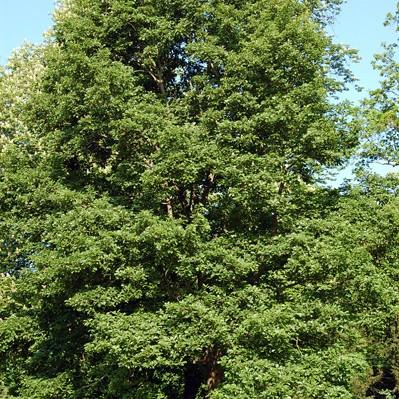
European Linden
Tilia × europaea
Overview
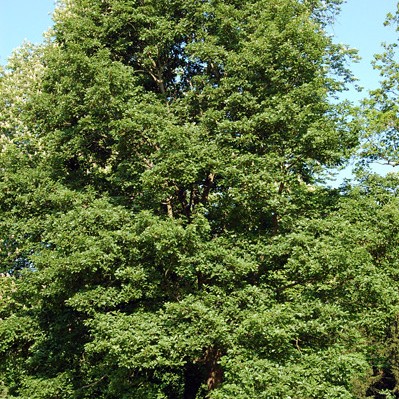
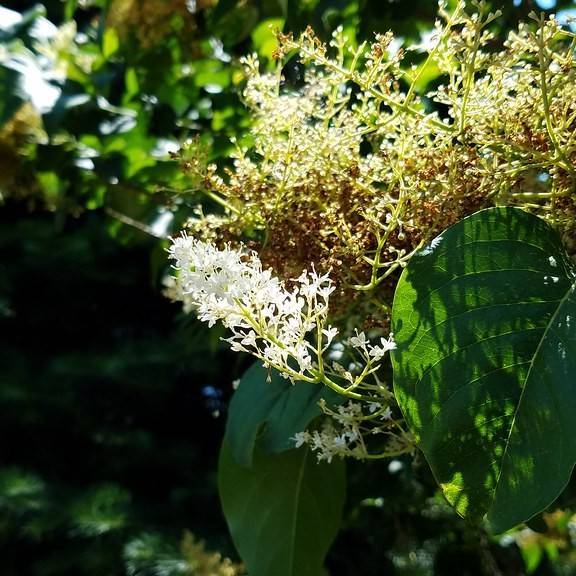
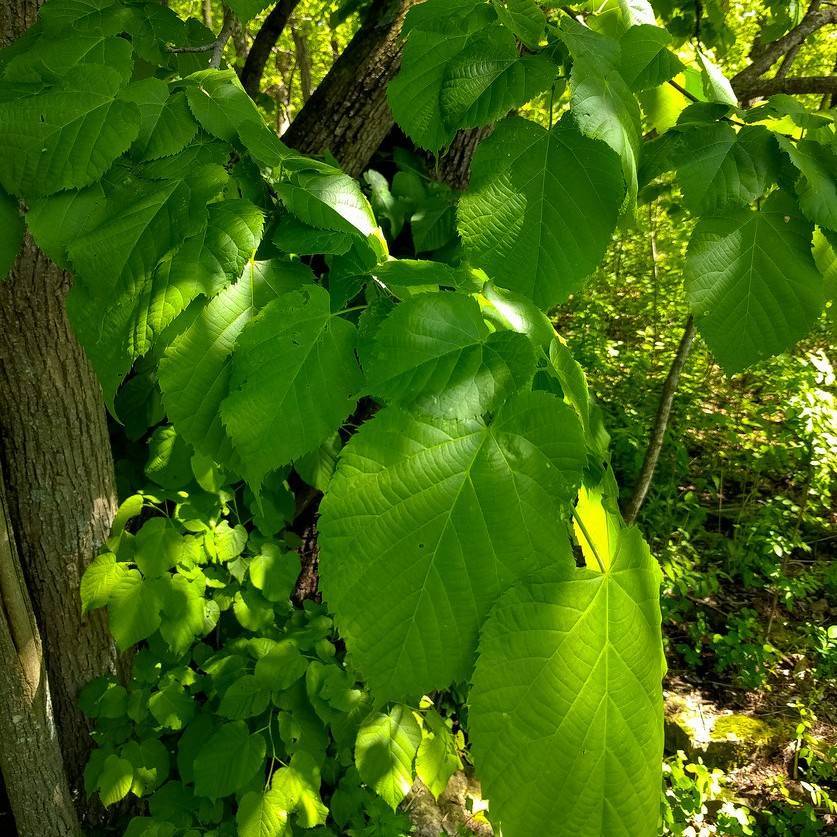
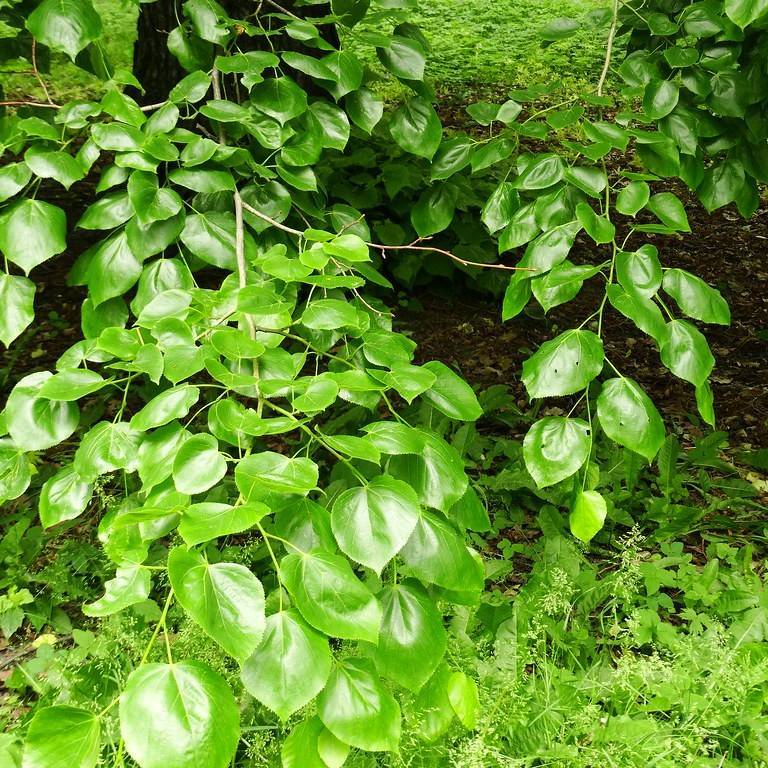
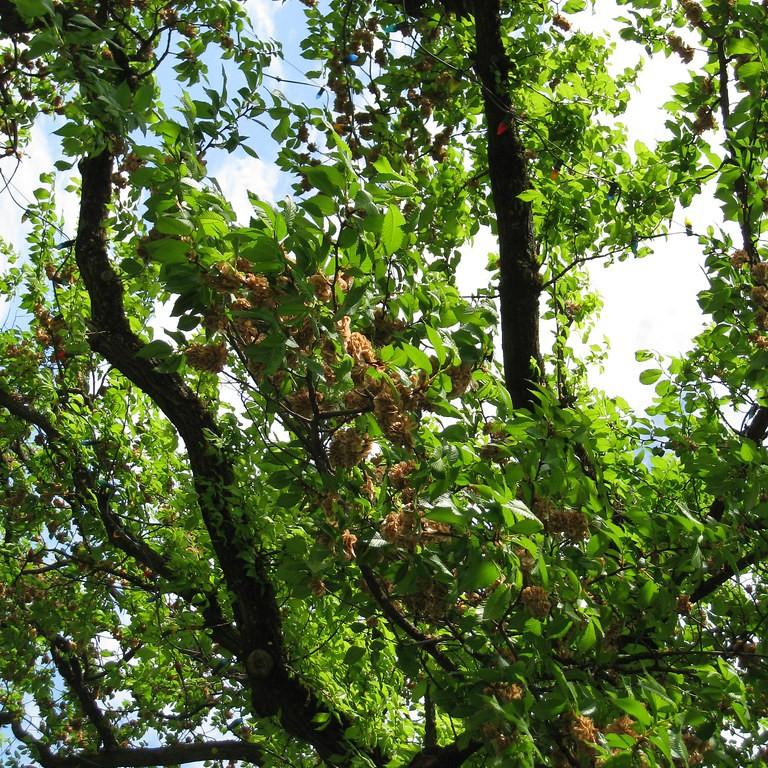
European Linden, also called common lime, is a widely planted deciduous tree across temperate Europe and North America, valued for its broad, dense canopy that provides ample summer shade. It produces clusters of small, pale yellow, highly fragrant flowers in early summer that attract pollinators including bees, butterflies, and hummingbirds. Its smooth gray bark matures to a furrowed texture with age, and its serrated heart-shaped leaves turn a soft yellow in fall before dropping. This hybrid linden is exceptionally long-lived, with some specimens known to survive for over 1,000 years in undisturbed locations.
Care Guide
Watering
Young European Linden trees require regular, deep watering 1-2 times per week during their first 3-5 years to establish a strong root system, especially during periods of drought. Mature trees are moderately drought tolerant, though supplemental watering during extended dry spells will prevent leaf scorch and support healthy growth. Avoid overwatering or planting in waterlogged sites, as this can lead to root rot and fungal infections.
Light
European Linden thrives in full sun, requiring a minimum of 6 hours of direct, unfiltered sunlight per day to produce dense foliage and abundant blooms. It can tolerate partial shade, though growth may be slower and the canopy may become sparser in low-light conditions. Plant in an open, unobstructed location to ensure even light distribution across all branches.
Soil
This adaptable tree grows well in a wide range of soil types, including loam, sand, clay, and slightly alkaline soils, though it prefers moist, well-drained, fertile loam with a pH between 6.0 and 7.5. It tolerates compacted urban soils better than many other large shade trees, making it a popular choice for street and park plantings. Improve heavy, poorly draining soils with organic matter prior to planting to reduce the risk of root disease.
Fertilizer
Young trees benefit from a balanced, slow-release 10-10-10 fertilizer applied once per year in early spring, before new leaf growth emerges, to support vigorous root and foliage development. Mature European Lindens typically do not require regular fertilization if planted in moderately fertile soil, though a light application of nitrogen-rich fertilizer can be applied every 2-3 years if growth is stunted or foliage appears pale. Avoid fertilizing late in the growing season, as this can stimulate tender new growth that is vulnerable to frost damage.
Temperature
European Linden is cold hardy in USDA zones 3 through 7, tolerating winter temperatures as low as -40°F (-40°C) without significant damage. It prefers mild summer temperatures between 60°F and 80°F (15°C to 27°C), though it can tolerate occasional heatwaves above 90°F (32°C) if provided with adequate moisture. Young trees may require protective wrapping around their trunks during their first 2-3 winters to prevent sunscald and frost cracks.
Pruning
Prune European Linden during late winter or early spring while the tree is dormant to remove dead, damaged, or crossing branches, and to shape the canopy if desired. Avoid heavy pruning, as this can stimulate excessive water sprout growth that weakens the tree's structure over time. Remove any suckers that emerge from the base of the trunk regularly to direct energy to the main canopy.
Propagation
European Linden is most commonly propagated from softwood cuttings taken in early summer, from new growth that has not yet turned woody; cuttings should be treated with rooting hormone and placed in a moist, well-draining growing medium under high humidity until roots develop in 6-8 weeks. It can also be grown from seed, though seed requires 3-4 months of cold stratification to germinate, and seed-grown trees may not retain the exact characteristics of the parent hybrid. Grafting onto Tilia cordata rootstock is used commercially to ensure consistent growth traits for nursery stock.
Humidity
European Linden adapts well to a wide range of humidity levels, thriving in the moderate humidity typical of temperate regions between 40% and 70% relative humidity. It can tolerate lower humidity levels common in urban environments, though prolonged very dry air may cause leaf edge scorch during hot summer months. Occasional overhead watering during dry periods can help reduce dust buildup on leaves and alleviate low humidity stress.
Repotting
European Linden is a large, fast-growing tree that is not suitable for long-term container growing, as its extensive root system will quickly outgrow even the largest pots. Young saplings may be grown in containers for 1-2 years before planting in a permanent outdoor location, repotting once per year in early spring into a container 2-3 inches larger than the previous one using a well-draining, loamy potting mix. Once the tree reaches 6-8 feet tall, it must be planted in the ground to support healthy growth.
Uses & Symbolism
European Linden is widely planted as a shade tree in parks, along streets, and in large residential landscapes for its dense canopy and tolerance of urban pollution and compacted soil. Its fragrant flowers are used to make linden tea, a traditional herbal remedy believed to have calming and anti-inflammatory properties, and are also a major nectar source for high-quality linden honey production. Its fine-grained, soft wood is used for carving, furniture making, and musical instrument construction.
Diseases & Pests
European Linden is susceptible to aphid infestations, particularly linden aphids, which secrete sticky honeydew that can lead to sooty mold growth on leaves; heavy infestations can cause leaf curling and premature drop. It is also prone to powdery mildew, a fungal disease that appears as a white powdery coating on leaves during warm, humid weather, though it rarely causes serious long-term damage to healthy trees. Verticillium wilt, a soil-borne fungal disease, can infect stressed trees, causing wilting, yellowing leaves, and branch dieback, and may be fatal in severe cases.
Related plants
Other plants you might like if you grow European Linden.