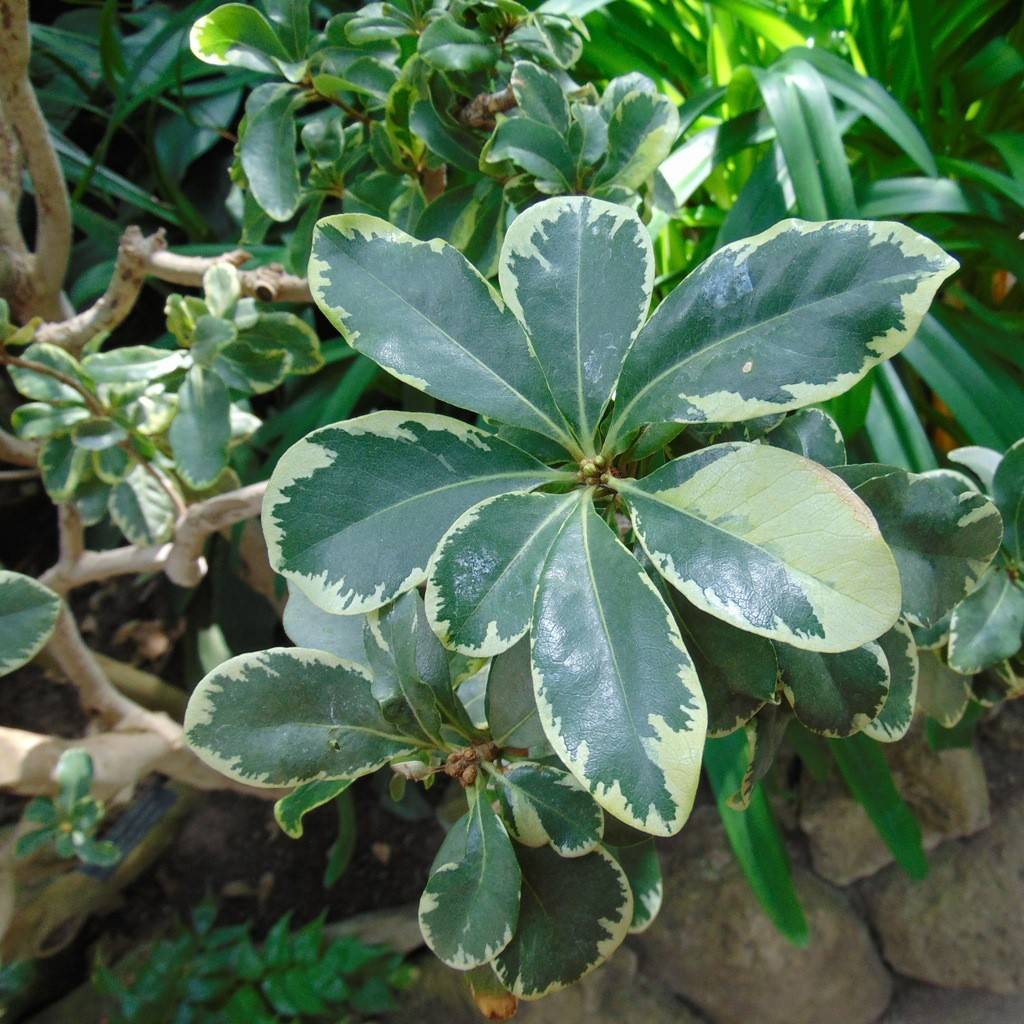
Japanese Pittosporum
Pittosporum tobira
Overview
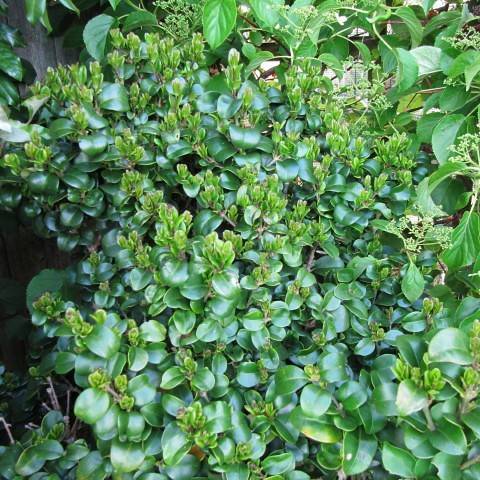
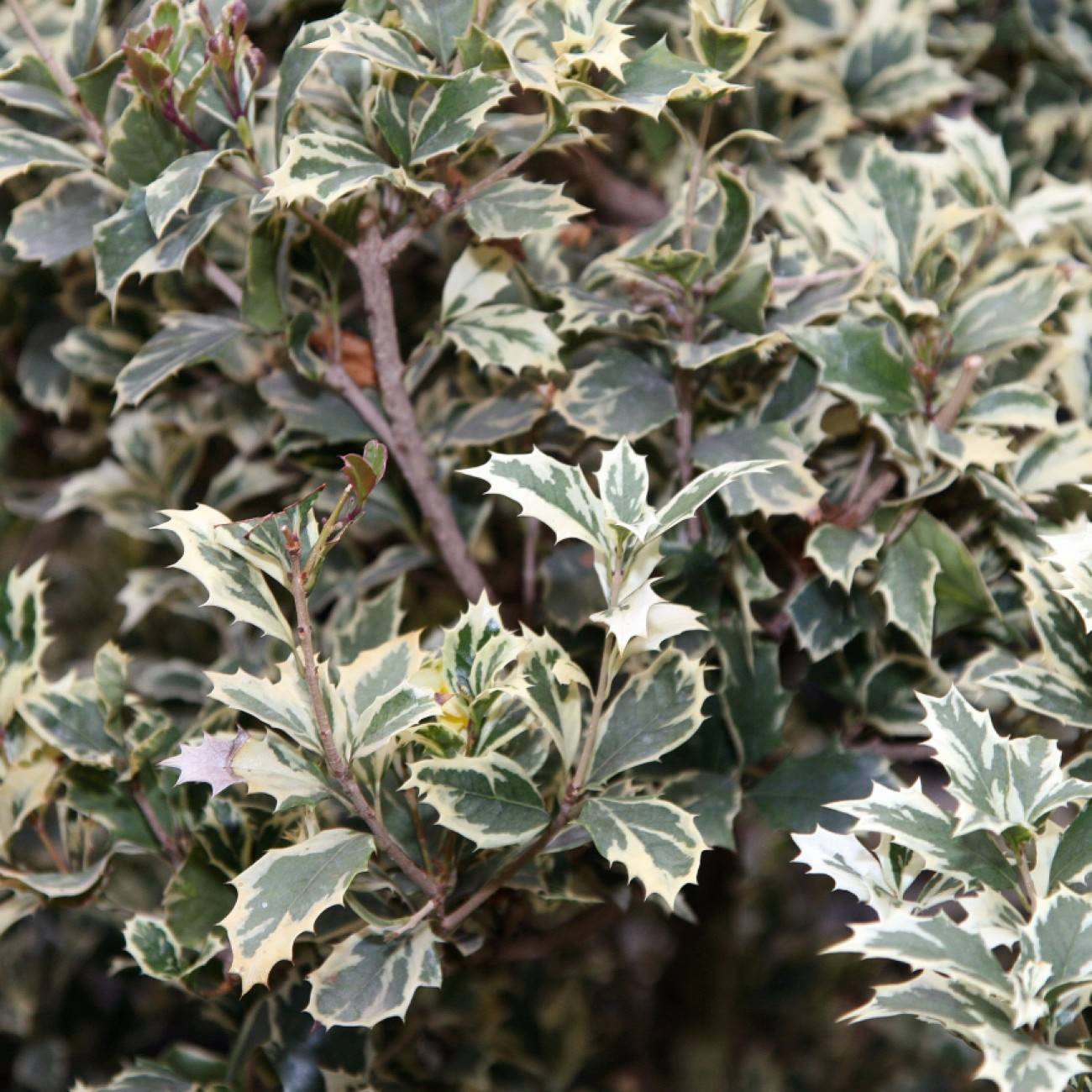
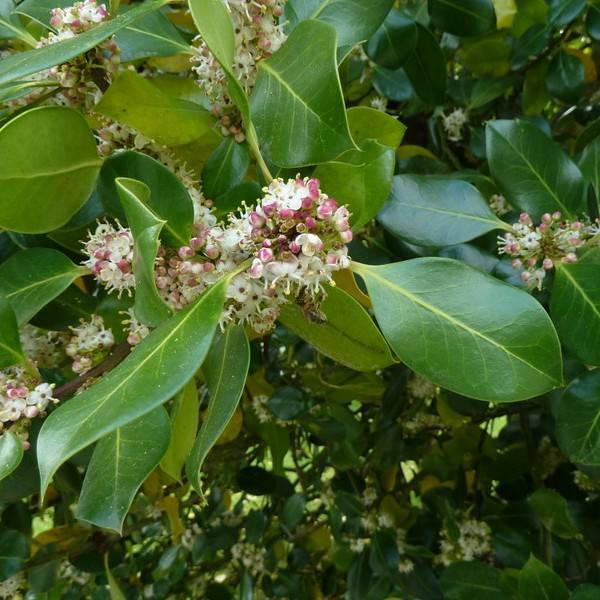
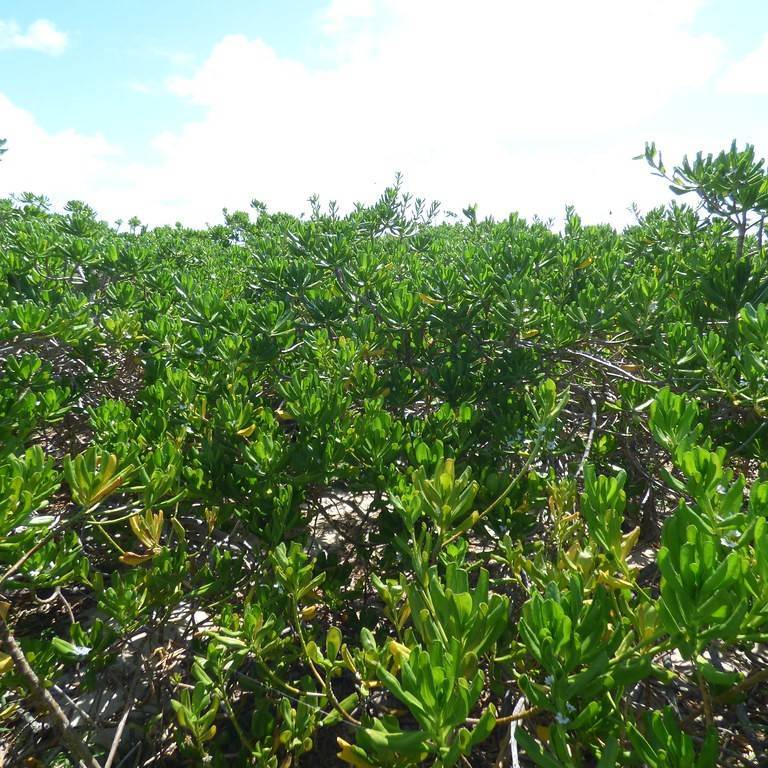
Japanese pittosporum is a versatile evergreen shrub valued for its compact, rounded growth habit, leathery dark green leaves, and clusters of small, creamy-white spring flowers that emit a sweet, jasmine-like fragrance. It is highly adaptable to coastal conditions, tolerating salt spray and wind, making it a popular choice for seaside landscapes. Many compact cultivars are available, including dwarf varieties that stay under 3 feet (90 cm) tall for smaller gardens or container growth.
Care Guide
Watering
Water newly planted Japanese pittosporum regularly for the first 1-2 years to establish a deep root system, keeping the soil consistently moist but not waterlogged. Once established, it is highly drought-tolerant, requiring supplemental watering only during prolonged dry spells. Avoid overwatering, as soggy soil can cause root rot.
Light
Thrives in full sun to partial shade, with optimal growth and flowering occurring in locations that receive at least 4-6 hours of direct sunlight daily. In extremely hot, arid climates, it benefits from afternoon shade to prevent leaf scorch. It can tolerate heavy shade but will produce fewer flowers and have a more open, sparse growth habit.
Soil
Adaptable to a wide range of soil types, including sandy, loam, and clay soils, as long as the site has good drainage. It prefers a slightly acidic to neutral pH range of 6.0 to 7.5, but can tolerate mildly alkaline soils as well. Avoid planting in heavy, poorly drained sites where water pools after rainfall.
Fertilizer
Feed in early spring before new growth emerges using a balanced, slow-release shrub fertilizer formulated for evergreens. Apply according to package directions, spreading it evenly around the root zone and watering thoroughly to activate. A second light application in early summer can boost growth in poor soils, but avoid fertilizing after mid-summer to prevent tender new growth from being damaged by cold fall temperatures.
Temperature
Grows best in USDA hardiness zones 8 through 11, preferring average temperatures between 60-80°F (15-27°C) during the growing season. Mature plants can tolerate light frost down to 20°F (-7°C) for short periods, but prolonged freezing temperatures will cause leaf damage or dieback. In cooler regions, it can be grown in containers and overwintered indoors in a bright, cool location.
Pruning
Prune in late spring after flowering has finished to maintain the desired shape and size, as cutting before bloom will remove the current season’s flower buds. It tolerates heavy shearing exceptionally well, making it ideal for formal hedges or topiary work. Remove any dead, damaged, or crossing branches annually to improve air circulation and reduce disease risk.
Propagation
Most commonly propagated from semi-hardwood cuttings taken in late summer or early fall, using 4-6 inch (10-15 cm) stem sections with mature, hardened growth. Dip cut ends in rooting hormone, plant in a well-draining soilless mix, and keep them warm and moist under indirect light until roots form in 4-8 weeks. It can also be grown from fresh seed sown in fall, though seed-grown plants may not retain the exact characteristics of the parent cultivar.
Humidity
Tolerates a wide range of humidity levels, thriving in the moderate to high humidity of its native coastal habitats, and adapting well to drier inland conditions. When grown indoors as a container plant, it benefits from occasional misting during very dry winter months to prevent leaf tip browning. Avoid placing indoor specimens near heating vents or drafts that can cause rapid moisture loss.
Repotting
Container-grown Japanese pittosporum should be repotted every 2-3 years in early spring before new growth starts, moving up one pot size each time to accommodate root growth. Use a well-draining potting mix with added perlite or coarse sand to improve drainage, and ensure the pot has sufficient drainage holes to prevent waterlogging. For mature specimens that are too large to repot, refresh the top 2-3 inches of soil annually to replenish nutrients.
Uses & Symbolism
Widely planted as a hedge, privacy screen, or foundation shrub in warm climate landscapes, with dwarf cultivars used for border edging, container planting, or indoor ornamental displays. Its cut foliage is popular in floral arrangements for its glossy texture and long vase life. In traditional medicine, extracts from its leaves and bark have been used topically to treat minor skin irritations and inflammation.
Diseases & Pests
Generally pest and disease resistant, but can be susceptible to aphids, scale insects, and spider mites, especially in dense, poorly ventilated growth or dry indoor conditions. Root rot may occur in poorly drained soils or with overwatering, leading to yellowing leaves and stunted growth. Fungal leaf spot can develop in prolonged wet, humid weather, but is rarely severe and can be managed by improving air circulation around the plant.
Related plants
Other plants you might like if you grow Japanese Pittosporum.