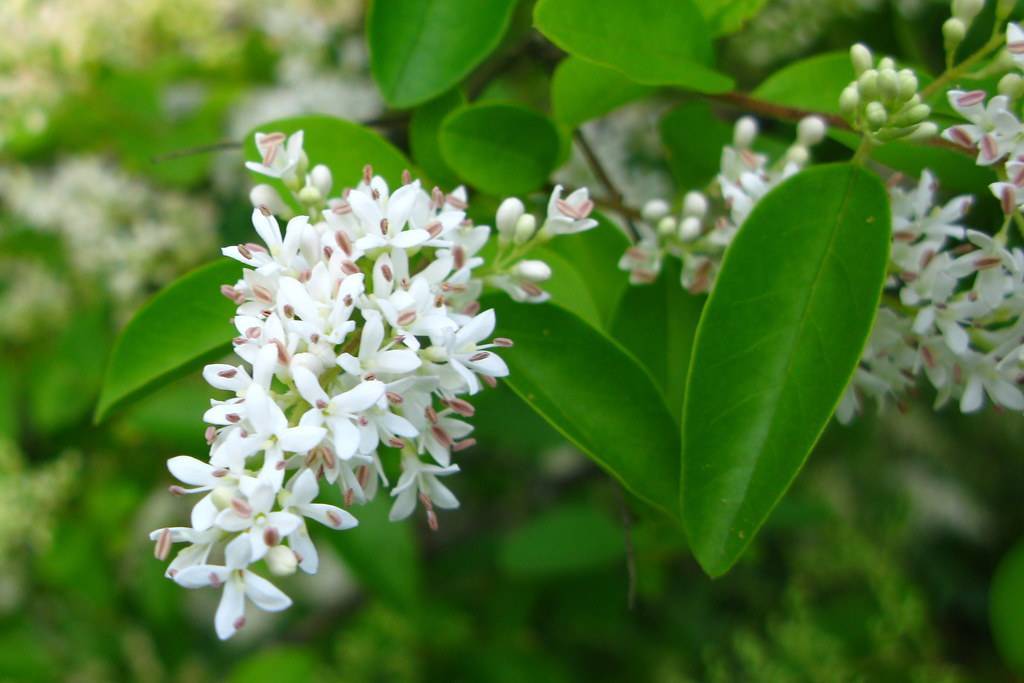
Amur Privet
Ligustrum amurense
Overview
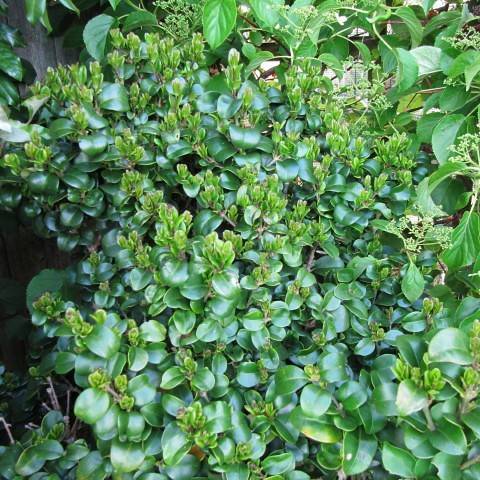
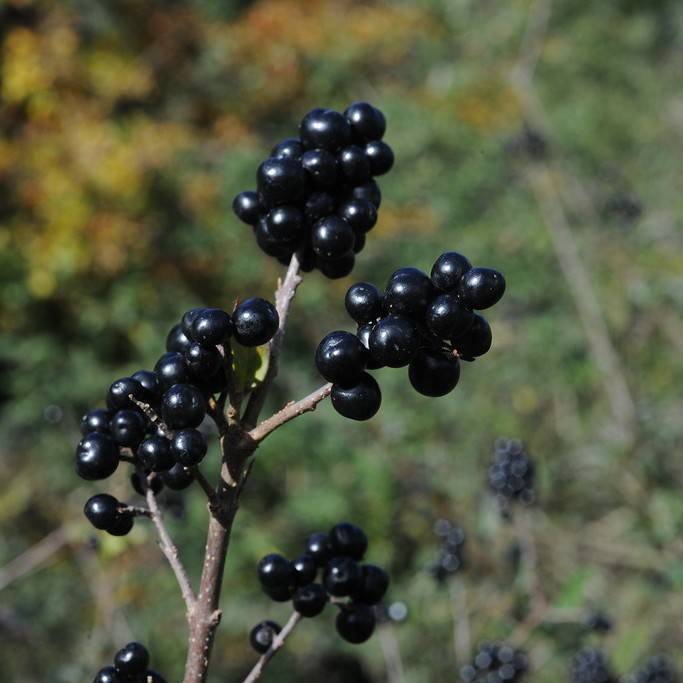
Amur Privet is a hardy, fast-growing deciduous shrub native to East Asian temperate regions, valued in landscaping for its dense, upright growth habit and tolerance of heavy pruning. It produces clusters of small, creamy white, fragrant flowers in late spring, followed by small, glossy black berries that persist through winter and provide food for wild bird species. While adaptable to a range of growing conditions, it is considered invasive in some parts of North America where it outcompetes native understory vegetation.
Care Guide
Watering
Water newly planted Amur Privet regularly for the first 1-2 growing seasons to establish a deep root system, keeping the soil consistently moist but not waterlogged. Mature shrubs are drought-tolerant, requiring supplemental watering only during extended periods of hot, dry weather, and are highly resistant to short-term flooding. Avoid overwatering in heavy, poorly drained soils to prevent root rot development.
Light
Amur Privet thrives in full sun, which encourages the densest foliage growth and most abundant flowering, tolerating a minimum of 6 hours of direct sunlight daily. It can also grow in partial shade, though growth may become leggier and flowering will be reduced in low-light conditions. It adapts well to reflected sunlight from paved surfaces, making it suitable for roadside and urban plantings.
Soil
This shrub tolerates a wide range of soil types, including clay, loam, sand, and alkaline or slightly acidic soils, with a preferred pH range of 6.0 to 8.0. It grows best in moderately fertile, well-drained soil, but can survive in low-nutrient, compacted soils where many other shrubs fail to establish. Amur Privet does not tolerate permanently waterlogged sites, so amend heavy clay soils with organic matter to improve drainage if necessary.
Fertilizer
Fertilize Amur Privet once annually in early spring before new growth emerges, using a balanced, slow-release 10-10-10 granular fertilizer spread evenly around the root zone. Avoid over-fertilizing, as excessive nitrogen can lead to overly lush, tender growth that is more susceptible to winter damage and pest infestations. Mature, well-established shrubs often require no supplemental fertilization if grown in moderately fertile soil.
Temperature
Amur Privet is extremely cold-hardy, suitable for USDA zones 3 through 7, tolerating winter temperatures as low as -40°F (-40°C) without significant damage. It adapts well to hot summer temperatures up to 95°F (35°C), though prolonged extreme heat may cause minor leaf scorch if plants are not watered adequately. Late spring frost can damage new tender growth, but plants typically regrow fully within the same growing season.
Pruning
Prune Amur Privet 2-3 times per growing season, from late spring through early fall, to maintain the desired shape and density of hedges or formal plantings. Avoid pruning after mid-fall, as this can stimulate new tender growth that will be damaged by upcoming winter cold, and remove any dead, diseased, or crossing branches during late winter dormancy. This shrub tolerates heavy rejuvenation pruning, even being cut back to 6-12 inches (15-30 cm) above ground level to renew overgrown, leggy specimens.
Propagation
Amur Privet is most easily propagated from semi-hardwood cuttings taken in mid to late summer, dipping cut ends in rooting hormone and planting in a moist, well-drained potting mix under intermittent mist for 4-6 weeks until roots develop. It can also be grown from seed sown in fall, though seeds require a 3-month cold stratification period to germinate, and seed-grown plants may not retain the exact characteristics of the parent plant. Suckers that form around the base of mature shrubs can also be dug up and transplanted in early spring before new growth begins.
Humidity
Amur Privet adapts well to a wide range of humidity levels, thriving in both the dry continental climates of its native range and the more humid conditions of eastern North America. It has no specific humidity requirements, making it suitable for both arid and humid growing regions without additional misting or humidity adjustments. Excessively high humidity combined with poor air circulation can increase the risk of foliar fungal diseases, so space plants adequately to promote airflow.
Repotting
Amur Privet grown as a container specimen should be repotted every 2-3 years in early spring before new growth emerges, using a well-drained potting mix and selecting a container 2-3 inches larger in diameter than the current pot. For potted hedges or topiary specimens, root prune every 3-4 years to prevent root binding, trimming back up to one-third of the root mass and refreshing the potting mix to maintain healthy growth. Ensure containers have adequate drainage holes to prevent water accumulation and root rot in potted specimens.
Uses & Symbolism
Amur Privet is most widely planted as a dense, fast-growing privacy hedge or windbreak, responding well to pruning to form formal or informal screens for residential and commercial landscapes. It is also used for erosion control on slopes and in disturbed sites, and its dense foliage provides nesting habitat and shelter for a variety of native bird species. It is occasionally trained into topiary forms or grown as a bonsai specimen due to its tolerance of heavy pruning and flexible growth habit.
Diseases & Pests
Common pests of Amur Privet include aphids, scale insects, spider mites, and privet weevils, which feed on foliage and stems, causing leaf yellowing, stunted growth, and dieback in severe infestations. Fungal diseases such as leaf spot, powdery mildew, and anthracnose can occur under conditions of high humidity and poor air circulation, leading to spotted foliage and premature leaf drop. Root rot may develop in poorly drained, waterlogged soils, causing gradual wilting, yellowing foliage, and eventual plant death if the drainage issue is not corrected.
Related plants
Other plants you might like if you grow Amur Privet.