%22%2F%3E%0A%20%20%20%20%20%20%3Ccircle%20cx%3D%22920%22%20cy%3D%22180%22%20r%3D%2290%22%20fill%3D%22%23cfe8d5%22%2F%3E%0A%20%20%20%20%20%20%3Cpath%20d%3D%22M600%20590c-90-180-215-255-310-280%200%20165%20118%20296%20270%20296h40z%22%20fill%3D%22%2379b88e%22%2F%3E%0A%20%20%20%20%20%20%3Cpath%20d%3D%22M600%20590c80-150%20198-212%20302-228-8%20142-123%20255-270%20255h-32z%22%20fill%3D%22%235c9f73%22%2F%3E%0A%20%20%20%20%20%20%3Cpath%20d%3D%22M600%20610V360%22%20stroke%3D%22%234f8c64%22%20stroke-width%3D%2218%22%20stroke-linecap%3D%22round%22%2F%3E%0A%20%20%20%20%20%20%3Ctext%20x%3D%22600%22%20y%3D%22700%22%20text-anchor%3D%22middle%22%20font-family%3D%22Arial%2C%20sans-serif%22%20font-size%3D%2244%22%20fill%3D%22%23365c45%22%3E%0A%20%20%20%20%20%20%20%20Plant%20image%20coming%20soon%0A%20%20%20%20%20%20%3C%2Ftext%3E%0A%20%20%20%20%3C%2Fsvg%3E%0A%20%20)
Hebe
Hebe spp.
Overview
Hebe is a genus of over 90 species of evergreen shrubs, named for the Greek goddess of youth, prized for their tidy, compact growth habit and year-round visual interest. Most varieties produce dense spikes of tiny white, pink, purple, or blue flowers in summer, attracting bees and other pollinators to the garden. Their foliage ranges from bright green to silvery-gray or variegated, with small, leathery leaves that retain their color through all seasons in mild climates. Hardy to USDA zones 7 to 10, hebes are well-adapted to coastal conditions, tolerating salt spray and windy locations well.
Care Guide
Watering
Water newly planted hebes regularly for the first year to establish deep root systems, keeping the soil consistently moist but not waterlogged. Once established, hebes are drought-tolerant, requiring watering only during extended dry periods, as overwatering can lead to root rot. Reduce watering in winter, when the plant is dormant, to prevent soggy soil conditions.
Light
Hebes thrive in full sun to partial shade, with at least 4 to 6 hours of direct sunlight daily to encourage dense foliage and abundant flowering. In regions with extremely hot, intense summer sun, provide light afternoon shade to prevent leaf scorch, especially for variegated varieties. Grown indoors, place hebes near a south or west-facing window to receive sufficient bright, indirect light.
Soil
Hebes prefer well-draining, light, loamy or sandy soil with a neutral to slightly alkaline pH, though they adapt to most soil types as long as drainage is excellent. Avoid heavy, water-retentive clay soils, which can cause root rot; amend heavy soils with coarse sand or organic compost to improve drainage before planting. For container-grown hebes, use a high-quality general-purpose potting mix mixed with perlite or pumice to enhance drainage.
Fertilizer
Feed hebes lightly in early spring with a balanced, slow-release shrub fertilizer to support new growth and flowering, avoiding high-nitrogen formulas that can encourage overly soft, leggy growth. Over-fertilization can also reduce flowering, so apply only the recommended rate on the product label, and do not feed after mid-summer to prevent new growth that may be damaged by early frost. Container-grown hebes can benefit from a diluted liquid fertilizer applied once every 4 to 6 weeks during the active growing season.
Temperature
Hebes grow best in mild temperatures between 55°F and 75°F (13°C to 24°C), with most varieties tolerant of light frost down to 10°F (-12°C) once established. In regions with colder winter temperatures below their hardiness zone, grow hebes in containers that can be moved indoors or to a sheltered location during freezing weather. Protect outdoor hebes from harsh, cold winter winds with burlap wraps or by planting them near a sheltered wall or fence.
Pruning
Prune hebes lightly after flowering to maintain a neat, compact shape, removing spent flower spikes and trimming back any leggy or overgrown stems by up to one-third of their length. Avoid heavy pruning into old, woody growth, as hebes often struggle to resprout from bare wood, which can leave unsightly gaps in the shrub. Remove any dead, diseased, or damaged stems at any time of year to improve air circulation and overall plant health.
Propagation
Hebes are most easily propagated from semi-hardwood cuttings taken in late summer or early fall, selecting 3 to 4 inch (7-10 cm) long stem tips from healthy, non-flowering growth. Remove the lower leaves from the cutting, dip the cut end in rooting hormone powder, and plant in a well-draining rooting mix of peat and perlite, keeping the medium moist and warm until roots develop in 4 to 8 weeks. Hebes can also be grown from seed, though seed-grown plants may not retain the exact characteristics of the parent cultivar, and germination can be slow and inconsistent.
Humidity
Hebes tolerate a wide range of humidity levels, adapting well to the moderate humidity of most garden environments and the drier air of coastal regions. Indoor-grown hebes prefer average household humidity between 40% and 60%; if air is excessively dry, mist the foliage occasionally or place the container on a pebble tray filled with water to raise ambient humidity. Avoid placing indoor hebes near heating or cooling vents, which can create dry, drafty conditions that stress the plant.
Repotting
Container-grown hebes should be repotted every 2 to 3 years in early spring, before new growth begins, when roots start to emerge from the drainage holes of the current pot. Choose a new pot that is 1 to 2 inches (2.5 to 5 cm) larger in diameter than the previous one, with adequate drainage holes to prevent waterlogging. Gently loosen the root ball before planting in fresh potting mix, and water thoroughly after repotting to settle the soil around the roots.
Uses & Symbolism
Hebes are widely used as low hedges, border shrubs, ground cover, or container plants in ornamental gardens, valued for their low maintenance and year-round foliage and flower interest. Smaller, compact varieties are popular for rock gardens, coastal gardens, and urban patio containers, as they tolerate wind, salt spray, and pollution well. Some historical medicinal uses by Indigenous Māori communities include using hebe leaves to treat wounds and stomach ailments, though modern medicinal use is not widespread.
Diseases & Pests
Hebes are relatively pest and disease resistant, but can be susceptible to root rot if grown in poorly draining, overly wet soil, which causes yellowing leaves, wilting, and eventual plant death. Common pests include aphids, scale insects, and spider mites, which suck sap from the foliage, causing leaf distortion and stunted growth; these can be controlled with insecticidal soap or neem oil applications. In humid, poorly ventilated conditions, hebes may develop powdery mildew, a fungal disease that appears as a white, powdery coating on leaves, which can be prevented by ensuring good air circulation around the plant and avoiding overhead watering.
Related plants
Other plants you might like if you grow Hebe.
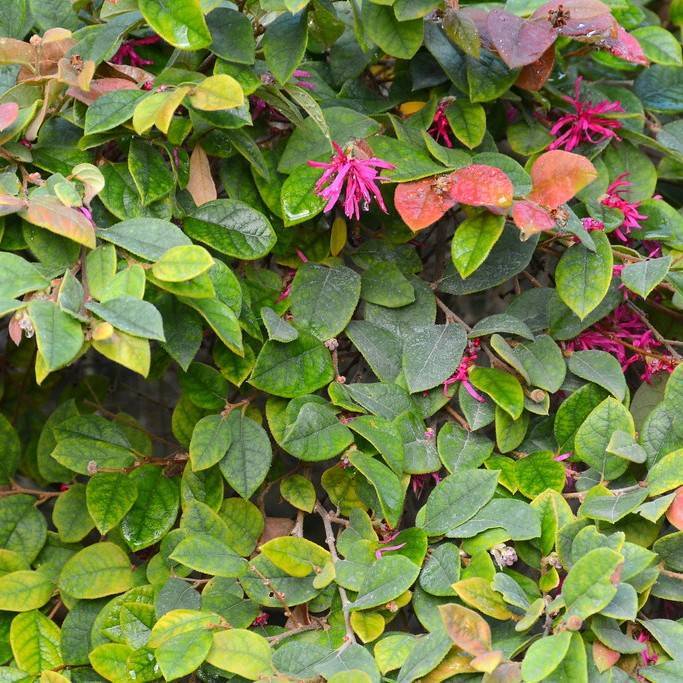
Chinese Fringe Flower
Loropetalum chinense
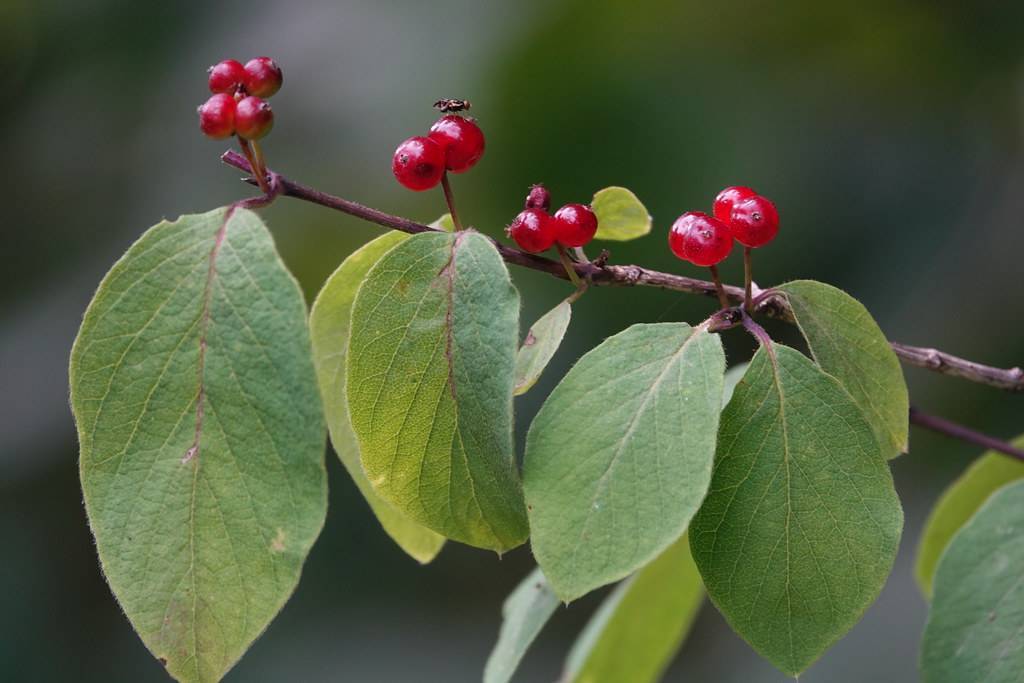
Dwarf Honeysuckle
Lonicera nitida
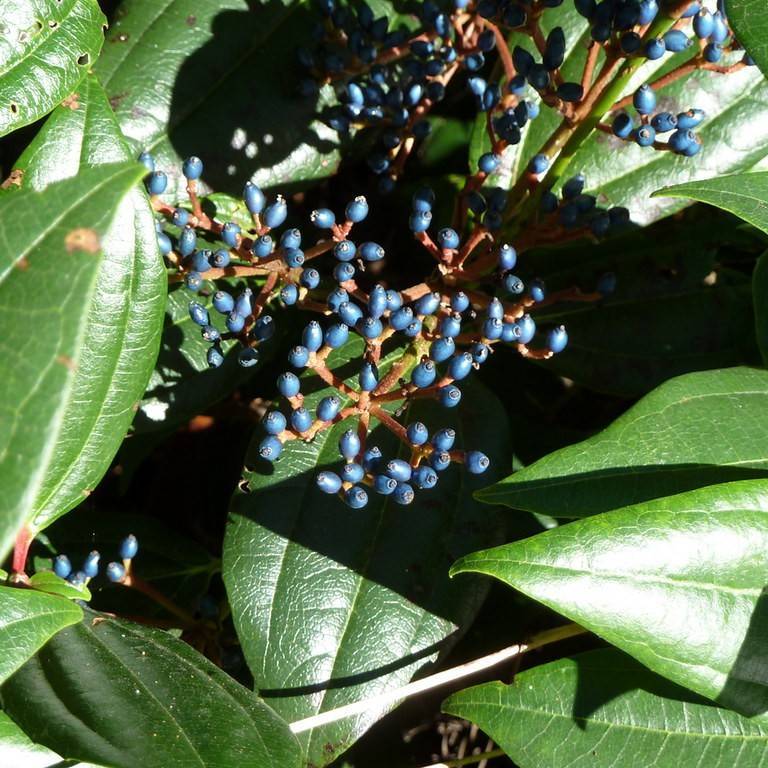
David Viburnum
Viburnum davidii
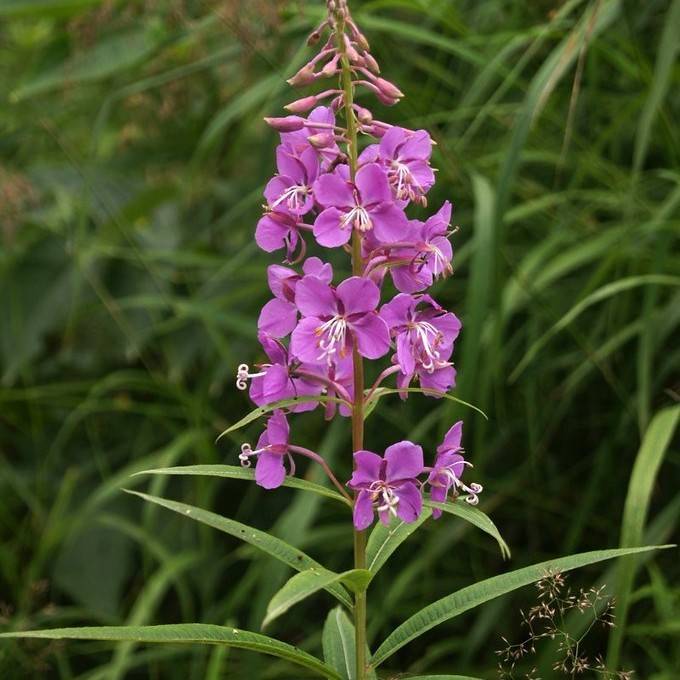
Hybrid Fireweed
Chamerion angustifolium 'Album' or interspecific Chamerion hybrids

Kalimeris
Kalimeris indica
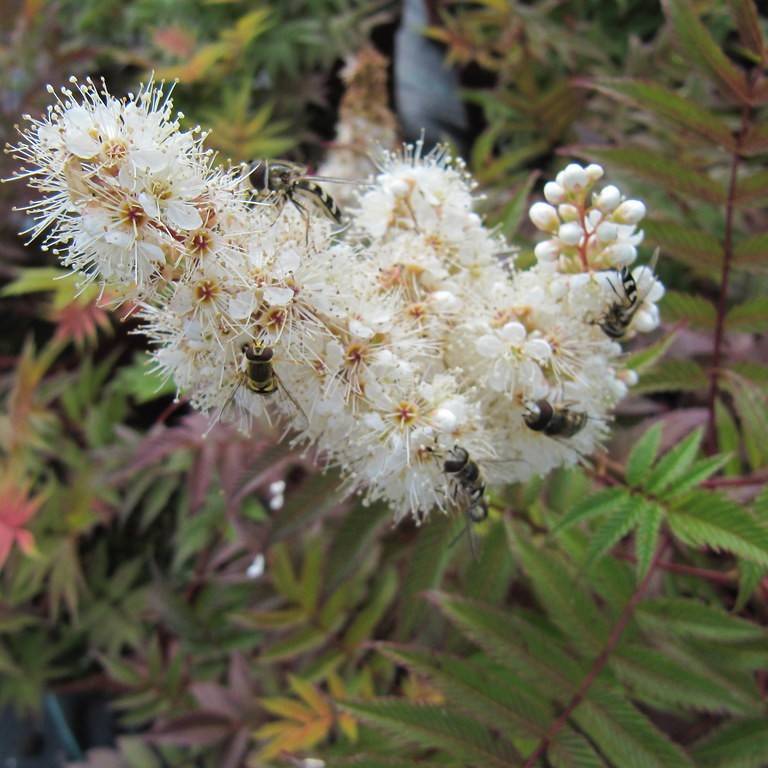
False Spiraea
Sorbaria sorbifolia
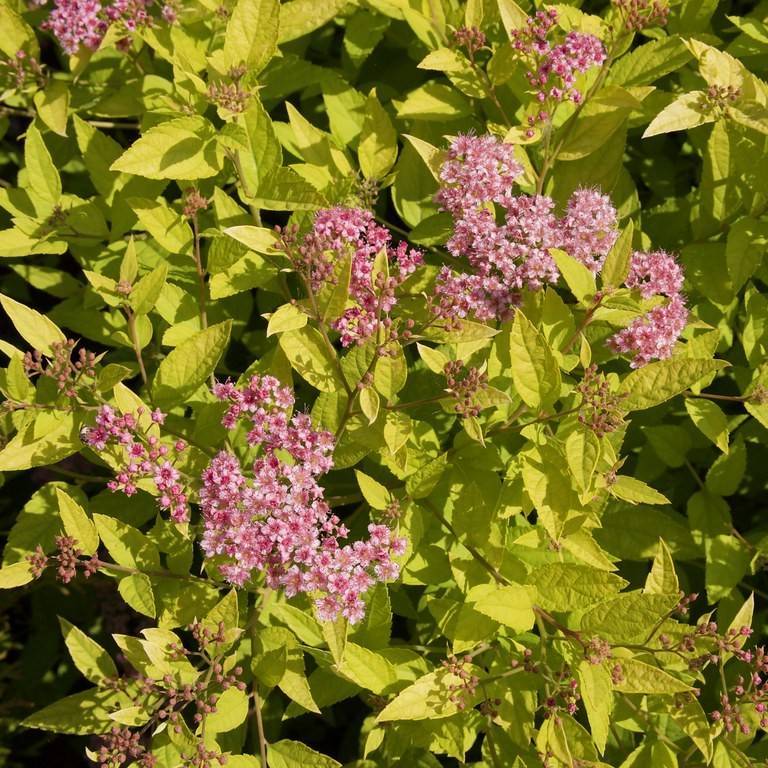
Japanese Spirea
Spiraea japonica
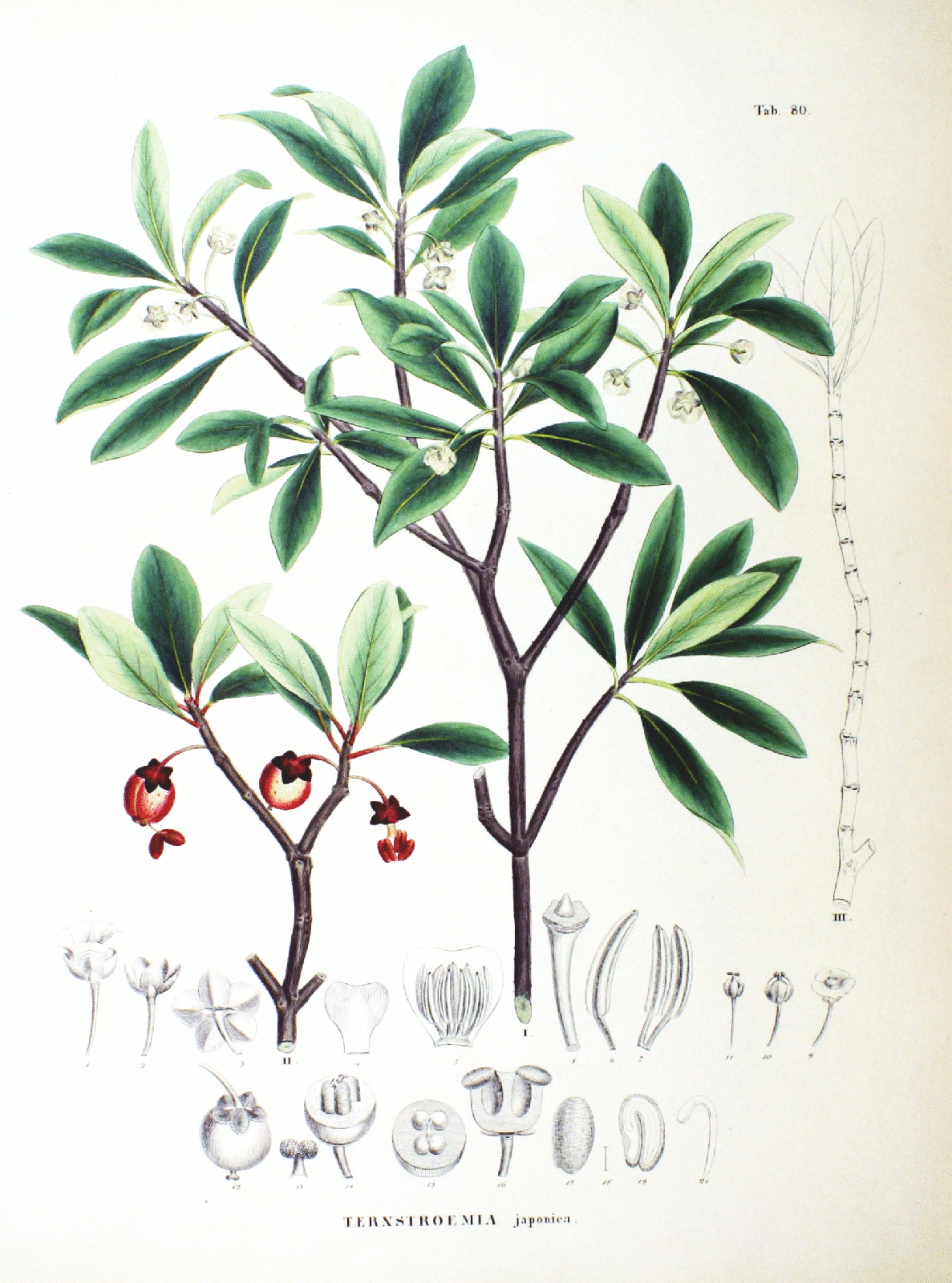
Japanese Ternstroemia
Ternstroemia gymnanthera