Lantana
Lantana camara
Overview
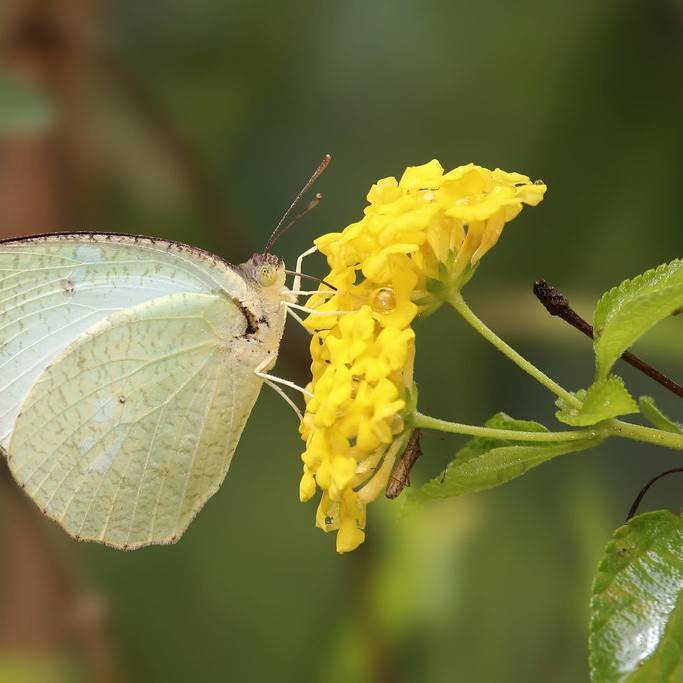
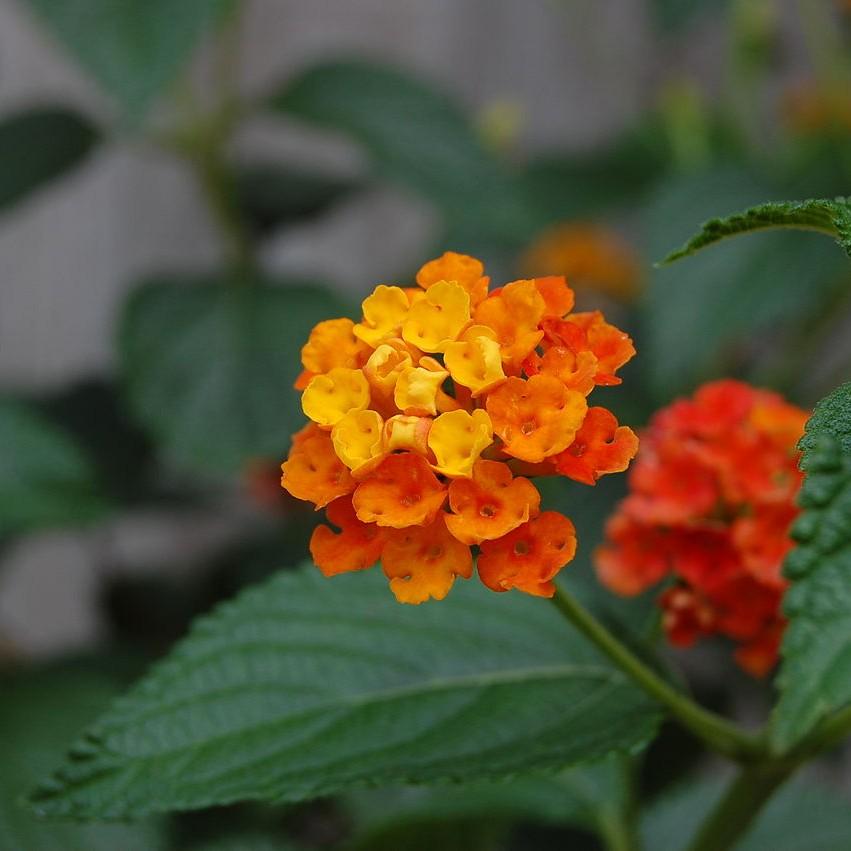
Lantana is a sun-loving, bushy shrub known for its rounded clusters of tiny, multi-hued flowers that often shift color as they mature, creating a distinctive bicolored effect. Widely cultivated as an ornamental for gardens, containers, and hanging baskets, it thrives in hot, sunny conditions where many other plants struggle. In frost-free climates, it grows as a woody evergreen, while in temperate regions it is often grown as an annual. Its high nectar content makes it a favorite of butterflies, bees, and hummingbirds.
Care Guide
Watering
Water newly planted lantana regularly to keep soil evenly moist for the first 2-3 months until established. Mature plants are highly drought tolerant, requiring watering only during extended dry periods, as overwatering and soggy soil can lead to root rot. Allow the top 1-2 inches of soil to dry out completely between waterings for container-grown specimens.
Light
Lantana requires full sun, meaning a minimum of 6-8 hours of direct, unfiltered sunlight daily to produce abundant blooms. Insufficient light will result in sparse flowering, leggy growth, and increased susceptibility to pest issues. It can tolerate very light, dappled shade for short periods, but performance will decline significantly in partial or full shade.
Soil
Lantana adapts well to a wide range of well-drained soil types, including sandy, loamy, and even poor, rocky soils, as long as excess water can drain freely. It prefers a neutral to slightly acidic soil pH between 6.0 and 7.5, but can tolerate slightly alkaline conditions as well. Avoid heavy, clay soils that hold standing water, as these will quickly cause root rot.
Fertilizer
Lantana is a light feeder that requires minimal fertilization to thrive; overfertilizing will lead to excessive foliage growth at the expense of blooms. In garden beds, apply a balanced, slow-release 10-10-10 fertilizer once in early spring at a rate of 1 pound per 100 square feet, lightly working it into the top layer of soil. Container-grown lantana can be fed with a diluted, balanced liquid fertilizer once every 4-6 weeks during the active growing season.
Temperature
Lantana thrives in warm temperatures between 60°F and 90°F (15°C to 32°C), and is highly tolerant of high heat and humidity once established. It is only winter hardy in USDA zones 8-11, as temperatures below 32°F (0°C) will kill back above-ground growth, and sustained freezing below 28°F (-2°C) will kill the entire plant. In cooler climates, it can be grown as an annual, or overwintered indoors in a bright, cool location.
Pruning
Prune lantana in late winter or early spring before new growth emerges to remove dead, damaged, or leggy branches and encourage a bushy, compact shape. Deadhead spent flower clusters regularly throughout the growing season to promote continuous blooming and prevent the plant from self-seeding aggressively. For overgrown specimens, you can cut the entire plant back to 6-12 inches above the soil level in early spring to stimulate fresh, vigorous growth.
Propagation
Lantana is most commonly propagated from softwood cuttings taken in late spring or early summer, using 4-6 inch tip cuttings from healthy, non-flowering stems, stripped of lower leaves, and rooted in moist, well-drained potting mix under indirect light. It can also be grown from seed, though seed-grown plants may not retain the exact flower color characteristics of the parent plant, and germination can be slow and inconsistent. For best results with cuttings, dip the cut end in rooting hormone before planting, and keep the soil consistently moist until roots form in 3-4 weeks.
Humidity
Lantana tolerates a wide range of humidity levels, from the high humidity of its native tropical habitat to the drier air of arid regions, as long as its watering needs are met. Average household humidity levels of 40-60% are sufficient for indoor overwintering of container plants. Avoid placing indoor lantana near heating or cooling vents that cause sudden, dry air drafts, which can lead to leaf drop.
Repotting
Container-grown lantana should be repotted every 1-2 years in early spring before new growth begins, when roots begin to grow out of the drainage holes or circle the inside of the pot. Select a pot that is 1-2 inches larger in diameter than the current one, with ample drainage holes, and use a well-drained, general-purpose potting mix. After repotting, water thoroughly and place in a bright, sunny location to allow the plant to adjust to its new container.
Uses & Symbolism
Lantana is primarily grown as an ornamental plant for landscape beds, border plantings, containers, and hanging baskets, valued for its long bloom period from late spring through frost and vibrant, multi-colored flowers. It is a staple of pollinator gardens, as its high nectar content attracts butterflies, hummingbirds, and bees throughout the growing season. In some traditional medicine systems, extracts of lantana have been used to treat skin conditions, respiratory issues, and fever, though its toxicity makes internal use unsafe without professional preparation.
Diseases & Pests
Lantana is relatively pest and disease resistant when grown in optimal conditions, but can be susceptible to aphids, whiteflies, spider mites, and mealybugs, especially when grown in shade or under stress from overwatering. Fungal diseases such as powdery mildew, leaf spot, and root rot can occur if plants are grown in poorly drained soil, overwatered, or spaced too closely to allow for proper air circulation. In areas where it is invasive, lantana can outcompete native vegetation and form dense, impenetrable thickets that disrupt local ecosystems.
Related plants
Other plants you might like if you grow Lantana.