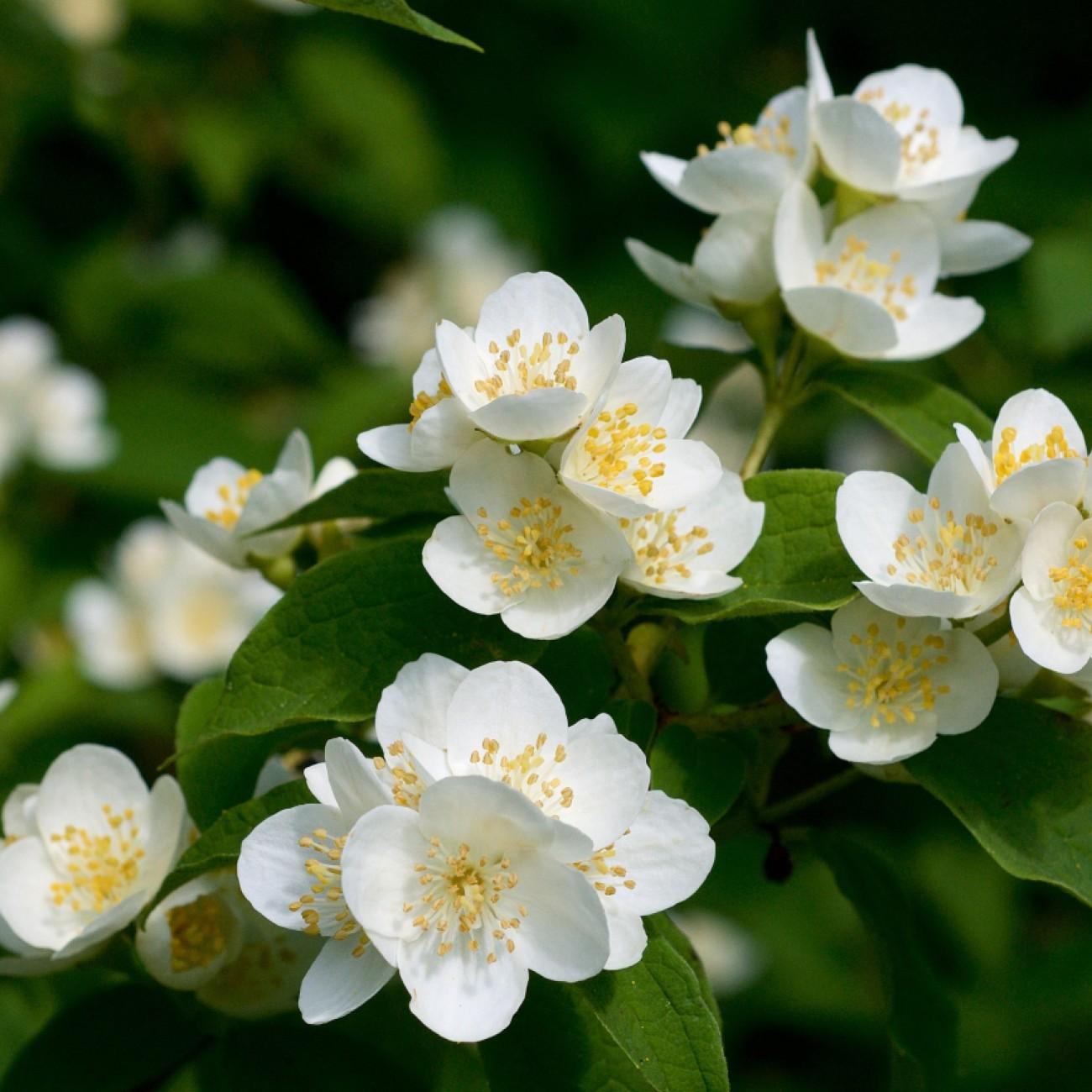
Broad Leaf Mock Orange
Philadelphus latifolius
Overview
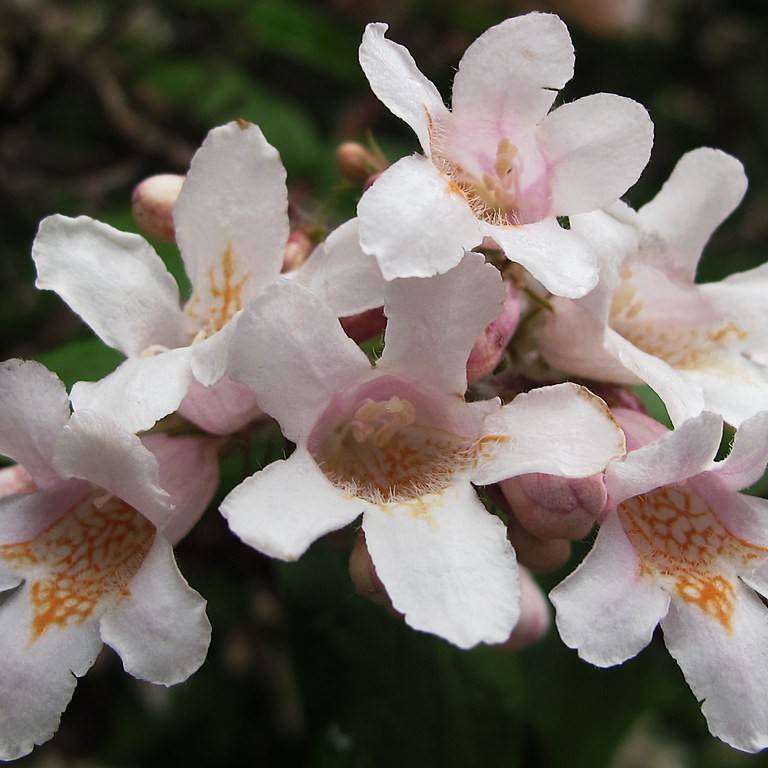
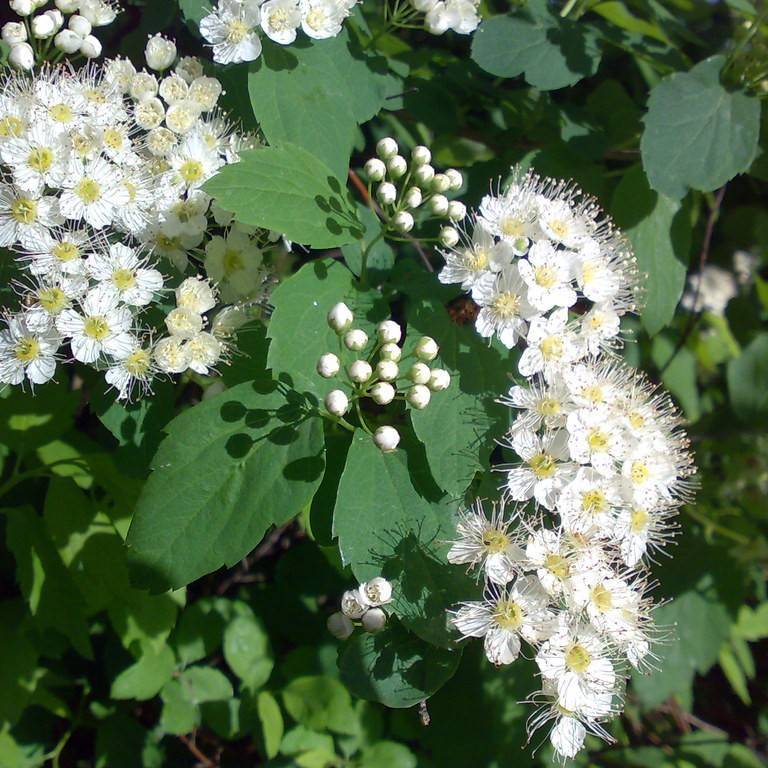
Broad leaf mock orange is a deciduous shrub named for its clusters of creamy white, four-petaled flowers that emit a sweet, citrus-like fragrance similar to orange blossoms, appearing in late spring to early summer. Its broad, ovate, dark green leaves turn soft yellow in fall, adding seasonal interest to garden borders, hedges, or native plantings. It is highly attractive to pollinators including bees and butterflies, supporting local ecosystem health while requiring minimal maintenance for healthy growth.
Care Guide
Watering
Water newly planted shrubs deeply once or twice weekly for the first growing season to establish a robust root system, allowing the top 2 inches of soil to dry out between waterings. Mature specimens are drought-tolerant, requiring only supplemental water during extended periods of high heat or prolonged dry spells, as overwatering can lead to root rot.
Light
Grows best in full sun, which encourages the most abundant and fragrant flowering, though it tolerates partial shade in hotter climates to prevent leaf scorch. Too much deep shade will reduce bloom production and lead to sparse, leggy growth, so choose a planting site that receives at least 6 hours of direct sunlight daily.
Soil
Thrives in well-drained, loamy soil with a neutral to slightly alkaline pH, though it adapts to a wide range of soil types including clay, sandy, or rocky soils as long as standing water does not accumulate. Amend heavy, poorly draining soils with compost or coarse sand at planting time to improve aeration and prevent root suffocation.
Fertilizer
Apply a balanced, slow-release shrub fertilizer in early spring before new growth emerges to support healthy foliage and abundant bloom production. Avoid over-fertilizing, especially with high-nitrogen formulas, as this can encourage excessive leaf growth at the expense of flowers; a single annual application is sufficient for most garden settings.
Temperature
Hardy in USDA zones 4 to 8, tolerating winter temperatures as low as -30°F (-34°C) without significant damage, making it suitable for most temperate North American climates. It can withstand occasional summer temperatures above 90°F (32°C) if provided with adequate moisture and partial afternoon shade in the hottest parts of its range.
Pruning
Prune immediately after flowering ends in early summer, as blooms form on the previous year’s wood; cutting stems later in the season will remove next year’s flower buds. Remove up to one-third of the oldest, woodiest stems at ground level every 2-3 years to encourage vigorous new growth, improve air circulation, and maintain a compact, attractive shape.
Propagation
Most easily propagated from softwood cuttings taken in early summer, just after flowering ends; dip cut ends in rooting hormone, plant in moist, well-drained potting mix, and keep in a humid, shaded location until roots form in 4-6 weeks. It can also be grown from seed sown in fall, though seed-grown plants may take 2-3 years to reach flowering maturity and may not retain the exact characteristics of the parent plant.
Humidity
Adaptable to a wide range of humidity levels, thriving in the moderate humidity of its native Pacific Northwest range as well as the drier conditions of inland mountain regions. It does not require extra humidity when grown outdoors, though very dry, windy conditions can cause leaf browning at the edges, which can be mitigated with occasional deep watering.
Repotting
Primarily grown as an outdoor landscape shrub, so repotting is rarely required unless it is being cultivated in a large container for patio use. If grown in a pot, repot every 2-3 years in early spring before new growth starts, moving to a container one size larger with fresh, well-drained potting mix amended with compost to support continued healthy growth.
Uses & Symbolism
Widely planted as an ornamental shrub in residential and public gardens, valued for its fragrant spring blooms, low maintenance needs, and suitability for informal hedges, border plantings, or native wildlife gardens. Its strong-scented flowers are sometimes cut for fresh floral arrangements, and the dense, branching growth provides shelter and nesting sites for small birds and beneficial insects.
Diseases & Pests
Generally pest and disease resistant, though it may occasionally be affected by aphids, scale insects, or spider mites, which can be controlled with insecticidal soap or horticultural oil sprays. Fungal issues such as leaf spot or powdery mildew may occur in poorly ventilated, overly shaded sites with consistently damp foliage, which can be prevented by planting in full sun, spacing shrubs for good air circulation, and avoiding overhead watering.
Related plants
Other plants you might like if you grow Broad Leaf Mock Orange.