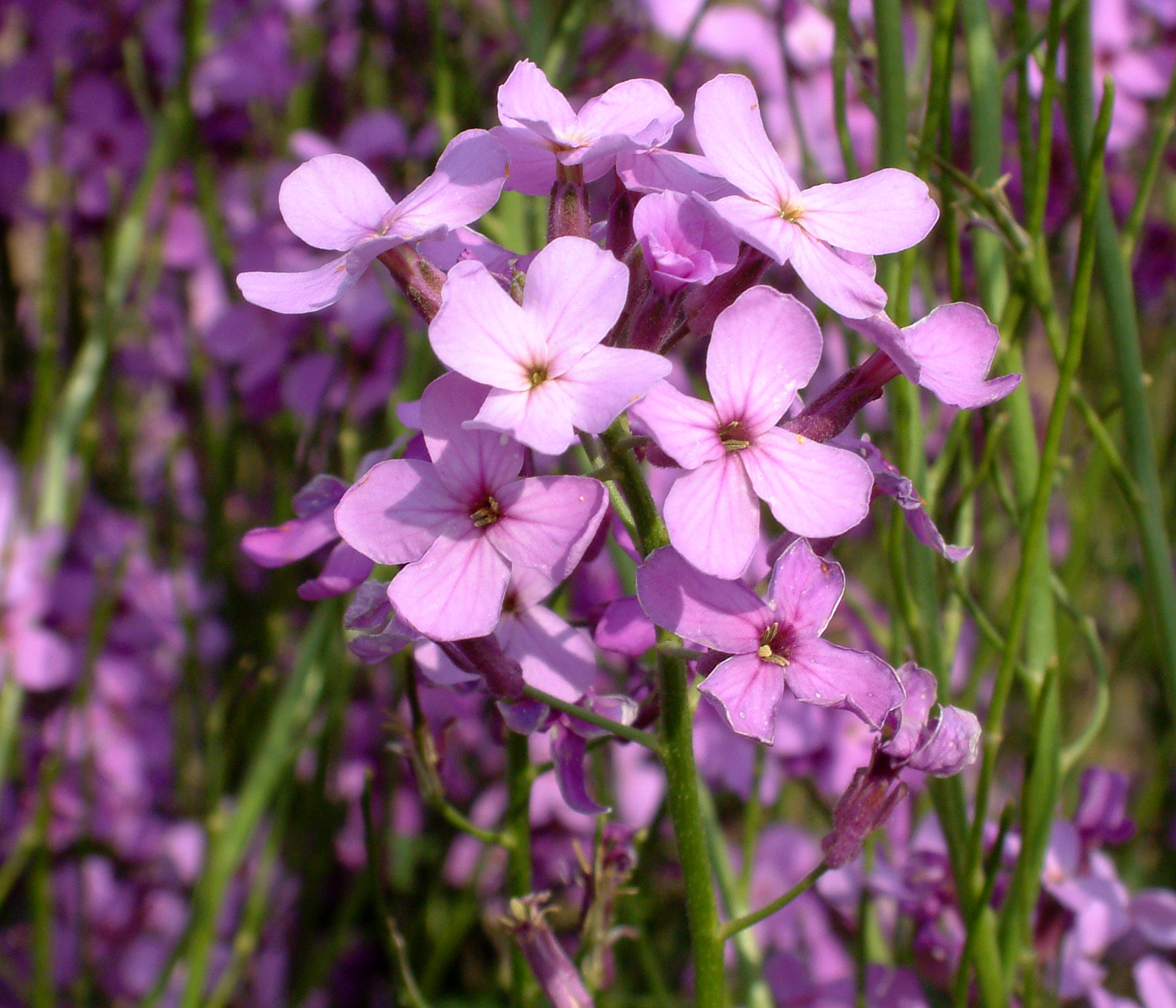
Dame's Rocket
Hesperis matronalis
Overview
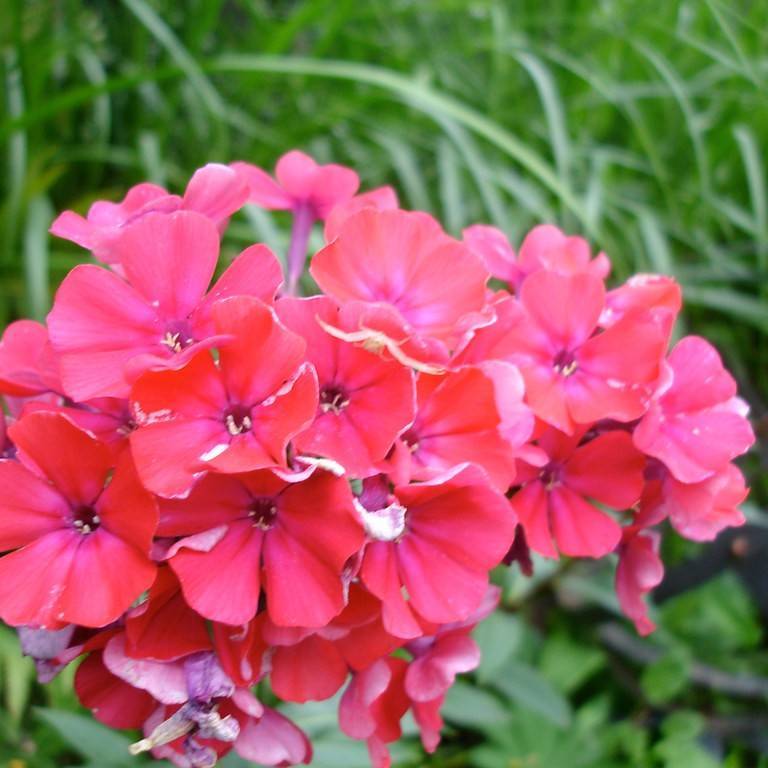
Dame's rocket, often mistaken for phlox, produces loose clusters of four-petaled flowers that emit a sweet, intense fragrance most noticeable in the evening. It naturalizes readily in meadows, woodland edges, and roadside areas, and is considered invasive in some regions of North America where it outcompetes native wildflowers. The plant’s erect, branching stems are lined with lance-shaped, slightly toothed green foliage that provides textural contrast to its delicate, abundant blooms.
Care Guide
Watering
Water dame's rocket regularly to keep the soil consistently moist but not waterlogged, especially during periods of prolonged drought. Reduce watering frequency in fall and winter when the plant enters dormancy, allowing the top 1-2 inches of soil to dry out between sessions. Avoid overhead watering to minimize the risk of foliar fungal diseases.
Light
Dame's rocket thrives in full sun to partial shade, with at least 4-6 hours of direct sunlight daily for optimal flowering. In regions with hot, intense summer sun, provide light afternoon shade to prevent leaf scorch and extend the bloom period. Too much deep shade will result in leggy growth and reduced flower production.
Soil
This adaptable plant grows well in a wide range of soil types, including loam, clay, and sandy soils, as long as the site has good drainage. It prefers a neutral to slightly alkaline pH between 6.0 and 7.5, but can tolerate mildly acidic conditions as well. Amend heavy, compacted soils with organic compost before planting to improve aeration and nutrient content.
Fertilizer
Fertilize dame's rocket once in early spring as new growth emerges, using a balanced, all-purpose granular fertilizer with an NPK ratio of 10-10-10. Avoid over-fertilizing, as excessive nitrogen will promote lush foliage growth at the expense of flower production. Potted specimens can be fed once monthly during the growing season with a diluted liquid fertilizer.
Temperature
Dame's rocket is cold-hardy in USDA zones 3 through 9, tolerating winter temperatures as low as -40°F (-40°C) without special protection. It prefers cool spring and fall temperatures, and may go dormant or die back partially during extended periods of heat above 90°F (32°C). Young seedlings are sensitive to hard frost, so plant them outdoors after the last frost date in your area.
Pruning
Deadhead spent flower clusters regularly throughout the bloom period to encourage reblooming and prevent unwanted self-seeding, especially in areas where the plant is considered invasive. Cut back the entire plant to 2-3 inches above the soil line in late fall after the foliage has died back, to tidy the planting bed and reduce overwintering pest habitat. Thin out overcrowded clumps every 2-3 years to improve air circulation and reduce disease risk.
Propagation
Dame's rocket is most easily propagated from seed, which can be sown directly outdoors in fall or early spring, as the seeds require a period of cold stratification to germinate. Established clumps can also be divided in early spring or late fall, carefully separating the root crown into smaller sections each with at least one growth bud and a portion of healthy roots. Root cuttings taken in late winter can also be rooted in moist potting mix for faster establishment.
Humidity
This plant tolerates a wide range of humidity levels, thriving in average outdoor humidity between 40% and 70% typical of its native temperate range. It does not require supplemental humidity when grown outdoors, though extremely dry, arid conditions may cause leaf browning at the edges. Avoid planting in overly humid, poorly ventilated sites to reduce the risk of fungal diseases.
Repotting
Dame's rocket is rarely grown in containers long-term, but if potted, repot every 1-2 years in early spring before new growth begins. Select a pot that is 2-3 inches larger in diameter than the current container, with ample drainage holes to prevent root rot. Use a general-purpose potting mix amended with compost to provide nutrients, and water thoroughly after repotting to settle the soil around the roots.
Uses & Symbolism
Dame's rocket is a popular addition to cottage gardens, wildflower meadows, and pollinator plantings, as its nectar-rich flowers attract bees, butterflies, and hummingbirds throughout the bloom season. The fragrant flowers are often cut for fresh floral arrangements, and their evening scent makes them a good choice for planting near patios, windows, or walkways. Historically, the plant was used in traditional herbal medicine for its mild diuretic and expectorant properties, though it is rarely used for this purpose today due to its mild toxicity.
Diseases & Pests
Dame's rocket is relatively pest-resistant, but may be susceptible to common brassica pests including aphids, cabbage loopers, and flea beetles, which can be controlled with insecticidal soap or neem oil applications. Fungal diseases such as powdery mildew, downy mildew, and root rot can occur in overly wet, poorly ventilated conditions, so ensure proper spacing between plants and avoid overwatering to prevent these issues. Slugs and snails may feed on young foliage in damp, shaded areas, and can be deterred with copper barriers or organic slug bait.
Related plants
Other plants you might like if you grow Dame's Rocket.