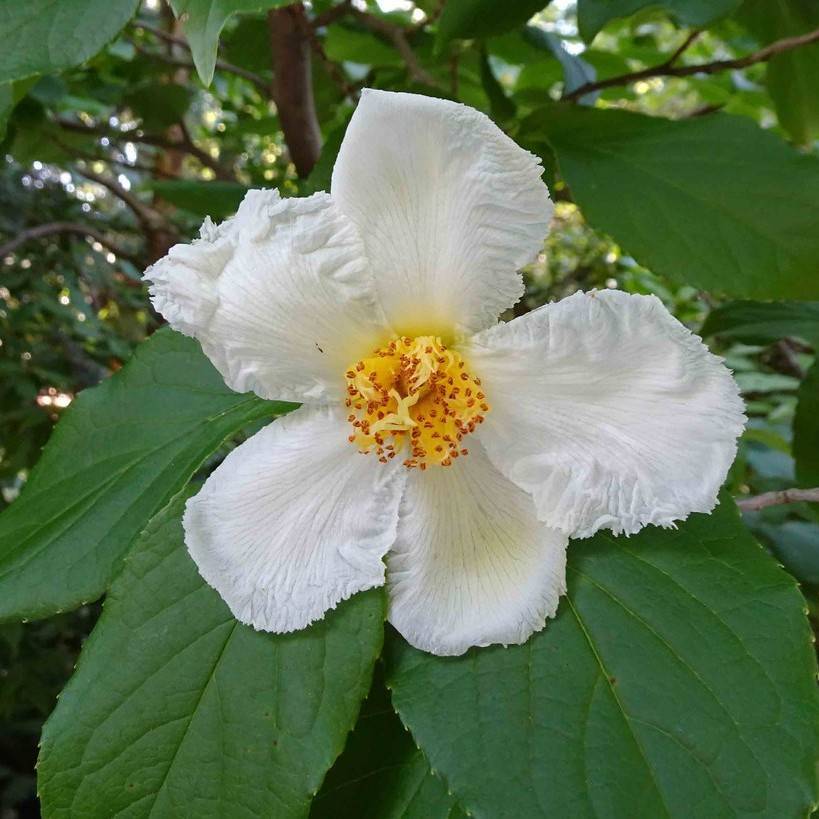
Japanese Stewartia
Stewartia pseudocamellia
Overview
Japanese Stewartia is a slow-growing, broad-canopied deciduous tree valued widely in temperate landscaping for its multi-season ornamental interest. In early to mid-summer, it produces 2-3 inch wide white, cup-shaped flowers with prominent golden stamens that resemble camellia blooms, its closest botanical relatives. As autumn arrives, its dark green oval foliage shifts to striking hues of scarlet, orange, and purple, while its mature bark peels in patches to reveal a mottled pattern of gray, brown, and orange that provides winter visual appeal.
Care Guide
Watering
Japanese Stewartia prefers consistently moist, well-drained soil and requires regular watering during its first 2-3 years of establishment to develop a strong root system. Mature trees have moderate drought tolerance but benefit from supplemental watering during extended periods of hot, dry weather to prevent leaf scorch. Avoid overwatering or allowing the root zone to sit in standing water, as this can lead to root rot.
Light
It thrives in full sun to partial shade, with afternoon shade being particularly beneficial in regions with hot, intense summer sun to prevent leaf burn. Young trees can tolerate more shade than mature specimens, but adequate light exposure encourages more abundant flowering and denser foliage growth. When planted in full sun, ensure the tree receives consistent moisture to support healthy growth.
Soil
This tree requires acidic, fertile, well-drained soil with a pH range between 4.5 and 6.5, as it is highly intolerant of alkaline conditions that can cause nutrient deficiencies and chlorosis. Amend heavy clay or sandy soils with organic matter such as compost or peat moss prior to planting to improve structure, nutrient content, and moisture retention. A thick layer of organic mulch spread over the root zone helps maintain consistent soil moisture and regulate temperature while slowly acidifying the soil as it decomposes.
Fertilizer
Feed Japanese Stewartia in early spring before new growth emerges using a slow-release, acidic fertilizer formulated for acid-loving plants such as azaleas or rhododendrons. Avoid fertilizing after mid-summer, as this can stimulate late tender growth that is vulnerable to damage from early fall frosts. Over-fertilization can lead to excessive foliage growth at the expense of flowering, so follow product label rates carefully, especially for young trees.
Temperature
It is cold hardy in USDA zones 5 through 8, tolerating winter temperatures as low as -20°F (-29°C) once fully established. Young trees may benefit from winter protection such as burlap wrapping in the coldest parts of its range to prevent winter burn and frost damage to young branches. It does not perform well in regions with consistently hot, humid summer temperatures above 90°F (32°C) without adequate shade and moisture.
Pruning
Prune Japanese Stewartia during its dormant season in late winter or early spring to remove dead, damaged, or crossing branches and maintain its desired shape. This tree has a naturally attractive, balanced growth habit, so extensive pruning is rarely required, and excessive cutting can ruin its natural form. Avoid pruning in spring after new growth emerges, as this can remove developing flower buds and reduce the year’s bloom display.
Propagation
The most common propagation method for home gardeners is by sowing fresh, stratified seeds in fall, though seeds require a 3-4 month period of cold stratification to break dormancy and may take 1-2 years to germinate reliably. Softwood cuttings taken in early summer can also be rooted, though success rates are often low, and cuttings may require rooting hormone and consistent high humidity to form roots. Grafting onto seedling rootstock is the primary method used in commercial nurseries to ensure consistent growth and flower characteristics of named cultivars.
Humidity
Japanese Stewartia prefers moderate to high humidity levels, typical of its native forest understory habitats, and thrives in areas with consistent atmospheric moisture. In regions with dry air, occasional misting of young trees can help prevent leaf edge browning, though mature specimens are more tolerant of short periods of low humidity. Avoid planting in locations exposed to strong, drying winds, which can strip moisture from foliage and cause stress.
Repotting
Japanese Stewartia is rarely grown as a container plant long-term due to its large mature size and deep root system, though young saplings may be kept in large containers for 1-2 years before planting in the ground. When repotting young specimens, use a well-drained acidic potting mix formulated for acid-loving plants, and choose a container only 2-3 inches larger than the current root ball to prevent excess moisture retention. Once the tree outgrows its container, transplant it to a permanent outdoor location in early spring before new growth begins for best establishment results.
Uses & Symbolism
Japanese Stewartia is a highly sought-after specimen tree in temperate residential and public landscapes, planted as a focal point to showcase its multi-season ornamental interest including flowers, fall foliage, and distinctive bark. Its relatively compact size compared to other large landscape trees makes it suitable for smaller yards, patios, or woodland garden settings where it can be viewed up close to appreciate its bark detail. It is also occasionally used in bonsai cultivation by advanced enthusiasts who value its small leaves, attractive bark, and seasonal color changes.
Diseases & Pests
Japanese Stewartia is relatively pest and disease resistant when grown in its preferred acidic, well-drained soil conditions, with no major recurring disease issues. It can be susceptible to leaf spot, canker, and root rot if planted in poorly drained, waterlogged soil, or subjected to repeated environmental stress. Occasional pests include aphids, scale insects, and Japanese beetles, which can be controlled with horticultural oil or insecticidal soap if infestations become severe.
Related plants
Other plants you might like if you grow Japanese Stewartia.
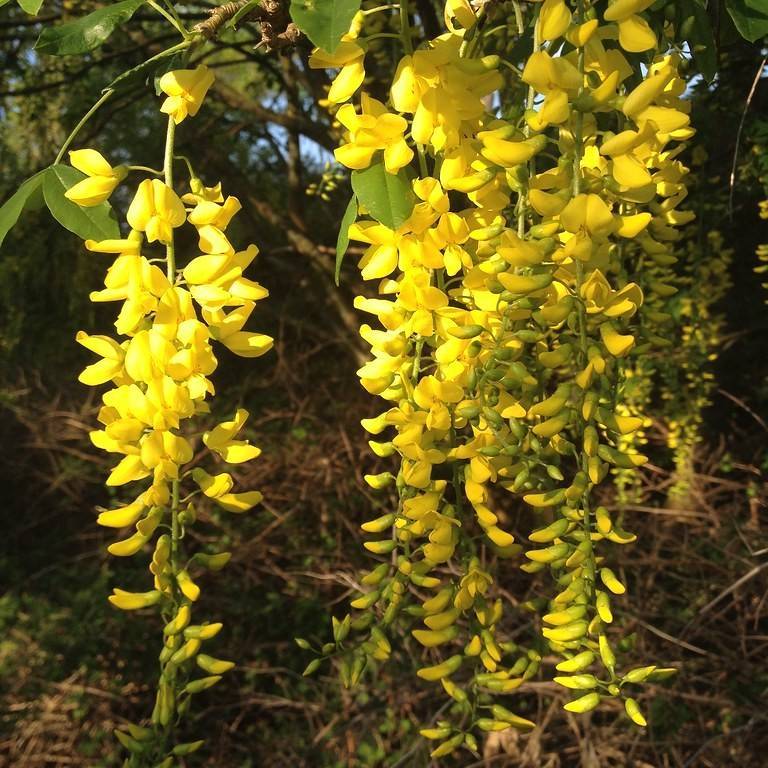
Common Laburnum
Laburnum anagyroides
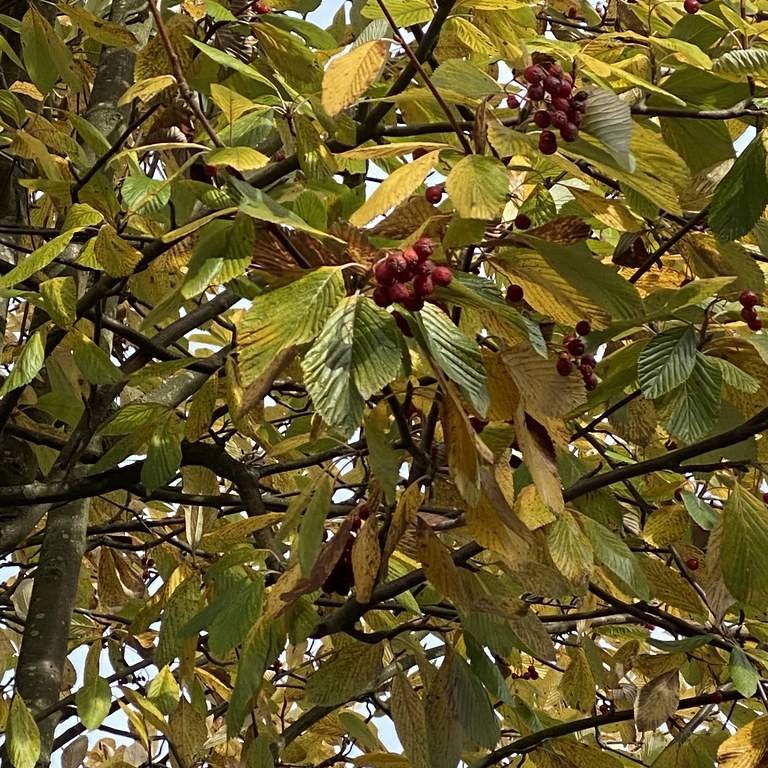
Japanese Flowering Cherry
Prunus serrulata
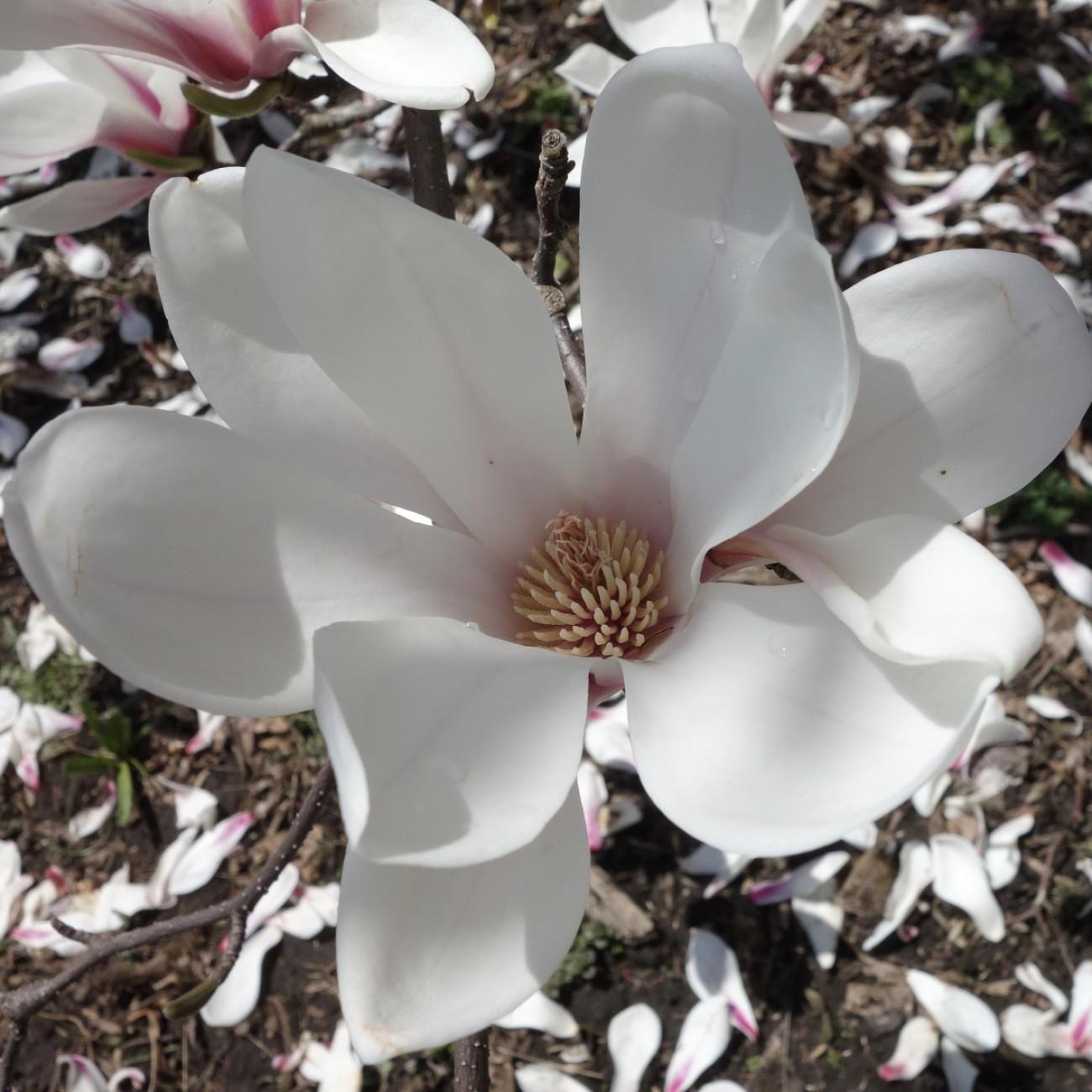
Cylindrical Magnolia
Magnolia cylindrica
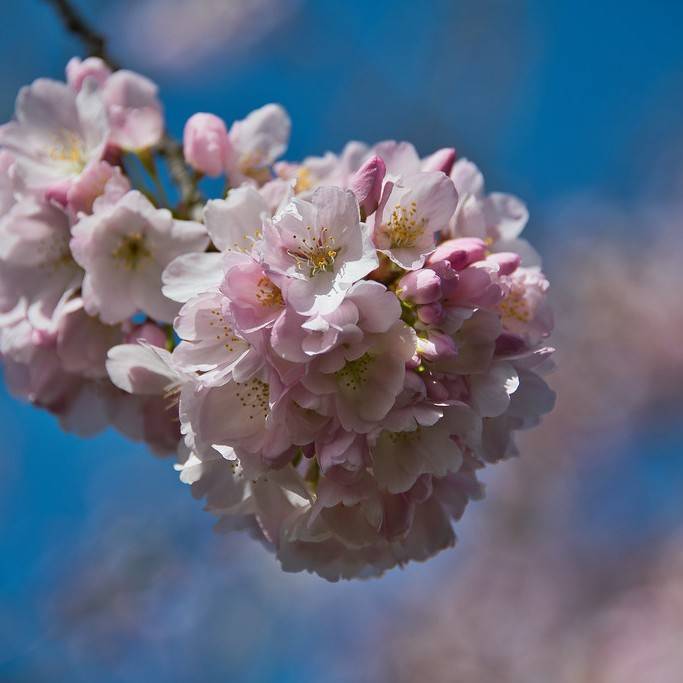
Flowering Cherry
Prunus serrulata
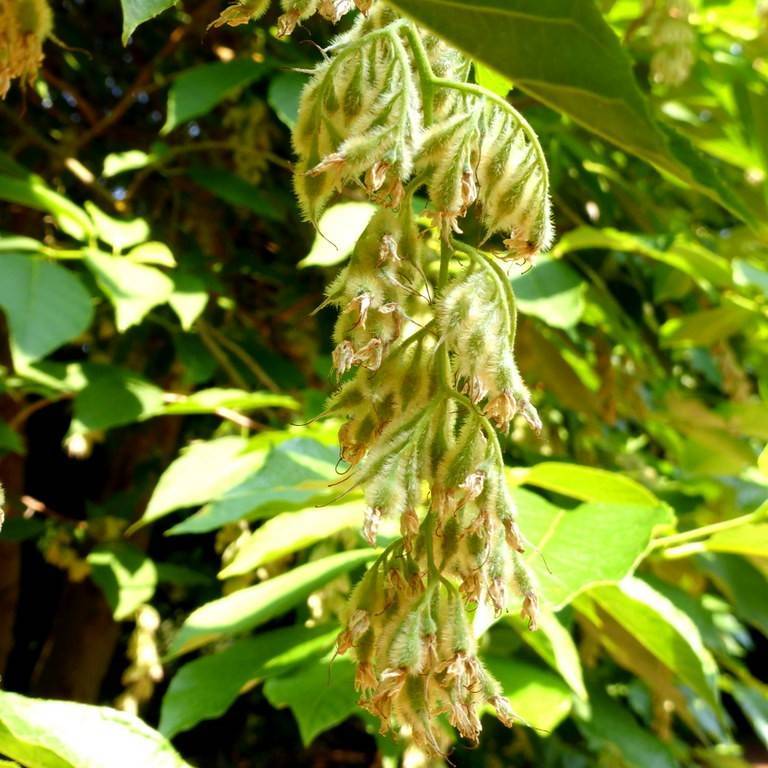
Fragrant Epaulette Tree
Pterostyrax hispidus
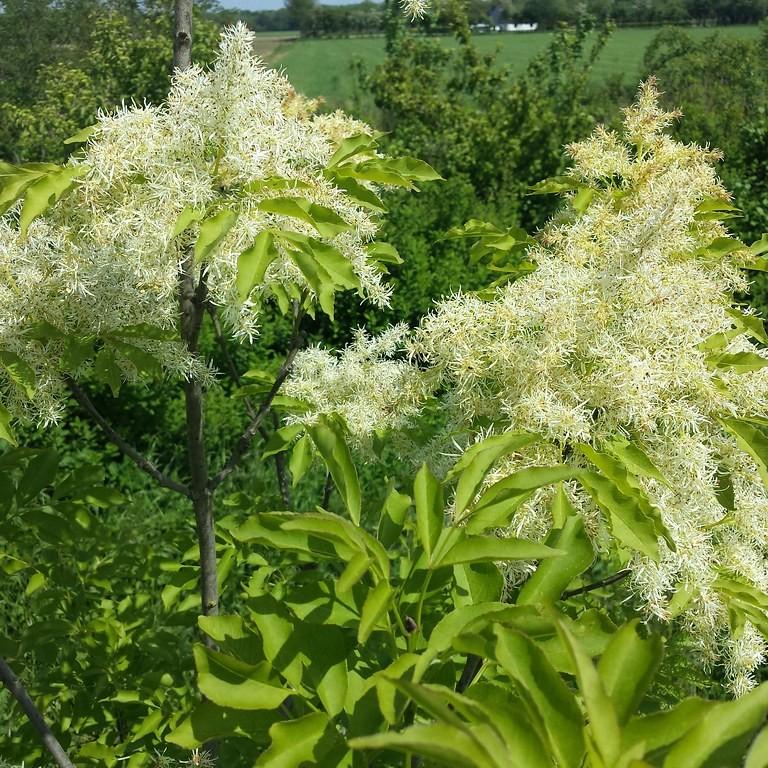
Flowering Ash
Fraxinus ornus
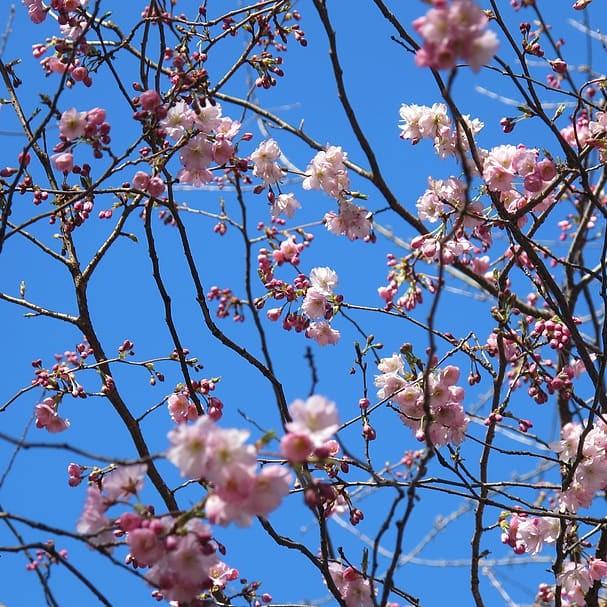
Double Weeping Higan Cherry
Prunus subhirtella 'Pendula Plena'
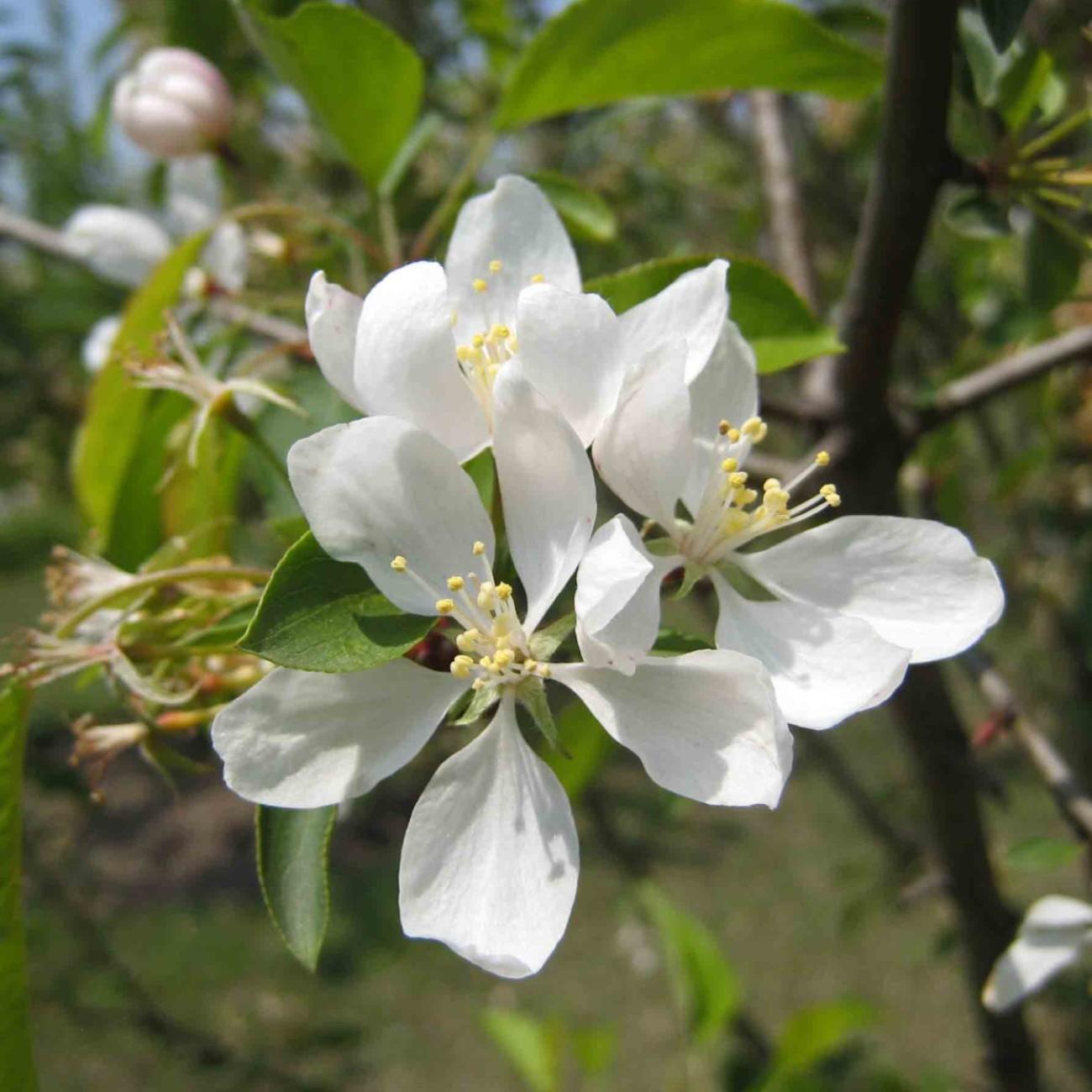
Crabapple
Malus sylvestris, Malus coronaria, and hybrid Malus cultivars