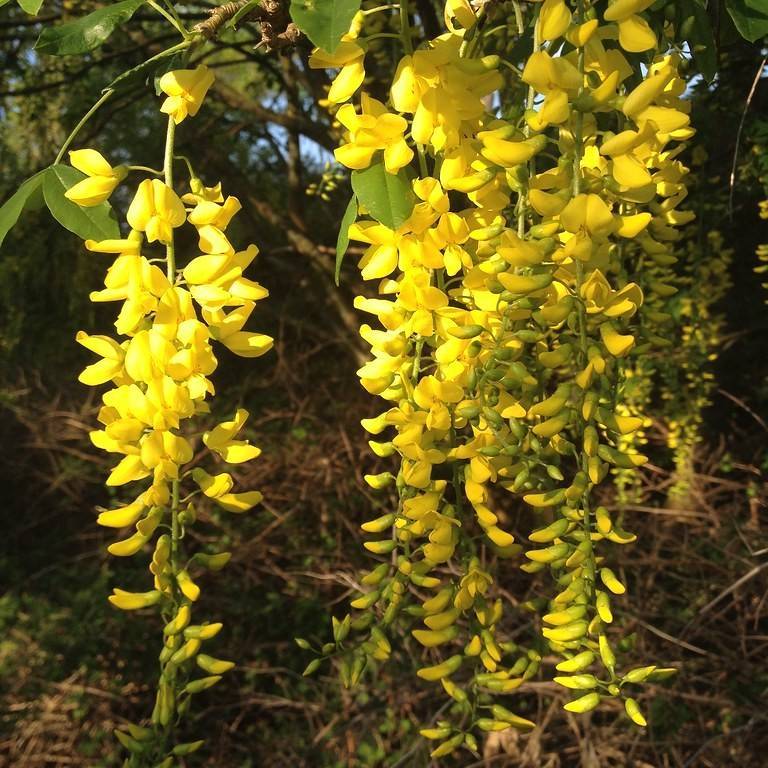
Common Laburnum
Laburnum anagyroides
Overview
Common Laburnum, also called golden chain tree, is a popular ornamental landscape tree prized for its dramatic spring floral display that drapes across its branching structure. It has smooth grey bark, trifoliate dark green leaves, and long, pendulous racemes of fragrant yellow flowers that resemble wisteria blooms. Though widely cultivated for its aesthetic appeal, its high toxicity requires careful placement away from areas frequented by children or grazing animals.
Care Guide
Watering
Water young Common Laburnum trees regularly to keep the soil consistently moist but not waterlogged, as extended saturation can cause root rot. Established trees are moderately drought tolerant, only requiring supplemental watering during prolonged dry spells to prevent leaf drop and stress. Avoid overhead watering around the base of the tree to reduce fungal disease risk.
Light
Plant Common Laburnum in full sun to encourage the most abundant and vibrant floral display, as insufficient light will lead to sparse blooms and leggy growth. It can tolerate light partial shade, especially in regions with extremely hot afternoon sun that may scorch its delicate leaves. Ensure the planting site receives a minimum of 6 hours of direct sunlight daily for optimal performance.
Soil
Common Laburnum thrives in moderately fertile, well-drained soil with a neutral to slightly alkaline pH, though it can adapt to mildly acidic conditions as well. It will not survive in heavy, waterlogged clay soils, so amend heavy planting sites with coarse sand or organic matter to improve drainage before installation. Avoid overly rich soils, as they can promote excessive soft vegetative growth that is prone to winter damage.
Fertilizer
Feed young Common Laburnum trees in early spring with a balanced, slow-release granular fertilizer to support healthy root and foliage development in their first 3 to 5 years of growth. Mature trees generally do not require regular fertilization unless growing in very poor, nutrient-depleted soil, as excessive feeding reduces flowering and increases cold sensitivity. Spread fertilizer evenly around the drip line of the tree, not directly against the trunk, and water thoroughly after application to prevent root burn.
Temperature
Common Laburnum is winter hardy in USDA zones 5 to 7, tolerating minimum winter temperatures as low as -20°F (-29°C) when established. It prefers cool to moderate summer temperatures, and may suffer from leaf scorch and reduced flowering in regions with consistently hot, humid conditions above 90°F (32°C). Young trees should be protected from harsh, drying winter winds in their first few years to prevent branch dieback.
Pruning
Prune Common Laburnum in late summer or early fall, as pruning in winter or spring will cause the tree to bleed sap excessively, weakening the plant and increasing disease risk. Remove dead, damaged, or crossing branches to improve air circulation through the canopy, and shape the tree to maintain its desired structure while preserving flowering wood from the previous season. Avoid heavy pruning, as the tree is slow to heal and over-cutting can leave it vulnerable to fungal infections.
Propagation
Common Laburnum is most commonly propagated from semi-hardwood cuttings taken in mid to late summer, treated with rooting hormone, and placed in a well-drained propagating mix under mist until roots develop. It can also be grown from fresh seed sown in fall, though seed-grown plants may take 5 to 7 years to reach flowering maturity and do not always retain the exact characteristics of the parent plant. Grafting onto hardy rootstock is used for named cultivars to ensure consistent flowering and growth traits.
Humidity
Common Laburnum prefers moderate humidity levels between 40% and 60%, and adapts well to the typical humidity ranges found in its native European growing regions. High humidity combined with poor air circulation can increase the risk of powdery mildew and leaf spot diseases on the foliage. It does not tolerate extremely dry, arid conditions well, so occasional misting may be beneficial for young trees in very dry climates.
Repotting
Common Laburnum is rarely grown in containers long-term, as it develops an extensive taproot and requires ample space to reach its mature size. If grown temporarily in a pot as a young sapling, repot every 2 to 3 years in late winter before new growth emerges, using a well-drained loamy potting mix and a container with adequate drainage holes. Once the tree reaches 4 to 5 feet tall, it should be transplanted to a permanent outdoor location for optimal health.
Uses & Symbolism
Common Laburnum is primarily grown as an ornamental specimen tree in parks, gardens, and formal landscapes, valued for its stunning spring golden floral display that creates a dramatic focal point. Its hard, dense wood is occasionally used for woodturning, crafting small decorative objects, and making musical instruments, as it polishes to a smooth, attractive finish. It is also sometimes trained as an espalier or archway feature in formal garden designs to highlight its cascading flower clusters.
Diseases & Pests
Common Laburnum is susceptible to powdery mildew, a fungal disease that appears as a white powdery coating on leaves during warm, humid conditions with poor air circulation. Leaf spot and root rot can occur if the tree is planted in poorly drained, waterlogged soil, leading to yellowing foliage, premature leaf drop, and eventual plant death if not corrected. Aphids and leaf-mining flies may infest new foliage, causing minor cosmetic damage, though severe infestations can be treated with horticultural oil or insecticidal soap.
Related plants
Other plants you might like if you grow Common Laburnum.
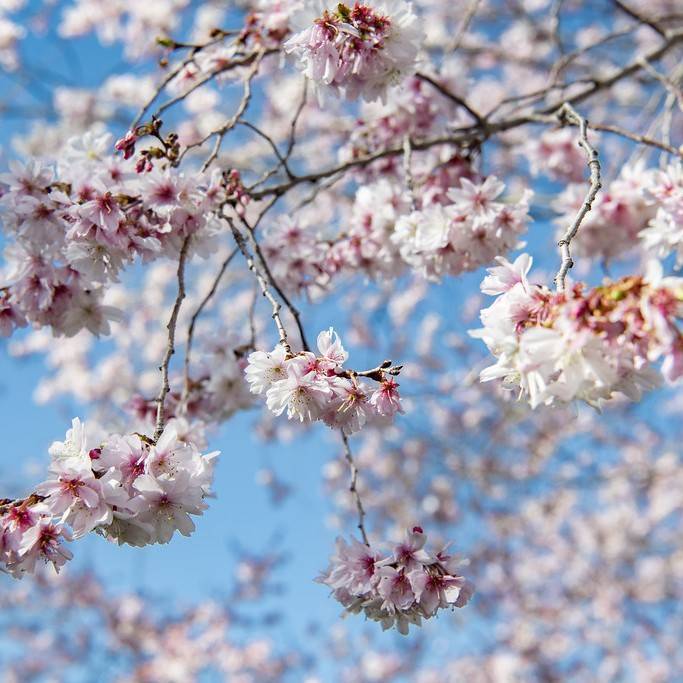
Higan Cherry
Prunus subhirtella
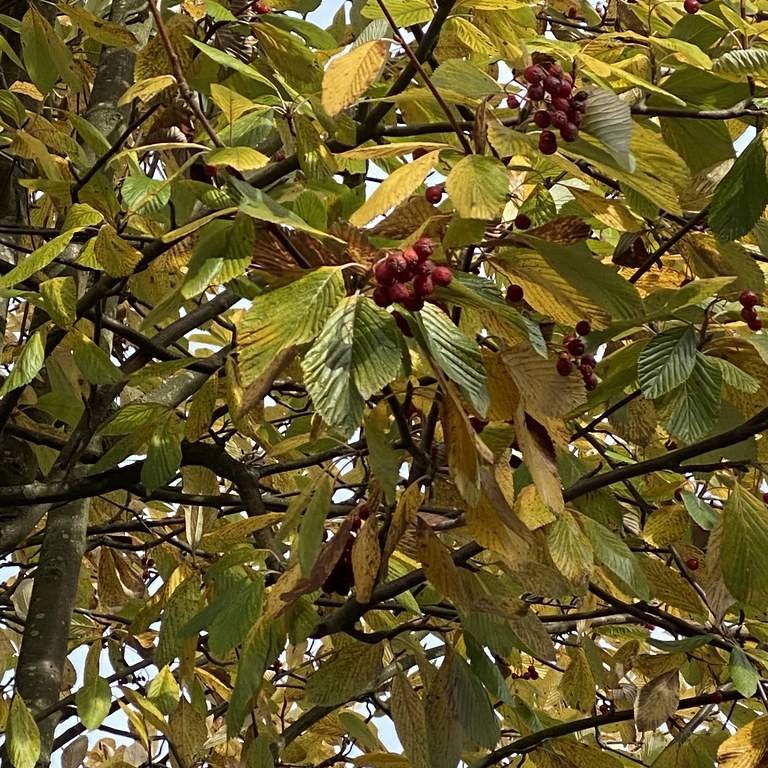
Japanese Flowering Cherry
Prunus serrulata
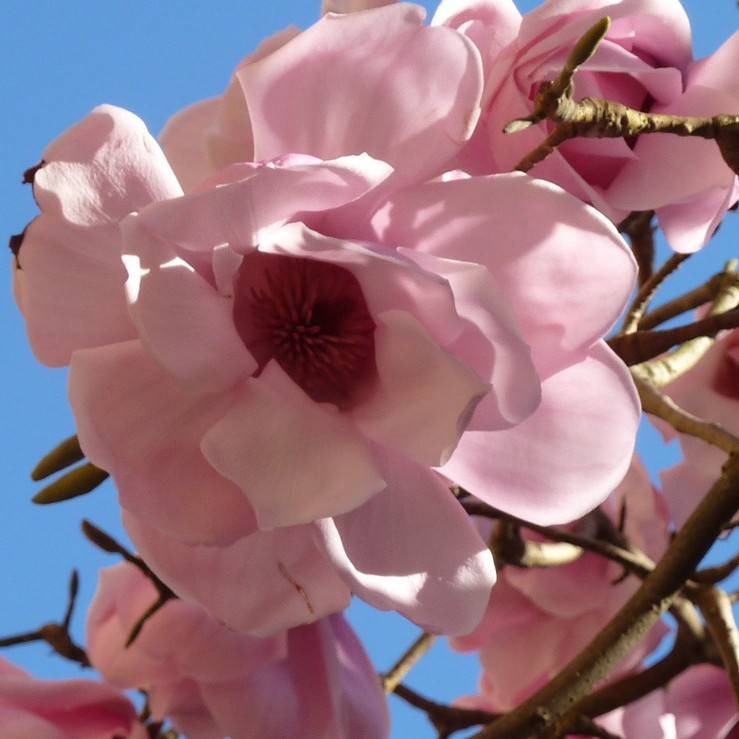
Caerhays Belle Magnolia
Magnolia 'Caerhays Belle'
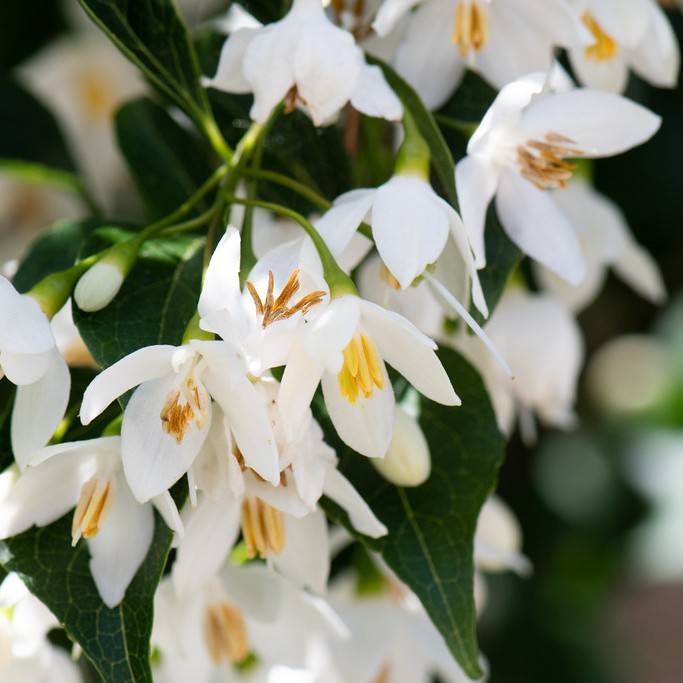
Japanese Snowbell
Styrax japonicus
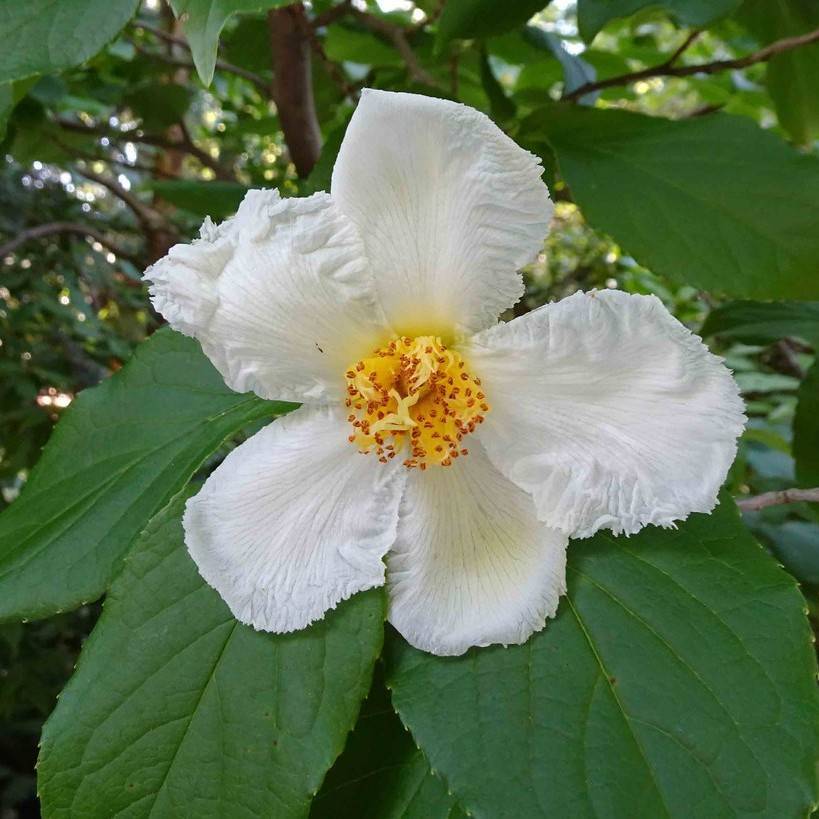
Japanese Stewartia
Stewartia pseudocamellia
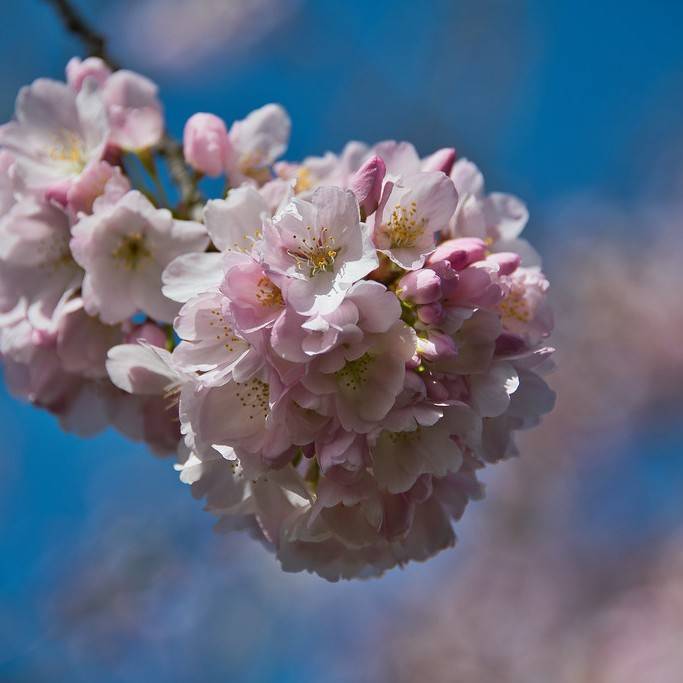
Flowering Cherry
Prunus serrulata
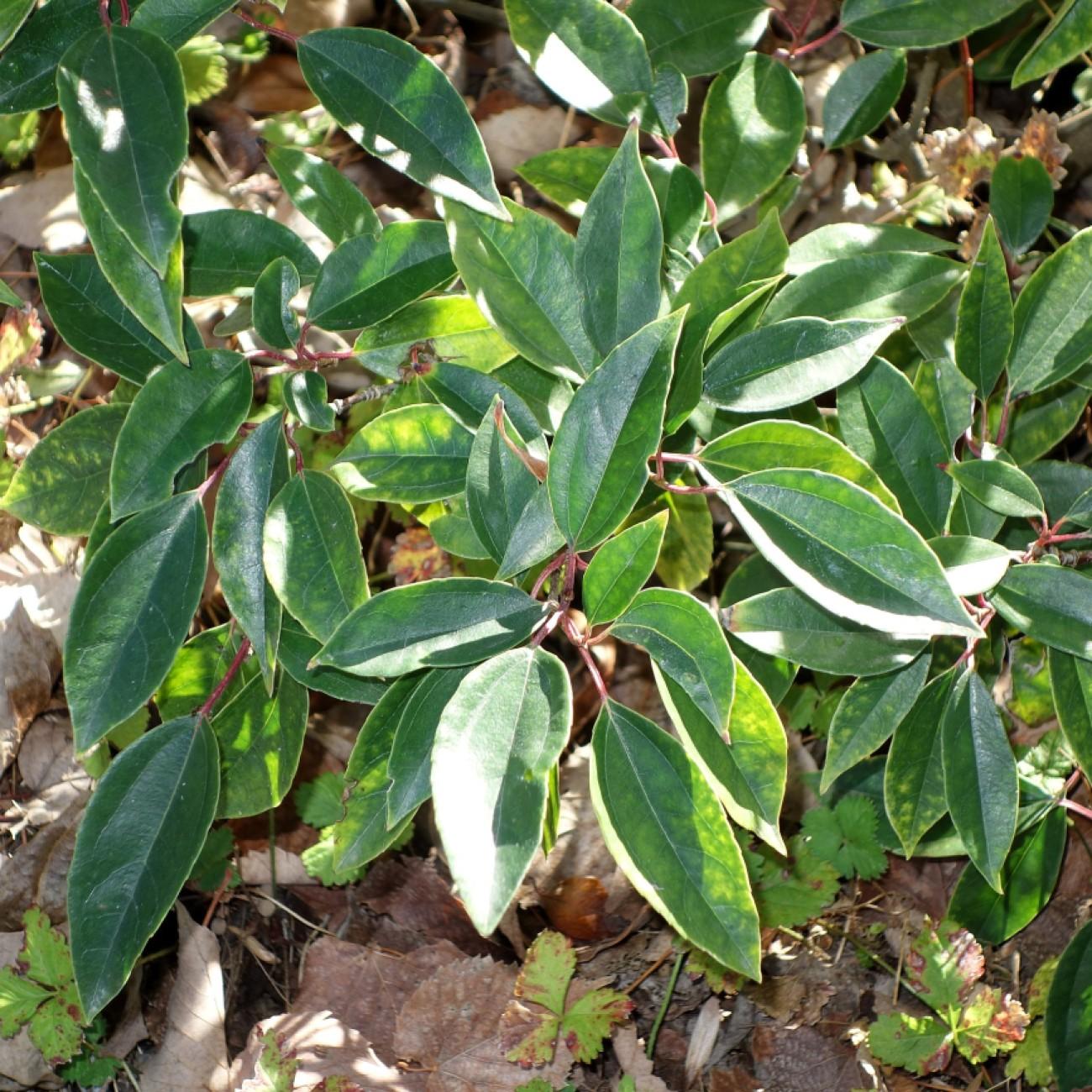
Chinese Viburnum
Viburnum macrocephalum
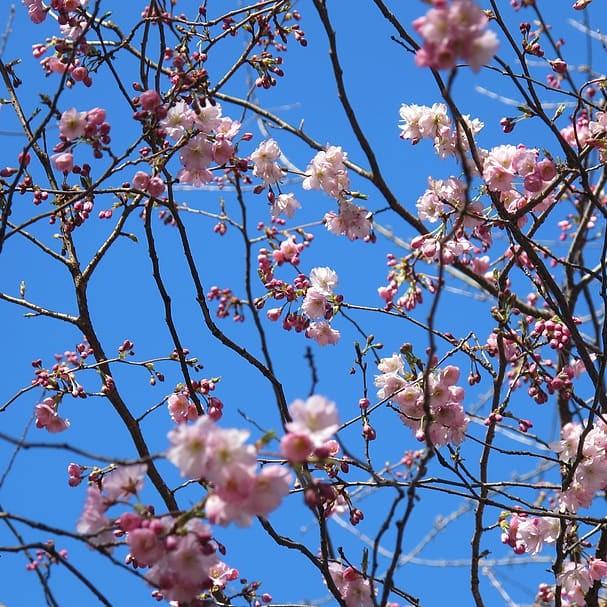
Double Weeping Higan Cherry
Prunus subhirtella 'Pendula Plena'