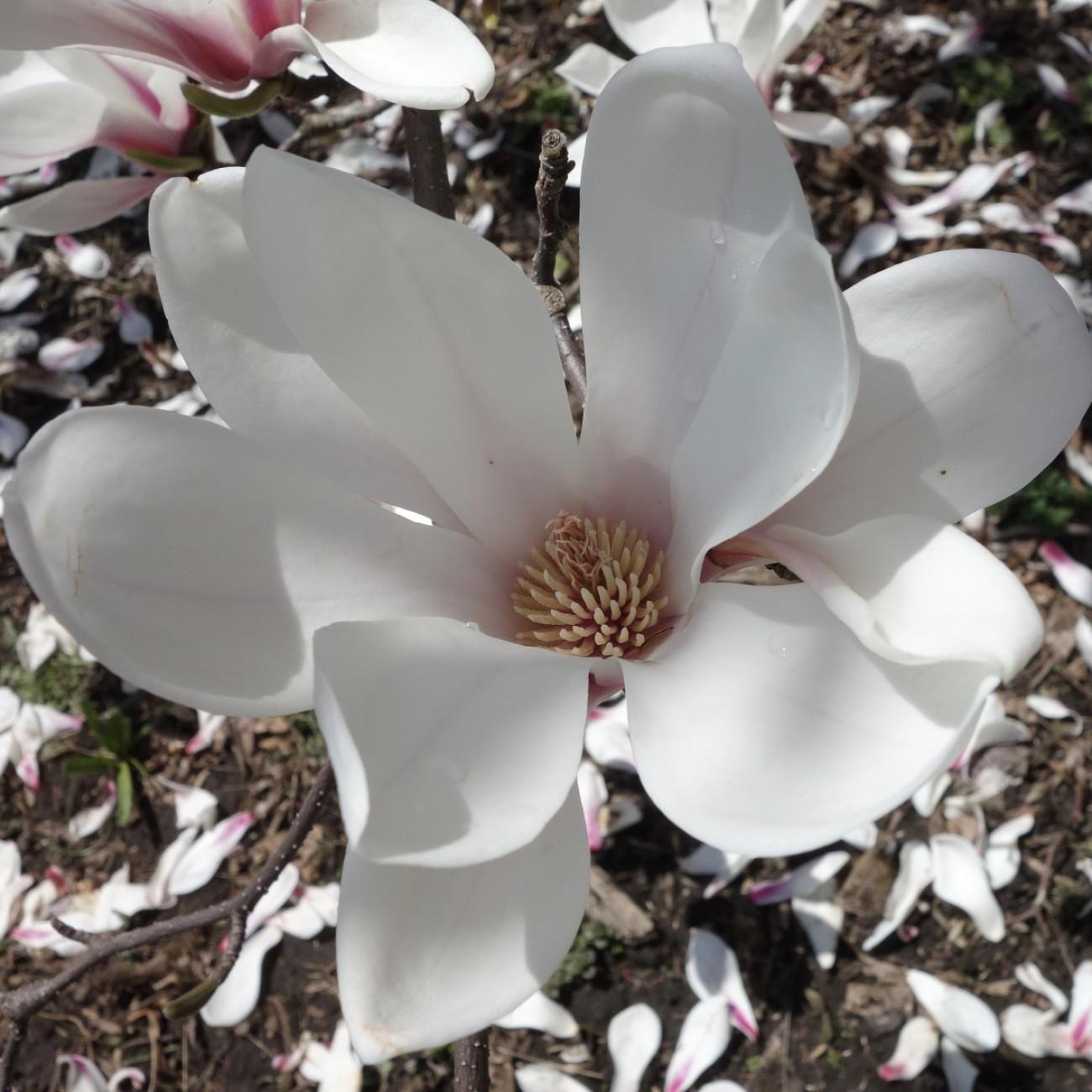
Cylindrical Magnolia
Magnolia cylindrica
Overview
Cylindrical magnolia gets its name from its slender, columnar young growth habit that broadens slightly with maturity, distinguishing it from wider-growing magnolia relatives. It produces fragrant, cup-shaped white flowers with 9 tepals that emerge before leaves in early spring, often with a faint pink blush at the base of each tepal. As a mid-sized deciduous tree, it develops dark green, obovate leaves that turn pale yellow in autumn, adding seasonal interest to landscapes. It is considered a vulnerable species in its native wild habitat due to habitat loss.
Care Guide
Watering
Water cylindrical magnolia regularly during its first 2-3 years of establishment to keep the soil consistently moist but not waterlogged, as soggy roots can lead to rot. Once established, it is moderately drought tolerant, only needing supplemental water during extended periods of hot, dry weather. Reduce watering frequency in late autumn to help the tree harden off before winter dormancy.
Light
Plant cylindrical magnolia in a location that receives full sun to partial shade for best flowering performance, with at least 6 hours of direct sunlight daily recommended. In regions with extremely hot, intense summer sun, it benefits from light afternoon shade to prevent leaf scorch. Avoid heavily shaded positions, as these will reduce flower production and lead to sparse, leggy growth.
Soil
This magnolia thrives in rich, well-drained, slightly acidic to neutral soil with a pH between 5.5 and 7.0, and does not tolerate heavy, compacted clay soils that hold standing water. Amend heavy or poor soils with organic matter such as compost, leaf mold, or well-rotted manure before planting to improve drainage and nutrient content. A thick layer of organic mulch spread over the root zone will help maintain consistent soil moisture and regulate temperature.
Fertilizer
Feed cylindrical magnolia in early spring, before new growth emerges, with a slow-release, balanced fertilizer formulated for acid-loving trees and shrubs to support healthy foliage and abundant flowering. Avoid fertilizing after mid-summer, as this can stimulate tender new growth that will be damaged by early winter frosts. Mature, well-established trees may only need fertilization every 2-3 years, while younger trees benefit from annual light feeding.
Temperature
Cylindrical magnolia is cold hardy in USDA zones 5 through 8, tolerating winter temperatures as low as -20°F (-29°C) once fully established. Young trees may need winter protection, such as burlap wrapping, in the coldest parts of its range to prevent frost damage to young branches. It does not perform well in regions with consistently hot, humid tropical climates, as high temperatures and excess moisture can promote fungal disease.
Pruning
Prune cylindrical magnolia sparingly, only to remove dead, damaged, or crossing branches, as excessive pruning can damage the tree's natural shape and reduce flowering. The best time to prune is immediately after flowering finishes in spring, before the tree sets flower buds for the following year. Avoid pruning in late autumn or winter, as this will remove the dormant flower buds and eliminate spring blooms.
Propagation
Cylindrical magnolia is most commonly propagated from seeds, which require 3-6 months of cold stratification before sowing to break dormancy, though seed-grown trees may take 7-10 years to reach flowering maturity. It can also be propagated via softwood cuttings taken in early summer, treated with rooting hormone, and kept in a humid, shaded environment until roots develop, though cuttings have a relatively low success rate. Grafting onto hardy magnolia rootstock is the preferred method for commercial propagation to ensure consistent growth habits and early flowering.
Humidity
This species prefers moderate ambient humidity levels between 40% and 60%, typical of its native temperate forest habitat. It can tolerate average household humidity if grown in a large container indoors, but will not thrive in extremely dry air conditions. In very dry regions, occasional misting of the foliage during hot summer months can help prevent leaf tip burn, though it is not required for established outdoor trees.
Repotting
If grown as a container plant, repot cylindrical magnolia every 2-3 years in early spring before new growth begins, using a slightly larger pot with ample drainage holes. Use a high-quality, acidic potting mix formulated for woody shrubs and trees, and avoid disturbing the root ball more than necessary to prevent transplant shock. Once the tree reaches its desired container size, top-dress with fresh compost annually instead of repotting to replenish soil nutrients.
Uses & Symbolism
Cylindrical magnolia is primarily grown as an ornamental landscape tree for its elegant upright shape, fragrant spring flowers, and low maintenance requirements, making it ideal for small gardens, street plantings, or as a specimen tree. Its flowers are sometimes harvested for use in cut floral arrangements, as they hold their shape well when cut just before they fully open. In traditional Chinese medicine, bark extracts from related magnolia species have been used for medicinal purposes, though M. cylindrica is rarely cultivated for this use.
Diseases & Pests
Cylindrical magnolia is relatively resistant to most pests and diseases, but can be susceptible to scale insects, aphids, and magnolia leafminer, which can be controlled with horticultural oil or insecticidal soap if infestations are severe. Fungal diseases such as powdery mildew, leaf spot, and verticillium wilt can occur in overly wet, poorly drained soil or in conditions of high humidity with poor air circulation. Root rot is a common issue in heavy, waterlogged soil, so proper site selection with good drainage is critical to prevent this fatal condition.
Related plants
Other plants you might like if you grow Cylindrical Magnolia.
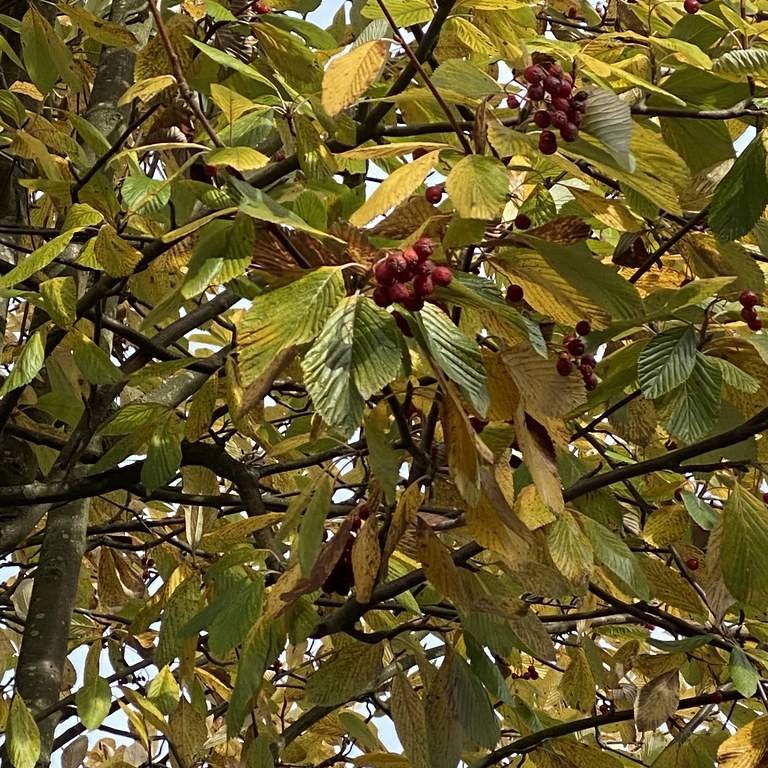
Japanese Flowering Cherry
Prunus serrulata
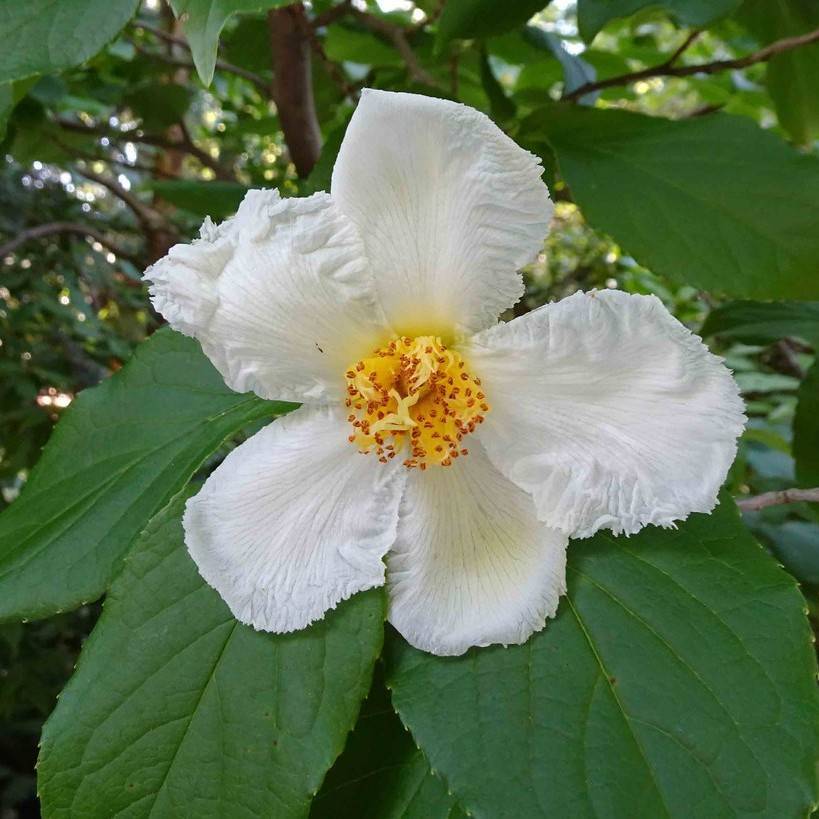
Japanese Stewartia
Stewartia pseudocamellia
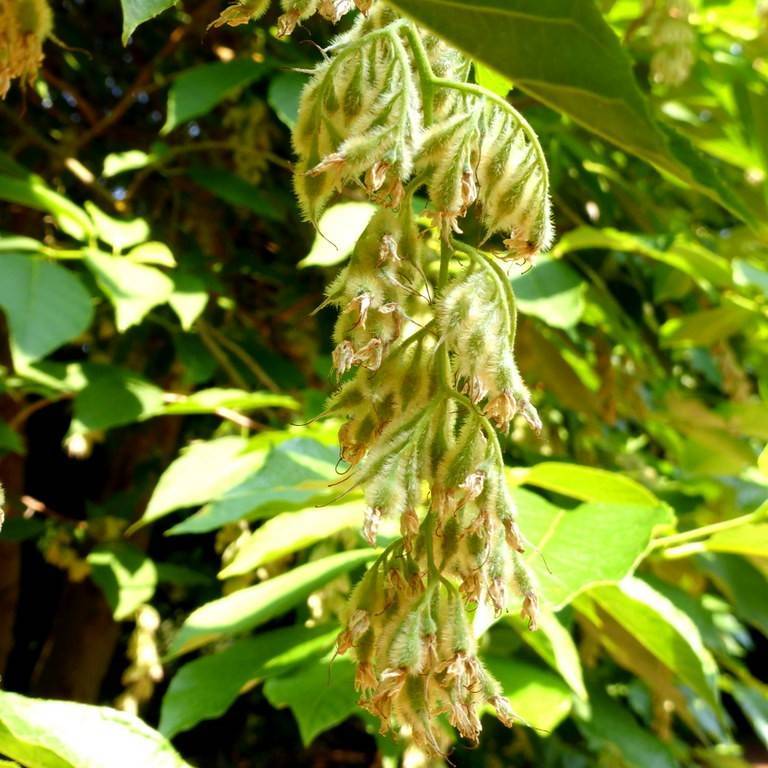
Fragrant Epaulette Tree
Pterostyrax hispidus
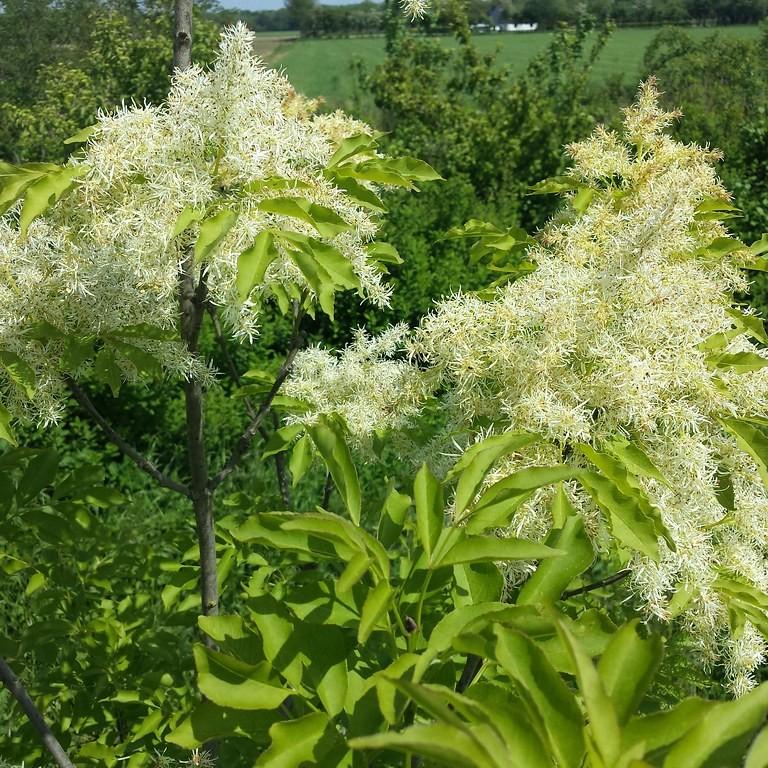
Flowering Ash
Fraxinus ornus
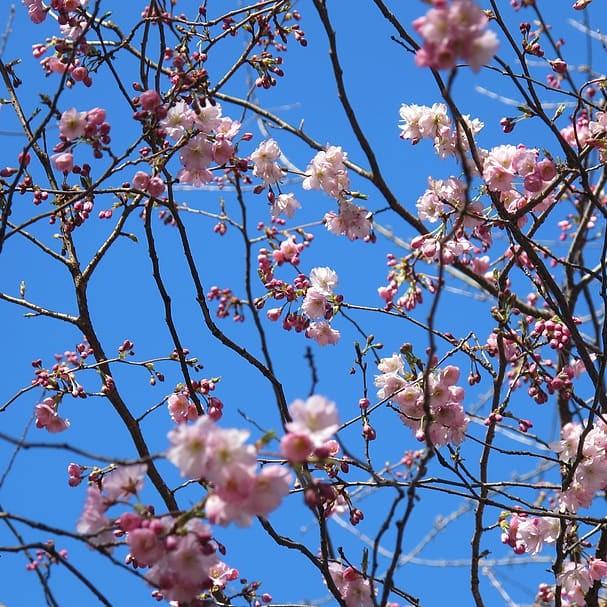
Double Weeping Higan Cherry
Prunus subhirtella 'Pendula Plena'
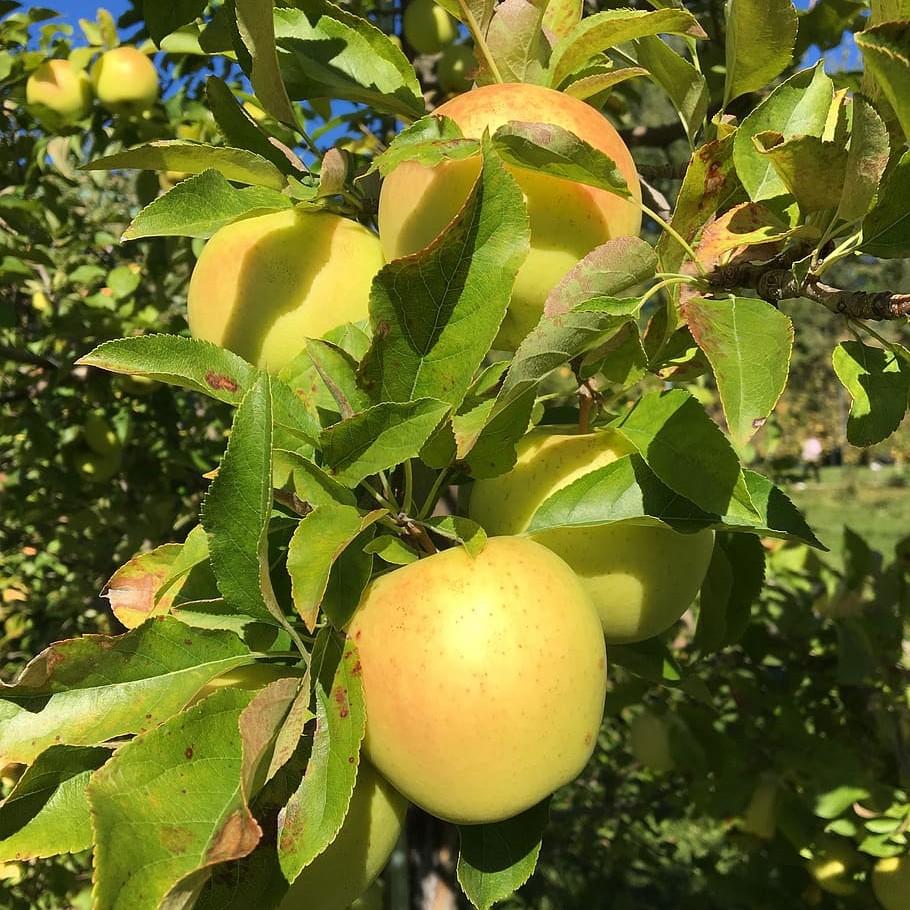
Flowering Crabapple
Malus spp. (ornamental cultivars)
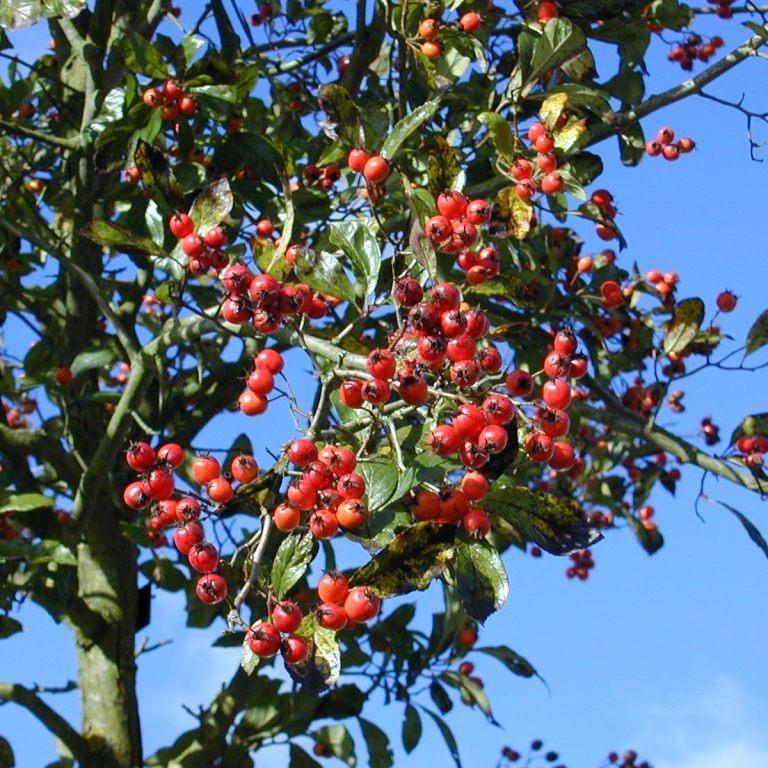
Lavalle Hawthorn
Crataegus × lavallei
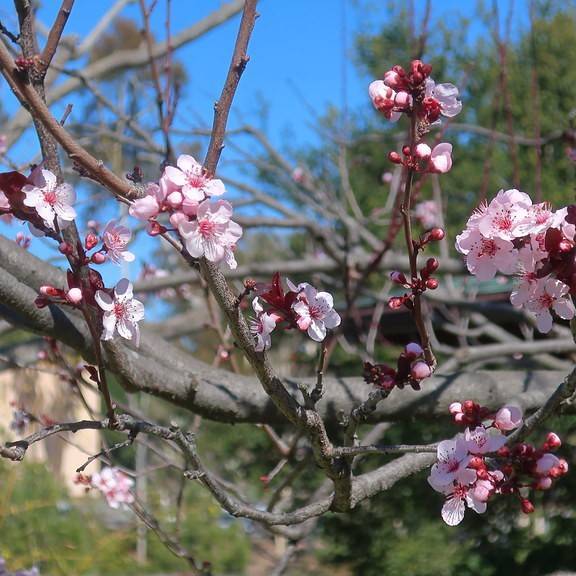
Cherry Plum
Prunus cerasifera