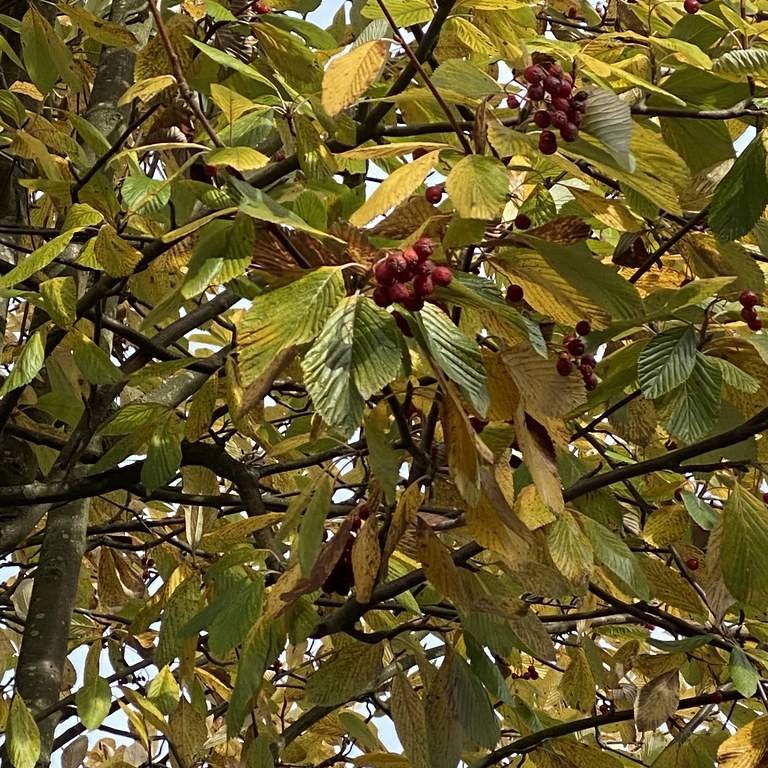
Japanese Flowering Cherry
Prunus serrulata
Overview
Japanese Flowering Cherry, also called sakura, is a iconic deciduous tree celebrated globally for its ephemeral, showy spring bloom. Most cultivated varieties produce little to no edible fruit, focusing energy on abundant, often fragrant blossoms that blanket bare branches before new foliage emerges. In fall, its serrated, oval leaves turn warm shades of bronze, red, and orange, adding seasonal interest beyond its spring display.
Care Guide
Watering
Water newly planted trees deeply once or twice weekly for the first two years to establish a strong root system, keeping soil consistently moist but not waterlogged. Mature trees are moderately drought tolerant, requiring supplemental watering only during extended dry periods to prevent stress and bloom reduction. Avoid overhead watering near the trunk to minimize fungal disease risk.
Light
Plant in full sun, receiving at least 6 hours of direct unfiltered sunlight daily, to maximize flower production and maintain a healthy, dense canopy. Partial shade is tolerated but will result in fewer blossoms and a more open, sparse growth habit. Ensure the planting site is free of overhead obstructions that block sunlight during the spring bloom period.
Soil
Prefers well-drained, loamy, slightly acidic to neutral soil with a pH between 5.5 and 7.0, and will not thrive in heavy, compacted clay that holds standing water. Amend heavy soils with compost or well-rotted manure before planting to improve drainage and nutrient content. Mulch annually with 2-3 inches of organic mulch around the base to retain moisture, regulate soil temperature, and suppress weeds, keeping mulch 6 inches away from the trunk to prevent rot.
Fertilizer
Feed young trees in early spring before new growth emerges with a balanced, slow-release 10-10-10 fertilizer formulated for woody ornamental trees to support healthy foliage and root development. Mature, well-established trees only require fertilization every 2-3 years, as over-fertilization can lead to excessive weak growth and increased susceptibility to pests. Avoid fertilizing after mid-summer, as this can stimulate tender new growth that will be damaged by early fall frosts.
Temperature
Thrives in temperate climates with cold winter dormancy, growing best in USDA hardiness zones 5 through 8, where winter temperatures drop between -20°F (-29°C) and 20°F (-7°C) to satisfy chilling requirements for bloom. Extreme summer heat above 90°F (32°C) can cause leaf scorch if the tree is not provided with adequate moisture. Late spring frosts can damage developing flower buds, so plant in a site sheltered from cold, late-season winds if possible.
Pruning
Prune immediately after flowering finishes in spring to avoid removing next year’s flower buds, which form on old wood from the previous growing season. Remove dead, damaged, or crossing branches to improve air circulation through the canopy, reduce fungal disease risk, and maintain a balanced, attractive shape. Avoid heavy pruning, as Japanese Flowering Cherry is slow to heal from large cuts, which can create entry points for pests and decay.
Propagation
Most named cultivars are propagated via softwood cuttings taken in early summer, dipped in rooting hormone, and placed in a moist, well-drained propagation medium under high humidity until roots develop. Grafting onto compatible Prunus rootstock is the most common commercial propagation method to ensure consistent flower characteristics and disease resistance. Growing from seed is not recommended for named varieties, as seedlings will not retain the exact traits of the parent plant and may take many years to bloom.
Humidity
Adaptable to a wide range of humidity levels, thriving in the moderate humidity typical of temperate growing regions. Very high humidity combined with poor air circulation can increase the risk of fungal diseases like powdery mildew and leaf spot, so ensure adequate space between trees for airflow. Low humidity is generally well tolerated, though extended dry periods may require extra watering to prevent leaf drop.
Repotting
Japanese Flowering Cherry is rarely grown in containers long-term, as it develops an extensive root system and requires outdoor planting to reach mature size. If growing a young sapling in a pot, repot every 1-2 years in early spring before new growth starts, using a slightly larger container with well-drained potting mix formulated for woody plants. Once the tree outgrows container culture, transplant it to a permanent outdoor location during its dormant period in late fall or early winter for best survival rates.
Uses & Symbolism
Primarily planted as a high-value ornamental specimen tree in parks, residential yards, and along streets for its stunning spring bloom display, which draws crowds to annual cherry blossom festivals around the world. Its small, dark purple fruits that appear after bloom are not edible for humans but provide a food source for songbirds and small wildlife. In Japanese culture, sakura blossoms are a symbol of the fleeting nature of life, and are used in traditional teas, desserts, and cultural ceremonies.
Diseases & Pests
Japanese Flowering Cherry is susceptible to a range of fungal diseases, including cherry leaf spot, powdery mildew, black knot, and brown rot, which can cause leaf drop, damaged blossoms, and branch dieback if left untreated. Common pests include aphids, scale insects, Japanese beetles, and tent caterpillars, which feed on foliage and can defoliate weakened trees if populations are high. Bacterial canker and verticillium wilt are more serious, often fatal diseases that enter through pruning cuts or root damage, so proper site selection and care are critical to minimize risk.
Related plants
Other plants you might like if you grow Japanese Flowering Cherry.
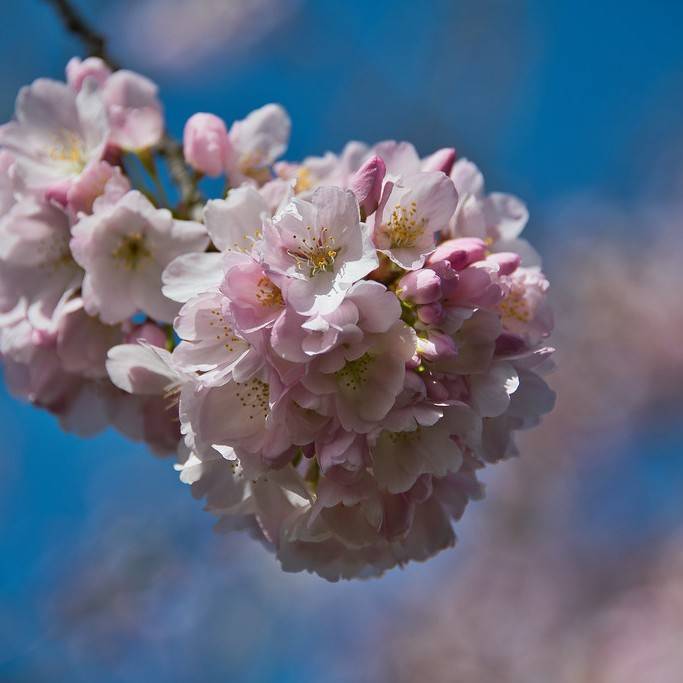
Flowering Cherry
Prunus serrulata
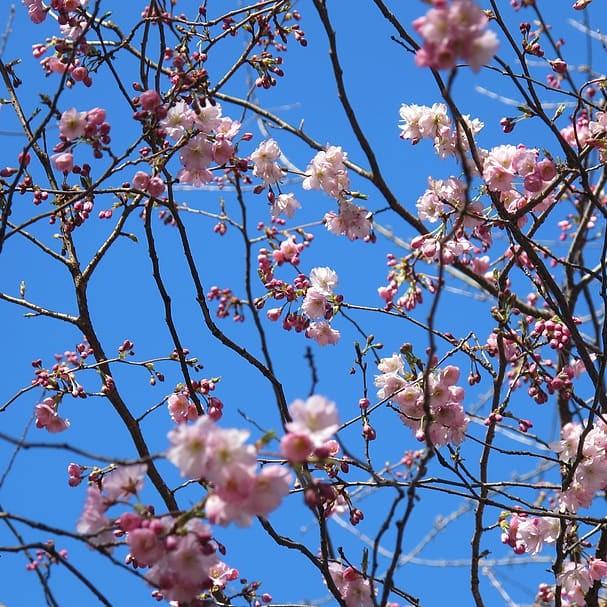
Double Weeping Higan Cherry
Prunus subhirtella 'Pendula Plena'
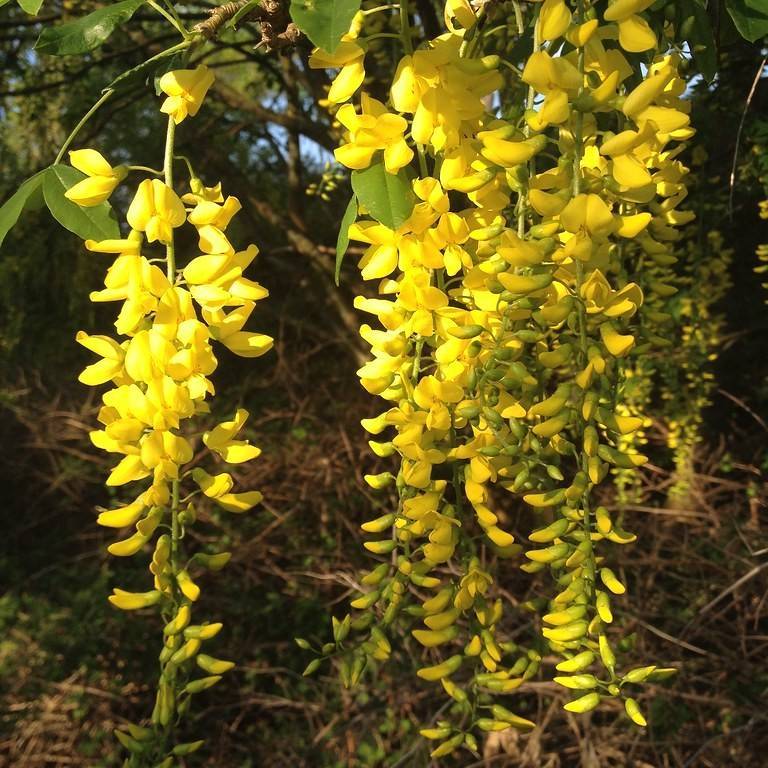
Common Laburnum
Laburnum anagyroides
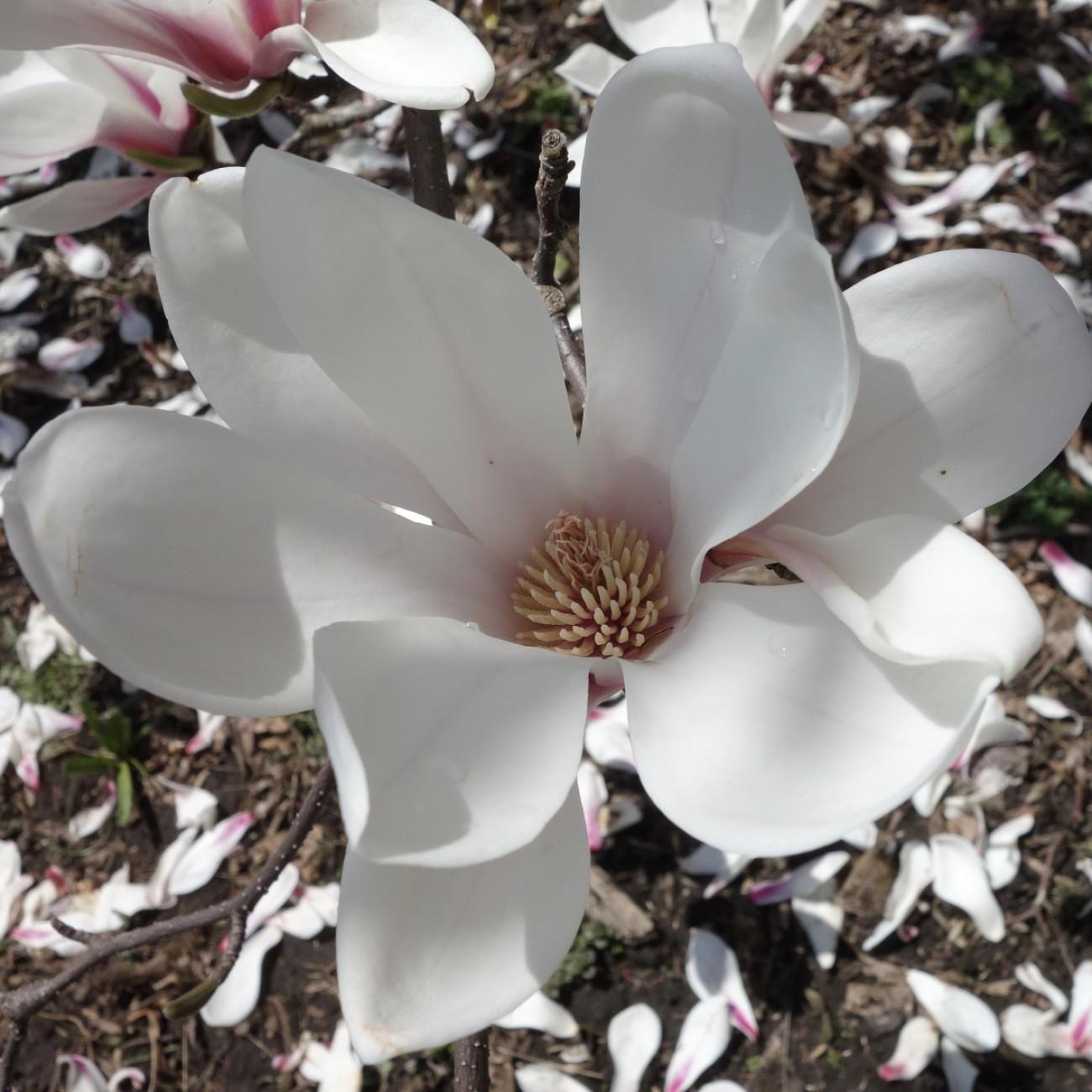
Cylindrical Magnolia
Magnolia cylindrica
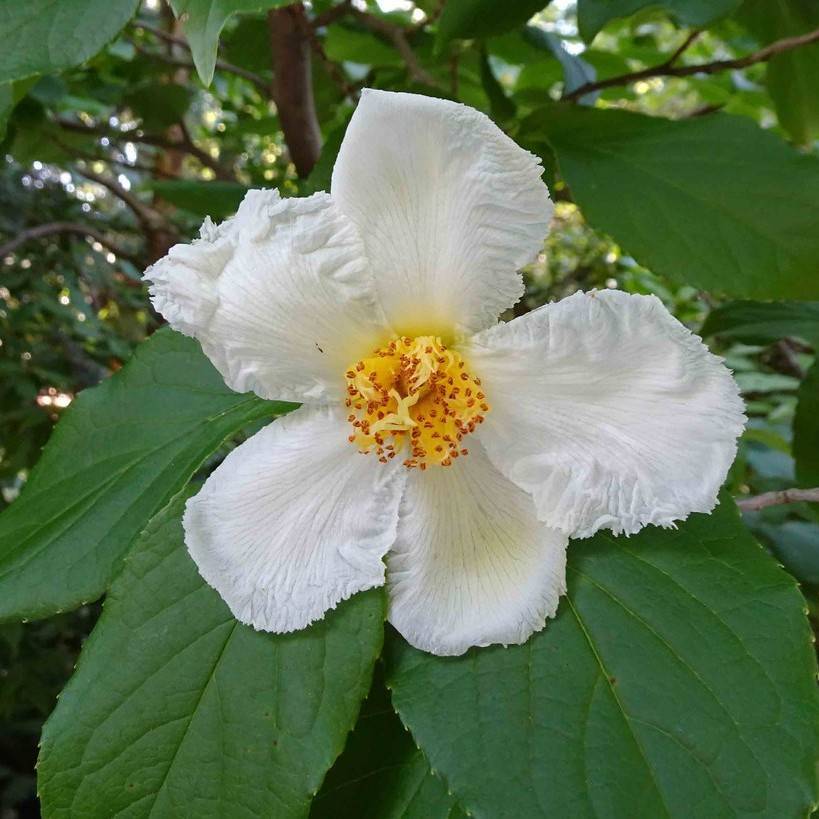
Japanese Stewartia
Stewartia pseudocamellia
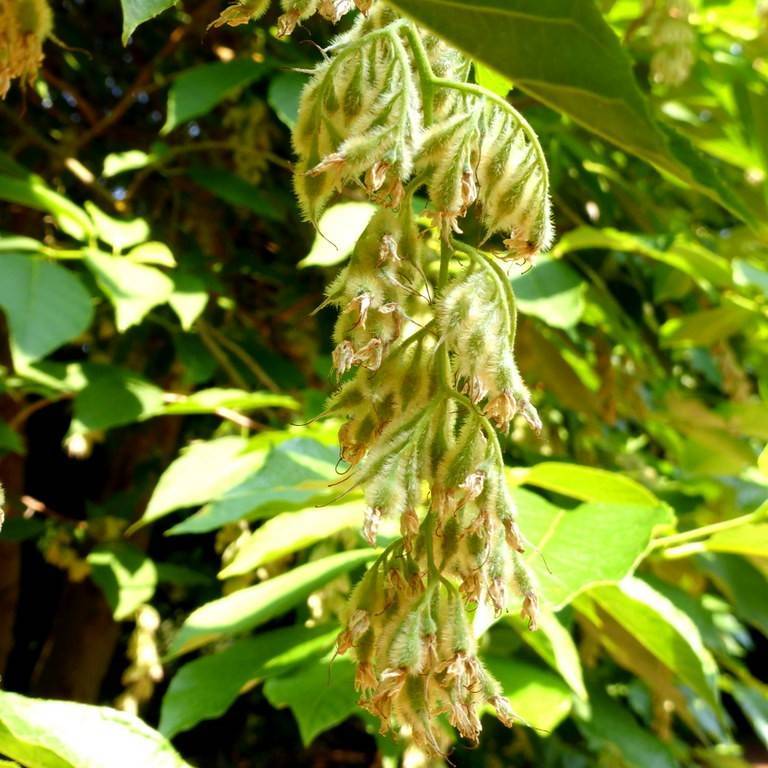
Fragrant Epaulette Tree
Pterostyrax hispidus
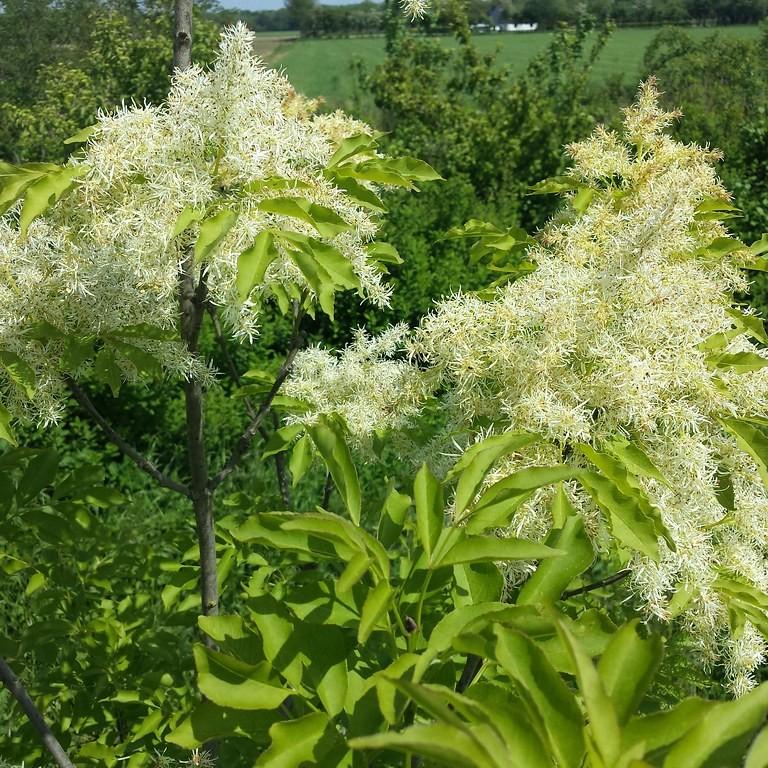
Flowering Ash
Fraxinus ornus
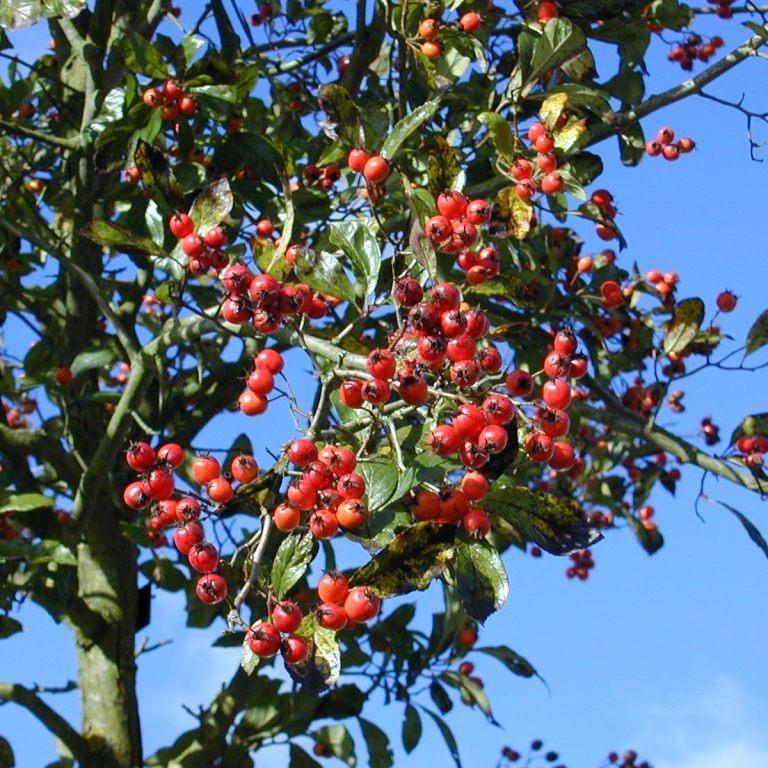
Lavalle Hawthorn
Crataegus × lavallei