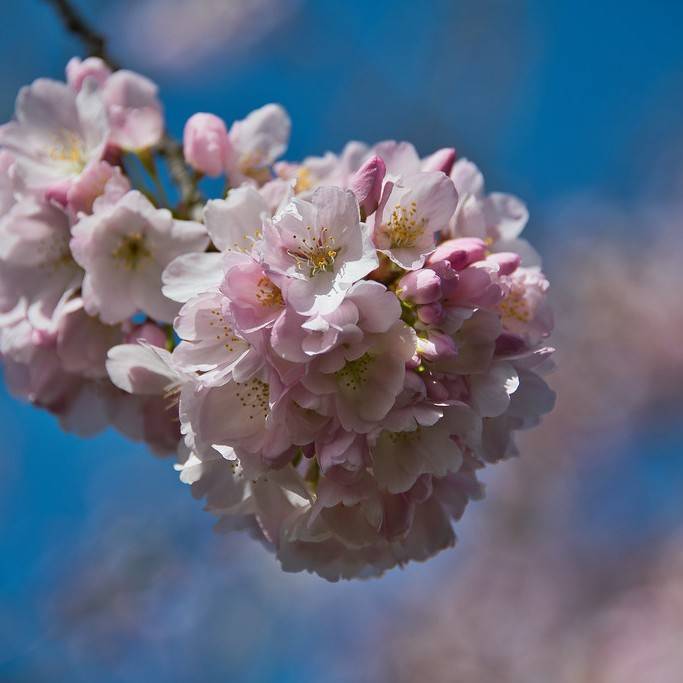
Flowering Cherry
Prunus serrulata
Overview
Flowering cherry, also called Japanese cherry or sakura, is a iconic ornamental tree celebrated globally for its ephemeral spring floral display. Most cultivated varieties are sterile, producing little to no fruit, directing all energy into their abundant, often fragrant blossoms. In its native range, it is deeply culturally significant, symbolizing renewal and the transient nature of life in Japanese tradition. Mature trees develop a graceful, rounded or spreading canopy with serrated, glossy green leaves that turn warm shades of yellow, orange, and bronze in autumn.
Care Guide
Watering
Water young flowering cherry trees deeply once or twice per week during their first 2-3 years of establishment to encourage a robust root system, ensuring soil remains evenly moist but never waterlogged. Mature trees are moderately drought tolerant, requiring supplemental watering only during extended periods of high heat or no rainfall, ideally applied at the base to avoid wetting foliage. Reduce watering frequency in late autumn to help the tree harden off before winter dormancy.
Light
Flowering cherry trees require full sun, defined as a minimum of 6 hours of direct, unfiltered sunlight per day, to produce the most abundant and vibrant floral display. Partial shade may be tolerated in very hot, arid climates, but too much shade will reduce bloom count, encourage leggy growth, and increase susceptibility to fungal diseases. Plant in an open, unobstructed location away from tall buildings or large trees that may block sunlight during peak growing hours.
Soil
These trees thrive in fertile, well-drained loam soil with a slightly acidic to neutral pH range of 5.5 to 7.0, though they can adapt to most soil types except heavy, waterlogged clay. Improve poor draining soil by mixing in compost, aged bark, or perlite at planting time to reduce the risk of root rot, which is a common killer of flowering cherries. Avoid amending the planting hole with overly rich, nitrogen-heavy materials that can cause excessive, weak vegetative growth at the expense of blooms.
Fertilizer
Apply a balanced, slow-release granular fertilizer with an NPK ratio of 10-10-10 in early spring, just before new growth and flower buds emerge, spreading it evenly across the root zone under the tree canopy and watering thoroughly to activate it. Avoid high-nitrogen fertilizers, as they will promote excessive leaf growth and reduce flowering. Mature, well-established trees may only require fertilization once every 2-3 years if growth is slow or foliage appears pale.
Temperature
Flowering cherry trees grow best in temperate climates with cool winters, suited to USDA hardiness zones 5 through 8, where they require a period of winter chill between 32 and 45°F (0 to 7°C) to break dormancy and produce blooms the following spring. They can tolerate short dips as low as -10°F (-23°C) when dormant, but late spring frosts can damage emerging flower buds, resulting in reduced bloom that season. In warmer zones above 8, insufficient winter chill will lead to sparse flowering and stunted growth.
Pruning
Prune flowering cherry trees immediately after they finish blooming in spring, before the next year’s flower buds begin to form in late summer, to avoid removing future blooms. Remove dead, damaged, diseased, or crossing branches to improve air circulation through the canopy, which reduces fungal disease risk, and thin out crowded growth to maintain the tree’s natural graceful shape. Avoid heavy pruning, as this can stimulate excessive, weak sucker growth and make the tree more vulnerable to pests and pathogens; never remove more than 25% of the canopy in a single year.
Propagation
Most named flowering cherry cultivars are propagated by grafting onto hardy, disease-resistant Prunus rootstock to preserve specific bloom characteristics, growth habit, and cold hardiness, as seed-grown specimens will not come true to the parent plant. Softwood cuttings taken in early summer, treated with rooting hormone, and kept in a humid, well-lit propagation environment can root successfully, though they often have a lower survival rate and slower establishment than grafted trees. Suckers that grow from the root base of grafted trees should be removed promptly, as they are from the rootstock and will not produce the desired flowering characteristics if left to grow.
Humidity
Flowering cherry trees prefer moderate ambient humidity levels between 40% and 60%, which supports healthy foliage and bloom development without encouraging fungal growth. High humidity combined with poor air circulation increases the risk of powdery mildew, leaf spot, and other common fungal diseases, so ensure the tree has plenty of space around its canopy for air flow. Very low, dry humidity, common in arid climates, may cause leaf scorch during hot summer months, which can be mitigated with occasional deep watering and mulching around the root zone to retain soil moisture.
Repotting
Flowering cherry trees grown in containers should be repotted every 2-3 years in late winter while dormant, before new buds swell, using a slightly larger pot with ample drainage holes to prevent waterlogging. Use a well-draining, loamy potting mix amended with compost and perlite to ensure proper drainage, and gently loosen any compacted or circling roots before repotting to encourage healthy outward growth. After repotting, water thoroughly and place the container in a sheltered, partially shaded location for 1-2 weeks to allow the tree to acclimate before moving it back to full sun.
Uses & Symbolism
Flowering cherry trees are most widely planted as ornamental specimens in residential landscapes, public parks, and streetscapes, where their spring bloom display draws crowds and seasonal interest. In their native Japan, they are the center of traditional hanami (flower viewing) festivals, where communities gather to picnic under blooming canopies. Small, dwarf cultivars are also grown in large containers or as bonsai specimens for patio and indoor ornamental use, though they require a period of winter dormancy to thrive.
Diseases & Pests
Flowering cherry trees are highly susceptible to a range of fungal diseases, including powdery mildew, leaf spot, black knot, and silver leaf, which thrive in wet, humid conditions with poor air circulation, and can be prevented by avoiding overhead watering and pruning to open up the canopy. Common pests include aphids, scale insects, Japanese beetles, and tent caterpillars, which feed on foliage and can cause significant defoliation if left untreated; minor infestations can be removed with horticultural oil or insecticidal soap, while severe cases may require targeted pesticide application. Root rot is a fatal condition caused by overly saturated, poorly draining soil, which can be avoided by planting in well-drained locations and never overwatering, especially during dormant periods.
Related plants
Other plants you might like if you grow Flowering Cherry.
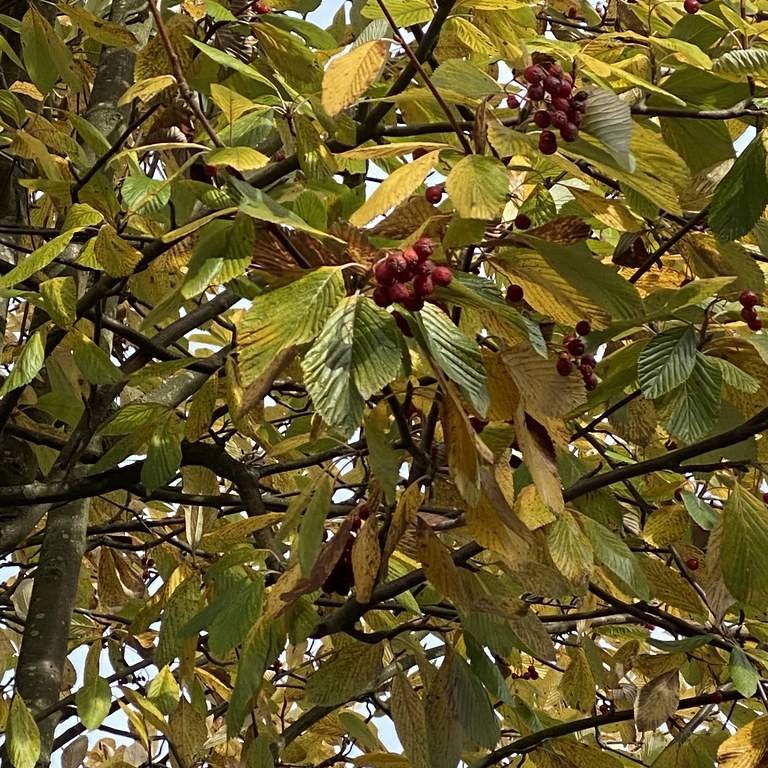
Japanese Flowering Cherry
Prunus serrulata
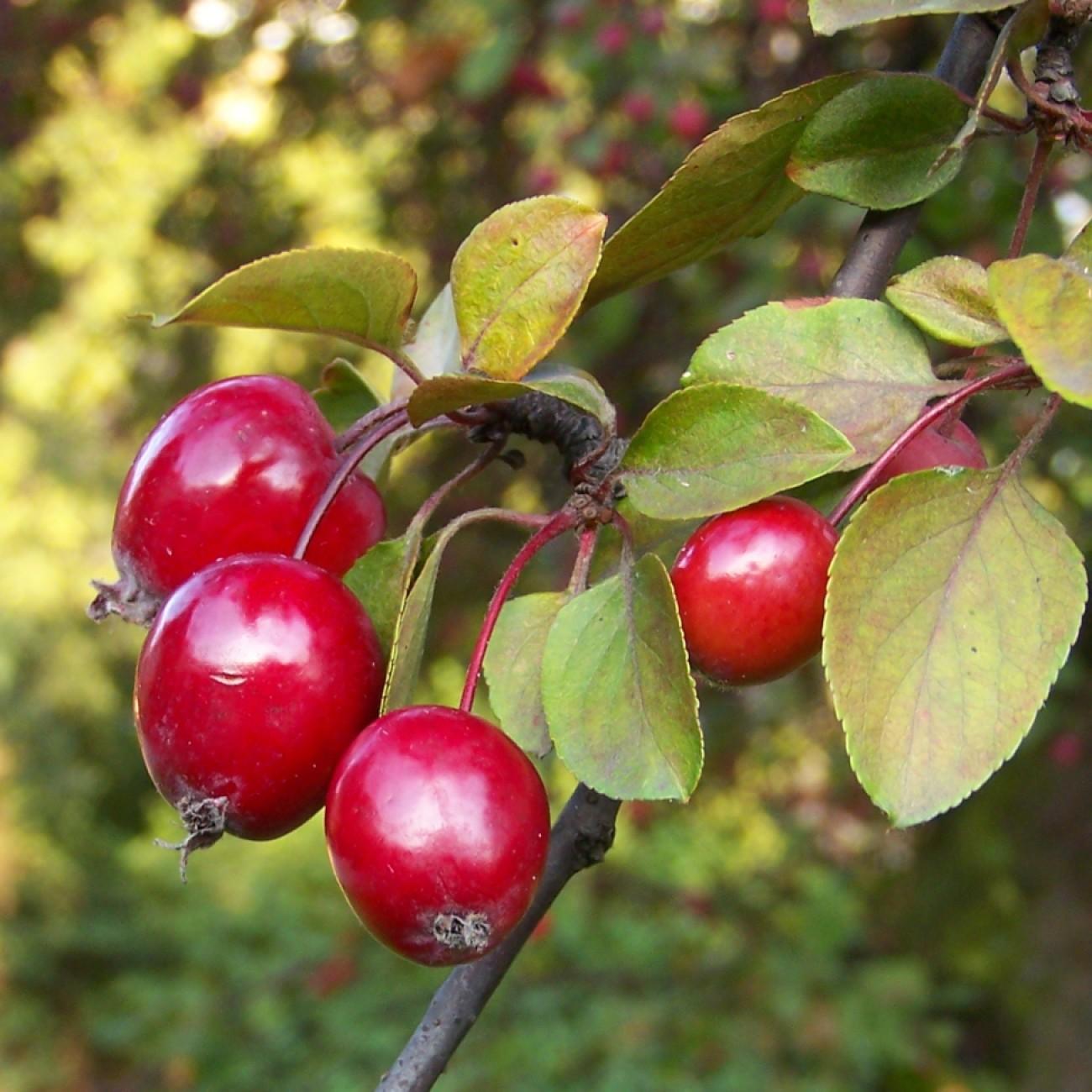
Japanese Crabapple
Malus floribunda
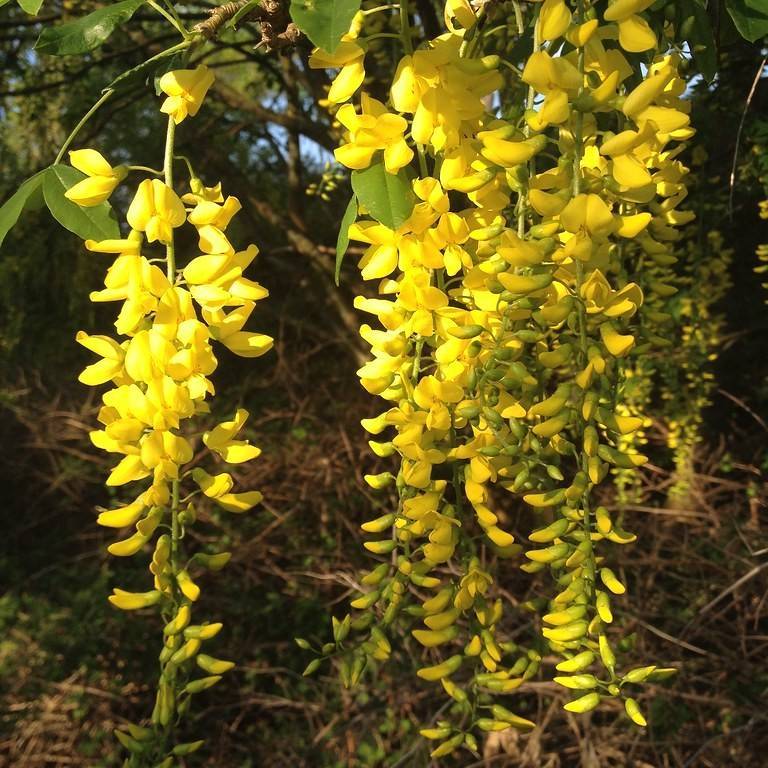
Common Laburnum
Laburnum anagyroides
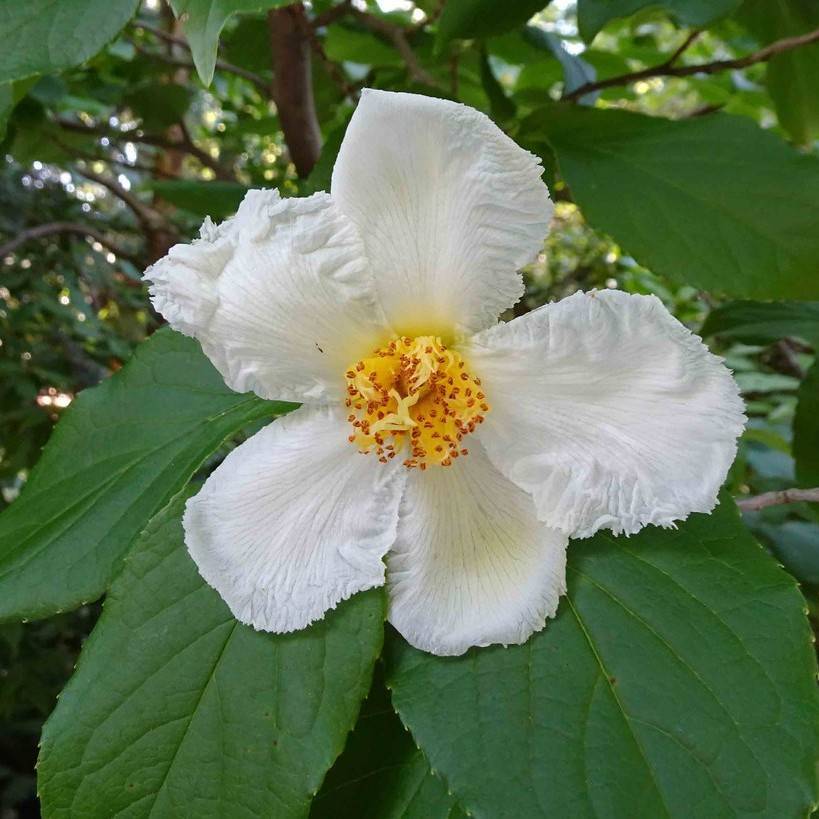
Japanese Stewartia
Stewartia pseudocamellia
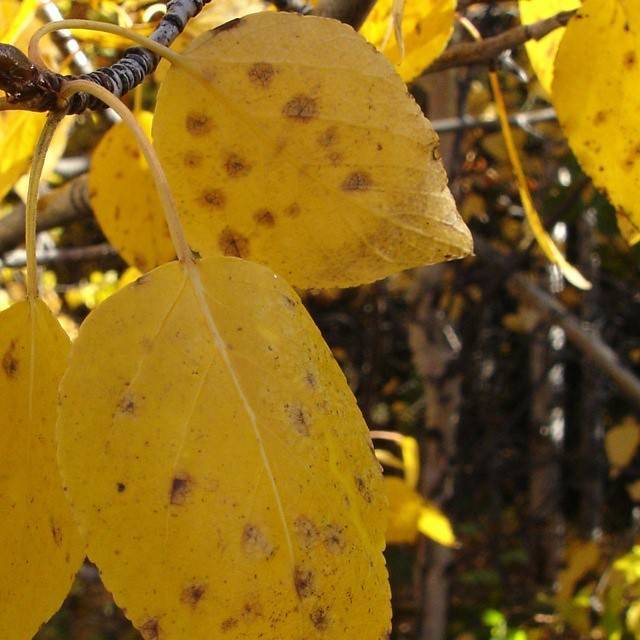
Alaska Birch
Betula neoalaskana
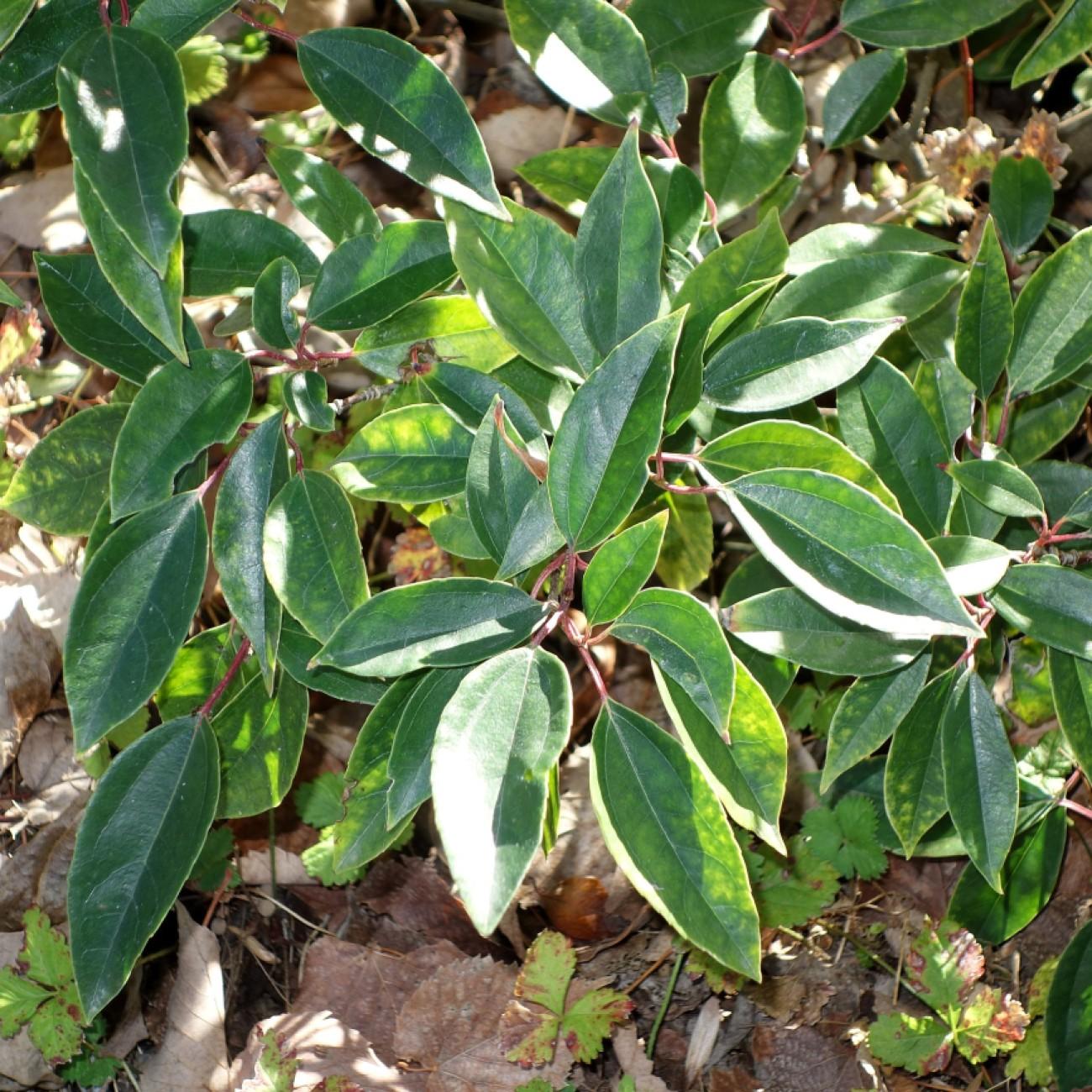
Chinese Viburnum
Viburnum macrocephalum
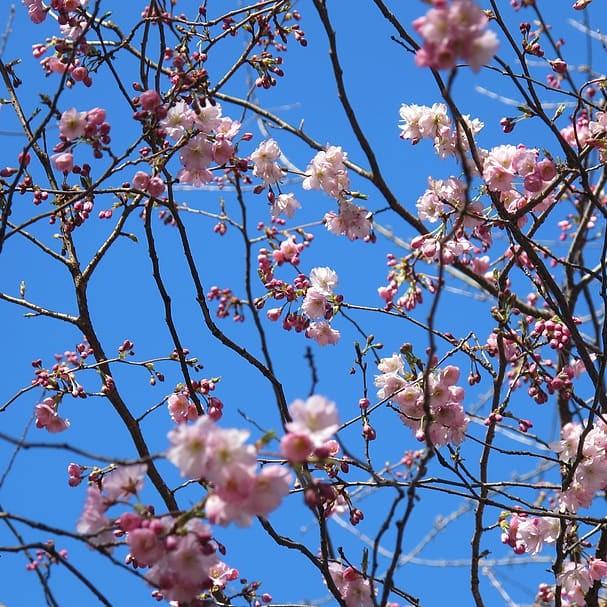
Double Weeping Higan Cherry
Prunus subhirtella 'Pendula Plena'
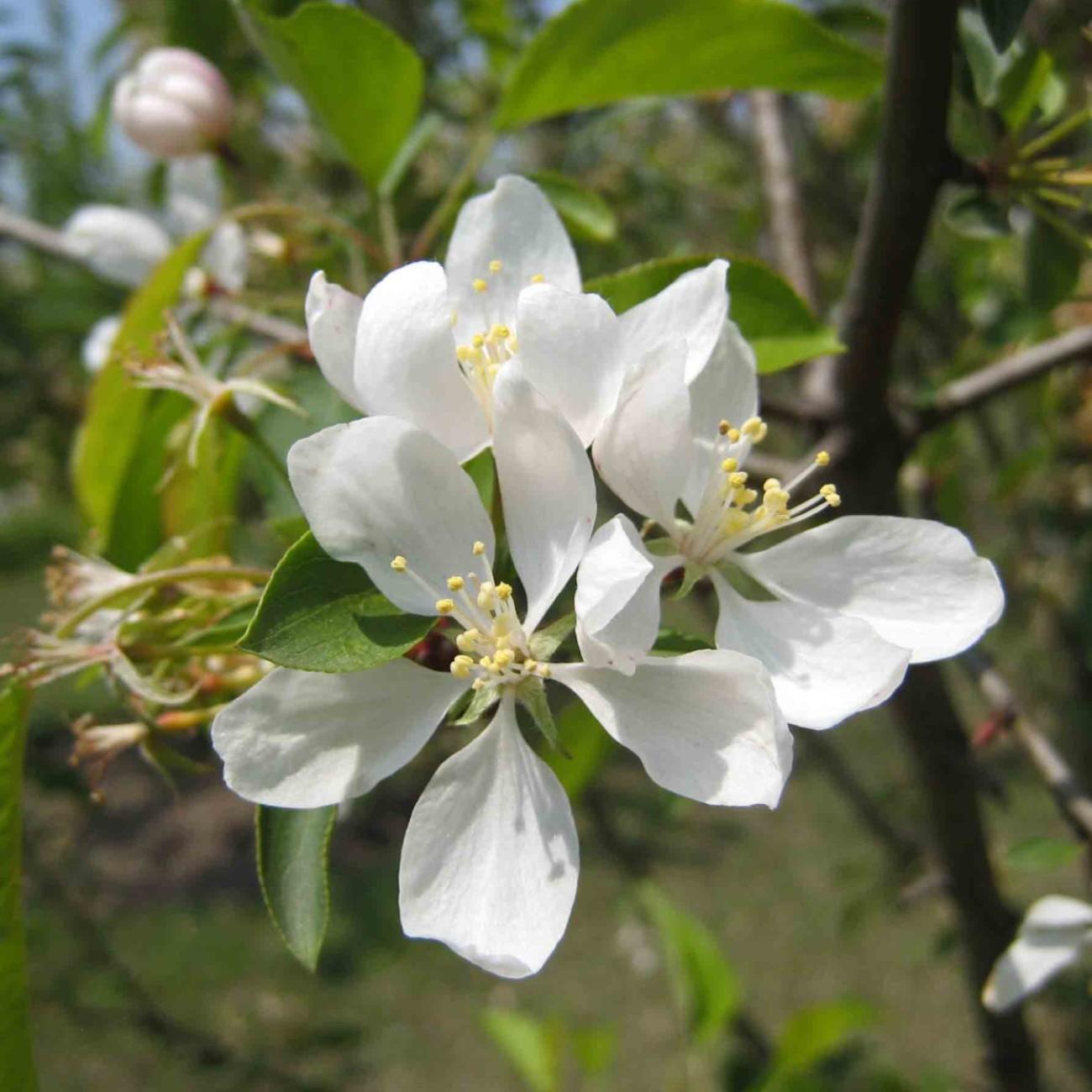
Crabapple
Malus sylvestris, Malus coronaria, and hybrid Malus cultivars