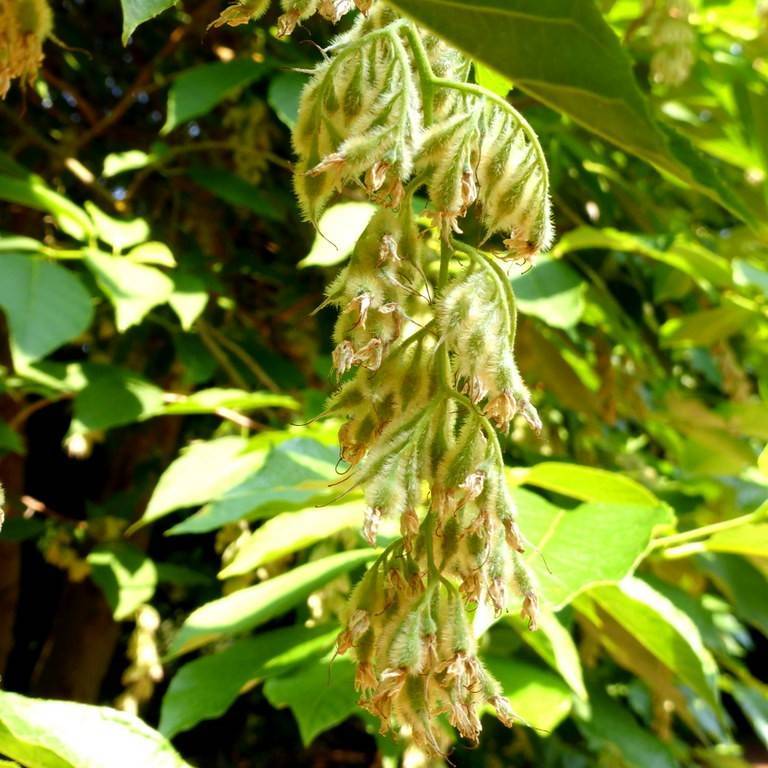
Fragrant Epaulette Tree
Pterostyrax hispidus
Overview
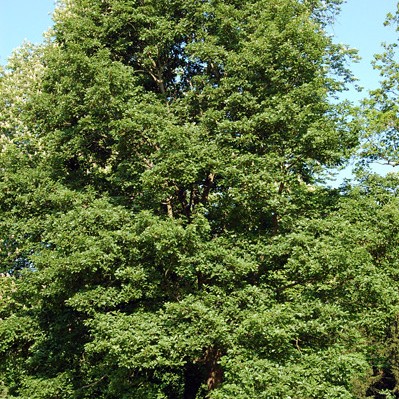
The fragrant epaulette tree earns its common name from the drooping, 4-8 inch long panicles of bell-shaped white flowers that hang like military epaulettes from branch tips in early summer, releasing a sweet, honey-like scent that attracts pollinators including bees and butterflies. Its dark green, oval leaves turn a soft yellow in autumn, while its mature bark exfoliates in thin, curling strips to reveal patches of orange-brown inner bark, adding year-round visual interest. A slow-growing, relatively compact tree, it fits well in medium-sized gardens and parks, thriving in mild, temperate climates with consistent moisture.
Care Guide
Watering
Water young trees regularly to keep the soil consistently moist but not waterlogged, especially during periods of drought, to support root establishment. Mature specimens have moderate drought tolerance, but supplemental watering during extended dry spells will encourage healthier flowering and prevent leaf scorch. Avoid overwatering, as saturated soil can lead to root rot in this species.
Light
Plant in full sun to partial shade for optimal flowering; locations with at least 6 hours of direct sunlight daily produce the most abundant, fragrant bloom clusters. In regions with intense, hot afternoon sun, provide light afternoon shade to prevent leaf burn, particularly for young, newly planted trees. Too much deep shade will reduce flowering and lead to sparse, leggy growth.
Soil
Grows best in fertile, well-drained, loamy soil with a slightly acidic to neutral pH, though it can adapt to mildly alkaline soils if organic matter is incorporated at planting. Avoid heavy, compacted clay soils that retain standing water, as this will damage the tree’s sensitive root system. Amend poor soils with compost or well-rotted leaf mold before planting to improve drainage and nutrient content.
Fertilizer
Apply a balanced, slow-release granular fertilizer formulated for woody ornamentals in early spring, just before new leaf growth emerges, to support healthy foliage and flowering. Avoid over-fertilizing, especially with high-nitrogen products, as this can promote excessive leaf growth at the expense of flower production. Established trees only require fertilization once every 2-3 years if grown in nutrient-poor soil.
Temperature
Thrives in USDA hardiness zones 4 through 8, tolerating winter temperatures as low as -30°F (-34°C) once fully established. Young trees may require winter protection such as a burlap wrap in the coldest parts of its range to prevent frost damage to tender new growth. It does not perform well in extremely hot, humid climates above zone 8, where high temperatures can cause stress and reduce flowering.
Pruning
Prune in late winter or early spring while the tree is dormant, removing any dead, damaged, or crossing branches to maintain an open, healthy canopy and improve air circulation. Limit heavy pruning, as this species blooms on old wood; excessive cutting back of mature branches will reduce the number of flowers produced in the upcoming season. You can lightly shape the tree after flowering has finished if desired, to control its size and form.
Propagation
Most commonly propagated from seed, which requires 2-3 months of cold stratification to break dormancy before sowing in moist, well-drained potting mix. Semi-hardwood cuttings taken in mid-summer can also be rooted with the use of a rooting hormone and consistent misting, though success rates are often lower than seed propagation. Grafting onto compatible Pterostyrax rootstock is sometimes used for named cultivars to preserve specific desirable traits.
Humidity
Prefers moderate ambient humidity levels, typical of its native temperate forest habitats, and tolerates average outdoor humidity in most of its growing range well. It does not thrive in extremely arid conditions, where low humidity can cause leaf edges to brown and flower buds to drop prematurely. Misting is not required for outdoor specimens, but mulching around the base will help retain soil moisture and support healthy growth in drier areas.
Repotting
Fragrant epaulette trees are almost exclusively grown as outdoor landscape plants, so repotting is rarely required; container-grown saplings should be planted in their permanent outdoor location once they outgrow their nursery pot. If growing temporarily in a large container, repot every 2-3 years in early spring before new growth starts, using a high-quality, well-drained potting mix with added organic matter. Ensure containers have ample drainage holes to prevent waterlogging, which can quickly kill young saplings.
Uses & Symbolism
Primarily grown as an ornamental specimen tree in residential gardens, public parks, and arboreta, valued for its showy, fragrant flowers, attractive autumn foliage, and interesting exfoliating bark. Its flowers are a valuable nectar source for native bees, butterflies, and other pollinators, supporting local biodiversity in temperate landscapes. Its compact size and non-invasive root system make it suitable for planting near patios, walkways, or smaller yards where larger ornamental trees would be too large.
Diseases & Pests
The fragrant epaulette tree is relatively pest and disease resistant, with no major widespread issues affecting its health in most growing regions. It may occasionally be susceptible to common fungal leaf spots, powdery mildew, or root rot if grown in poorly drained, overly wet soil or in locations with poor air circulation. Aphids and scale insects may infest young growth in rare cases, but these can be controlled with horticultural oil or insecticidal soap applications if populations become problematic.
Related plants
Other plants you might like if you grow Fragrant Epaulette Tree.
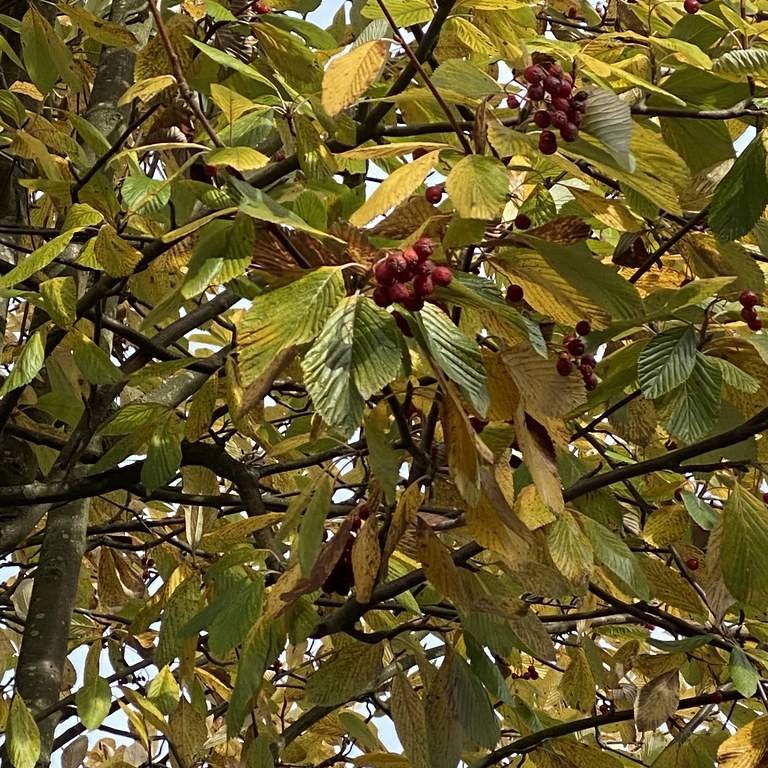
Japanese Flowering Cherry
Prunus serrulata
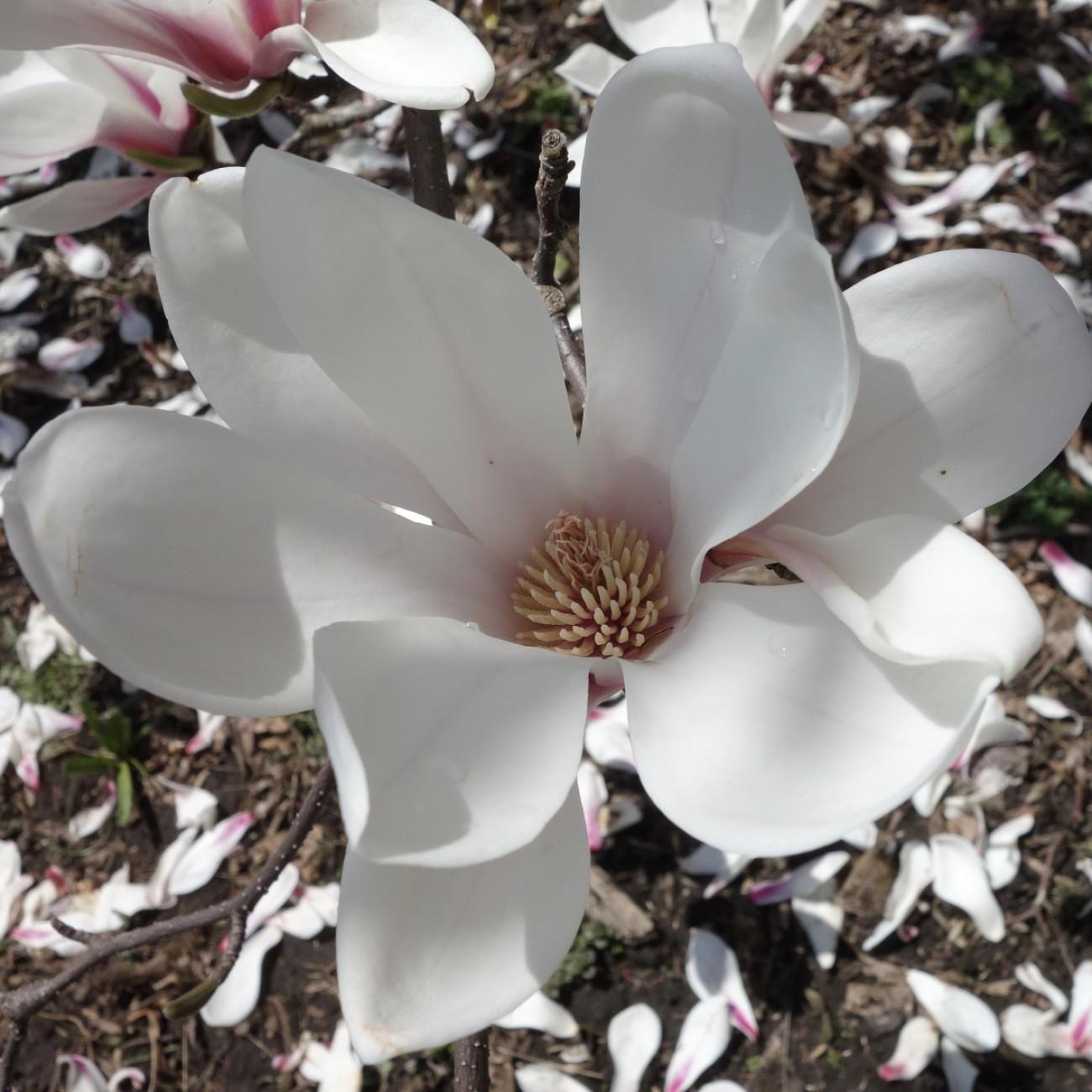
Cylindrical Magnolia
Magnolia cylindrica
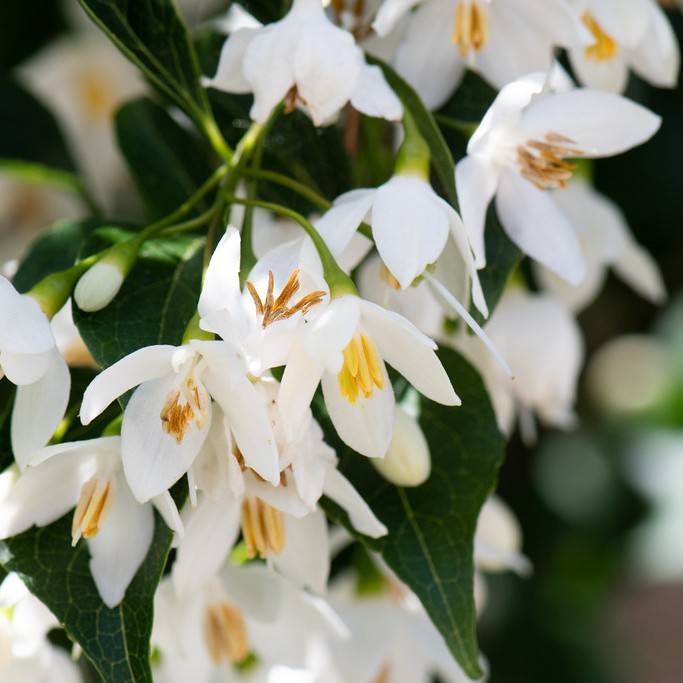
Japanese Snowbell
Styrax japonicus
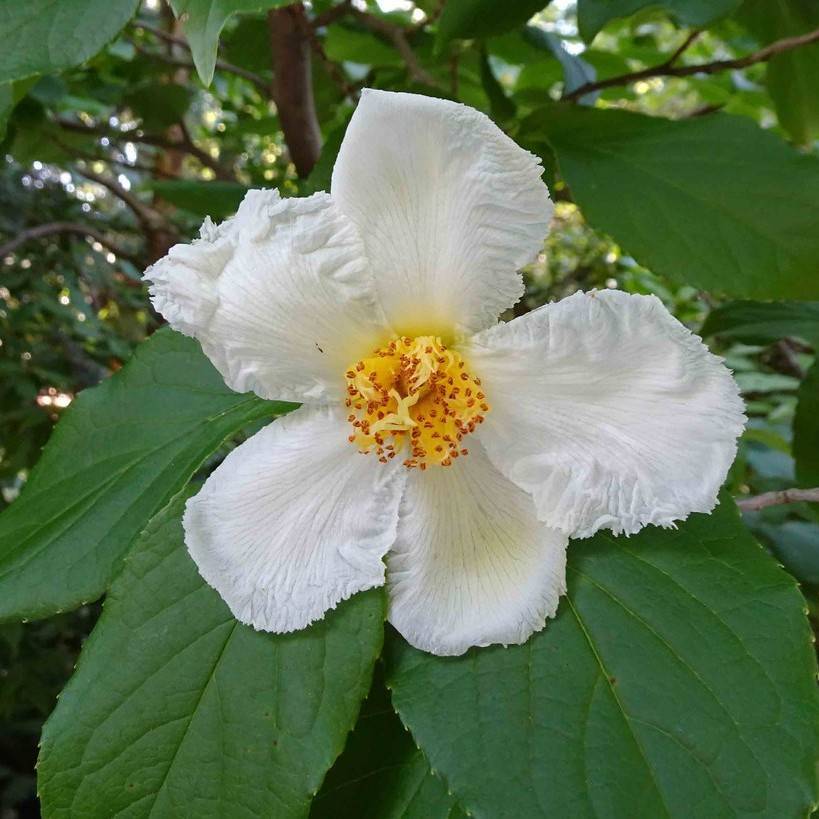
Japanese Stewartia
Stewartia pseudocamellia
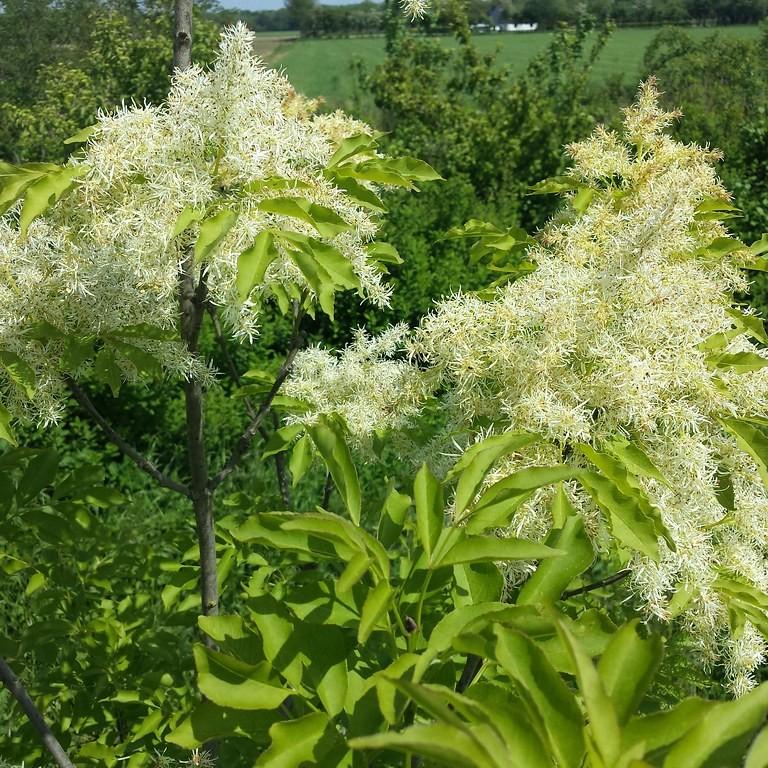
Flowering Ash
Fraxinus ornus
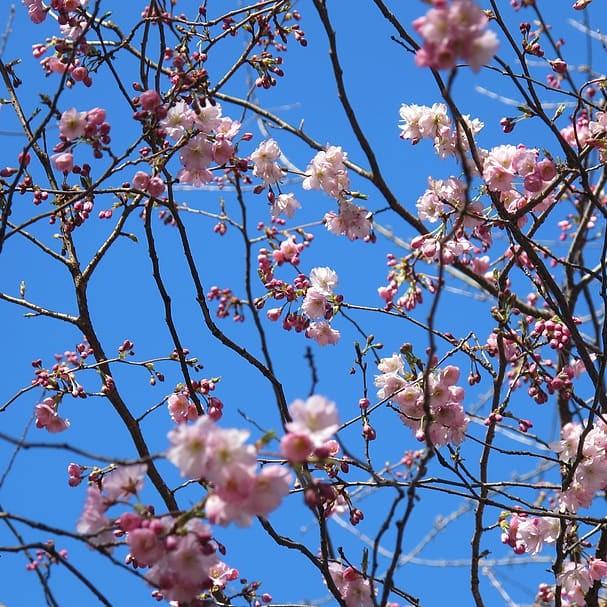
Double Weeping Higan Cherry
Prunus subhirtella 'Pendula Plena'
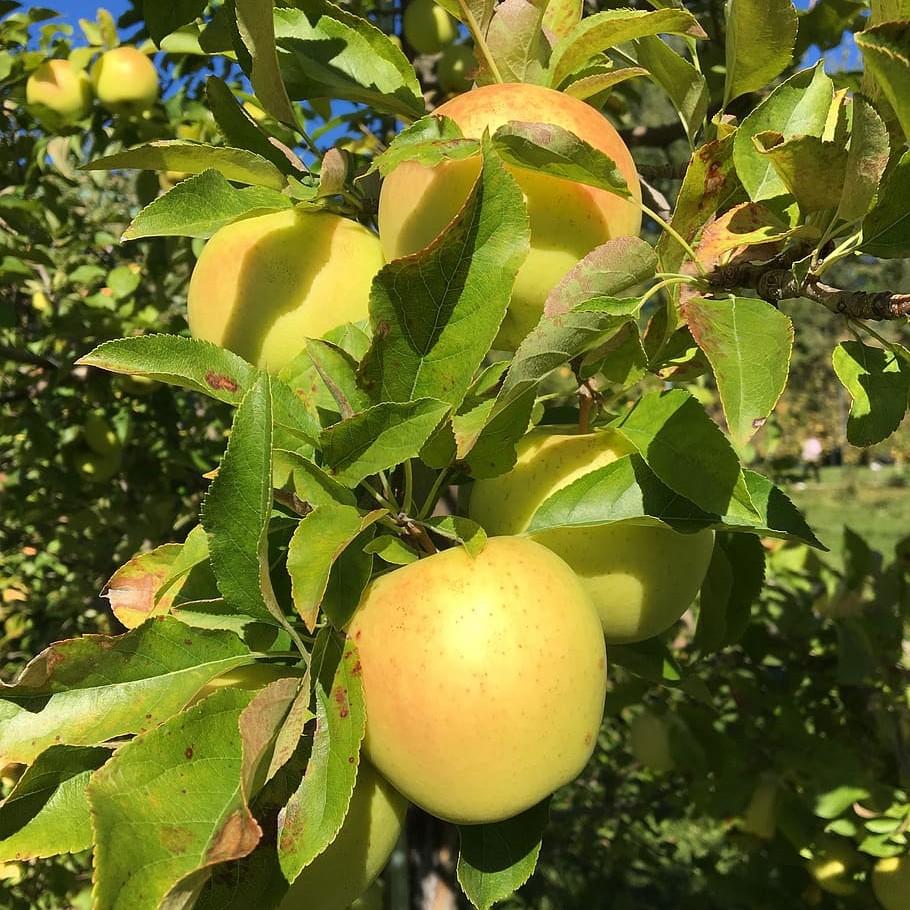
Flowering Crabapple
Malus spp. (ornamental cultivars)
Broad Leaved Linden
Tilia platyphyllos