Fortunearia
Fortunearia sinensis
Overview
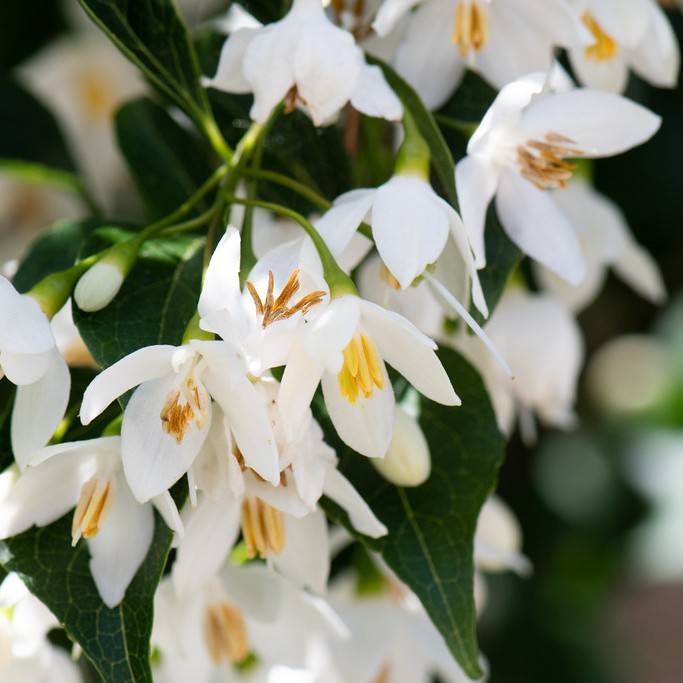
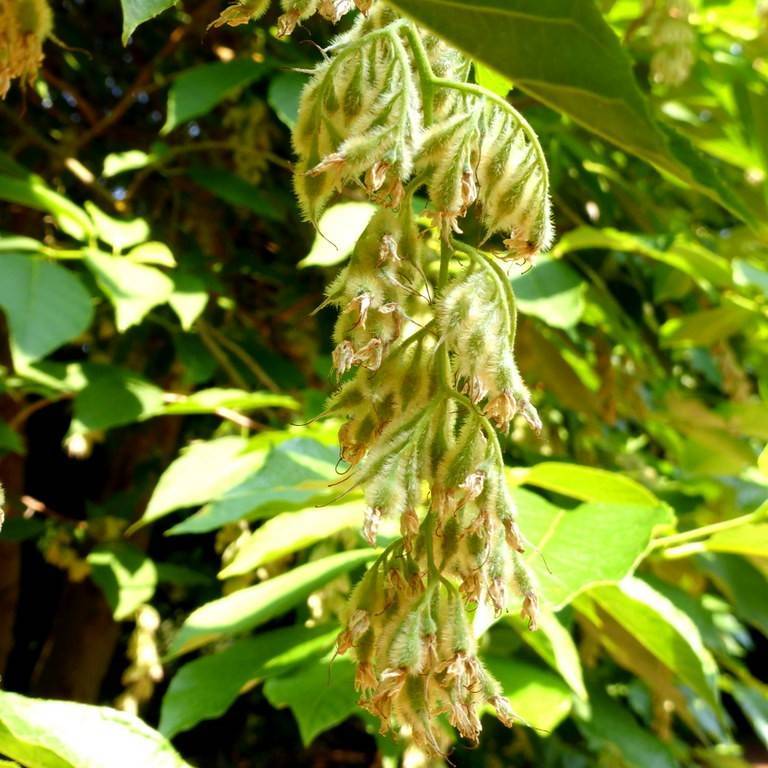
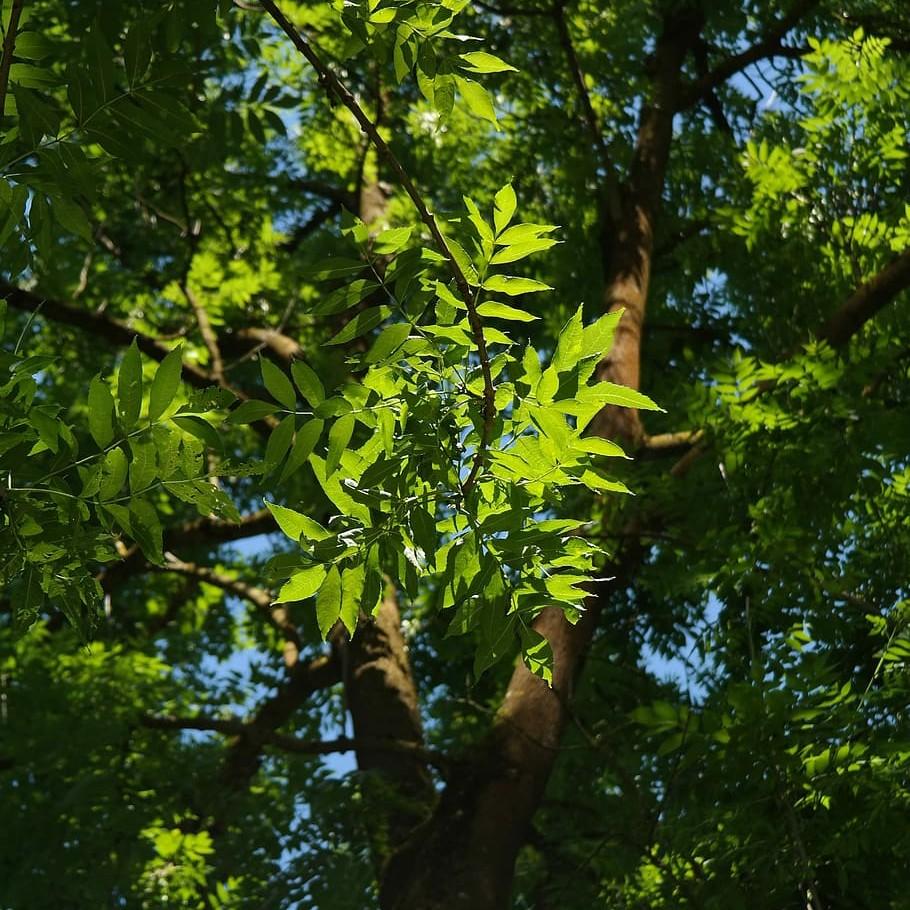
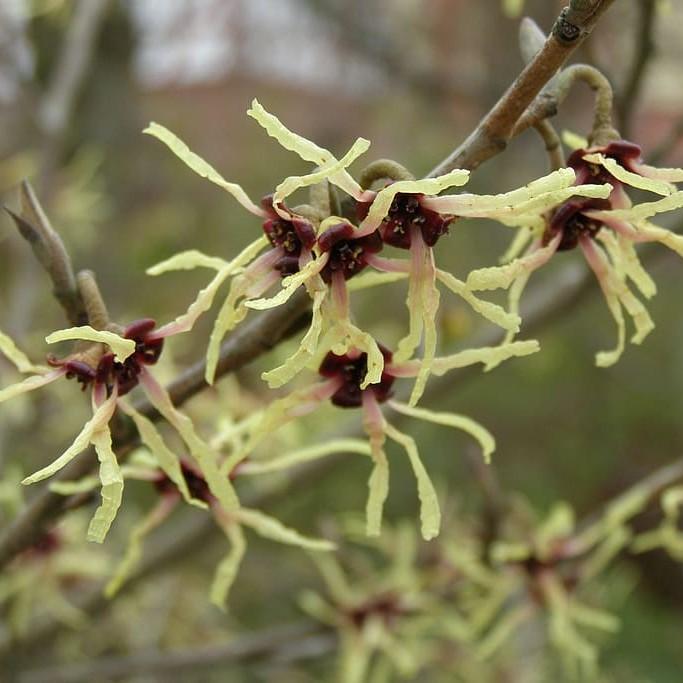
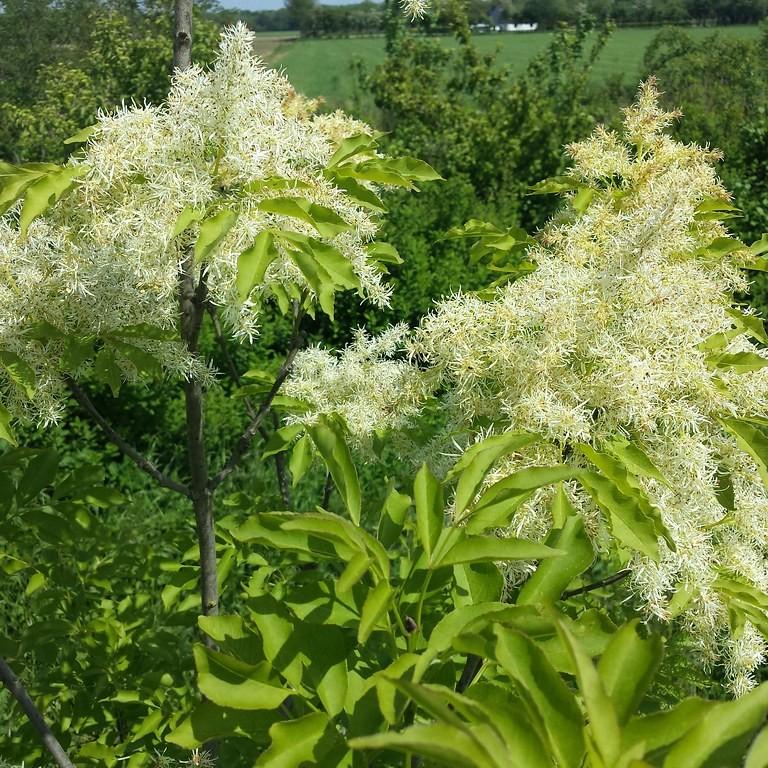
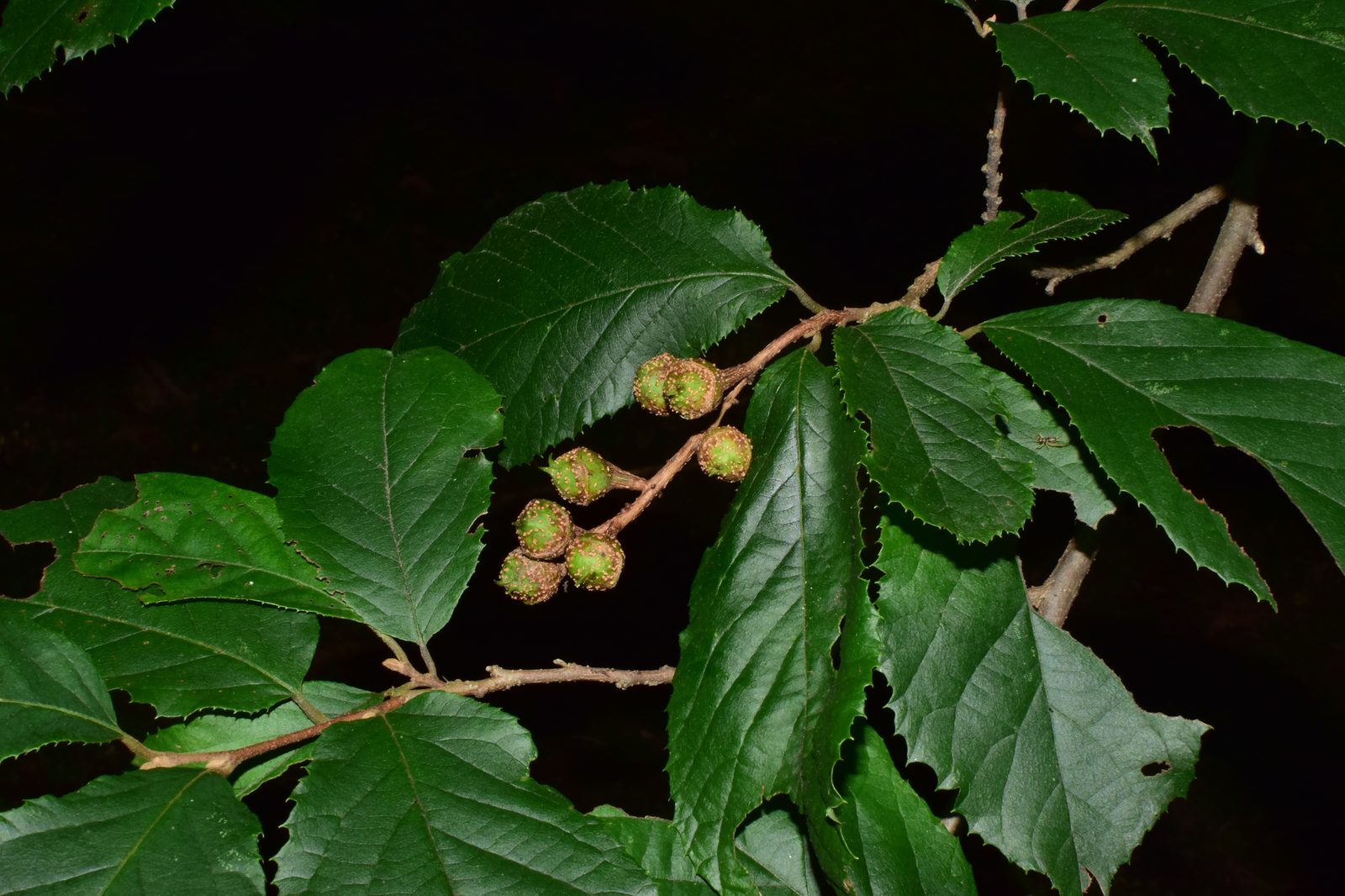
Fortunearia sinensis is the sole species in the monotypic Fortunearia genus, named for 19th-century Scottish botanist Robert Fortune, who collected the first specimens in China. It produces clusters of small, spidery, lightly fragrant yellow flowers in early spring before its foliage emerges, followed by woody brown seed capsules that persist into winter. Its oval, serrated leaves turn striking shades of orange, red, and purple in fall, making it a valued seasonal ornamental for temperate landscapes.
Care Guide
Watering
Keep soil consistently moist but not waterlogged, especially during active spring and summer growth; reduce watering frequency in fall and winter once the plant drops its foliage. Young, newly planted specimens require more regular watering to establish strong root systems, while mature plants have moderate drought tolerance once settled. Avoid allowing the root zone to dry out completely for extended periods, as this can lead to leaf scorch and stunted growth.
Light
Thrives in full sun to partial shade, with partial dappled shade preferred in regions with hot, intense summer sun to prevent leaf burn. Plants grown in too much deep shade will produce fewer flowers and less vibrant autumn foliage color. Provide at least 4 hours of direct sunlight daily for optimal blooming and growth.
Soil
Prefers fertile, well-drained, slightly acidic loam soil rich in organic matter, though it can adapt to neutral pH soils if amended properly. Avoid heavy, poorly draining clay soils that hold standing water, as this can cause root rot and eventual plant death. Add compost or well-rotted leaf mold at planting time to improve soil structure and nutrient content.
Fertilizer
Apply a balanced, slow-release granular fertilizer formulated for woody ornamental shrubs in early spring before new growth emerges. Avoid over-fertilizing, especially with high-nitrogen products, as this can encourage excessive leafy growth at the expense of flower production. A light top-dressing of compost or well-rotted manure each fall can provide additional nutrients without risk of burn.
Temperature
Hardy in USDA zones 5 to 8, tolerating winter lows down to -20°F (-29°C) once fully established. Young plants may require winter protection, such as a layer of mulch around the root zone and burlap wrapping in areas with harsh, cold winds, for their first 2 to 3 winters. Extreme summer heat above 95°F (35°C) may cause temporary leaf wilting, which usually recovers with adequate watering.
Pruning
Prune immediately after flowering finishes in spring, as flower buds form on the previous year’s growth; pruning later in the season will remove next year’s blooms. Remove dead, damaged, or crossing branches to improve air circulation and maintain a tidy, balanced shape. Mature plants tolerate hard rejuvenation pruning if they become overgrown, though this may reduce flowering for 1 to 2 seasons.
Propagation
Most commonly propagated from semi-hardwood cuttings taken in mid to late summer, treated with rooting hormone and placed in a humid, well-drained propagation medium. Seeds can be sown fresh in fall, but they require 3 to 4 months of cold stratification to break dormancy and may take 2 to 3 years to produce flowering plants. Grafting onto compatible Hamamelis rootstock is sometimes used for commercial production to ensure consistent growth and flowering traits.
Humidity
Prefers moderate to high humidity levels typical of its native woodland habitat, ranging from 40% to 70% relative humidity. It can adapt to average household humidity if grown as a large container specimen, though very dry indoor air may cause leaf tip browning. Outdoor plants rarely require humidity adjustments if planted in suitable partial shade with consistent soil moisture.
Repotting
Container-grown fortunearia should be repotted every 2 to 3 years in early spring before new growth begins, moving to a pot 2 to 3 inches larger in diameter than the current container. Use a well-draining acidic potting mix formulated for woody ornamentals, and ensure the pot has ample drainage holes to prevent waterlogging. Mature, large container specimens can be top-dressed with fresh compost annually instead of full repotting to reduce root disturbance.
Uses & Symbolism
Fortunearia is primarily grown as an ornamental landscape shrub for its early spring fragrant blooms, attractive summer foliage, and vibrant fall color, often used in woodland gardens, mixed shrub borders, or as a specimen plant. Its dense, branching structure provides shelter and nesting sites for small birds and beneficial pollinators, which are drawn to its early-season nectar-rich flowers. In traditional Chinese medicine, extracts from its bark and leaves have been used topically to treat minor cuts and inflammation, though these uses are not widely adopted in Western herbal practice.
Diseases & Pests
Fortunearia is relatively pest and disease resistant, though it may occasionally be affected by common fungal issues such as leaf spot and powdery mildew in conditions of poor air circulation or prolonged high humidity. Aphids and scale insects may infest new growth in spring, which can be controlled with horticultural oil sprays or insecticidal soap applications. Root rot can occur if plants are grown in poorly draining, waterlogged soil, so proper site selection and soil amendment are critical for preventing this fatal condition.
Related plants
Other plants you might like if you grow Fortunearia.