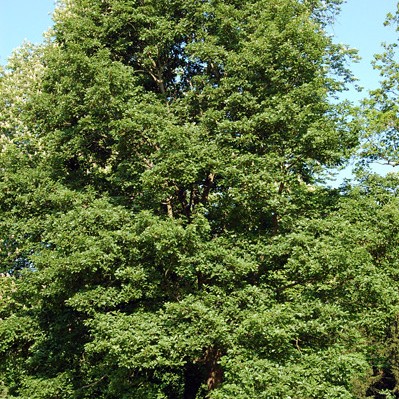
Broad Leaved Linden
Tilia platyphyllos
Overview
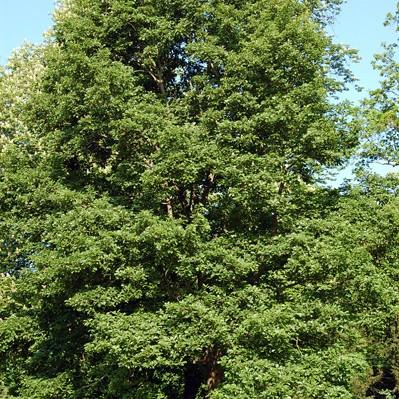
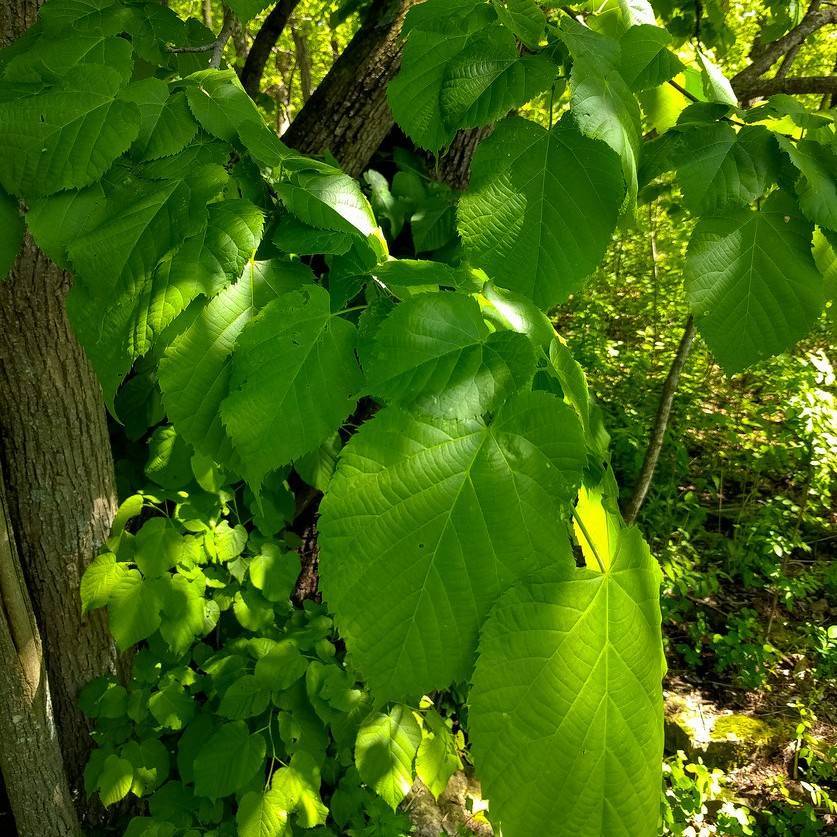
Broad Leaved Linden, also called large-leaved lime, is a stately deciduous tree recognizable by its broad, heart-shaped dark green leaves that turn pale yellow in autumn. Clusters of small, creamy-yellow, highly fragrant flowers bloom in early summer, attracting pollinators like bees and butterflies. This tree is widely planted as an ornamental shade tree in parks, along streets, and in large landscapes, and it can live for several hundred years in optimal conditions.
Care Guide
Watering
Water young trees regularly during their first 2-3 years to establish a deep root system, keeping the soil consistently moist but not waterlogged. Mature trees are moderately drought tolerant, though they benefit from occasional deep watering during prolonged dry spells to prevent leaf scorch. Avoid overwatering in heavy, poorly draining soils to prevent root rot.
Light
Thrives in full sun to partial shade, with the most vigorous growth and abundant flowering occurring in full sun exposures. Young saplings can tolerate deeper shade than mature trees, but they will grow more slowly and produce fewer blooms in low-light conditions. In hot, arid climates, light afternoon shade helps prevent leaf burn during peak summer heat.
Soil
Adaptable to a wide range of soil types, including loam, clay, and sandy soils, as long as the substrate is well-draining. Prefers fertile, moist, slightly alkaline to neutral soils with a pH between 6.0 and 7.5, though it can tolerate mildly acidic conditions as well. Avoid planting in waterlogged, compacted soils, which stunt root growth and increase disease risk.
Fertilizer
Apply a balanced, slow-release granular fertilizer in early spring before new leaf growth emerges to support healthy foliage and flower production. Mature trees rarely need regular fertilization if grown in fertile soil, but a light annual application can benefit specimens planted in poor, nutrient-depleted soils. Avoid high-nitrogen fertilizers, which encourage excessive leaf growth at the expense of flower production.
Temperature
Hardy in USDA zones 3 through 7, tolerating winter temperatures as low as -30°F (-34°C) without significant cold damage. It prefers temperate climates with cool to warm summers, and may suffer from leaf scorch in areas with consistently high temperatures above 90°F (32°C) without adequate moisture. Late spring frosts can damage new young foliage, though the tree typically recovers quickly.
Pruning
Prune during the dormant winter season to remove dead, damaged, or crossing branches, and to shape the canopy as desired. Avoid heavy pruning, as linden trees are slow to heal from large cuts, which can invite fungal pathogens and decay. Suckers growing from the base of the trunk or root system can be removed at any time to maintain a neat, single-stemmed form.
Propagation
Most commonly propagated from seed, which requires 3-4 months of cold stratification to break dormancy before sowing in spring. Semi-hardwood cuttings taken in mid to late summer can also root successfully if treated with rooting hormone and kept in moist, well-drained medium under high humidity. Grafting is often used for named cultivars to preserve specific desirable traits.
Humidity
Adaptable to a wide range of humidity levels, thriving in the moderate humidity typical of its native European and temperate Asian ranges. It tolerates average indoor humidity very poorly, making it unsuitable for long-term indoor growth. In very dry climates, occasional misting of young foliage can help prevent leaf edge browning, though mature trees do not require supplemental humidity.
Repotting
Broad Leaved Linden is a large landscape tree that is not suitable for container growth long-term, so repotting is rarely required. Young saplings grown temporarily in pots should be repotted every 1-2 years in early spring before new growth emerges, using a rich, well-draining potting mix. Once the tree reaches 4-6 feet tall, it should be transplanted to its permanent outdoor location to avoid root binding.
Uses & Symbolism
Widely planted as an ornamental shade tree for public parks, large residential properties, and streetscapes, valued for its dense canopy and attractive seasonal foliage. The fragrant flowers are used to make linden tea, a traditional herbal remedy said to soothe sore throats, reduce anxiety, and support digestive health, while the lightweight, fine-grained wood is used for carving, furniture making, and musical instruments. It is also an important tree for pollinators, producing abundant nectar that makes high-quality linden honey.
Diseases & Pests
Common fungal diseases include leaf spot, powdery mildew, and verticillium wilt, which can cause leaf discoloration, premature leaf drop, and in severe cases, branch dieback. Aphids, Japanese beetles, and linden borers are the most frequent insect pests; aphids secrete sticky honeydew that encourages sooty mold growth, while borers tunnel into the trunk and can kill young or stressed trees. Proper air circulation, avoiding overwatering, and regular inspection for pest signs help reduce disease and infestation risk.
Related plants
Other plants you might like if you grow Broad Leaved Linden.