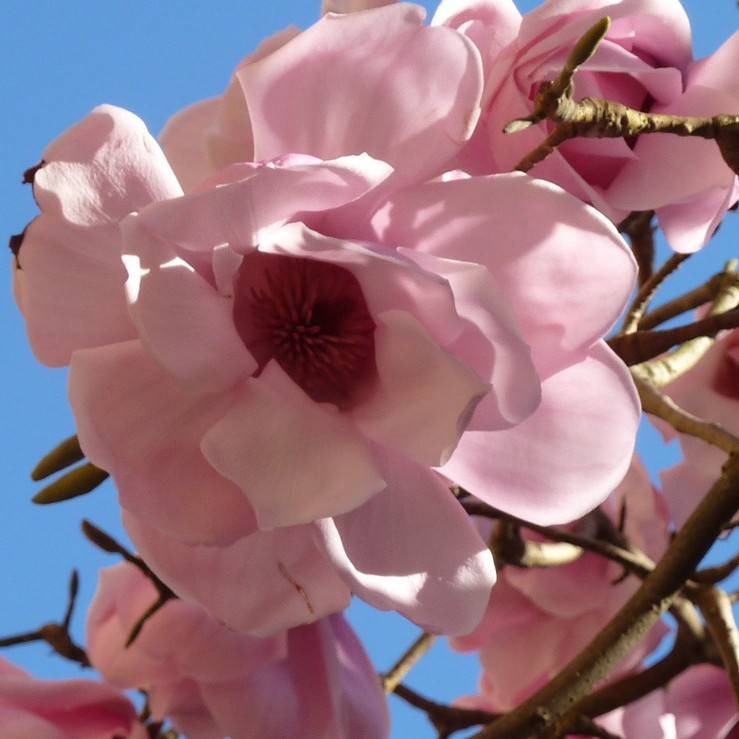
Caerhays Belle Magnolia
Magnolia 'Caerhays Belle'
Overview
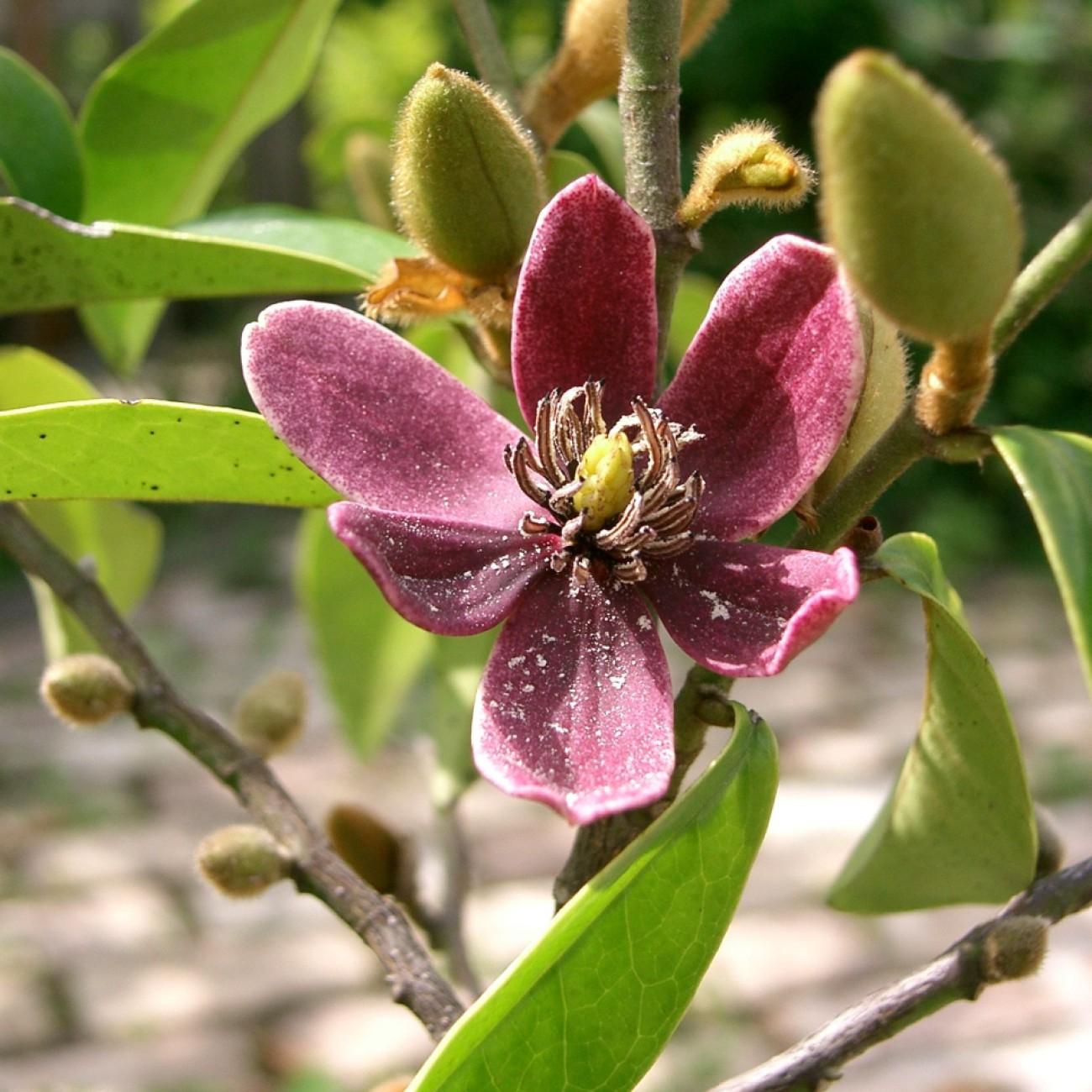
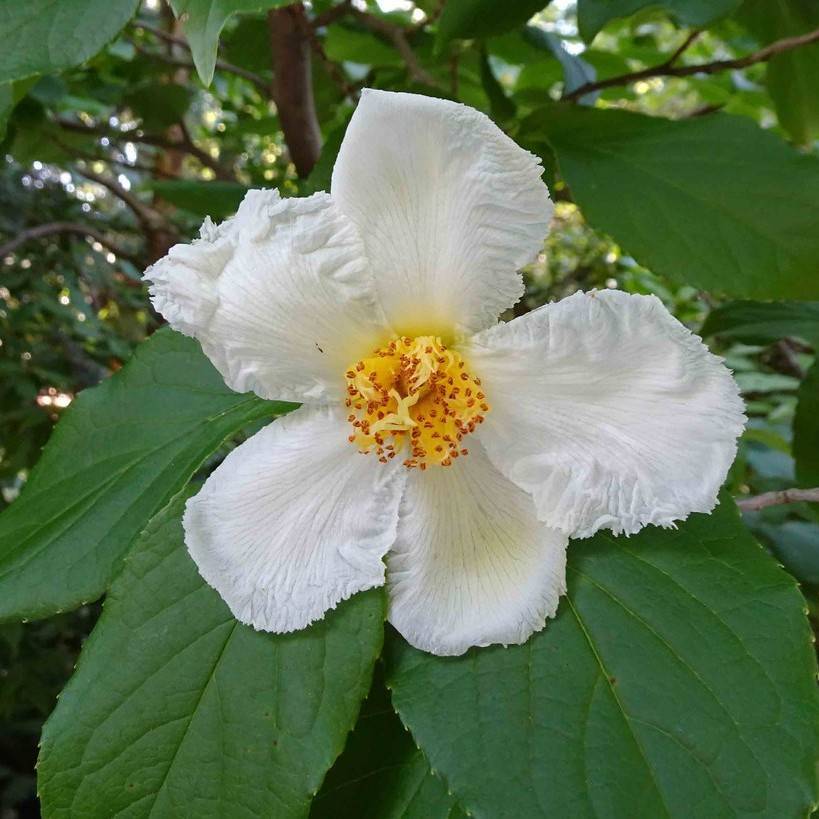
Caerhays Belle Magnolia is a widely admired ornamental hybrid first bred in the mid-20th century at Cornwall’s Caerhays Estate, a historic hub for magnolia cultivation. It produces enormous, cup-shaped flowers up to 12 inches across, with delicate shell-pink petals and a subtle, sweet fragrance that fills surrounding garden spaces in early spring. This deciduous tree develops a broad, spreading canopy of glossy dark green leaves after flowering, providing lush visual interest through summer and turning soft yellow before dropping in autumn. It is a popular choice for large gardens and park landscapes, valued for its reliable blooming and cold hardiness relative to many larger magnolia cultivars.
Care Guide
Watering
Water regularly during the first two to three years after planting to establish a deep, robust root system, keeping the soil consistently moist but never waterlogged. Once established, Caerhays Belle Magnolia is moderately drought tolerant, though it benefits from supplemental watering during extended hot, dry periods to prevent leaf scorch and support healthy bud development for the following year’s blooms. Avoid overwatering in heavy, poorly draining soils, as this can quickly lead to root rot.
Light
Plant in full sun to partial shade for optimal flowering, with at least four to six hours of direct sunlight daily to encourage abundant bud formation. In regions with very hot, intense midday sun, provide light afternoon shade to prevent petal burn on open flowers and reduce stress on young foliage. Too much heavy, dense shade will reduce bloom production and lead to a sparse, leggy growth habit.
Soil
Grows best in rich, moist, well-drained soil that is slightly acidic to neutral, with a pH range of 5.5 to 7.0. Avoid heavy clay soils that hold standing water, as this will cause root rot and stunt growth, amending heavy sites with organic matter such as compost or well-rotted leaf mold to improve drainage before planting. It will not tolerate alkaline soils, which cause nutrient deficiencies leading to yellowed foliage and poor overall health.
Fertilizer
Feed in early spring before new growth emerges with a slow-release, balanced fertilizer formulated for acid-loving flowering trees, to support healthy foliage and abundant bloom production. Avoid high-nitrogen fertilizers, as these can encourage excessive leaf growth at the expense of flower formation. A light topdressing of well-rotted compost or manure around the base of the tree in late autumn will also help maintain soil fertility and structure without risking nutrient burn.
Temperature
Thrives in temperate climates, with a cold hardiness range of USDA zones 6 through 9, tolerating winter temperatures as low as -10°F (-23°C) once fully established. Late spring frosts can damage newly opened flower buds, so plant in a sheltered location away from low-lying frost pockets to protect early spring blooms. In the warmest parts of its range, ensure adequate moisture and partial afternoon shade to prevent heat stress during peak summer months.
Pruning
Prune minimally, as excessive cutting can disrupt the tree’s natural graceful shape and reduce bloom production in the following season. Remove any dead, damaged, or crossing branches in late winter while the tree is dormant, before new buds begin to swell. Avoid heavy pruning of mature branches, as magnolias heal slowly from large cuts, which can leave them vulnerable to disease and pest infestation.
Propagation
Caerhays Belle Magnolia is most commonly propagated via softwood cuttings taken in early summer, when new growth is semi-ripe and flexible, treated with rooting hormone and kept in a humid, protected environment until roots develop. It can also be propagated by grafting onto hardy Magnolia kobus or Magnolia acuminata rootstock to improve cold hardiness and ensure consistent growth characteristics, as seed-grown specimens will not retain the exact traits of the parent hybrid. Home propagation is moderately challenging, as cuttings can take several months to root and require consistent moisture and temperature control to succeed.
Humidity
Prefers moderate to high humidity levels, typical of its native UK cultivation origins and temperate garden environments, though it adapts well to average residential humidity once established. Very dry, arid conditions can cause leaf browning and premature drop, so mist young foliage occasionally during extended dry spells if grown in low-humidity regions. Ensure good air circulation around the canopy to prevent fungal diseases, even in high-humidity areas.
Repotting
Caerhays Belle Magnolia is rarely grown in containers long-term, as it develops a large, spreading root system that requires ample space to grow. If grown in a container for the first one to two years before landscape planting, repot annually in late winter before new growth emerges, using a high-quality, acidic potting mix and a container at least 2 inches larger than the previous one to accommodate root growth. Once planted in the landscape, it should not be disturbed, as magnolias have sensitive root systems that do not tolerate transplanting well once established.
Uses & Symbolism
Caerhays Belle Magnolia is primarily used as a stunning specimen tree in large residential gardens, public parks, and arboretums, where its dramatic spring blooms become a focal point of the early season landscape. Its broad, spreading canopy also provides light summer shade for underplanting with shade-loving perennials and bulbs, extending the ornamental value of the planting space year-round. In temperate regions, it is frequently planted in heritage and botanical garden collections to showcase successful magnolia hybridization work.
Diseases & Pests
Caerhays Belle Magnolia is relatively disease resistant, though it can be susceptible to common magnolia issues such as powdery mildew, leaf spot, and coral spot fungus, particularly in poorly ventilated, overly moist growing conditions. Common pests include scale insects, aphids, and magnolia white scale, which can be controlled with horticultural oil sprays applied during the dormant season, while snails and slugs may occasionally feed on young new growth in spring. Root rot is a significant risk in poorly draining, waterlogged soils, so proper site preparation and careful watering practices are critical to prevent this often fatal condition.
Related plants
Other plants you might like if you grow Caerhays Belle Magnolia.