Cherry
Prunus subg. Cerasus
Overview
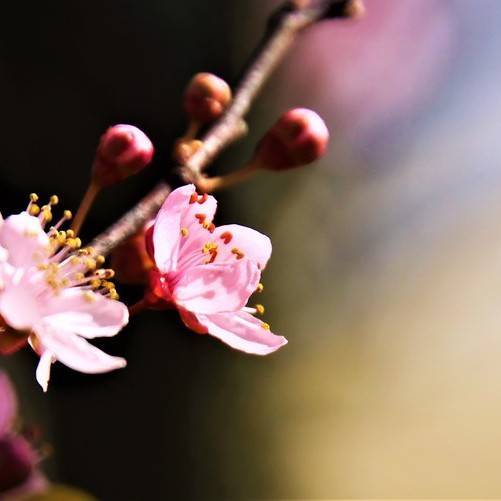
Cherry trees belong to the Prunus genus, alongside peaches, plums, and almonds, with two main cultivated types: sweet cherries (Prunus avium) for fresh eating and tart or sour cherries (Prunus cerasus) for cooking and preserves. Many varieties are also grown ornamentally for their delicate pink or white spring blooms, which are celebrated in cherry blossom festivals across the globe. The trees produce round, fleshy stone fruits that range in color from bright red to deep burgundy and almost black, ripening in late spring to mid-summer depending on the cultivar and climate.
Care Guide
Watering
Young cherry trees require regular, deep watering 1-2 times per week during their first 2-3 years to establish a strong root system, while mature trees only need supplemental watering during extended dry periods of 2 weeks or more. Avoid overwatering or allowing the tree to sit in saturated soil, as this can cause root rot and fungal diseases.
Light
Cherry trees require full sun, meaning at least 6-8 hours of direct, unfiltered sunlight per day to produce abundant fruit and healthy foliage, and to reduce the risk of fungal infections by promoting rapid drying of leaves. Trees grown in partial shade will produce fewer fruits, have weaker growth, and be more susceptible to pest and disease issues.
Soil
Cherry trees thrive in well-drained, loamy or sandy-loam soil with a slightly acidic to neutral pH between 6.0 and 7.0, as heavy clay soils that retain moisture will quickly lead to root rot. If planting in poorly draining soil, amend the area with compost or build a raised planting mound to improve drainage before setting the tree in place.
Fertilizer
Mature cherry trees generally only need light fertilization once per year in early spring, using a balanced 10-10-10 fertilizer applied at a rate of 1 pound per inch of trunk diameter, spread evenly over the root zone away from the trunk. Young trees can be fertilized 2-3 times per growing season in their first two years with a nitrogen-rich fertilizer to encourage leaf and stem growth, stopping applications by mid-summer to avoid tender new growth that can be damaged by frost.
Temperature
Most cherry varieties require 800-1,200 hours of winter chill temperatures below 45°F (7°C) to break dormancy and produce fruit, making them unsuitable for regions with mild, frost-free winters. They grow best in areas with average summer temperatures between 65°F and 85°F (18°C and 29°C), and can tolerate winter lows down to -20°F (-29°C) for cold-hardy cultivars, though late spring frosts can damage emerging blossoms and reduce fruit yields.
Pruning
Prune cherry trees during late winter while the tree is still dormant, removing dead, diseased, or crossing branches to improve air circulation and light penetration through the canopy, and to maintain a strong, open branching structure that supports heavy fruit crops. Avoid heavy pruning in summer or fall, as this can stimulate tender new growth that is vulnerable to winter damage and can spread fungal spores through open wounds.
Propagation
Most cultivated cherry trees are propagated by grafting desired fruit-producing scions onto hardy, disease-resistant rootstocks that control tree size and improve tolerance to poor soil or drought, as trees grown from seed will not produce fruit true to the parent variety. Softwood cuttings taken in early summer can also be rooted with the use of rooting hormone and consistent moisture, though this method is less common for commercial production and may produce trees with weaker root systems.
Humidity
Cherry trees prefer moderate humidity levels between 40% and 60%, as high humidity combined with warm temperatures increases the risk of fungal diseases such as brown rot and powdery mildew on fruit and foliage. Good air circulation around the tree, achieved through proper pruning and spacing between plantings, helps reduce excess moisture on plant surfaces and minimizes disease risk even in more humid climates.
Repotting
Dwarf cherry trees grown in containers should be repotted every 2-3 years in late winter before new growth emerges, using a well-draining potting mix and a container that is 2-3 inches larger in diameter than the previous pot to allow for root growth. When repotting, gently loosen tangled roots and remove any dead or rotting root material, then water thoroughly after planting to settle the soil around the root system.
Uses & Symbolism
Sweet cherry fruits are eaten fresh, canned, or used in desserts, jams, and juices, while tart cherries are most commonly used for pies, sauces, and frozen fruit products, and are also valued for their anti-inflammatory antioxidant content. Ornamental cherry varieties are widely planted in parks, gardens, and along streets for their spectacular spring blossom displays, which are a major cultural attraction in countries including Japan, South Korea, and the United States. The hard, fine-grained wood of cherry trees is also prized for woodworking, used to make furniture, musical instruments, and decorative cabinetry.
Diseases & Pests
Cherry trees are highly susceptible to brown rot, a fungal disease that causes blossoms to wilt and fruits to develop soft, brown, moldy patches, especially in warm, wet spring weather, and can be managed by removing infected plant material and applying fungicide during bloom. Common pests include cherry fruit flies, which lay eggs inside developing fruits leading to maggot-infested, unpalatable produce, and aphids, which suck sap from new growth and excrete honeydew that promotes sooty mold growth. Bacterial canker is another serious disease that causes sunken, oozing lesions on branches and trunks, potentially killing entire sections of the tree, and is most prevalent in cool, wet climates with poor air circulation.
Related plants
Other plants you might like if you grow Cherry.