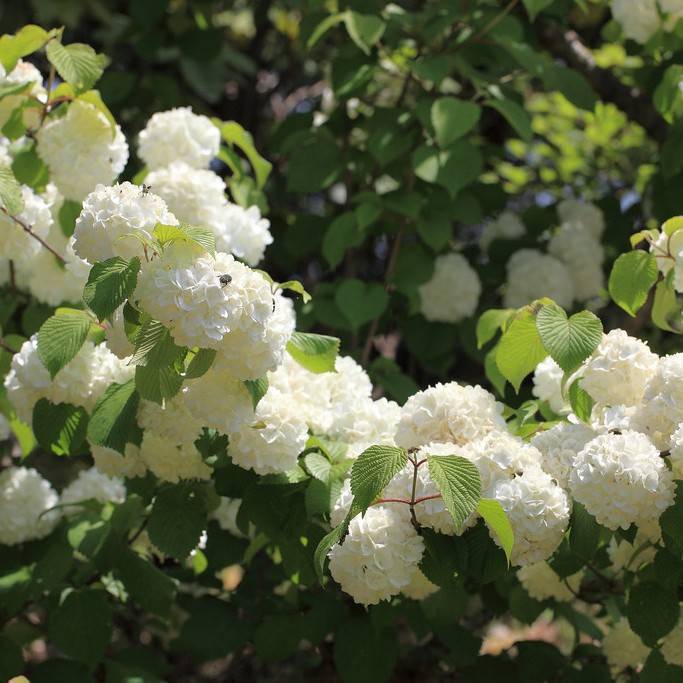
Japanese Snowball
Viburnum plicatum f. tomentosum
Overview
Japanese Snowball is a deciduous shrub best known for its profuse, 2-3 inch wide rounded clusters of sterile white flowers that bloom in mid-spring, creating a dramatic snow-covered effect across its tiered, horizontal branches. After flowering, it produces attractive ovate, serrated dark green leaves that turn vibrant shades of red and purple in autumn, followed by small, non-edible red berry-like drupes that ripen to black and support local bird populations. Its naturally layered growth habit makes it a striking focal point in temperate landscape designs, where it thrives with minimal routine care.
Care Guide
Watering
Water regularly during the first growing season to establish a deep, extensive root system, keeping soil consistently moist but not waterlogged. Once established, Japanese Snowball is moderately drought tolerant, requiring supplemental watering only during extended periods of dry, hot weather to prevent leaf drop and stress. Avoid overhead watering directly onto flower clusters to reduce the risk of fungal disease development.
Light
Grow in full sun to partial shade for optimal flowering; full sun in cooler temperate regions encourages the most abundant bloom production, while light afternoon shade is beneficial in areas with intense summer heat to prevent leaf scorch. Too much deep shade will reduce flower output and lead to sparse, leggy growth that loses the shrub’s characteristic layered form.
Soil
Prefers moist, well-drained loamy soil with a slightly acidic to neutral pH range of 5.5 to 7.5, though it adapts well to a wide range of soil types including clay, sand, and loam as long as standing water does not accumulate around the root zone. Amend heavy or poor-draining soils with organic compost or well-rotted leaf mold at planting time to improve structure and nutrient content.
Fertilizer
Feed in early spring before new growth emerges using a balanced, slow-release granular fertilizer formulated for woody ornamental shrubs, following package dosage instructions to avoid over-fertilization that can lead to excessive foliage growth at the expense of flowers. A second light application of fertilizer can be applied in early summer if growth appears sparse or leaves are pale, but avoid feeding after mid-summer to prevent stimulating tender new growth that will be damaged by early fall frosts.
Temperature
Thrives in temperate climates within USDA hardiness zones 5 through 8, tolerating winter temperatures as low as -20°F (-29°C) once established. Late spring frosts can damage emerging flower buds, so site plants in a location protected from harsh, cold winds to reduce the risk of frost damage to early spring growth. Extreme summer temperatures above 90°F (32°C) may cause temporary leaf wilting, which usually resolves with supplemental watering and light afternoon shade.
Pruning
Prune immediately after flowering ends in late spring to preserve the following year’s flower buds, which develop on old wood; remove any dead, damaged, or crossing branches to maintain the shrub’s natural layered form and improve air circulation through the canopy. Avoid heavy pruning, as cutting back more than one-third of the shrub’s growth in a single season can reduce flowering for 1-2 years. Remove any suckers that grow from the base of the shrub if a single-stemmed tree form is desired.
Propagation
The most reliable propagation method for Japanese Snowball is softwood cuttings taken in early summer, when new growth is semi-ripe; dip cut end in rooting hormone, plant in a well-drained rooting medium, and keep consistently moist and warm under indirect light until roots develop in 4-8 weeks. It can also be propagated via seed, though seeds require a long period of cold stratification and may take 2-3 years to germinate and grow into flowering-sized shrubs.
Humidity
Adaptable to a wide range of humidity levels, thriving in average outdoor humidity between 40% and 70% typical of its preferred temperate growing regions. High humidity combined with poor air circulation can increase susceptibility to fungal leaf spots and powdery mildew, so ensure adequate space between plants for airflow when landscaping. It does not require supplemental humidity when grown outdoors, though potted specimens in dry indoor environments will benefit from occasional misting if kept temporarily indoors.
Repotting
Japanese Snowball is almost exclusively grown outdoors in landscape settings, but container-grown specimens should be repotted every 2-3 years in early spring before new growth begins, using a high-quality potting mix amended with organic matter. Select a pot with multiple drainage holes that is 2-3 inches larger in diameter than the current container to accommodate root growth without leaving excess soil that holds too much moisture. Once the shrub reaches its desired mature size, repot every 3-4 years to refresh the soil and trim back overgrown roots to keep it contained in its container.
Uses & Symbolism
Japanese Snowball is a highly popular ornamental landscape shrub used as a specimen focal point, in mixed shrub borders, or as a flowering hedge to provide spring interest, summer foliage screening, and vibrant autumn color. Its cut flower branches are widely used in fresh floral arrangements for their delicate, long-lasting white bloom clusters and attractive branching structure. The small drupes produced after flowering provide a valuable food source for native songbirds and pollinators are attracted to the tiny fertile flowers interspersed within the larger sterile bloom clusters.
Diseases & Pests
Japanese Snowball is relatively pest and disease resistant, though it can be susceptible to fungal issues including powdery mildew, leaf spot, and botrytis blight in conditions of high humidity and poor air circulation, which can be prevented by proper spacing and avoiding overhead watering. Common pests include aphids, spider mites, and viburnum leaf beetles, which feed on foliage and can cause defoliation if infestations are severe; treat with horticultural oil or insecticidal soap for mild infestations, or targeted pesticides for large outbreaks. Root rot can occur in poorly drained, waterlogged soils, so ensure proper soil drainage at planting time to prevent this fatal condition.
Guides that mention Japanese Snowball
Related plants
Other plants you might like if you grow Japanese Snowball.
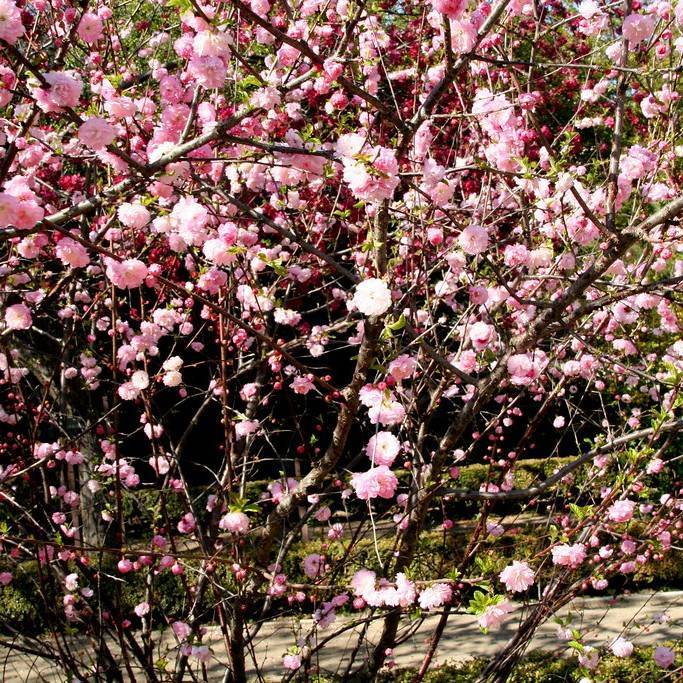
Flowering Almond
Prunus glandulosa
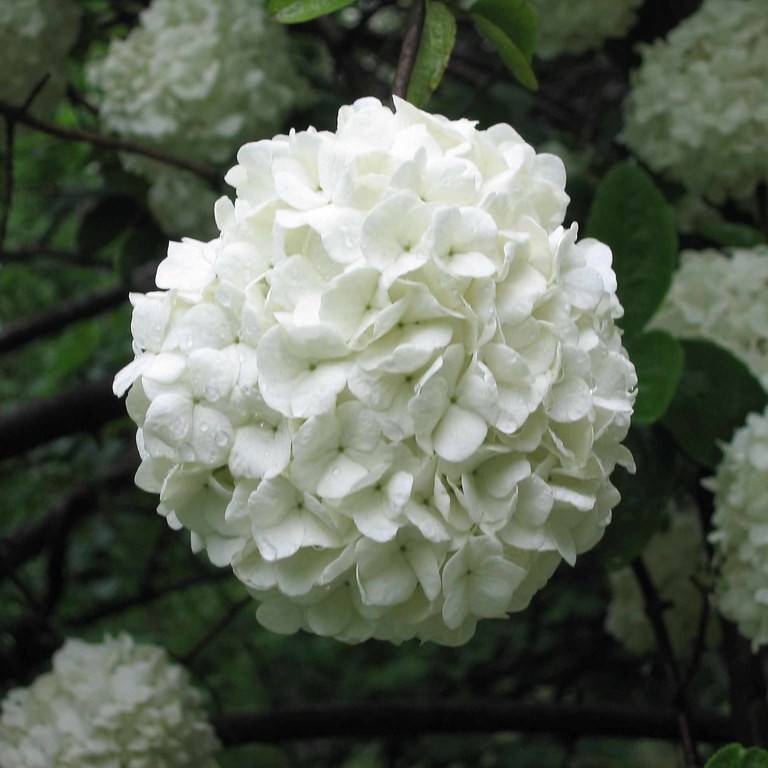
Chinese Snowball Viburnum
Viburnum macrocephalum
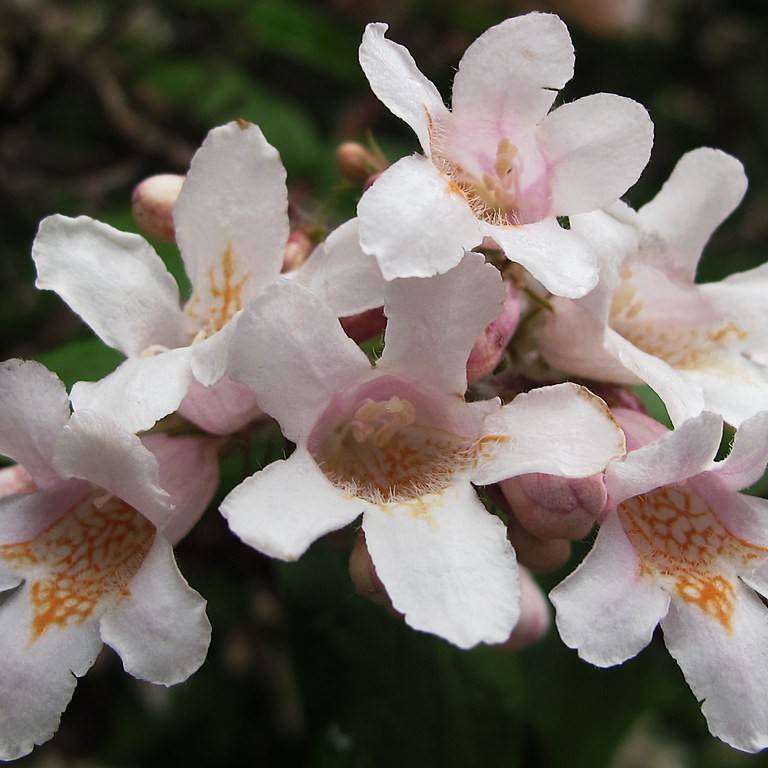
Beautybush
Kolkwitzia amabilis
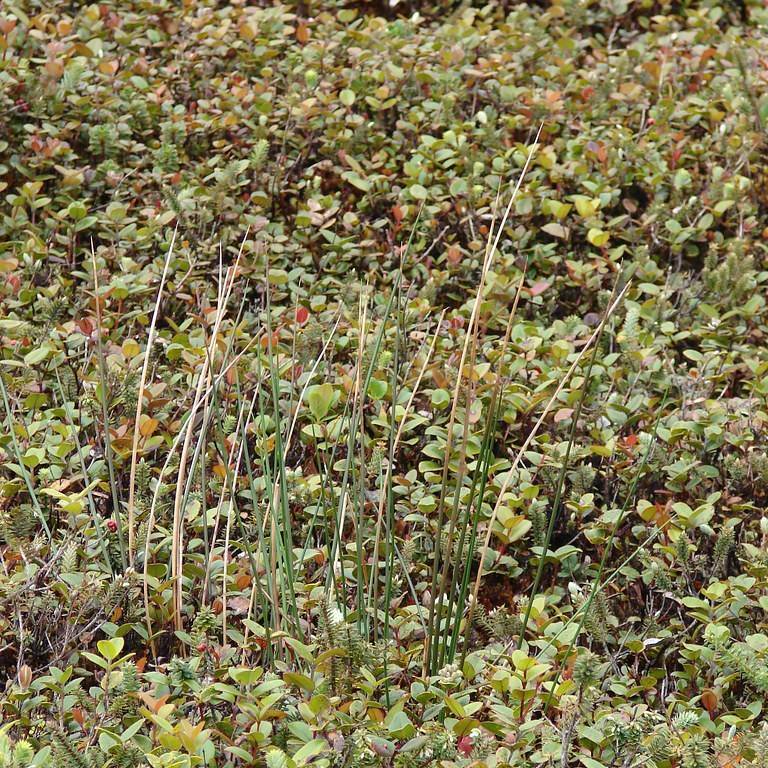
Dwarf Mat Rush
Lomandra confertifolia subsp. pallida 'Little Con'
%22%2F%3E%0A%20%20%20%20%20%20%3Ccircle%20cx%3D%22920%22%20cy%3D%22180%22%20r%3D%2290%22%20fill%3D%22%23cfe8d5%22%2F%3E%0A%20%20%20%20%20%20%3Cpath%20d%3D%22M600%20590c-90-180-215-255-310-280%200%20165%20118%20296%20270%20296h40z%22%20fill%3D%22%2379b88e%22%2F%3E%0A%20%20%20%20%20%20%3Cpath%20d%3D%22M600%20590c80-150%20198-212%20302-228-8%20142-123%20255-270%20255h-32z%22%20fill%3D%22%235c9f73%22%2F%3E%0A%20%20%20%20%20%20%3Cpath%20d%3D%22M600%20610V360%22%20stroke%3D%22%234f8c64%22%20stroke-width%3D%2218%22%20stroke-linecap%3D%22round%22%2F%3E%0A%20%20%20%20%20%20%3Ctext%20x%3D%22600%22%20y%3D%22700%22%20text-anchor%3D%22middle%22%20font-family%3D%22Arial%2C%20sans-serif%22%20font-size%3D%2244%22%20fill%3D%22%23365c45%22%3E%0A%20%20%20%20%20%20%20%20Plant%20image%20coming%20soon%0A%20%20%20%20%20%20%3C%2Ftext%3E%0A%20%20%20%20%3C%2Fsvg%3E%0A%20%20)
Dwarf Flowering Almond
Prunus glandulosa
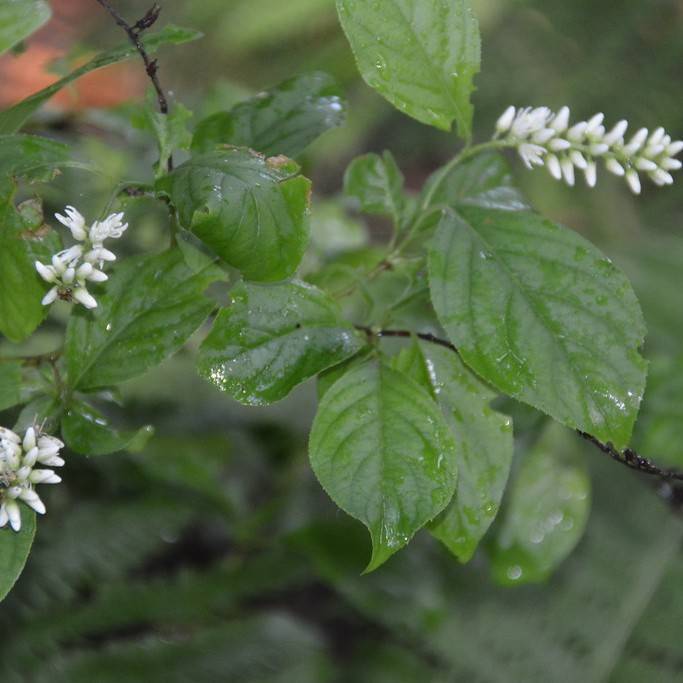
Virginia Sweetspire
Itea virginica
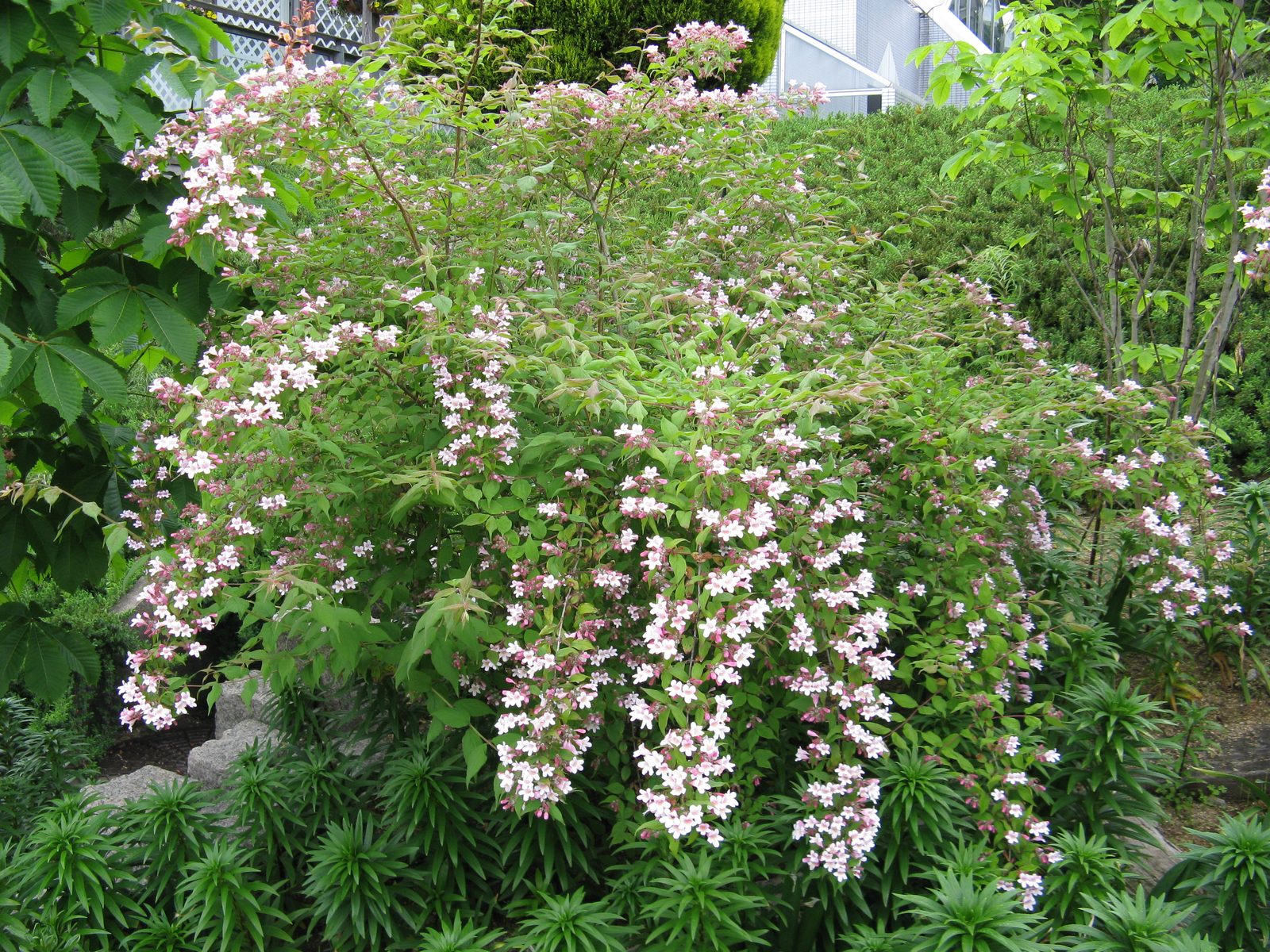
Beauty Bush
Kolkwitzia amabilis
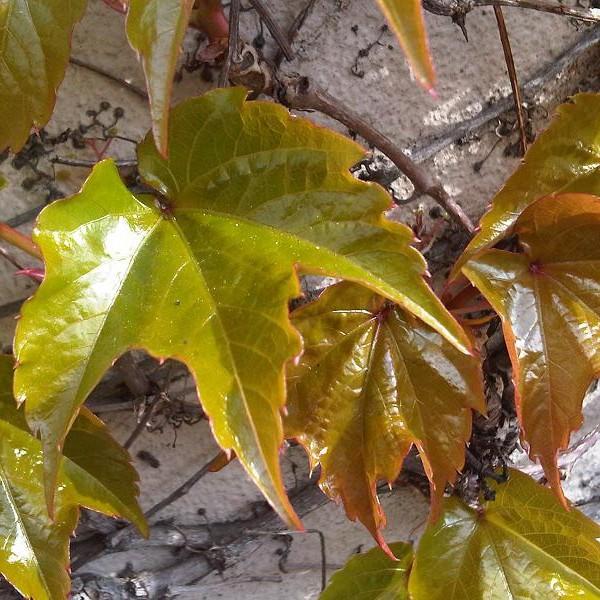
Boston Ivy
Parthenocissus tricuspidata