Boston Ivy
Parthenocissus tricuspidata
Overview
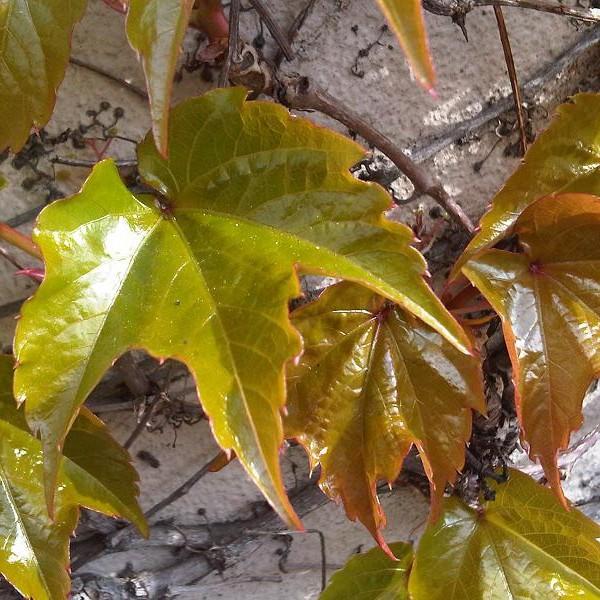
Boston ivy is a vigorous deciduous climber best known for its adhesive tendril tips that grip hard surfaces, allowing it to scale vertical structures without tying or trellis modifications. Its glossy, three-lobed green leaves shift to brilliant shades of crimson, burgundy, and scarlet in fall, making it a popular ornamental for building facades and landscape screening. While often associated with ivy, it is not a true ivy (genus *Hedera*) and is closely related to grapevines, producing small, dark blue-black berries in late summer that attract songbirds. It is widely cultivated across temperate regions for its hardiness, low maintenance needs, and striking seasonal color.
Care Guide
Watering
Water newly planted Boston ivy regularly to keep the soil consistently moist but not waterlogged for the first 1-2 growing seasons until the root system is fully established. Mature plants are highly drought-tolerant, requiring only occasional supplemental watering during extended periods of hot, dry weather, as overwatering can lead to root rot. Avoid overhead watering directly on foliage to reduce the risk of fungal disease development.
Light
Boston ivy thrives in full sun to partial shade, with the most vibrant autumn coloration achieved when plants receive at least 4-6 hours of direct sunlight daily. It can tolerate full shade, though growth may be sparser, foliage will be less dense, and fall color will be significantly muted. In extremely hot climates, provide light afternoon shade to prevent leaf scorch during the peak of summer.
Soil
This adaptable vine grows well in most well-drained soil types, including loam, sandy loam, and clay loam, with a preferred neutral to slightly alkaline pH range of 6.0 to 8.0. It tolerates poor, compacted soils and urban pollution well, making it an excellent choice for city landscapes and roadside plantings. Avoid waterlogged, heavy clay soils that retain excess moisture, as this can cause root decay and stunt growth.
Fertilizer
Fertilize young Boston ivy once annually in early spring with a balanced, slow-release 10-10-10 NPK fertilizer to support vigorous foliage and root development. Mature plants rarely need regular fertilization, as they can obtain sufficient nutrients from surrounding soil, though a light application of nitrogen-rich fertilizer in early spring can boost growth if foliage appears sparse or pale. Do not fertilize after mid-summer, as this can stimulate tender new growth that will be damaged by early fall frosts.
Temperature
Boston ivy is extremely cold-hardy, thriving in USDA hardiness zones 4 through 8, withstanding winter temperatures as low as -30°F (-34°C) without significant damage. It tolerates summer temperatures up to 95°F (35°C) well, though extended heatwaves without rainfall may cause temporary leaf wilting that resolves with watering. Newly planted vines may benefit from a layer of mulch around the root zone in winter to insulate roots from extreme temperature fluctuations in their first 1-2 years.
Pruning
Prune Boston ivy in late winter or early spring while the plant is dormant to remove dead, damaged, or overgrown stems and control its spread away from intended surfaces. Trim back any growth that encroaches on windows, doors, gutters, or roof edges, as the adhesive tendrils can damage paint, wood, and roofing materials if left unmanaged. Regular light pruning during the growing season can also help maintain a neat shape and prevent the vine from smothering nearby plants or structures.
Propagation
The easiest method of propagating Boston ivy is via softwood stem cuttings taken in late spring or early summer, using 4-6 inch (10-15 cm) segments of new growth with at least 2-3 leaf nodes. Remove lower leaves, dip the cut end in rooting hormone powder, and plant in a moist, well-drained potting mix, keeping the cutting in bright, indirect light until roots form in 4-6 weeks. It can also be propagated from seed collected from ripe berries in fall, though seeds require 2-3 months of cold stratification before sowing and will produce plants that grow much slower than cuttings.
Humidity
Boston ivy adapts well to a wide range of humidity levels, thriving in the average 40-60% relative humidity found in most temperate outdoor environments. It tolerates both dry, arid conditions and moderately high humidity without adverse effects, making it suitable for cultivation across most of the continental United States. When grown indoors as a houseplant, mist the foliage occasionally if indoor humidity drops below 30% to prevent leaf edge browning.
Repotting
Boston ivy is rarely grown in containers long-term, as its vigorous root system quickly outgrows pots, but if kept in a container, repot every 1-2 years in early spring before new growth emerges, moving to a pot 2-3 inches larger than the current one. Use a well-drained general-purpose potting mix, and trim back up to one-third of the root ball if you wish to restrict the plant’s size and keep it in the same pot longer. Ensure the container has ample drainage holes to prevent waterlogging, which can quickly lead to root rot in potted specimens.
Uses & Symbolism
Boston ivy is most commonly planted as an ornamental climber to cover building facades, stone walls, fences, and trellises, providing natural insulation that reduces building energy costs by shading exterior surfaces in summer and creating a windbreak in winter. Its dense foliage provides shelter and nesting sites for small birds and pollinators, while its berries are a valuable late-season food source for songbirds. It is also used in erosion control on slopes and hillsides, as its extensive root system holds soil in place to prevent runoff.
Diseases & Pests
Boston ivy is relatively pest and disease resistant, but it can be susceptible to powdery mildew, leaf spot, and canker in overly moist, poorly ventilated conditions, which cause yellowing, spotting, and premature leaf drop. Common pests include aphids, scale insects, and Japanese beetles, which feed on foliage and can cause significant leaf damage if populations are left unmanaged, though they rarely kill established, healthy plants. Root rot can occur in waterlogged, poorly drained soils, leading to wilting, stunted growth, and eventual plant death if drainage is not improved.
Related plants
Other plants you might like if you grow Boston Ivy.
%22%2F%3E%0A%20%20%20%20%20%20%3Ccircle%20cx%3D%22920%22%20cy%3D%22180%22%20r%3D%2290%22%20fill%3D%22%23cfe8d5%22%2F%3E%0A%20%20%20%20%20%20%3Cpath%20d%3D%22M600%20590c-90-180-215-255-310-280%200%20165%20118%20296%20270%20296h40z%22%20fill%3D%22%2379b88e%22%2F%3E%0A%20%20%20%20%20%20%3Cpath%20d%3D%22M600%20590c80-150%20198-212%20302-228-8%20142-123%20255-270%20255h-32z%22%20fill%3D%22%235c9f73%22%2F%3E%0A%20%20%20%20%20%20%3Cpath%20d%3D%22M600%20610V360%22%20stroke%3D%22%234f8c64%22%20stroke-width%3D%2218%22%20stroke-linecap%3D%22round%22%2F%3E%0A%20%20%20%20%20%20%3Ctext%20x%3D%22600%22%20y%3D%22700%22%20text-anchor%3D%22middle%22%20font-family%3D%22Arial%2C%20sans-serif%22%20font-size%3D%2244%22%20fill%3D%22%23365c45%22%3E%0A%20%20%20%20%20%20%20%20Plant%20image%20coming%20soon%0A%20%20%20%20%20%20%3C%2Ftext%3E%0A%20%20%20%20%3C%2Fsvg%3E%0A%20%20)