Lace Shrub
Stephanandra incisa
Overview
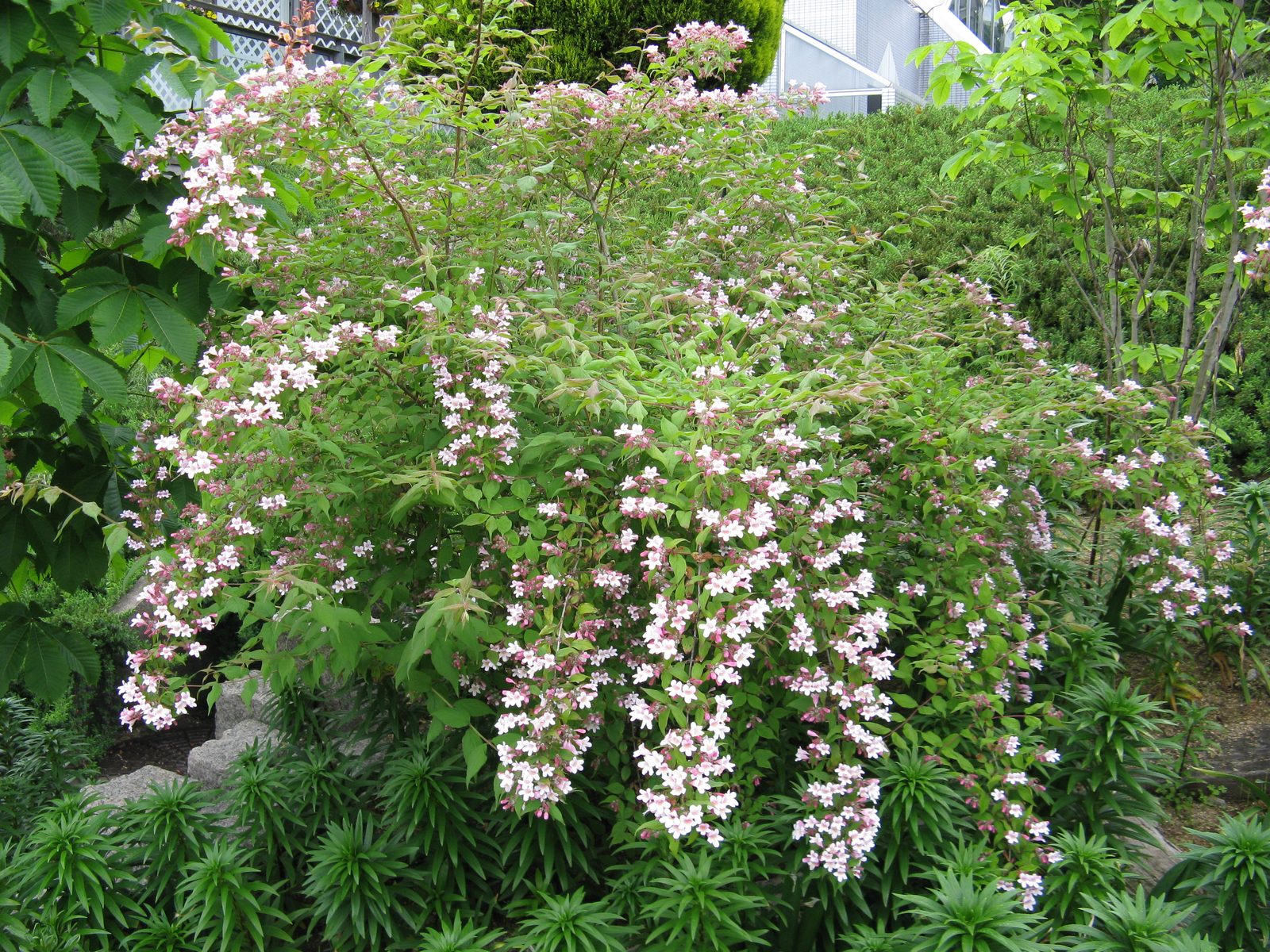
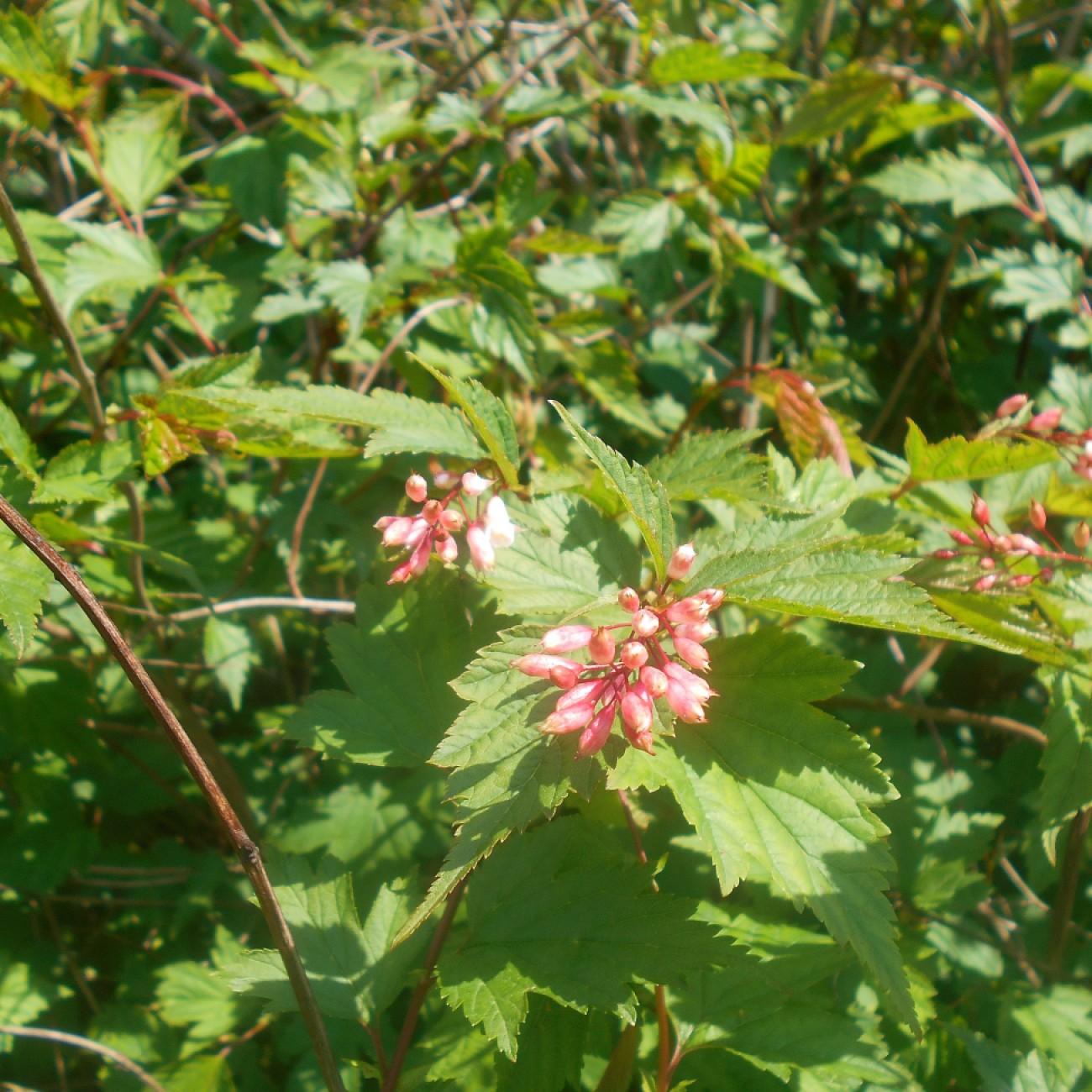
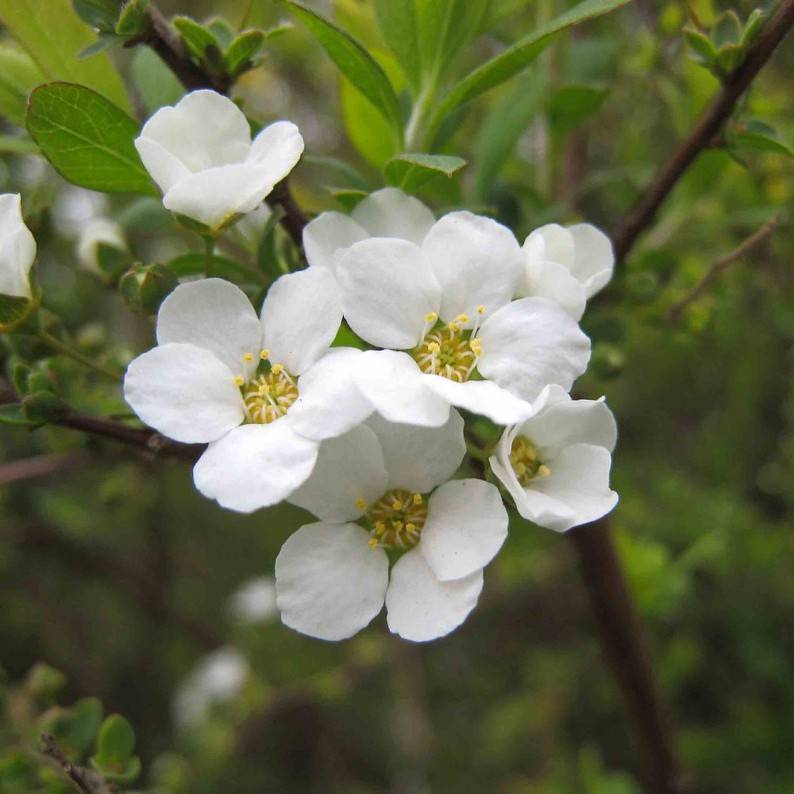
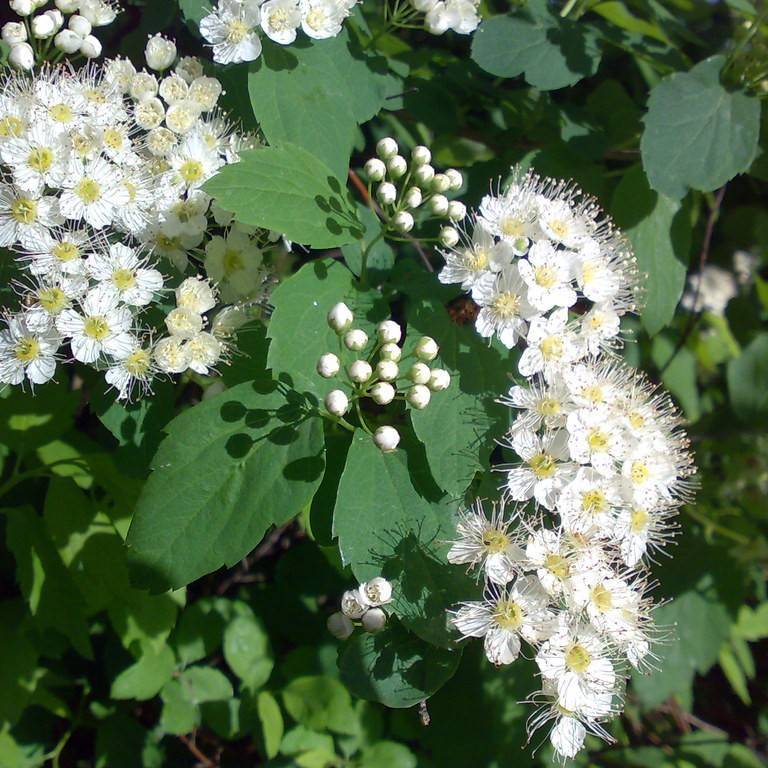
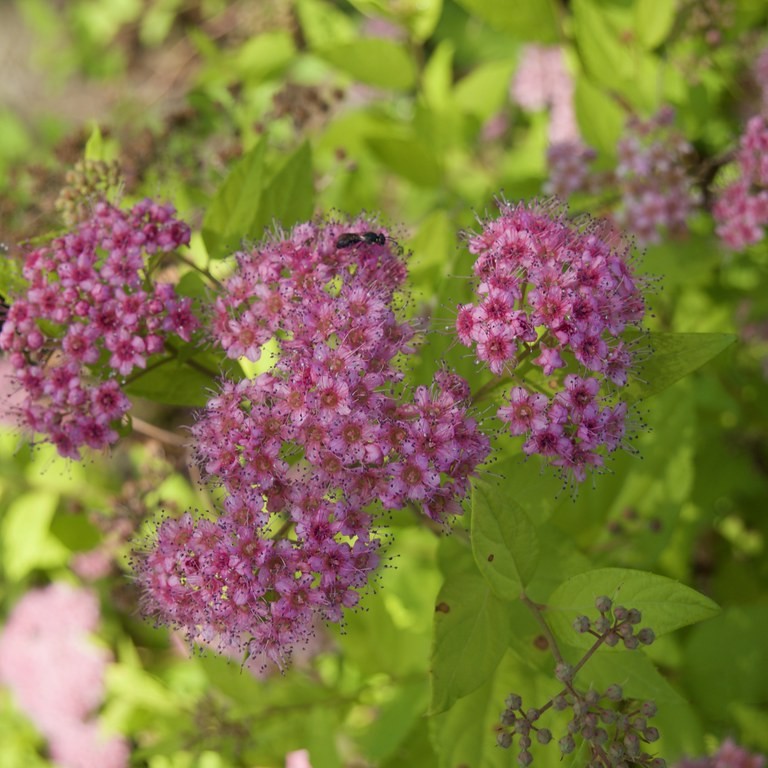
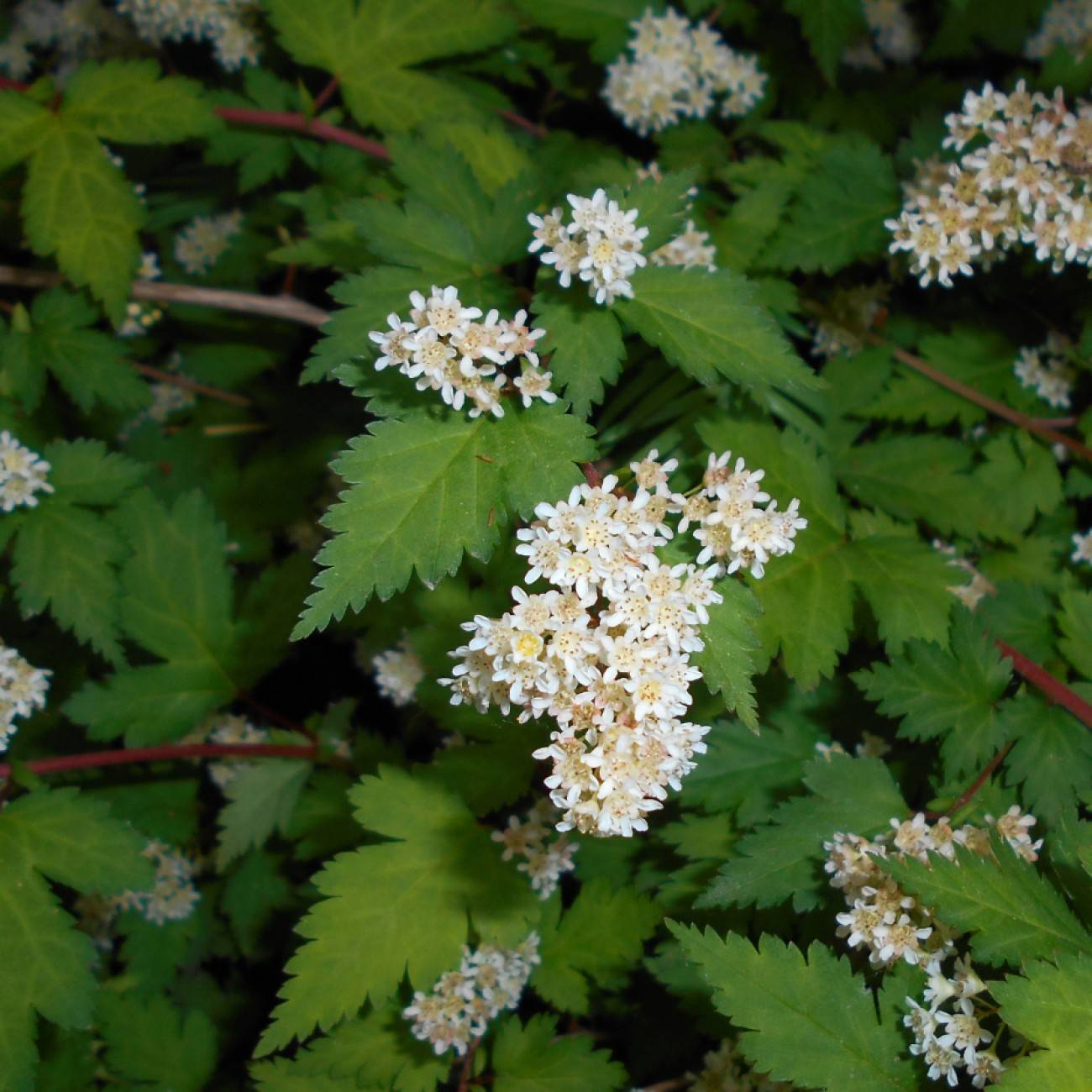
Lace shrub, also called cutleaf stephanandra, is a cold-hardy deciduous shrub valued for its fine, fern-like texture that adds softness to garden landscapes. It produces dense clusters of tiny, star-shaped white flowers in late spring to early summer, followed by inconspicuous dry fruit. In fall, its foliage turns warm shades of yellow, orange, and bronze, extending its seasonal ornamental interest. It naturally forms a dense, mounded shape with arching stems that root where they touch the ground, making it an effective groundcover for sloped areas.
Care Guide
Watering
Water lace shrub regularly during its first growing season to establish a deep, extensive root system, keeping the soil consistently moist but not waterlogged. Once established, it is moderately drought tolerant, only needing supplemental water during extended periods of hot, dry weather. Avoid overwatering, as saturated soil can lead to root rot and other fungal issues.
Light
Lace shrub thrives in full sun to partial shade, with the most vigorous growth and abundant flowering occurring in locations that receive at least 4-6 hours of direct sunlight daily. In regions with very hot, intense summer sun, it benefits from light afternoon shade to prevent leaf scorch and keep foliage looking healthy. It can tolerate full shade, but flowering will be reduced and growth may become sparser and more leggy.
Soil
This adaptable shrub grows best in fertile, well-drained, loamy soil with a slightly acidic to neutral pH range of 5.5 to 7.0. It tolerates a wide range of soil types, including clay, sandy, and poor quality soils, as long as drainage is adequate. It does not perform well in heavily compacted or permanently waterlogged soils, so amending heavy sites with organic matter prior to planting is recommended.
Fertilizer
Fertilize lace shrub in early spring, just before new growth emerges, using a balanced, slow-release all-purpose shrub fertilizer. Apply the fertilizer according to package instructions, spreading it evenly around the base of the plant and watering thoroughly to help nutrients seep into the root zone. Avoid fertilizing after mid-summer, as this can stimulate tender new growth that is vulnerable to damage from early fall frosts.
Temperature
Lace shrub is cold hardy in USDA zones 4 through 8, tolerating winter temperatures as low as -30°F (-34°C) without significant damage. It adapts well to a wide range of summer temperatures, though extreme heat above 90°F (32°C) may cause temporary leaf wilting if the plant is not receiving enough moisture. Young plants may benefit from a layer of winter mulch in the coldest parts of its range to protect shallow roots from freeze-thaw cycles.
Pruning
Prune lace shrub immediately after flowering ends in late spring or early summer to avoid cutting off next year’s flower buds, which form on old wood. Remove any dead, damaged, or crossing stems first, then thin out up to one-third of the oldest stems at ground level to encourage fresh, vigorous new growth and improve air circulation through the plant. If the shrub becomes overgrown or leggy, it can be cut back nearly to ground level in late winter for a full rejuvenation, as it regrows quickly from rootstock.
Propagation
Lace shrub is most easily propagated by stem cuttings taken in mid to late summer, using 4-6 inch semi-hardwood cuttings from the current year’s growth, dipped in rooting hormone and planted in a moist, well-drained propagation medium. It also propagates readily from the naturally occurring layering stems, which root where they touch the soil; these rooted stems can be severed from the parent plant and transplanted in early spring or fall. While it can be grown from seed, germination is slow and inconsistent, so vegetative propagation methods are preferred for cultivated plants.
Humidity
Lace shrub adapts well to average ambient humidity levels found in most temperate garden environments, requiring no special humidity adjustments. It tolerates both moderately dry and moderately humid conditions, as long as its soil moisture needs are met. High humidity combined with poor air circulation can increase the risk of foliar fungal diseases, so space plants appropriately to allow for good airflow around foliage.
Repotting
Lace shrub is almost exclusively grown as an outdoor landscape plant and is not suitable for long-term container growth, so repotting is rarely necessary. If temporarily potted for transplanting, keep the root ball intact and plant it in its permanent landscape location as soon as possible, preferably during the dormant season in early spring or late fall. When transplanting established shrubs, dig a root ball at least 12 inches wide for every foot of shrub height to minimize root damage and reduce transplant shock.
Uses & Symbolism
Lace shrub is primarily used as an ornamental landscape plant, ideal for mass planting as a groundcover on slopes, in mixed shrub borders, or as a low informal hedge to define garden spaces. Its fine, lacy foliage provides excellent textural contrast to broadleaf evergreens, large-leaved perennials, and flowering shrubs in garden designs. It is also sometimes planted for erosion control on sloped sites, as its spreading, rooting stems hold soil in place effectively.
Diseases & Pests
Lace shrub is relatively pest and disease resistant, with few serious issues affecting healthy, properly sited plants. Fungal diseases such as leaf spot and powdery mildew may occur in conditions of high humidity and poor air circulation, but these are rarely fatal and can be managed by improving airflow and avoiding overhead watering. Occasional pests include aphids, scale insects, and spider mites, which can be controlled with insecticidal soap or horticultural oil if infestations become severe.
Related plants
Other plants you might like if you grow Lace Shrub.
%22%2F%3E%0A%20%20%20%20%20%20%3Ccircle%20cx%3D%22920%22%20cy%3D%22180%22%20r%3D%2290%22%20fill%3D%22%23cfe8d5%22%2F%3E%0A%20%20%20%20%20%20%3Cpath%20d%3D%22M600%20590c-90-180-215-255-310-280%200%20165%20118%20296%20270%20296h40z%22%20fill%3D%22%2379b88e%22%2F%3E%0A%20%20%20%20%20%20%3Cpath%20d%3D%22M600%20590c80-150%20198-212%20302-228-8%20142-123%20255-270%20255h-32z%22%20fill%3D%22%235c9f73%22%2F%3E%0A%20%20%20%20%20%20%3Cpath%20d%3D%22M600%20610V360%22%20stroke%3D%22%234f8c64%22%20stroke-width%3D%2218%22%20stroke-linecap%3D%22round%22%2F%3E%0A%20%20%20%20%20%20%3Ctext%20x%3D%22600%22%20y%3D%22700%22%20text-anchor%3D%22middle%22%20font-family%3D%22Arial%2C%20sans-serif%22%20font-size%3D%2244%22%20fill%3D%22%23365c45%22%3E%0A%20%20%20%20%20%20%20%20Plant%20image%20coming%20soon%0A%20%20%20%20%20%20%3C%2Ftext%3E%0A%20%20%20%20%3C%2Fsvg%3E%0A%20%20)