Douglas Fir
Pseudotsuga menziesii
Overview
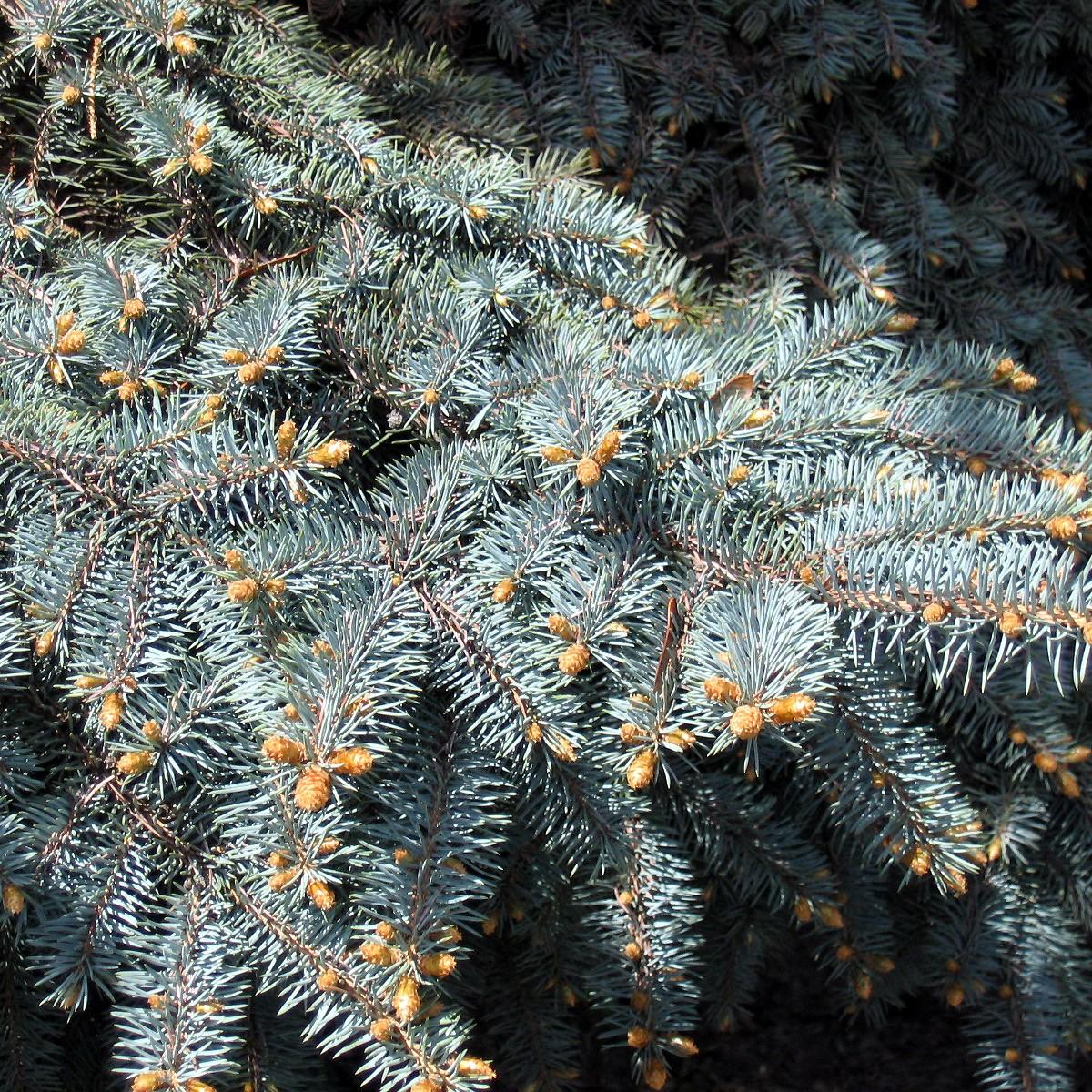
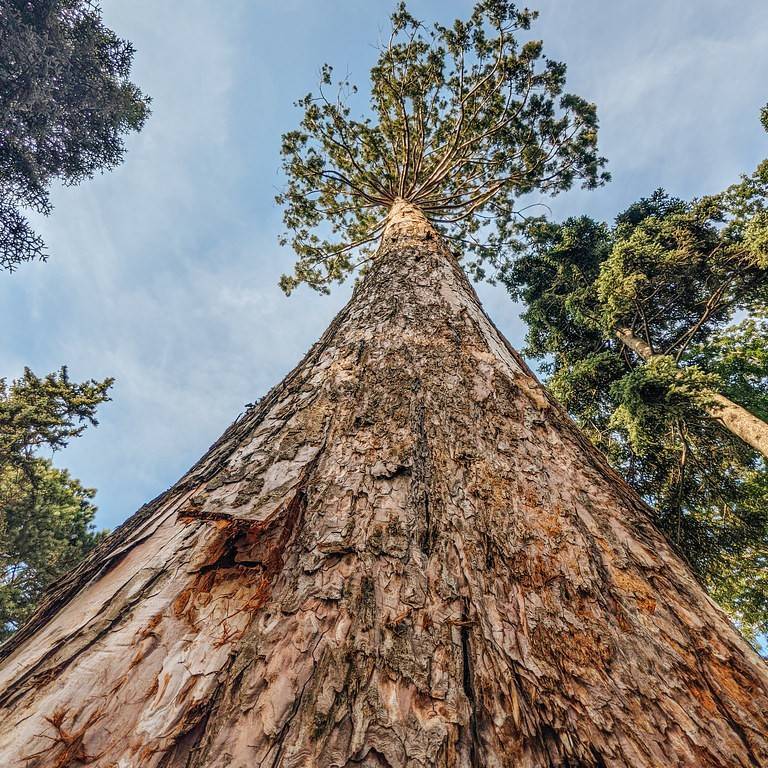
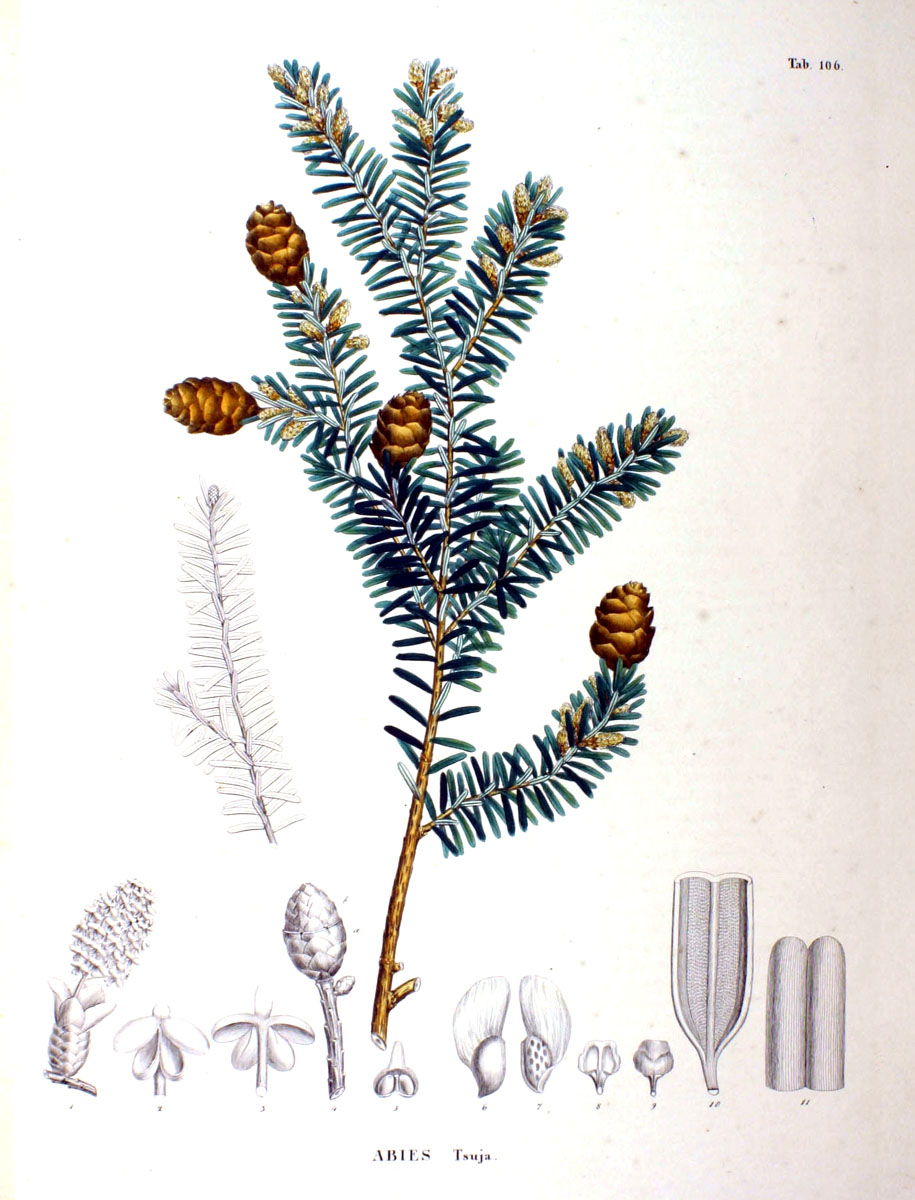
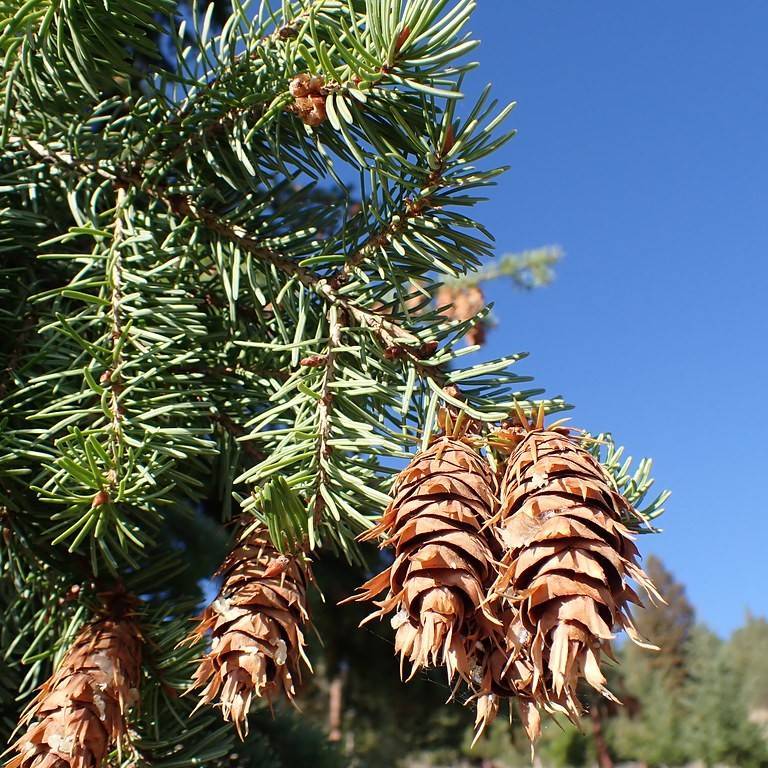
Douglas fir is not a true fir, belonging to the separate Pseudotsuga genus recognizable by its three-pointed bracts protruding from under cone scales. Two primary varieties exist: the taller coastal Douglas fir (var. menziesii) of Pacific Northwest rainforests, and the smaller, more drought-tolerant Rocky Mountain Douglas fir (var. glauca) of interior mountain ranges. Wild specimens can live for over 1,000 years, with thick, furrowed bark that provides natural fire resistance in mature trees.
Care Guide
Watering
Water young Douglas firs deeply once or twice weekly during dry periods, allowing the top 2-3 inches of soil to dry out slightly between waterings to prevent root rot. Mature, established trees are highly drought-tolerant, only requiring supplemental water during extended periods of extreme heat or prolonged drought. Avoid overwatering, especially in heavy clay soils, as this species is sensitive to saturated root conditions.
Light
Douglas fir thrives in full, direct sunlight, requiring a minimum of 6 hours of unobstructed light daily for optimal growth and dense foliage. It can tolerate partial shade when young, but prolonged low light will lead to sparse, leggy growth and increased vulnerability to pest infestations. For landscape specimens, plant in an open area away from taller shading trees to support full, symmetrical development.
Soil
This conifer prefers well-drained, loamy or sandy soils with a slightly acidic to neutral pH range of 5.0 to 7.0, though it can adapt to slightly alkaline soils in mild climates. It will not tolerate poorly drained, waterlogged soils, which can cause fatal root rot within a single growing season. Amending heavy clay soils with compost or coarse sand at planting time will improve drainage and support healthy root establishment.
Fertilizer
Young Douglas firs benefit from a slow-release, balanced evergreen fertilizer applied once annually in early spring, before new growth emerges, to support root and foliage development. Mature, established trees rarely require fertilization, as they can access sufficient nutrients from surrounding soil and decomposing leaf litter. Avoid high-nitrogen fertilizers, which can promote excessive, weak new growth that is susceptible to winter damage and pest infestations.
Temperature
Coastal Douglas fir varieties thrive in cool, temperate climates with average winter temperatures between 20-40°F (-7-4°C) and summer temperatures below 85°F (29°C), while Rocky Mountain varieties can tolerate winter lows down to -40°F (-40°C). This species is not well-suited to hot, humid subtropical or tropical climates, where high temperatures and moisture stress will stunt growth and increase disease risk. Young saplings require winter protection from harsh, drying winds and extreme cold snaps for their first 2-3 years after planting.
Pruning
Prune Douglas fir in late winter or early spring before new growth begins, removing only dead, damaged, or diseased branches to maintain plant health. Avoid heavy pruning into old, bare wood, as this species does not produce new growth from dormant buds on older, leafless stems, leaving permanent bare patches. To maintain a compact shape for ornamental specimens, lightly trim the new soft growth (candles) in late spring, cutting back no more than one-third of the new growth length.
Propagation
Douglas fir is most commonly propagated from seed, which requires 30-90 days of cold stratification in moist, refrigerated conditions to break dormancy before sowing in spring. Semi-hardwood cuttings taken from young, healthy trees in late summer can also root successfully, though they require consistent moisture and rooting hormone to achieve acceptable success rates. Grafting is used primarily for propagating named ornamental cultivars, as seed-grown trees will not retain the exact characteristics of the parent plant.
Humidity
Coastal Douglas fir varieties prefer moderate to high humidity levels between 40-70%, consistent with their native rainforest habitats, while Rocky Mountain varieties tolerate much drier air down to 20% humidity. In arid climates, regular misting of young saplings or placement of a humidity tray near potted specimens will prevent needle browning and drop. Avoid placing indoor potted Douglas fir near heating or air conditioning vents, which produce extreme, drying air flow that damages foliage.
Repotting
Potted Douglas fir saplings should be repotted every 2-3 years in early spring, before new growth emerges, moving to a container only 2-3 inches larger than the current pot to avoid excess soil moisture retention. Use a well-drained evergreen potting mix amended with perlite or pine bark to improve aeration and drainage, and ensure the container has multiple drainage holes to prevent standing water. Mature landscape specimens do not require transplanting, as they develop deep, extensive root systems that are easily damaged during movement.
Uses & Symbolism
Douglas fir is one of the most important timber species in North America, prized for its strong, durable wood used in construction, furniture, flooring, and paper production. It is widely planted as an ornamental landscape tree for large yards, parks, and windbreaks, and is a popular choice for cut Christmas trees due to its soft, fragrant needles and symmetrical shape. The tree also provides critical wildlife habitat, with seeds consumed by squirrels, chipmunks, and numerous bird species, and dense foliage offering shelter for small mammals and nesting birds.
Diseases & Pests
Douglas fir is susceptible to several fungal pathogens, including Swiss needle cast, which causes premature needle drop and stunted growth in high-humidity coastal regions, and root rot from Phytophthora species, which occurs in waterlogged soils. Common pests include Douglas fir tussock moth, western spruce budworm, and bark beetles, which can defoliate or kill stressed trees, especially during periods of drought or heat stress. Proper siting in well-drained soil, adequate spacing for air circulation, and avoiding water stress will reduce the risk of most pest and disease issues.
Related plants
Other plants you might like if you grow Douglas Fir.