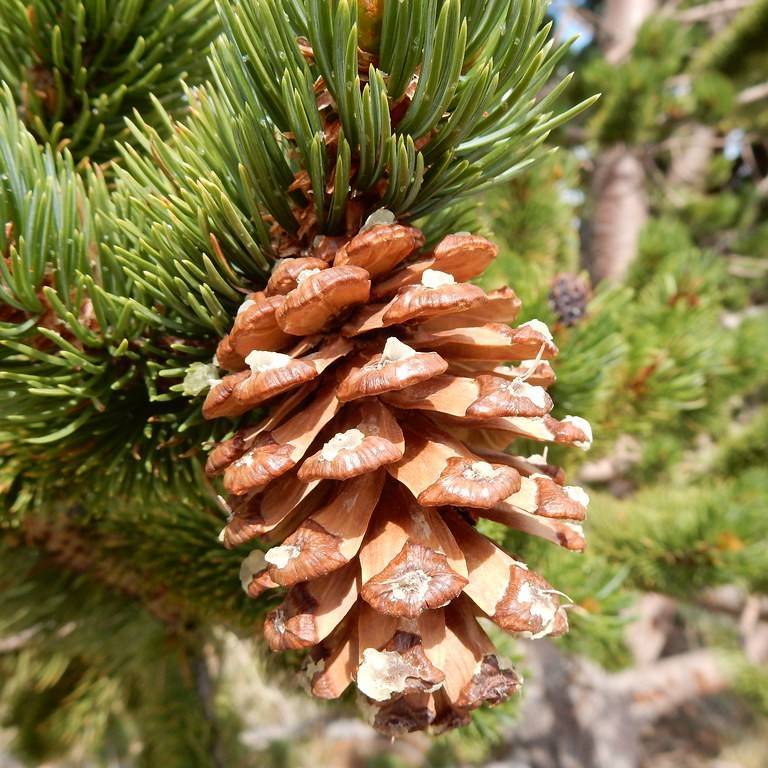
Bristlecone Pine
Pinus longaeva
Overview
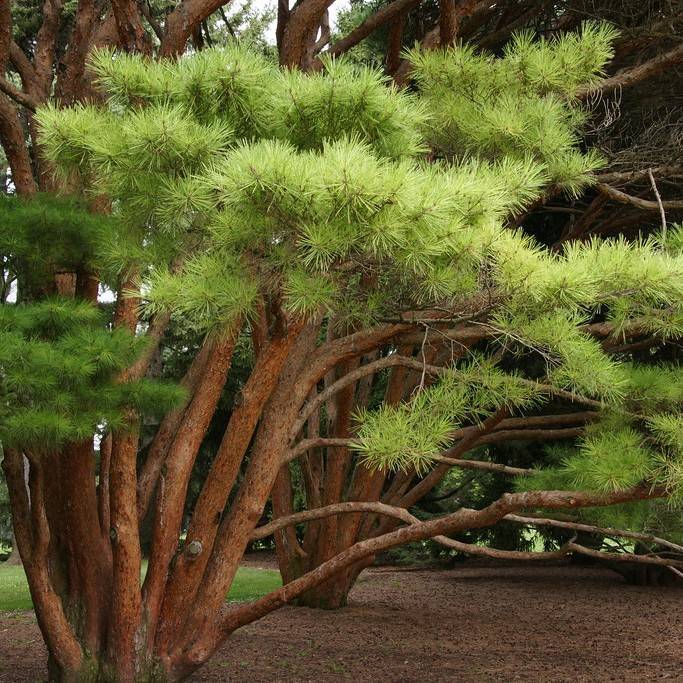
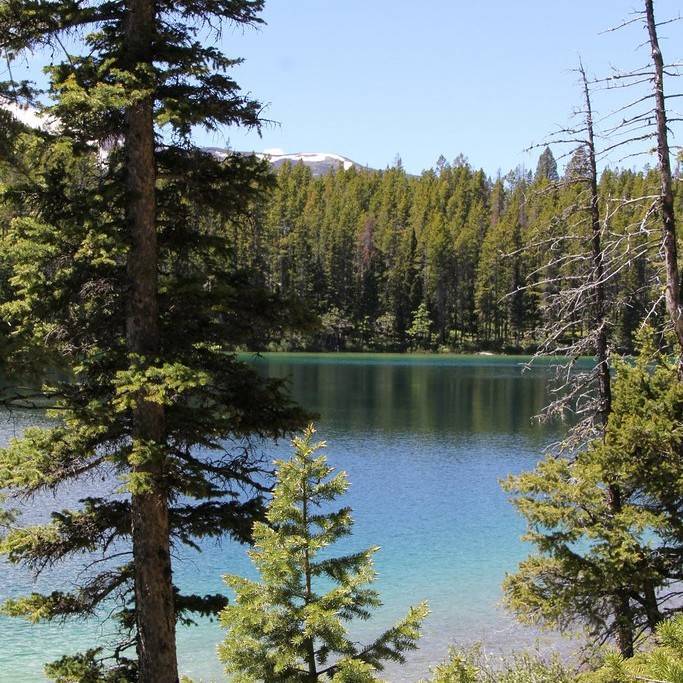
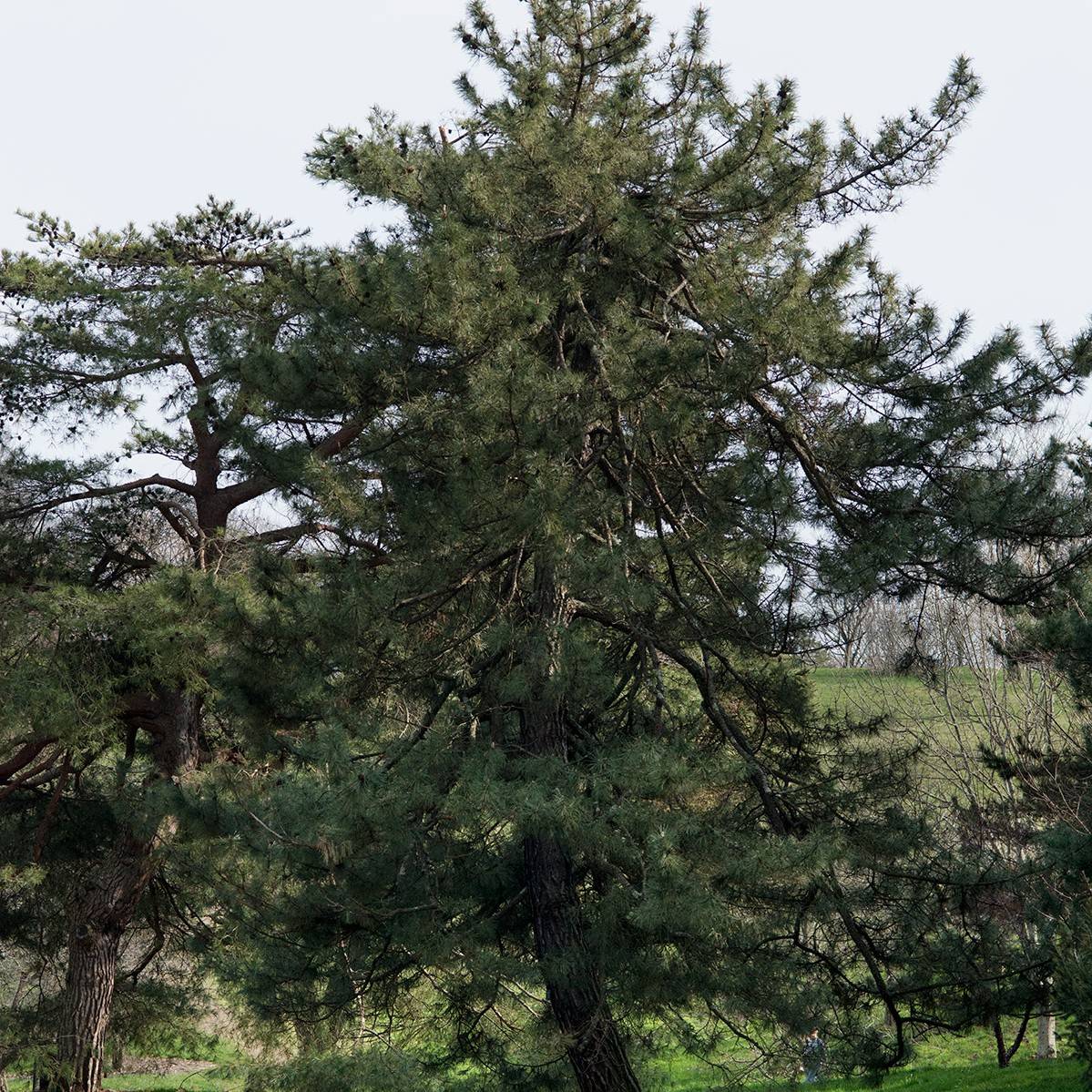
Bristlecone pines are celebrated for their exceptional longevity, with some wild specimens exceeding 5,000 years of age, making them the oldest known non-clonal living organisms. Their gnarled, weathered trunks and compact, dark green needle clusters are adapted to harsh, high-altitude conditions including strong winds, poor rocky soil, and extreme temperature fluctuations. In cultivation, they are highly valued as ornamental specimen trees for rock gardens, xeriscapes, and bonsai, prized for their unique, rugged appearance and low maintenance needs.
Care Guide
Watering
Bristlecone pines are extremely drought-tolerant, requiring infrequent, deep watering once established; overwatering is the most common cause of cultivation failure, leading to root rot. Young trees need occasional supplemental water during extended dry spells for the first 2-3 years after planting, while mature specimens can survive entirely on natural rainfall in most temperate regions. Avoid allowing the root zone to remain saturated for prolonged periods, especially during cooler winter months.
Light
This species thrives in full, direct sunlight, requiring a minimum of 6 hours of unobstructed sun daily to maintain healthy growth and dense foliage. It will not tolerate heavy shade, which leads to sparse needles, weak growth, and increased susceptibility to pest and disease issues. When grown as a bonsai or container plant, place it in a south or west-facing window or outdoors in a full-sun location year-round where climate allows.
Soil
Bristlecone pines require extremely well-drained, low-nutrient, rocky or sandy soil with a slightly acidic to neutral pH between 6.0 and 7.5. Heavy, clay-rich soils that retain moisture are unsuitable, as they will quickly cause root rot; amend heavy planting sites with coarse sand, pumice, or crushed granite to improve drainage before planting. For container or bonsai culture, use a mix formulated for conifers, consisting of 70% inorganic material such as perlite or pumice and 30% organic matter like pine bark fines.
Fertilizer
This slow-growing species has very low nutrient requirements, and over-fertilization can cause excessive, weak growth that is vulnerable to cold damage and pest infestations. Mature planted specimens rarely need supplemental fertilization; if growth is exceptionally sparse, apply a dilute, balanced slow-release fertilizer once per year in early spring at half the recommended strength for other conifers. Container-grown or bonsai bristlecone pines can be fed with a very dilute, low-nitrogen fertilizer once every 4-6 weeks during the active growing season, skipping fertilization entirely in fall and winter.
Temperature
Bristlecone pines are exceptionally cold-hardy, tolerating winter temperatures as low as -50°F (-46°C) when established, and can withstand summer temperatures up to 90°F (32°C) in well-drained soil with adequate airflow. They require a period of cold dormancy during winter, with temperatures consistently below 45°F (7°C) for 2-3 months annually to maintain healthy growth, making them unsuitable for tropical or warm-winter climates without artificial cooling. Sudden extreme temperature swings, such as late spring frosts after new growth emerges, can damage tender new needles, so protect young specimens from unexpected cold snaps.
Pruning
Pruning is rarely required for bristlecone pines, as their natural growth habit is slow and compact; remove only dead, damaged, or diseased branches as needed, ideally during late winter dormancy. For bonsai specimens, light structural pruning and pinching of new candle growth in late spring can be done to maintain the desired shape, but avoid removing more than 10% of the tree’s foliage in a single year to avoid stressing the plant. Always use sharp, sterilized pruning tools to prevent the spread of fungal pathogens, and seal large cuts with a tree wound dressing if desired.
Propagation
Bristlecone pines are most commonly propagated from seed, which requires a 30-90 day period of cold stratification to break dormancy before sowing in well-drained, sandy seed starting mix. Germination is slow and inconsistent, often taking 1-3 months, and young seedlings grow very slowly, reaching only 2-3 inches in height in their first 2-3 years of growth. Vegetative propagation from cuttings is possible but has a very low success rate, even when using rooting hormone and high-humidity propagation chambers, so seed propagation is preferred for most growers.
Humidity
Bristlecone pines are adapted to the low-humidity conditions of high mountain environments, thriving in relative humidity levels between 30% and 50%. They do not tolerate high humidity combined with warm temperatures and wet soil, which creates ideal conditions for fungal root rot and needle blight. When grown indoors as a container or bonsai plant, avoid placing it near humidifiers, steamy bathrooms, or kitchen vents, and ensure consistent airflow around the foliage to reduce excess moisture buildup.
Repotting
Mature bristlecone pines in the landscape never require repotting, but container-grown or bonsai specimens need repotting only every 5-10 years, as their slow growth means they take an extremely long time to become root-bound. Repot during late winter dormancy, gently trimming only 10-15% of the outer root mass to avoid shocking the slow-growing plant, and refresh the growing medium with a well-drained, low-nutrient conifer mix. After repotting, water lightly and place the tree in a sheltered, partially shaded location for 2-3 weeks to allow roots to re-establish before returning it to full sun.
Uses & Symbolism
Wild bristlecone pines are critical to high-altitude ecosystems, providing habitat and limited food for mountain wildlife, and their annual growth rings are used by scientists to reconstruct thousands of years of climate data. In cultivation, they are popular as slow-growing ornamental specimen trees for xeriscapes, rock gardens, and alpine gardens, valued for their unique rugged form and extreme drought and cold tolerance. They are also highly prized for bonsai culture, as their natural gnarled growth habit and slow growth allow enthusiasts to create long-lived, expressive miniature specimens that mimic the appearance of ancient wild trees.
Diseases & Pests
Bristlecone pines are highly resistant to most pests and diseases in their native habitat, but cultivated specimens can be susceptible to root rot caused by overwatering and poorly drained soil, which is the most common cause of death in garden settings. Needle blight and rust fungi may occasionally affect foliage in high-humidity conditions, causing yellowing or browning of needles, which can be managed by improving airflow around the tree and removing infected foliage. Rarely, bark beetles, pine sawflies, and aphids may infest stressed trees, which can be controlled with horticultural oil sprays applied during the dormant season.
Related plants
Other plants you might like if you grow Bristlecone Pine.