Chinese Red Pine
Pinus tabuliformis
Overview
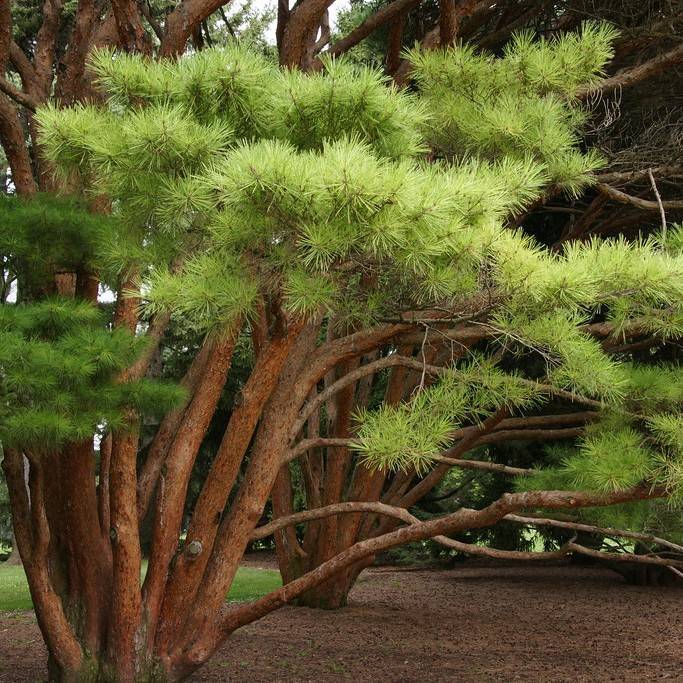
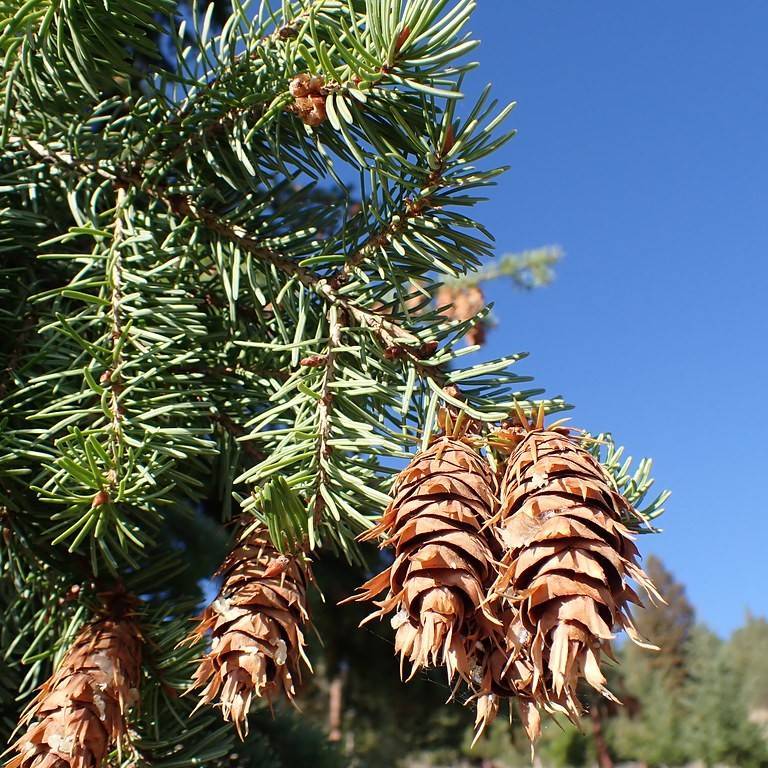
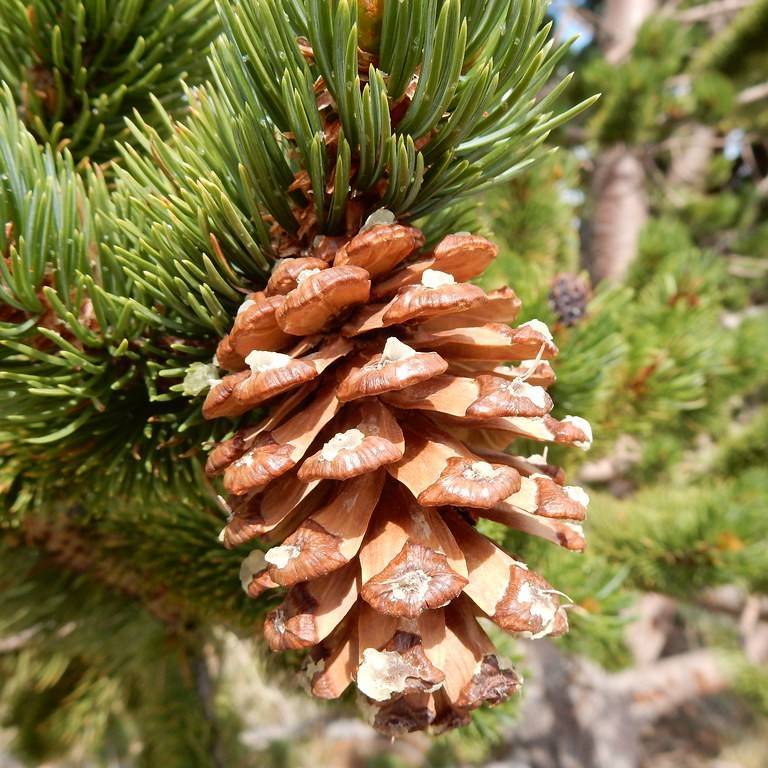
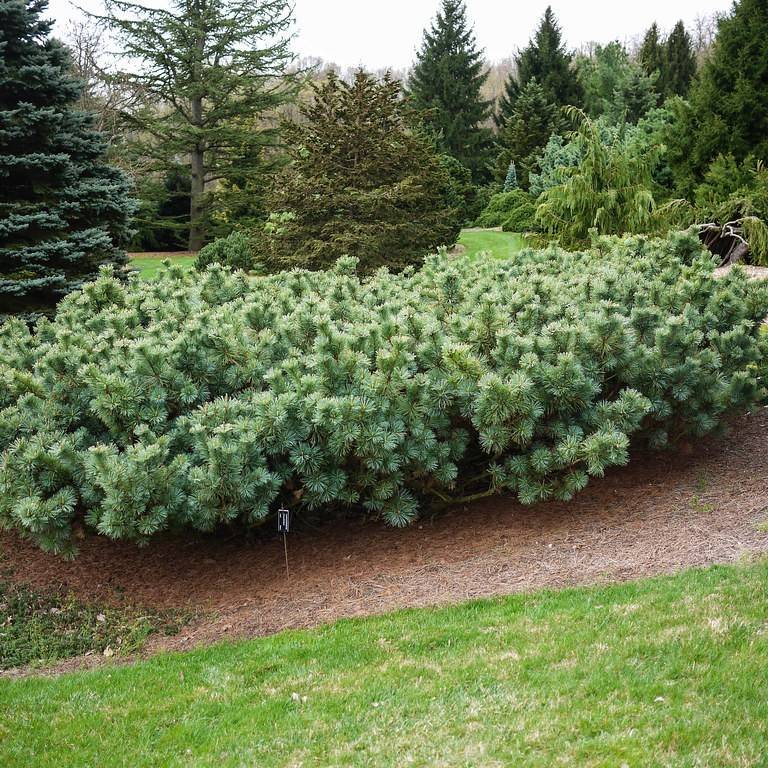
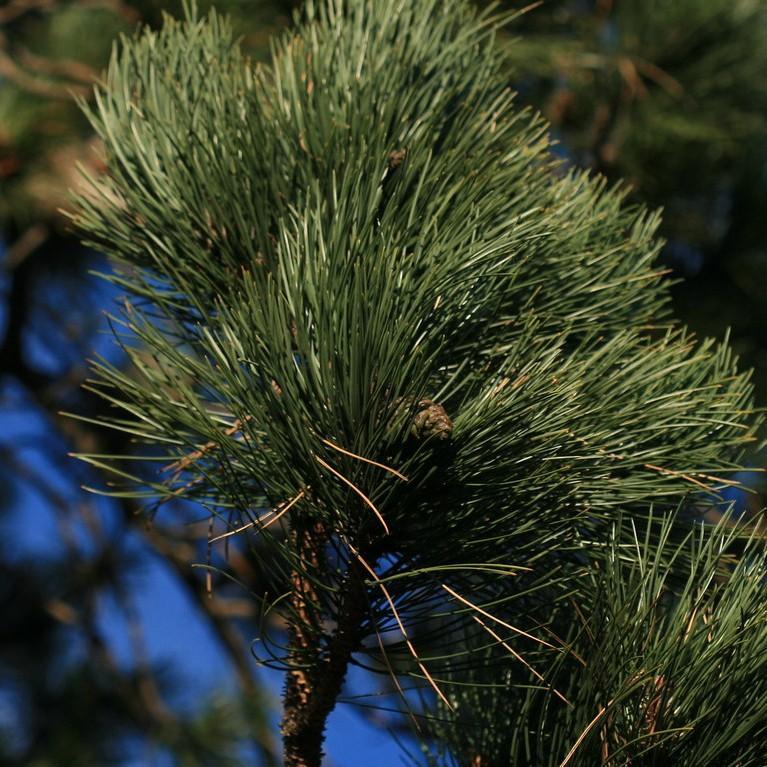
Chinese Red Pine is a slow-growing evergreen conifer recognizable by its broad, flattened crown, dark green twisted needles, and mature bark that peels to reveal a striking reddish-orange inner layer. It is highly adapted to harsh, dry climates and poor, rocky soils, making it a popular choice for reforestation, windbreaks, and landscape specimens across temperate regions. Mature trees produce large, woody cones that release small, edible seeds dispersed by birds and small mammals.
Care Guide
Watering
Water young Chinese Red Pines regularly during the first 2-3 years to establish deep root systems, allowing the top 3-4 inches of soil to dry out between waterings. Once established, the species is extremely drought-tolerant, requiring only occasional supplemental water during extended periods of extreme heat or drought, and overwatering can lead to root rot. Avoid watering the foliage directly to reduce the risk of fungal infections.
Light
Chinese Red Pine thrives in full, direct sunlight, requiring a minimum of 6 hours of unobstructed light daily to maintain dense, healthy foliage and a strong structural form. It cannot tolerate heavy shade, which will cause sparse growth, weak branches, and increased susceptibility to pest infestations. For container-grown specimens, place them in a south or west-facing location to ensure adequate light exposure.
Soil
This pine adapts well to a wide range of soil types, including sandy, loam, and rocky soils, as long as the medium is well-draining; it cannot tolerate waterlogged or heavy clay soils that hold excess moisture. It prefers a slightly acidic to neutral pH range of 5.5 to 7.5, but can also tolerate mildly alkaline conditions better than many other pine species. Amending heavy soils with sand or organic matter at planting time will improve drainage and support healthier root growth.
Fertilizer
Mature Chinese Red Pines rarely require fertilization, as they are adapted to low-nutrient soils and will thrive without regular feeding. Young, actively growing specimens can benefit from a slow-release, balanced evergreen fertilizer applied once annually in early spring, before new growth emerges, to support strong root and foliage development. Avoid high-nitrogen fertilizers, which can cause overly rapid, weak growth that is prone to breakage in wind or snow.
Temperature
Chinese Red Pine is extremely cold-hardy, tolerating winter temperatures as low as -30°F (-34°C), making it suitable for growing in USDA hardiness zones 4 through 9. It also tolerates high summer temperatures up to 100°F (38°C) as long as it has adequate root moisture and good air circulation. Sudden, extreme temperature fluctuations in late spring can damage tender new growth, so young specimens may benefit from light protection during unseasonable cold snaps.
Pruning
Prune Chinese Red Pine in late winter or early spring before new growth emerges, removing only dead, damaged, or crossing branches to maintain a strong structural form and improve air circulation. To encourage denser foliage, you can pinch back half of the new 'candles' (soft new growth shoots) in late spring, which stimulates the production of additional side shoots. Avoid heavy pruning of older, woody branches, as the species does not readily produce new growth from bare wood, and over-pruning can permanently disfigure the tree.
Propagation
Chinese Red Pine is most commonly propagated from seed, which requires cold stratification for 30-60 days to break dormancy before sowing in well-draining, sterile seed starting mix. Cuttings can be taken from young, semi-hardwood shoots in late summer, but they have a low success rate and require the use of rooting hormone and consistent high humidity to encourage root formation. Grafting onto hardy pine rootstock is the preferred method for propagating specific cultivars to ensure consistent growth traits and disease resistance.
Humidity
This species is highly adaptable to a wide range of humidity levels, thriving in both the dry, arid conditions of its native northern habitats and the moderately humid climates of temperate regions. It does not require supplemental humidity, even when grown in containers indoors, as long as it has good air circulation to prevent fungal growth on foliage. High humidity combined with poor air circulation and wet foliage can increase the risk of needle blight and other fungal diseases, so avoid placing specimens in enclosed, stagnant air environments.
Repotting
Container-grown Chinese Red Pines, often used for bonsai or patio specimens, should be repotted every 2-3 years in early spring before new growth emerges, to refresh the soil and prevent root binding. When repotting, gently prune back up to one-third of the root mass, removing any circling or rotting roots, and repot into a slightly larger container with a well-draining, gritty pine soil mix. After repotting, water thoroughly and keep the tree in a partially shaded location for 2-3 weeks to allow roots to recover before returning it to full sun.
Uses & Symbolism
Chinese Red Pine is widely planted for reforestation, erosion control, and windbreaks in northern China, where its deep root system stabilizes poor, rocky soils and its dense foliage reduces wind damage to agricultural lands. Its strong, durable, resin-rich timber is used for construction, furniture making, and paper production, while its resin is harvested for use in traditional Chinese medicine and industrial products. It is also a popular ornamental tree for large landscapes and bonsai cultivation, prized for its striking reddish bark and rugged, picturesque growth form.
Diseases & Pests
Chinese Red Pine is relatively resistant to most pests and diseases, but can be susceptible to pine wilt nematode, a deadly pest spread by sawyer beetles that causes rapid yellowing of foliage and tree death within a few months of infection. Fungal diseases such as needle blight and rust can occur in conditions of high humidity and poor air circulation, causing browning and premature dropping of needles, and can be managed by improving air flow and applying fungicide if necessary. Pine bark beetles and scale insects may infest stressed trees, boring into the bark and sucking sap, weakening the tree and making it more susceptible to secondary infections; infestations can be treated with horticultural oil or insecticide, and prevented by maintaining tree health through proper watering and fertilization.
Related plants
Other plants you might like if you grow Chinese Red Pine.