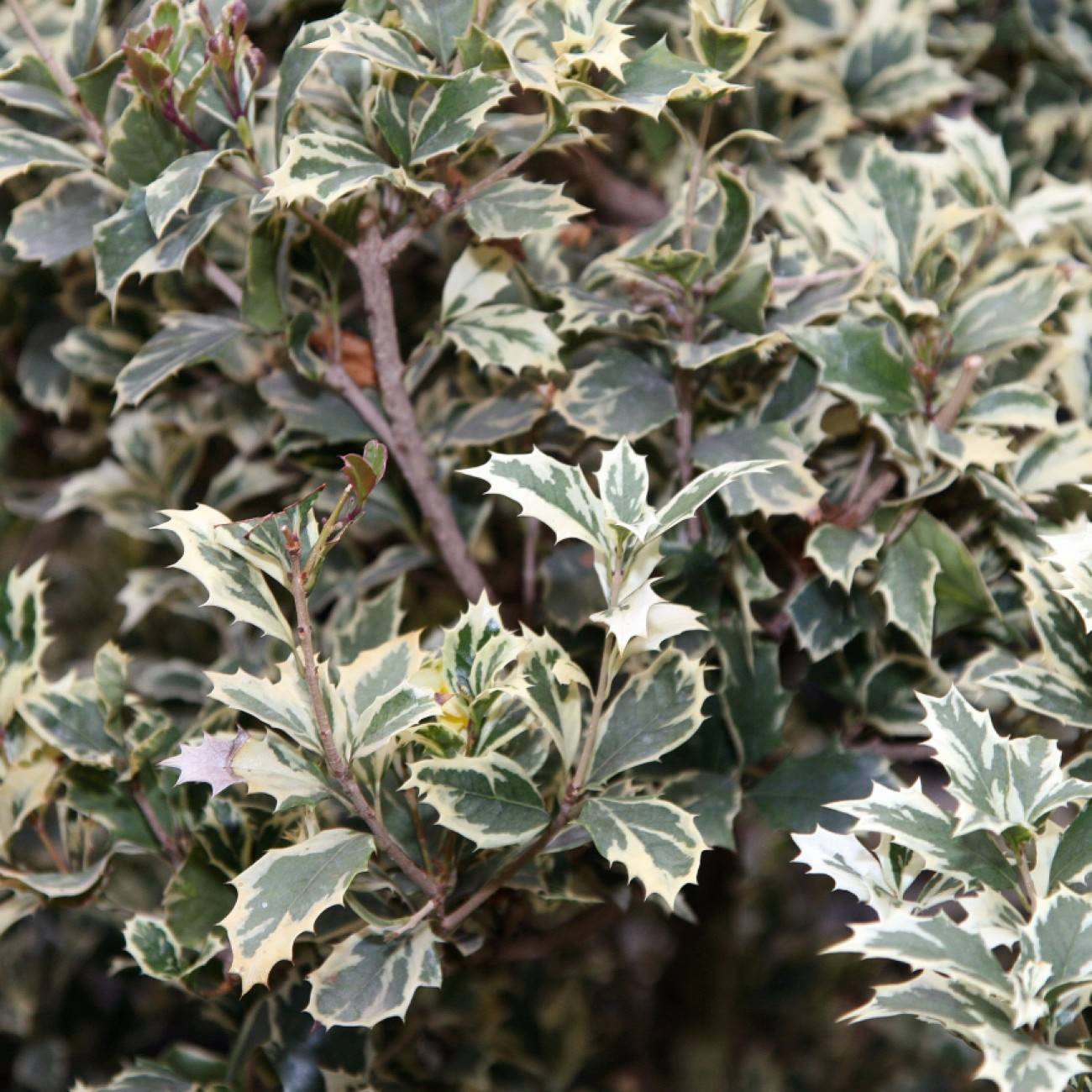
Holly Olive
Osmanthus heterophyllus
Overview
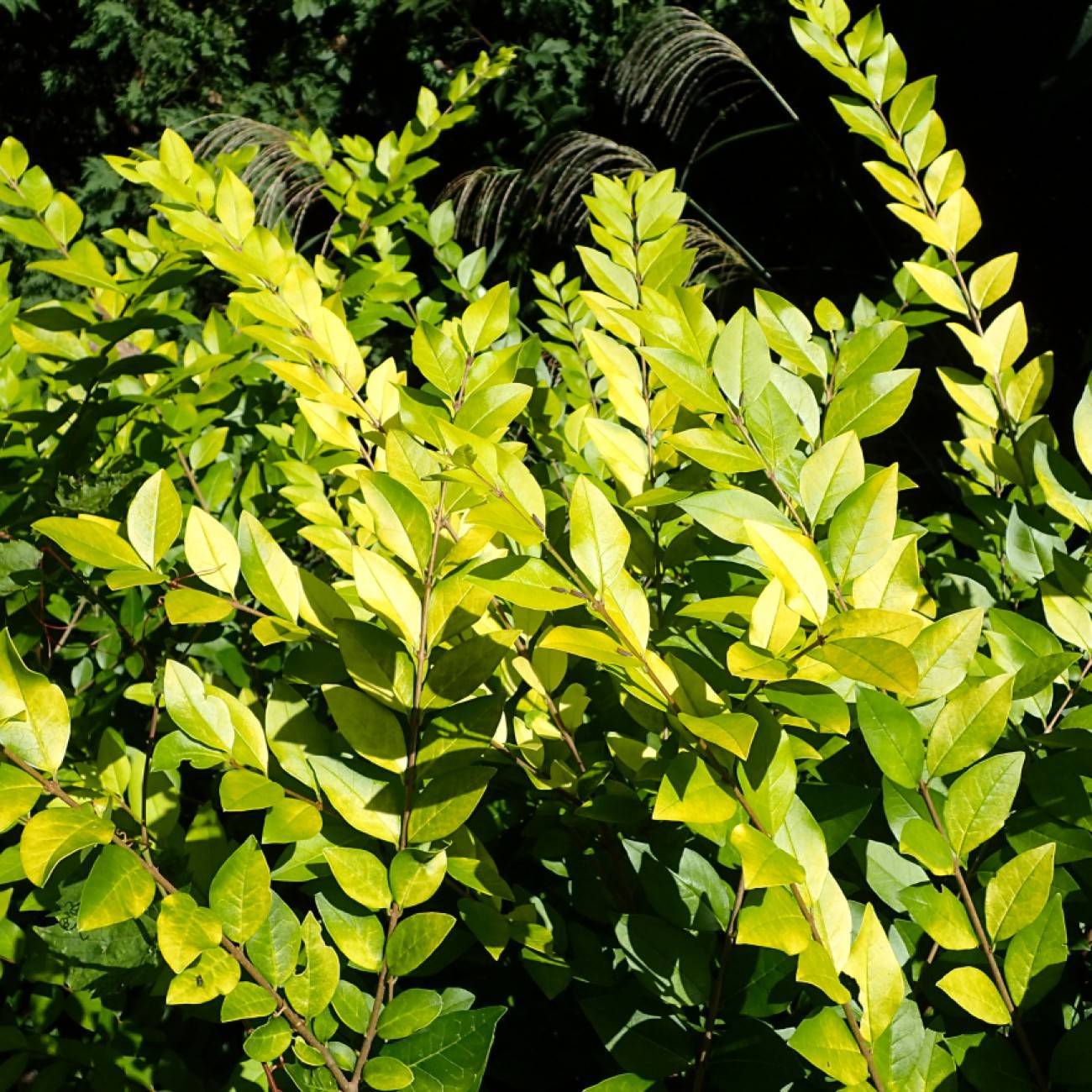
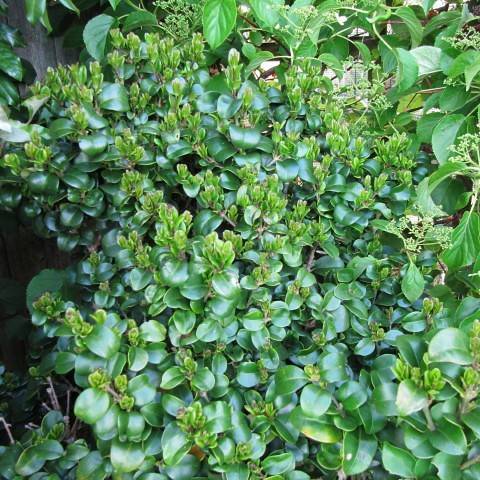
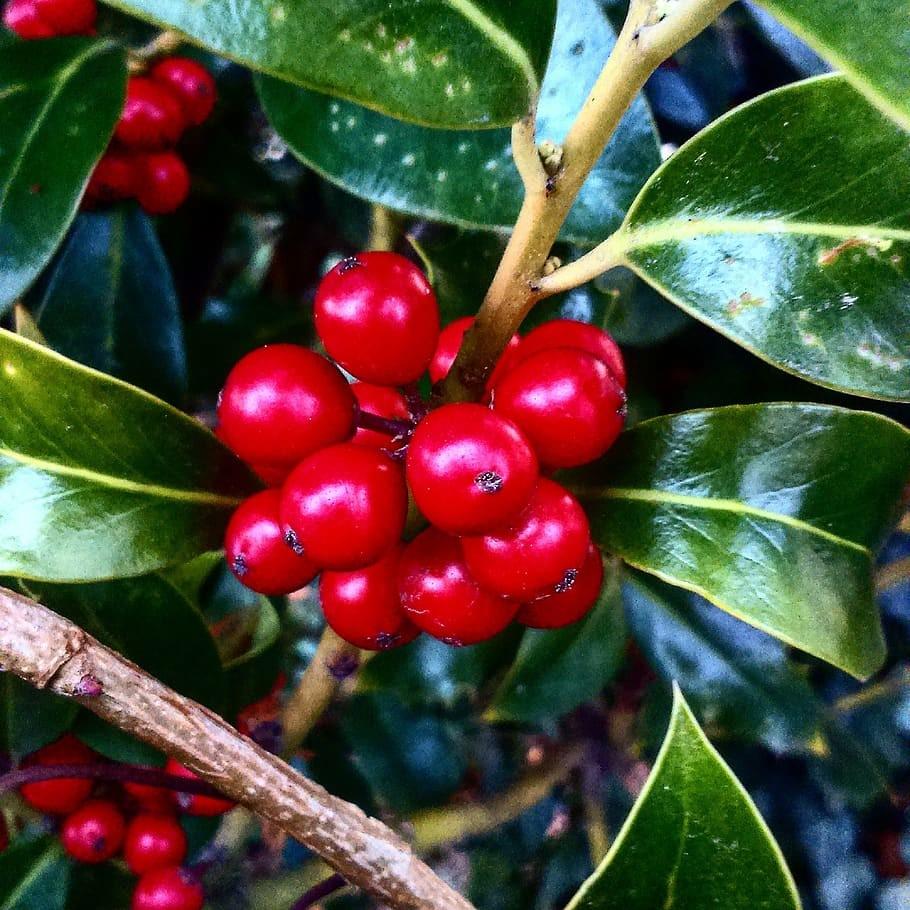
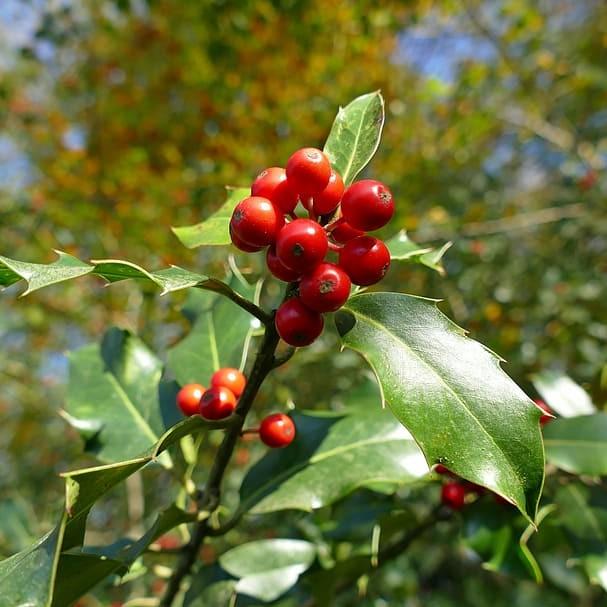
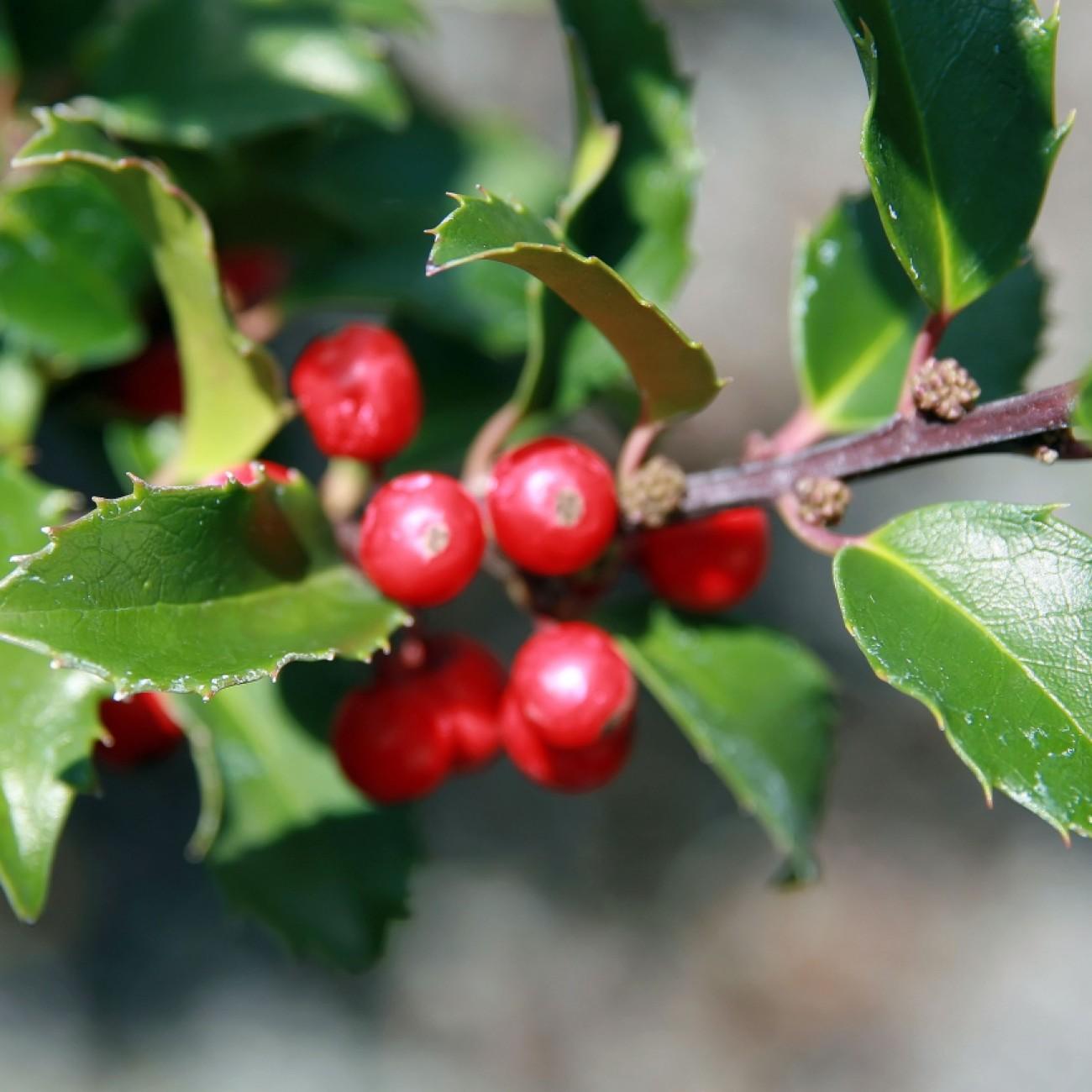
Holly olive is a slow-growing evergreen shrub often mistaken for true holly due to its glossy, spiny-margined leaves, though it belongs to the olive family rather than the Aquifoliaceae. It produces clusters of tiny, tubular white flowers in late summer to fall that emit a strong, sweet, jasmine-like fragrance detectable from several feet away. Female plants bear small, oval, dark blue-black drupes in winter that provide food for native bird species. It is highly adaptable to a range of growing conditions, making it a popular choice for low-maintenance landscapes in temperate regions.
Care Guide
Watering
Water holly olive regularly during its first growing season to establish a deep, extensive root system, keeping the soil consistently moist but not waterlogged. Once established, it is moderately drought tolerant, requiring supplemental watering only during extended periods of hot, dry weather. Avoid overwatering, as soggy soil can lead to root rot, especially in poorly drained sites.
Light
Holly olive grows best in full sun to partial shade, with full sun exposure encouraging denser foliage and more abundant flower production. It can tolerate full shade, though growth may become leggier and flowering will be reduced. In regions with extremely hot, intense summer sun, light afternoon shade helps prevent leaf scorch.
Soil
This shrub adapts to a wide range of soil types, including sandy, loam, and clay soils, as long as the site offers good drainage. It prefers a slightly acidic to neutral soil pH between 6.0 and 7.5, though it can tolerate mildly alkaline conditions as well. Amending heavy clay soil with organic matter prior to planting improves drainage and supports healthier root growth.
Fertilizer
Fertilize holly olive once annually in early spring before new growth emerges using a balanced, slow-release shrub fertilizer formulated for evergreen plants. Avoid over-fertilizing, as excessive nitrogen can lead to overly lush growth that is more susceptible to pest damage and winter injury in cooler climates. No additional fertilization is needed during the growing season unless the plant shows clear signs of nutrient deficiency such as yellowing leaves.
Temperature
Holly olive thrives in temperate climates, with a hardiness range of USDA zones 7 to 9, tolerating minimum winter temperatures down to 0°F (-18°C). It can tolerate occasional light frosts without damage, though young plants may benefit from winter protection such as a layer of mulch around the root zone in colder parts of its range. Extreme summer heat above 95°F (35°C) is generally well-tolerated if the plant has adequate access to moisture.
Pruning
Prune holly olive in late winter or early spring before new growth begins to shape the plant, remove dead or damaged branches, and maintain its desired size. It responds very well to heavy pruning and can be sheared into formal hedges or topiaries, though informal pruning preserves its natural rounded shape and maximizes flower production. Avoid pruning after mid-summer, as this can remove the developing flower buds that produce the plant's signature fall fragrance.
Propagation
Holly olive is most commonly propagated from semi-hardwood cuttings taken in late summer or early fall, which root reliably when treated with rooting hormone and kept in a warm, humid environment. It can also be grown from seed, though seeds require a period of cold stratification to germinate and may take several years to reach flowering size. Cultivars are typically propagated from cuttings to preserve their unique foliage and growth characteristics.
Humidity
Holly olive tolerates a wide range of humidity levels, thriving in the moderate humidity of its native East Asian habitats as well as the drier conditions found in many temperate landscapes. It does not require any supplemental humidity when grown outdoors, though indoor container specimens benefit from occasional misting if indoor air is extremely dry during the winter months. High humidity levels do not negatively impact the plant as long as there is adequate air circulation around the foliage.
Repotting
Container-grown holly olive should be repotted every 2 to 3 years in early spring before new growth starts, moving it to a pot one size larger with fresh, well-draining potting mix. Choose a pot with drainage holes to prevent waterlogging, and add a layer of gravel or broken pottery at the bottom to improve drainage. Mature specimens can be root-pruned and repotted into the same container to restrict their size if a smaller plant is desired.
Uses & Symbolism
Holly olive is widely used in ornamental landscaping as a specimen shrub, informal screen, formal hedge, or topiary, valued for its year-round evergreen foliage, fragrant flowers, and low maintenance requirements. Its spiny leaves make it an effective barrier planting for security purposes, as the sharp edges deter foot traffic through planted areas. The fragrant flowers are sometimes used in perfumery and potpourri, and the plant has minor applications in traditional East Asian medicine for treating minor ailments.
Diseases & Pests
Holly olive is relatively pest and disease resistant, though it can occasionally be affected by scale insects, spider mites, and aphids, which can be controlled with horticultural oil or insecticidal soap. Root rot can occur in poorly drained soils or with overwatering, leading to yellowing leaves, wilting, and eventual plant death if not addressed. Fungal leaf spot may appear in conditions of high humidity and poor air circulation, but it is rarely severe and can be managed by removing affected foliage and improving airflow around the plant.
Related plants
Other plants you might like if you grow Holly Olive.