Creeping Sedge
Carex reptabunda
Overview
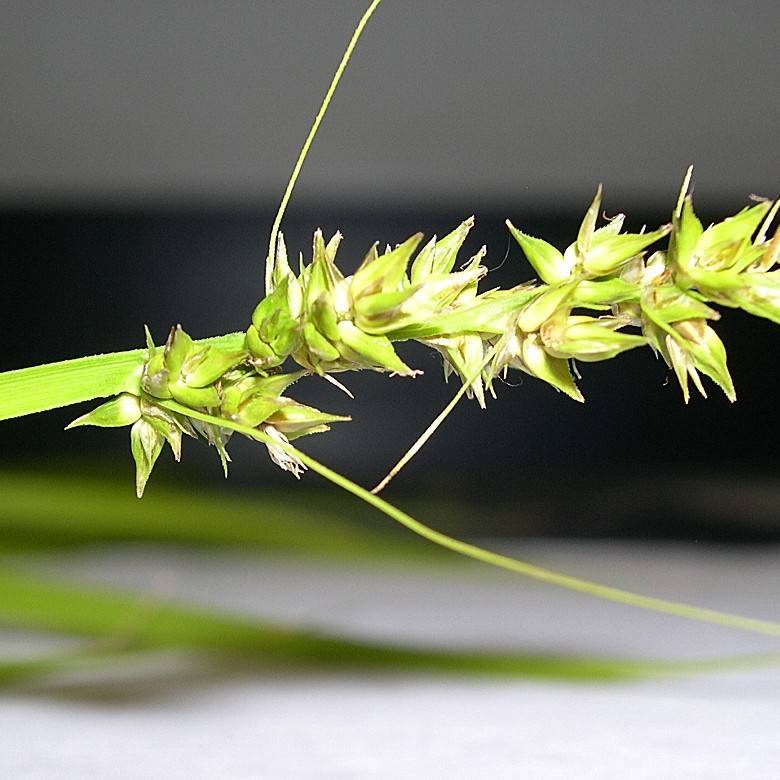
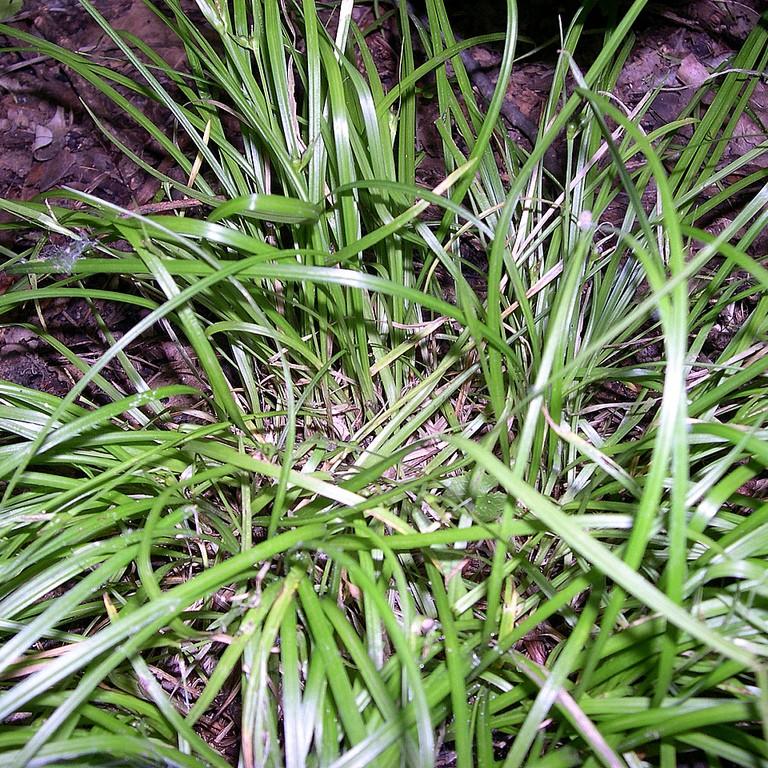
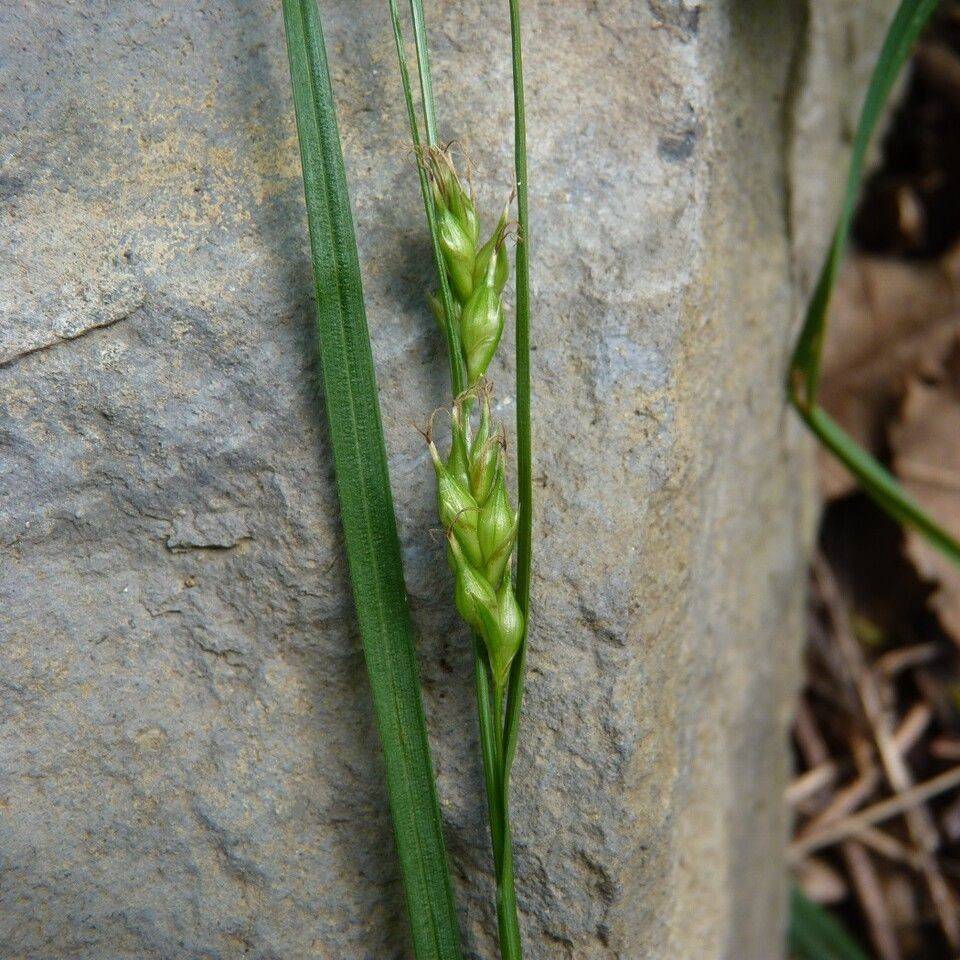
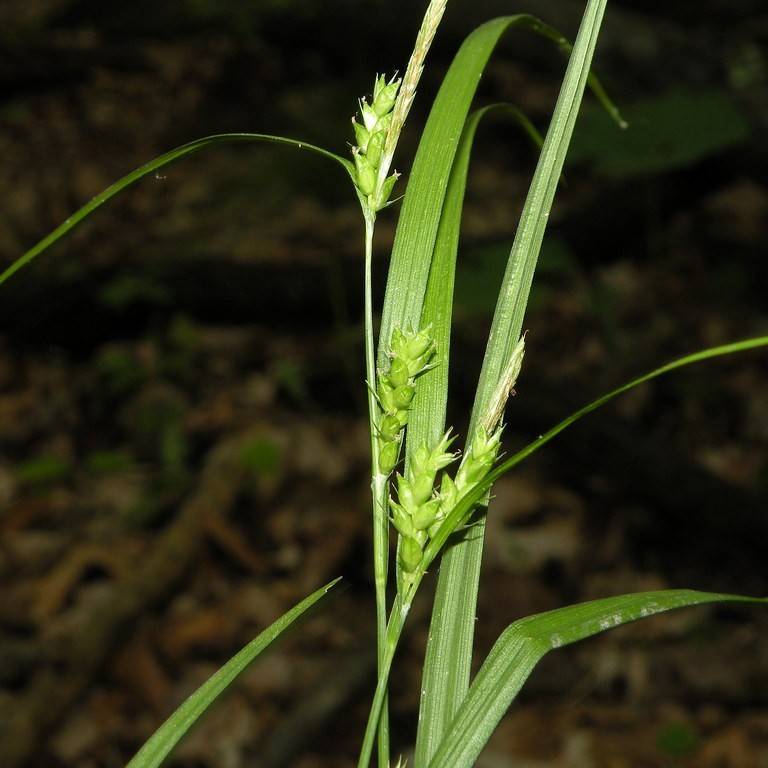
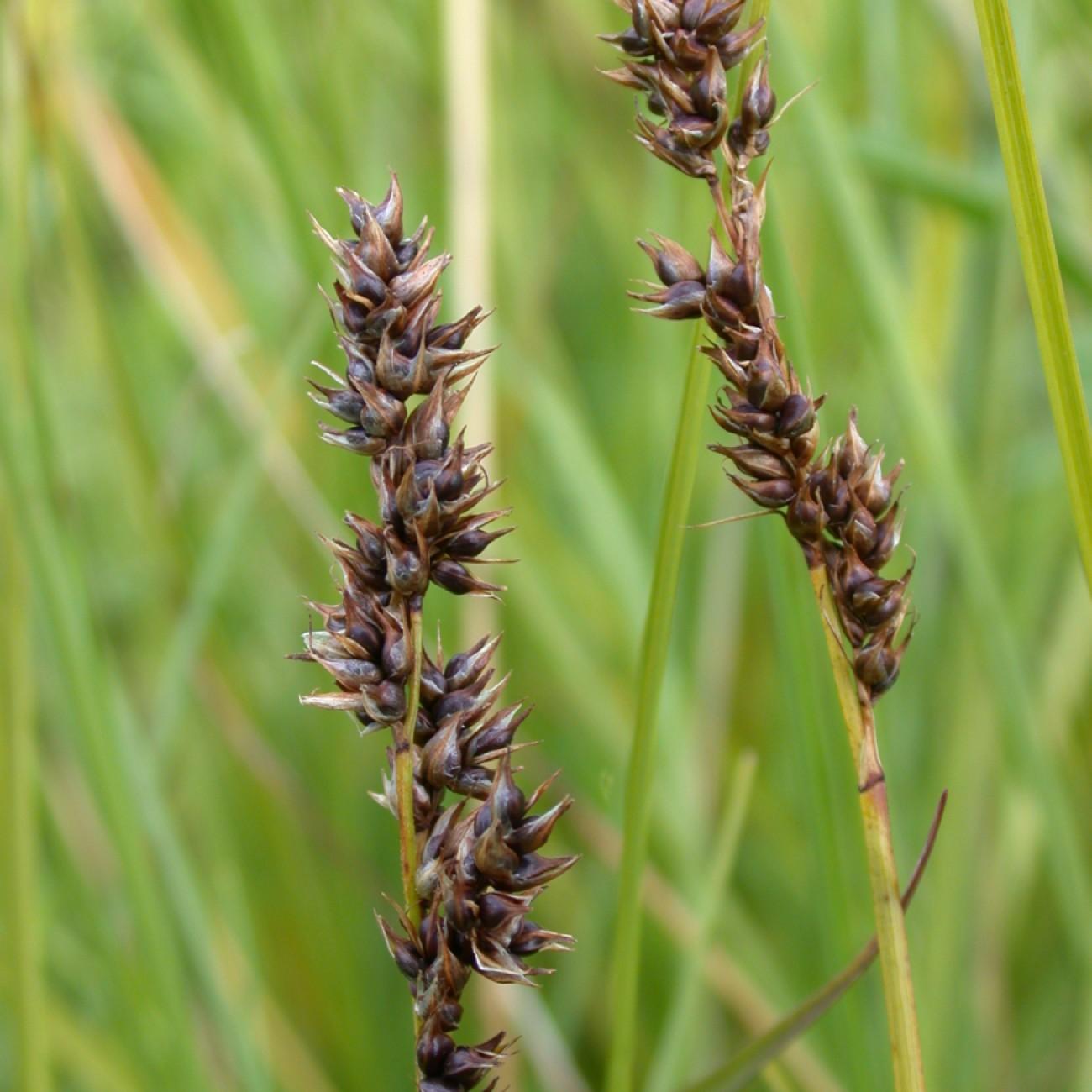
Creeping sedge is a rhizomatous, grass-like perennial that forms dense, spreading mats of narrow, arching green foliage. Adapted to wet, marshy habitats, it thrives in areas where many other ground covers struggle with saturated soil. Its subtle, inconspicuous brown flower spikes appear in late spring, adding understated texture to planting schemes.
Care Guide
Watering
Requires consistently moist to wet soil, never allowing the root zone to dry out completely; tolerate shallow standing water up to 2 inches deep for extended periods. During hot, dry spells, water deeply 2-3 times per week to maintain consistent soil saturation, especially for plants grown in containers. Reduce watering frequency in winter when growth slows, but never let soil become fully dry.
Light
Grows best in partial shade, receiving 3-6 hours of dappled or indirect sunlight daily, though it can tolerate full sun in cooler regions with consistently wet soil. Avoid prolonged exposure to intense midday sun in warm climates, as this can scorch foliage and dry out the root zone too quickly. Low light conditions will slow spread and result in sparser foliage.
Soil
Prefers acidic, loamy, organically rich soil with poor to moderate drainage, ideally with high peat or compost content to retain moisture. Tolerates heavy clay soils and boggy, waterlogged conditions that cause root rot in most other ornamental plants. Avoid sandy, fast-draining soils unless amended heavily with organic matter to improve water retention.
Fertilizer
Apply a balanced, slow-release 10-10-10 fertilizer once annually in early spring just as new growth emerges, using half the recommended rate to avoid excess nutrient runoff into wetland areas. Plants grown in nutrient-poor container soil can be fed with a diluted liquid fertilizer every 6-8 weeks during the active growing season. Skip fertilization entirely for plants growing in naturally rich wetland soils.
Temperature
Thrives in temperate climates with average summer temperatures between 60-80°F (15-27°C), and is cold hardy down to USDA zone 3, surviving winter temperatures as low as -40°F (-40°C). Extreme heat above 90°F (32°C) can cause foliage browning if soil moisture is not maintained. In regions with harsh winters, a 2-inch layer of mulch will protect rhizomes from freeze-thaw damage.
Pruning
Trim back dead or brown foliage in late winter or early spring before new growth emerges to keep the planting bed tidy and encourage fresh, vibrant growth. Shear overgrown patches to 2-3 inches above the soil line every 2-3 years to rejuvenate dense mats and prevent thatch buildup. Remove any stray spreading stems if the plant is growing beyond its desired boundary.
Propagation
Easiest to propagate via rhizome division in early spring or late fall, digging up mature clumps and splitting them into smaller sections with at least 3-5 healthy stems and attached roots each. Replant divisions immediately at the same depth they were growing, and water thoroughly to settle soil around the roots. Seed propagation is possible but slow, as seeds require cold stratification for 60-90 days to germinate reliably.
Humidity
Tolerates a wide range of humidity levels, but prefers moderate to high humidity between 50-80% typical of wetland and riparian habitats. Low indoor humidity below 40% can cause leaf tip browning, so misting or placing potted plants on a pebble tray filled with water will improve growing conditions for indoor specimens. Outdoor plants in arid regions will require more frequent watering to compensate for low humidity.
Repotting
Potted creeping sedge should be repotted every 2-3 years in early spring, moving to a container one size larger with fresh, organically rich potting mix formulated for wet-loving plants. Choose a container with drainage holes, and add a 1-inch layer of pebbles at the bottom to maintain consistent moisture without root rot. Trim back overgrown rhizomes and dead foliage during repotting to encourage new, healthy growth.
Uses & Symbolism
Creeping sedge is widely used as a low-maintenance ground cover for wet landscapes, including rain gardens, bog gardens, pond edges, and riparian buffer zones where it helps prevent soil erosion and filter runoff. It is also planted as a trailing accent in water feature containers and bog planters, and provides valuable habitat and food for native wetland birds, pollinators, and small wildlife.
Diseases & Pests
Creeping sedge is highly resistant to most pests and diseases, though overly dry conditions can attract spider mites and aphids, which can be treated with insecticidal soap or a strong stream of water. Prolonged exposure to stagnant, warm water in poorly aerated containers can lead to root rot, so avoid overwatering potted specimens and ensure consistent water flow for plants grown in pond edges. Fungal leaf spot may occur in overly crowded, poorly ventilated patches, which can be managed by thinning dense growth and avoiding overhead watering in cool, cloudy weather.
Related plants
Other plants you might like if you grow Creeping Sedge.