Beautiful Sedge
Carex speciosa
Overview
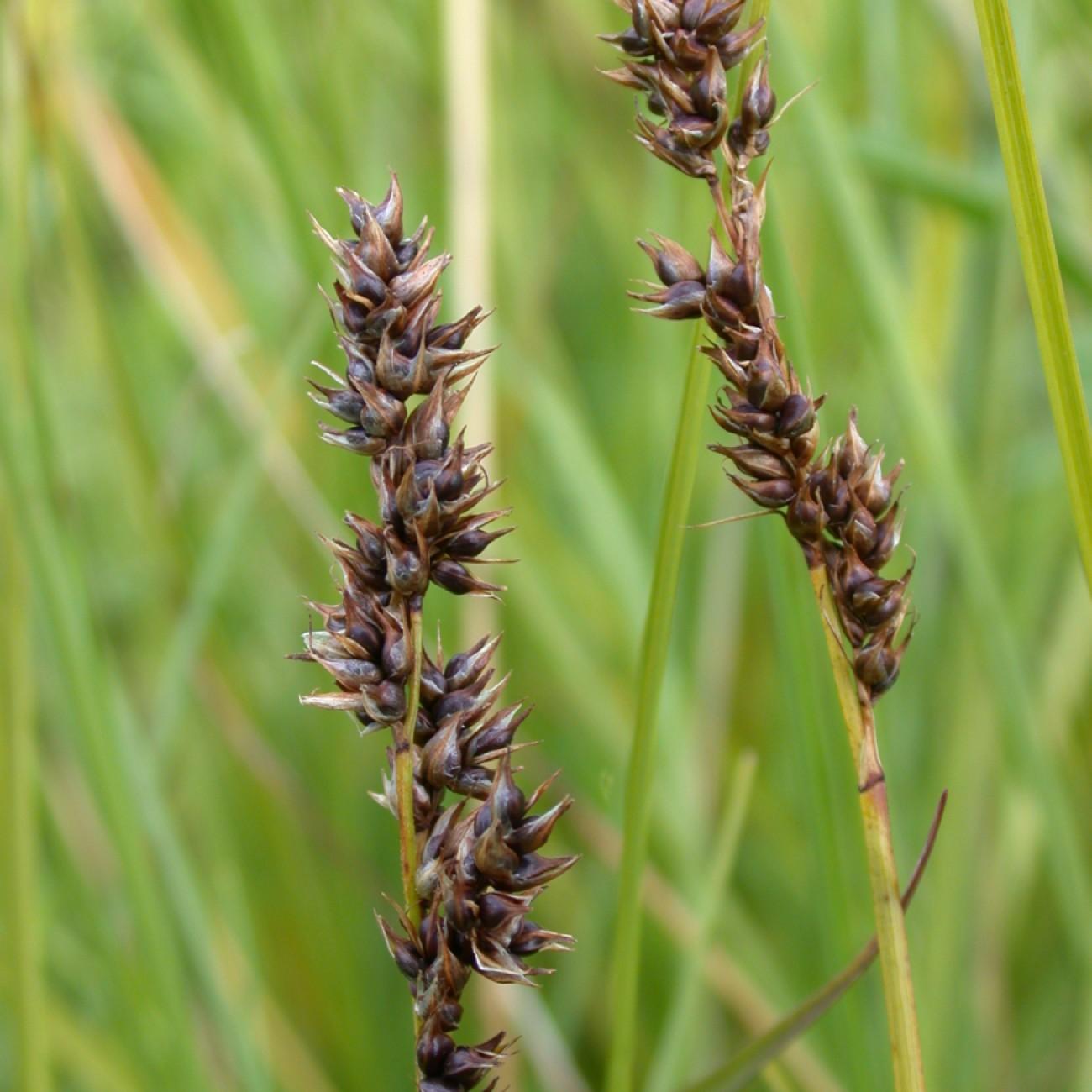
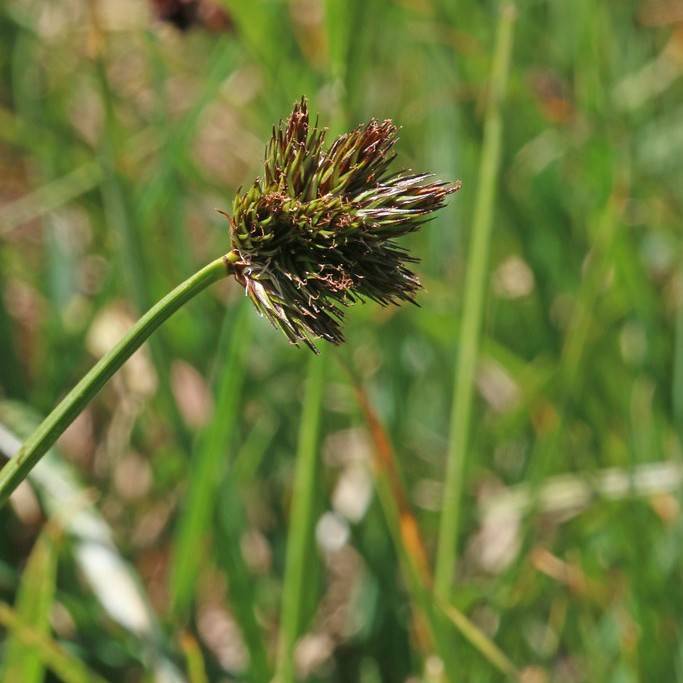
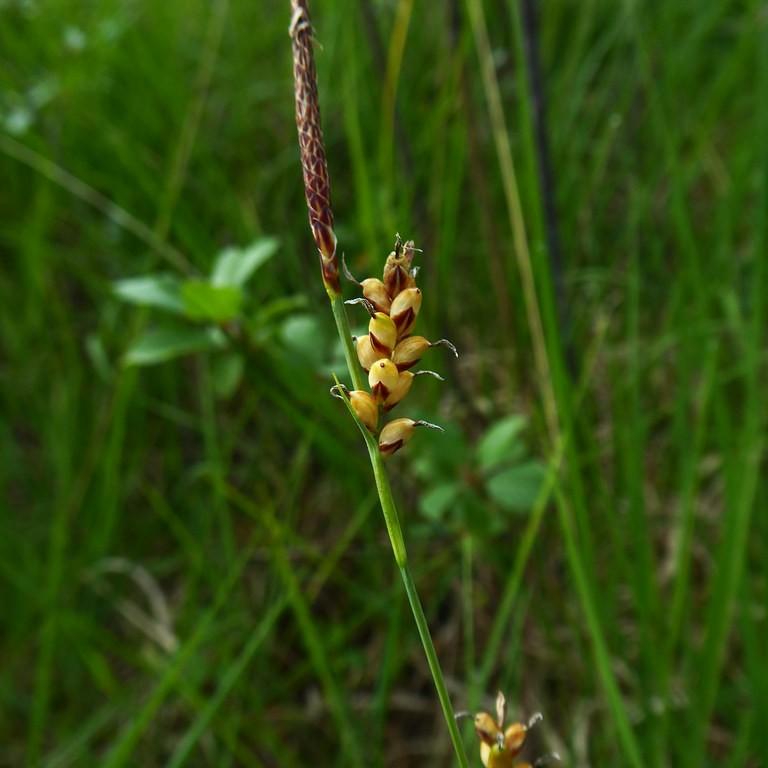
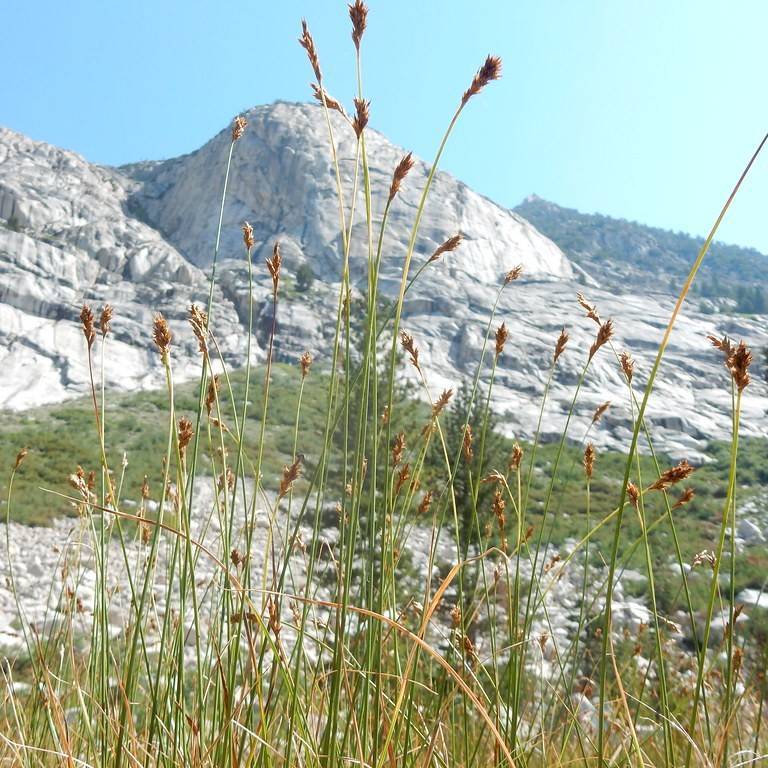
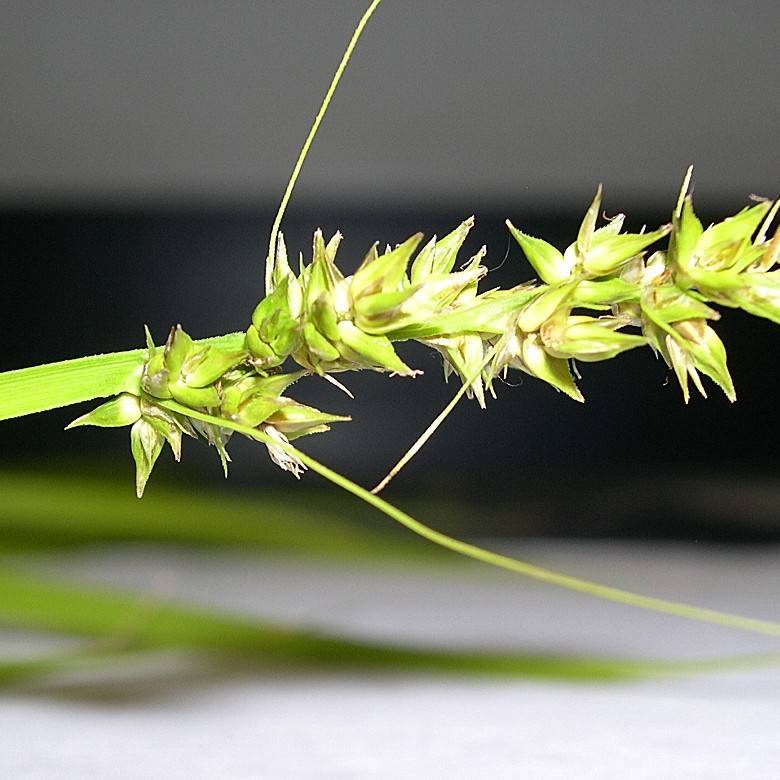
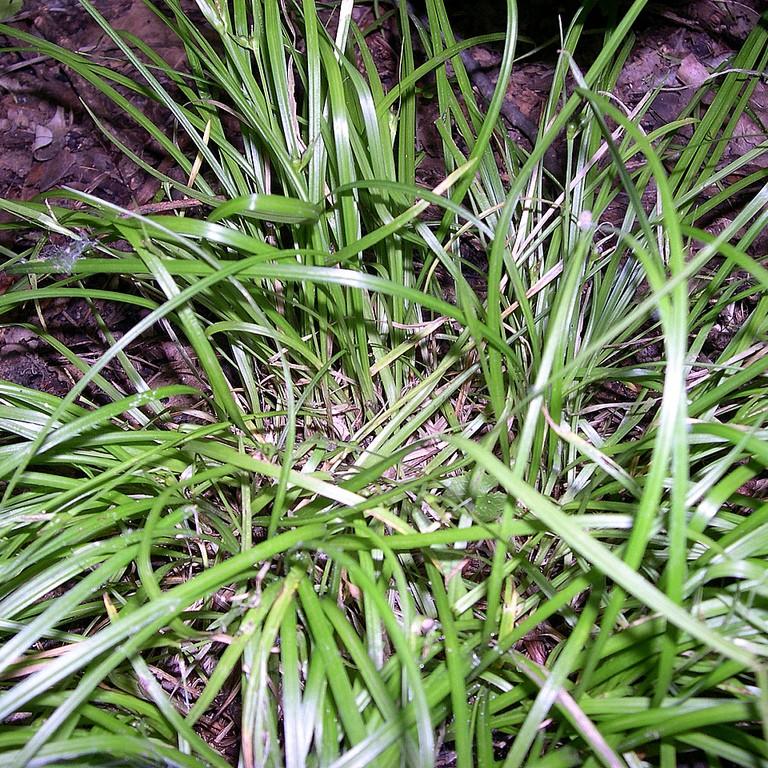
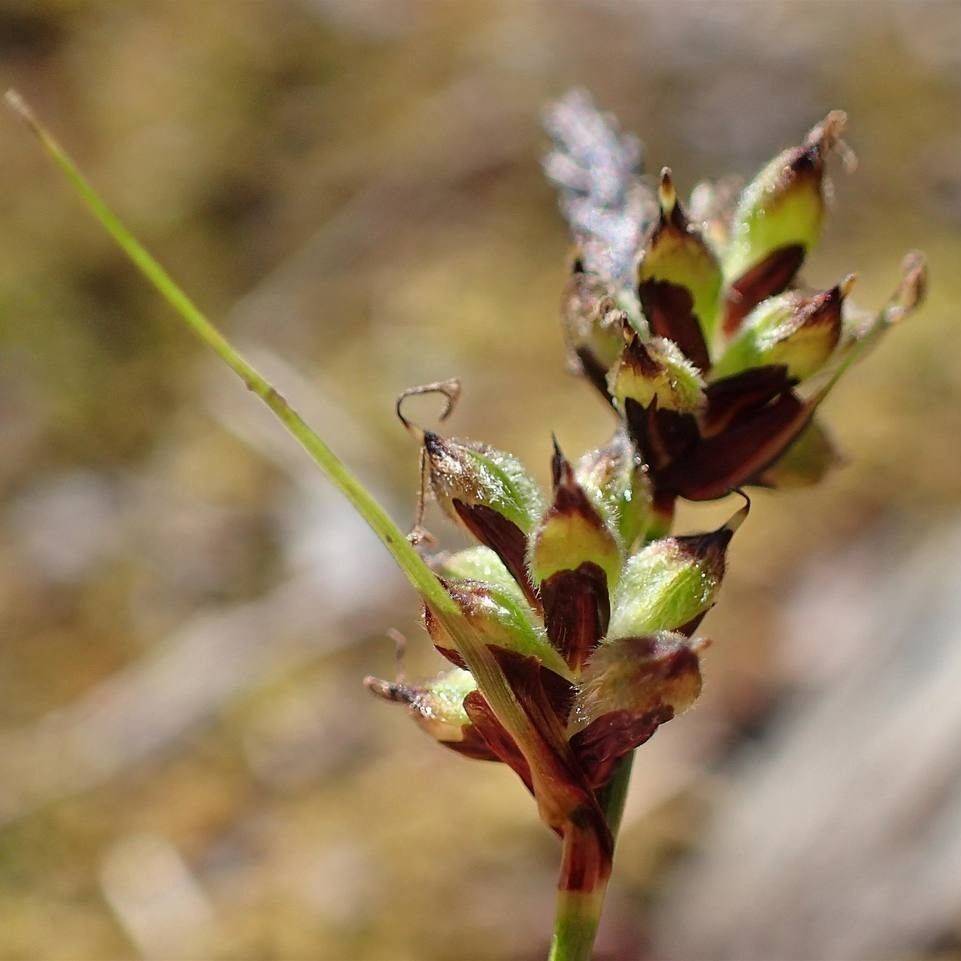
Beautiful sedge is a cold-hardy, clump-forming grass-like perennial native to moist woodland and riparian areas of East Asia. Its fine, arching medium-green foliage forms dense mounds that add soft texture to garden beds, borders, and naturalized areas. Unlike true grasses, it produces small, inconspicuous brown flower spikes in late spring that are subtle and blend in with its foliage. It is highly adaptable to wet and shaded conditions where many other landscape plants struggle to thrive.
Care Guide
Watering
Beautiful sedge prefers consistently moist, even damp soil, and tolerates occasional short flooding better than drought. Water deeply when the top 1 to 2 inches of soil feel dry, increasing frequency during periods of high heat or prolonged dry weather to prevent foliage browning. Reduce watering in winter when the plant is dormant, only supplementing if natural rainfall is extremely low.
Light
It thrives in partial to full shade, making it ideal for planting under tree canopies or in north-facing garden spots. It can tolerate a few hours of direct morning sun, but intense midday or afternoon sun will scorch its foliage and cause it to turn brown at the tips. In cooler climates, it can handle slightly more sun exposure as long as soil moisture remains consistent.
Soil
This sedge adapts to a wide range of soil types, including clay, loam, and sandy soil, as long as the substrate retains moisture well. It prefers slightly acidic to neutral pH levels between 5.5 and 7.0, and tolerates poorly drained soils that are too wet for most common ornamental plants. Adding organic matter such as compost or leaf mold at planting time will improve moisture retention and nutrient content for healthier growth.
Fertilizer
Beautiful sedge is a light feeder that rarely requires regular fertilization if planted in organically rich soil. If growth appears slow or foliage is pale, apply a balanced, slow-release granular fertilizer in early spring, at half the recommended rate for general landscape plants. Avoid over-fertilizing, as this can cause floppy, weak growth and reduce the plant’s natural clumping form.
Temperature
It is cold hardy in USDA zones 5 through 9, tolerating winter temperatures as low as -20°F (-29°C) without significant damage. It prefers cool, mild growing conditions between 60 and 75°F (15 and 24°C), and will go partially dormant in extended periods of heat above 85°F (29°C) if moisture is limited. In the warmest parts of its range, providing extra shade and moisture will help it stay green through the hottest summer months.
Pruning
Pruning requirements are minimal for beautiful sedge; simply cut back dead or brown foliage to the base in late winter or early spring before new growth emerges. You can trim off scorched or damaged leaf tips at any time during the growing season to maintain a neat appearance. Avoid shearing the entire clump mid-season, as this can disrupt its natural arching form and slow growth temporarily.
Propagation
The easiest method of propagation is division of mature clumps in early spring or late fall, when the plant is not actively growing. Dig up the entire clump, gently separate it into smaller sections with at least 3 to 5 healthy shoots each, and replant the divisions immediately at the same depth they were growing previously. It can also be grown from seed sown directly in the garden in fall, but seed-grown plants take 2 to 3 years to reach mature clump size.
Humidity
Beautiful sedge adapts well to average ambient humidity levels between 40 and 70%, which are typical of its native woodland habitat. It tolerates higher humidity near ponds, streams, or in wetland garden settings without issue. In very dry, low-humidity conditions, extra watering and a layer of mulch around the base will help prevent foliage from drying out.
Repotting
If grown in containers, repot beautiful sedge every 2 to 3 years in early spring, before new growth starts. Choose a pot that is 1 to 2 inches larger in diameter than the current one, with drainage holes to prevent standing water that can cause root rot. Use a rich, moisture-retentive potting mix amended with compost or peat moss to support consistent moisture levels for the shallow root system.
Uses & Symbolism
Beautiful sedge is widely used as a low-maintenance ground cover in shaded gardens, rain gardens, and along the edges of ponds or streams, where its tolerance for wet soil makes it a valuable addition to erosion control plantings. It is also planted in woodland borders, rock gardens, and as a filler in container arrangements for shaded patios, adding soft, flowing texture to mixed plantings. Its dense, evergreen foliage in mild climates provides shelter for small beneficial insects and ground-dwelling pollinators.
Diseases & Pests
Beautiful sedge is relatively pest and disease resistant, but can develop root rot if planted in permanently waterlogged soil with no drainage. Aphids and spider mites may occasionally infest stressed plants, especially in dry, hot conditions, and can be controlled with a strong spray of water or insecticidal soap. Fungal leaf spot may appear in overly humid, crowded conditions; this can be prevented by spacing plants properly to allow for air circulation and avoiding overhead watering.
Related plants
Other plants you might like if you grow Beautiful Sedge.