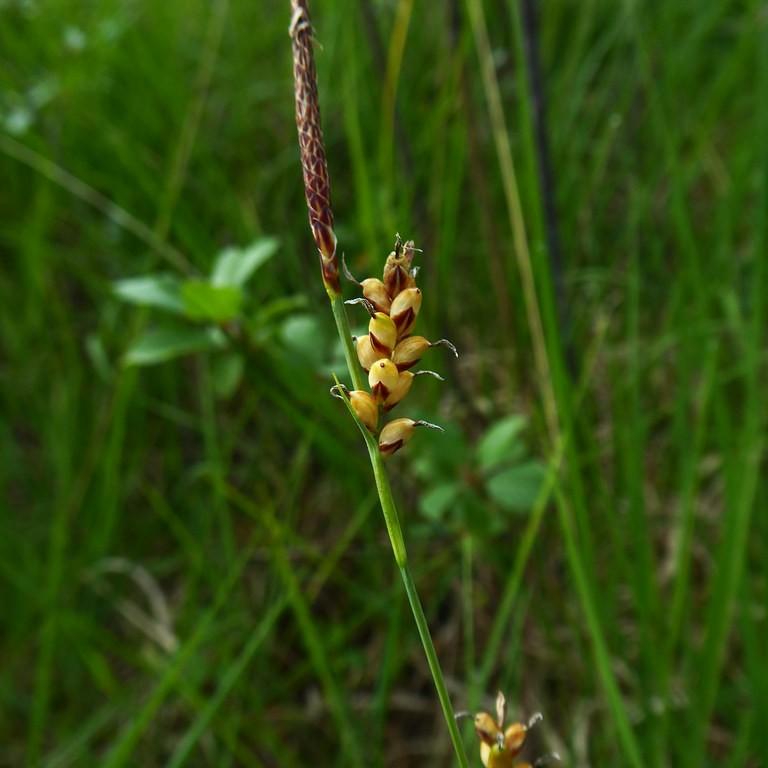
Grasslike Sedge
Carex panicea
Overview
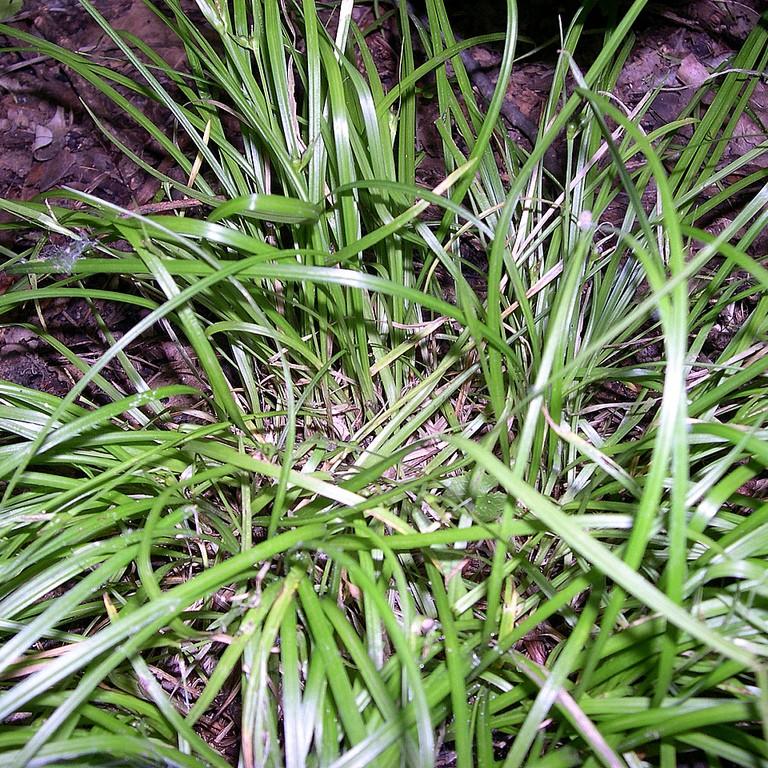
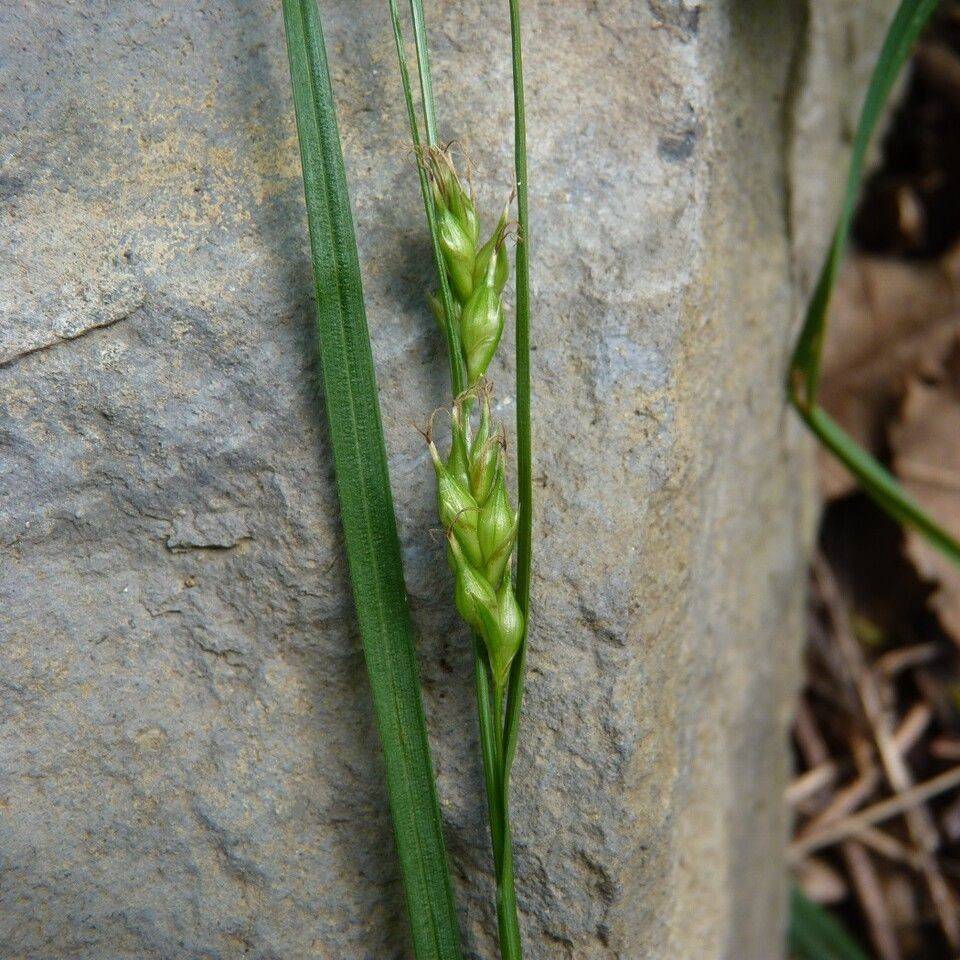
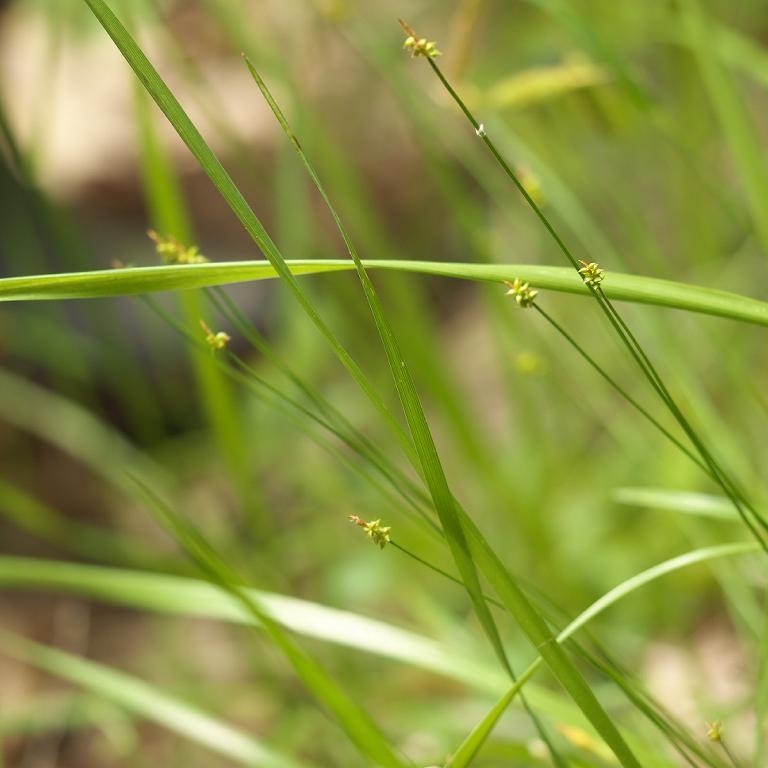
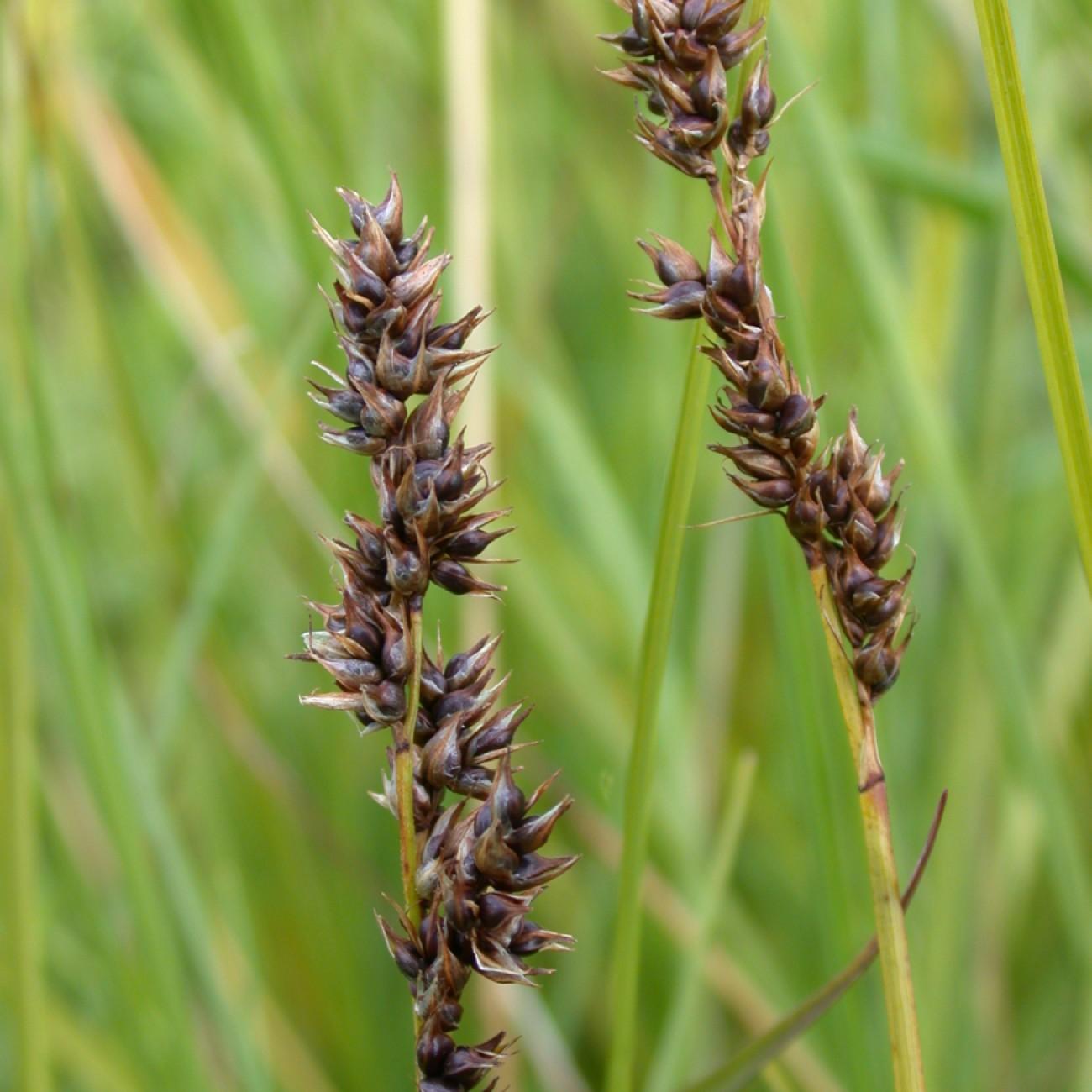
Grasslike sedge, also called carnation sedge for its subtle blue-green foliage, forms dense, spreading clumps that thrive in wet, acidic soils where many other ground covers struggle. It produces small, inconspicuous brown spikelets in late spring, adding delicate textural interest without overwhelming garden beds. A hardy, low-maintenance species, it is well-adapted to cool, temperate climates and tolerates occasional flooding, making it a popular choice for rain gardens and riparian plantings.
Care Guide
Watering
Prefers consistently moist to wet soil, so water regularly to prevent the root zone from drying out completely, especially during hot, dry periods. It can tolerate short periods of standing water, making it suitable for poorly drained areas, but avoid prolonged waterlogging in non-riparian settings. Reduce watering frequency in winter when growth slows, as soggy cold soil can lead to root rot.
Light
Thrives in partial to full shade, though it can tolerate full sun in cool, northern climates if soil moisture is consistently high. Avoid planting in full sun in warm regions, as intense direct light will scorch foliage and cause the plant to dry out rapidly. Dappled sunlight under tree canopies or filtered light from north-facing exposures provides ideal growing conditions.
Soil
Requires acidic, loamy or sandy soil with high organic matter content that retains moisture well. It tolerates poor, compacted soils and wet, boggy conditions better than most ornamental grasses, making it versatile for difficult planting sites. Amend heavy clay soils with compost or peat moss to improve drainage slightly while retaining the moisture the plant prefers.
Fertilizer
Has low nutrient needs and usually thrives without regular fertilization, especially when planted in organically rich soil. If growth is stunted or foliage appears pale, apply a balanced, slow-release granular fertilizer once in early spring before new growth emerges. Avoid high-nitrogen fertilizers, as these can encourage overly lush, weak growth that is prone to pest damage.
Temperature
Prefers cool temperate climates, with ideal growing temperatures between 50-75°F (10-24°C). It is highly cold-hardy, tolerating winter temperatures down to -40°F (-40°C) in USDA hardiness zones 3 through 8. High heat and humidity above 85°F (29°C) can cause foliage to brown at the tips, so provide extra shade and moisture during summer heatwaves.
Pruning
Requires minimal pruning; simply cut back dead or brown foliage to the base of the clump in late winter or early spring before new growth appears. Trim back any stray or overhanging stems as needed throughout the growing season to maintain a neat, clumping form. Avoid heavy pruning during mid-summer, as this can stress the plant during periods of high heat.
Propagation
Most easily propagated by division in early spring or late fall, when the plant is not actively growing. Dig up mature clumps, separate them into smaller sections with a sharp knife, ensuring each section has a healthy portion of roots and foliage, then replant immediately at the same depth as the original plant. It can also be grown from seed sown in cold frames in fall, though seed-grown plants take 2-3 years to reach mature size.
Humidity
Tolerates a wide range of humidity levels, from moderate outdoor ambient humidity to the high humidity of boggy or riparian sites. It does not require supplemental humidity when grown outdoors, but indoor container specimens benefit from occasional misting if indoor air is very dry. Avoid placing indoor plants near heating or cooling vents, as dry air flow can cause foliage tip browning.
Repotting
Container-grown specimens should be repotted every 2-3 years in early spring, before new growth begins, to refresh soil and prevent root crowding. Choose a pot with drainage holes that is 1-2 inches larger in diameter than the current container, and use a moist, acidic potting mix with added peat moss or compost. Divide overgrown clumps during repotting to keep the plant compact and produce new specimens.
Uses & Symbolism
Commonly planted as a low-maintenance ground cover in shaded, moist gardens, rain gardens, and along pond or stream edges, where its dense root system helps prevent soil erosion. It provides valuable habitat and food for native pollinators, small mammals, and wetland bird species, making it a popular choice for native wildlife and restoration plantings. Its fine, soft foliage also works well as a textural accent in shaded container arrangements and rock gardens with consistent moisture.
Diseases & Pests
Generally resistant to most pests and diseases, though overwatered or poorly drained plants may develop root rot caused by fungal pathogens. Aphids and spider mites may occasionally infest stressed plants, especially in dry indoor conditions, and can be controlled with insecticidal soap or a strong spray of water. Rust and leaf spot fungal diseases may appear in overly humid, poorly ventilated conditions, which can be prevented by spacing plants to allow air circulation and avoiding overhead watering.
Related plants
Other plants you might like if you grow Grasslike Sedge.