James Sedge
Carex jamesii
Overview
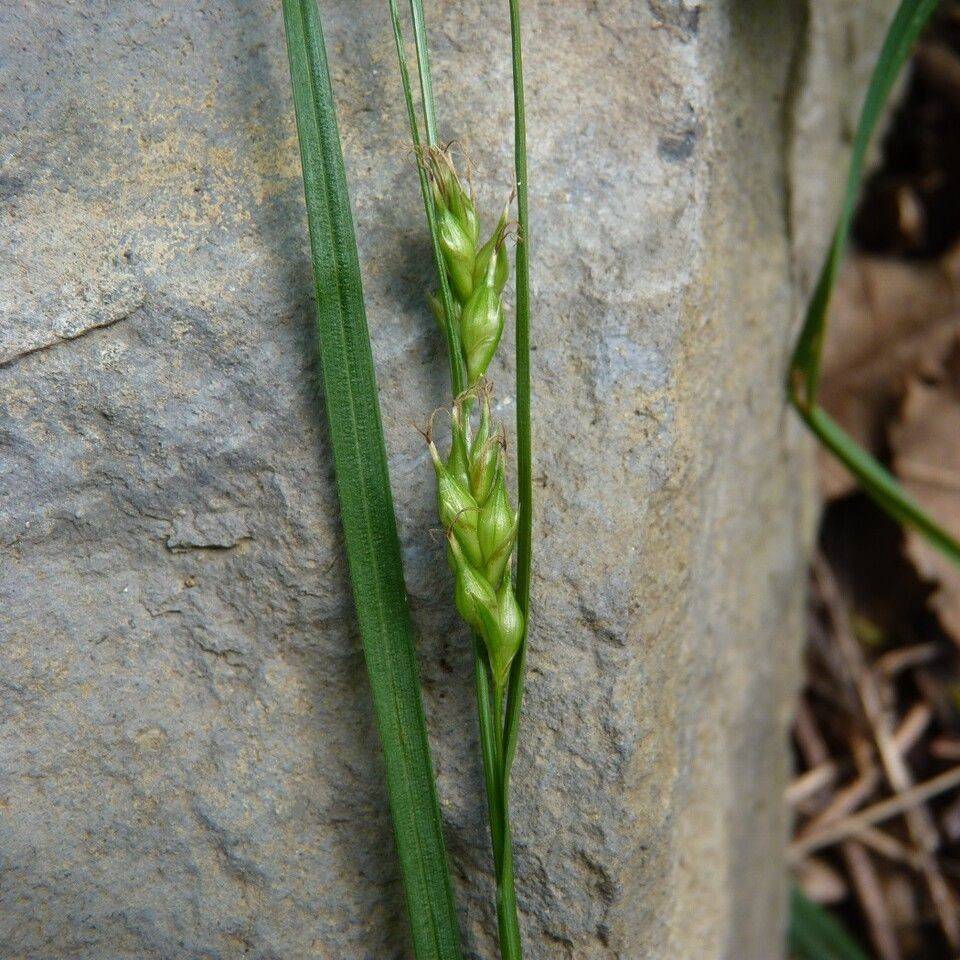
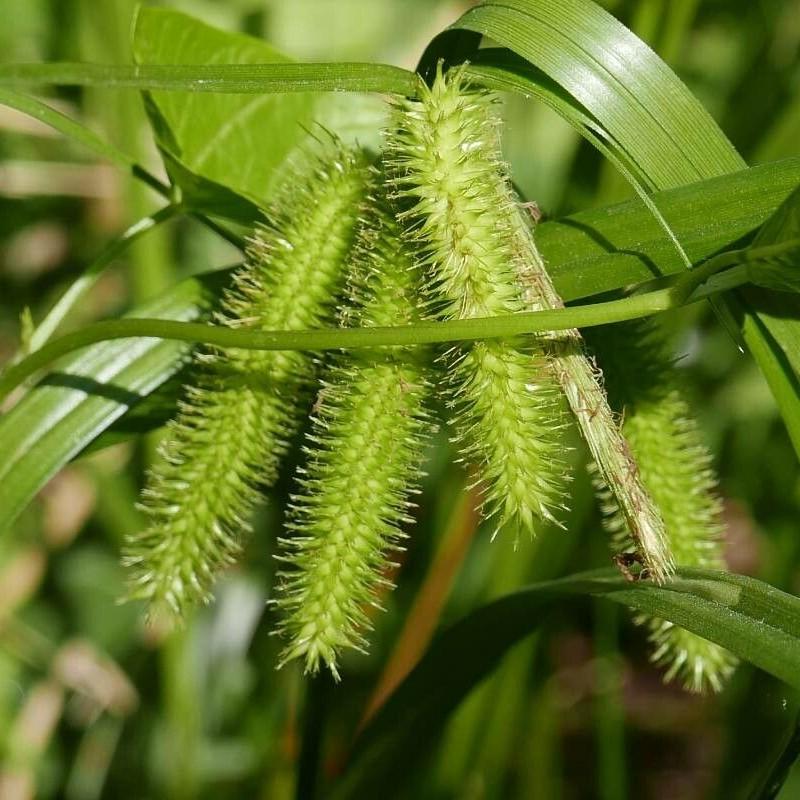
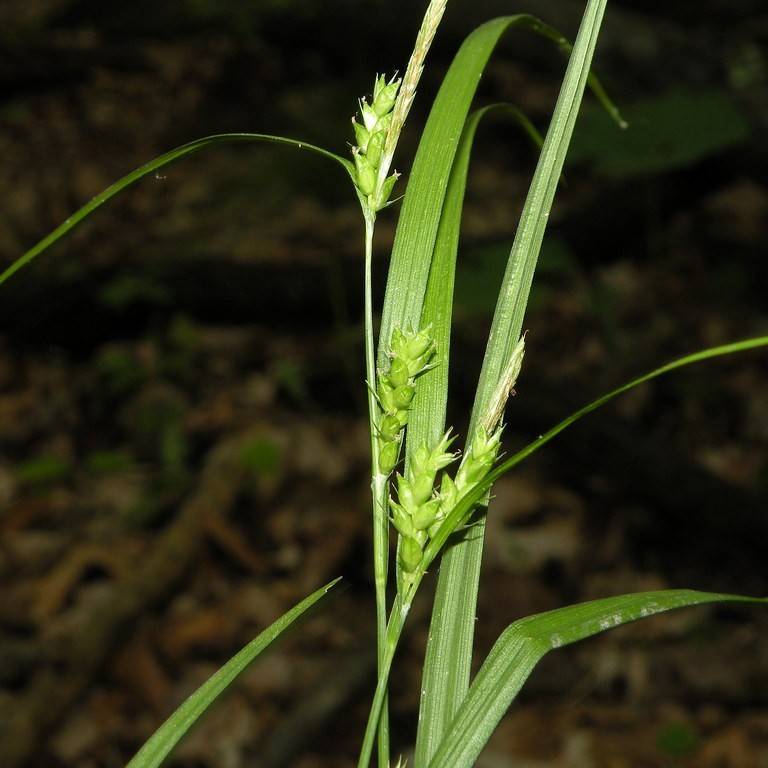
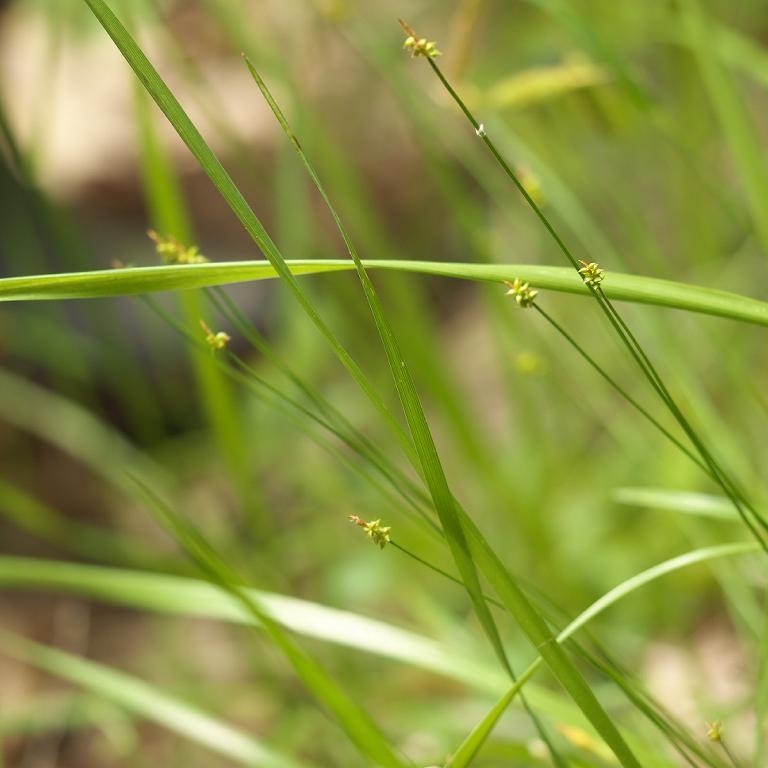
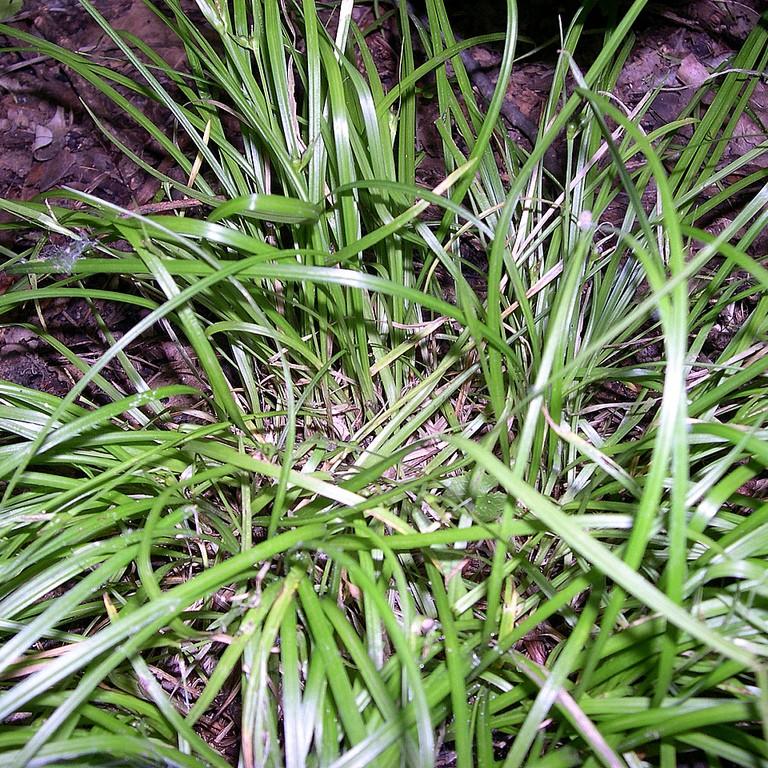
James Sedge is a clumping, cool-season sedge that thrives in the dappled light of deciduous woodlands, forming dense, low mats of fine, bright green foliage. It produces inconspicuous, greenish-brown flower spikes in late spring that sit close to the foliage, providing subtle texture rather than bold ornamental color. This species is valued for its ability to grow in challenging shaded, moist sites where many other ground covers struggle, and it supports native pollinators and small wildlife that feed on its seeds.
Care Guide
Watering
Prefers consistently moist, well-drained soil, and tolerates occasional short dry spells once established; water regularly during extended periods of drought to prevent foliage browning. Avoid overwatering or waterlogged conditions in heavy clay soils, as this can lead to root rot over time.
Light
Thrives in partial to full shade, making it ideal for underplanting beneath trees or in shaded garden borders; it can tolerate a few hours of direct morning sun, but harsh afternoon sun will scorch its delicate foliage. In very deep shade, growth may be sparser, but the plant will remain healthy and continue to spread slowly.
Soil
Adaptable to a wide range of soil types, including loam, sandy loam, and clay, as long as drainage is adequate; it prefers slightly acidic to neutral pH levels between 5.5 and 7.0. It tolerates occasional seasonal flooding and soil with high organic matter content, making it suitable for rain garden plantings in shaded areas.
Fertilizer
Requires minimal fertilization; an annual application of a balanced, slow-release granular fertilizer in early spring is sufficient for healthy growth, or top-dress with a 1-inch layer of compost to provide natural nutrients. Avoid overfertilizing, as this can cause excessive, floppy growth and reduce the plant's natural clumping form.
Temperature
Cold hardy in USDA zones 4 to 8, tolerating winter temperatures as low as -30°F (-34°C) without special protection; it goes dormant in winter, with foliage dying back to the ground in colder regions. It prefers cool spring and fall growing conditions, and may go semi-dormant during extended periods of high summer heat if soil moisture is low.
Pruning
Requires very little pruning; cut back dead, brown foliage to the ground in late winter or early spring before new growth emerges to keep the clump looking tidy. Remove any stray, spreading clumps if you wish to contain its spread, as it will slowly colonize adjacent areas via short rhizomes.
Propagation
Easiest to propagate by division in early spring before new growth starts, or in fall after the summer heat has passed; simply dig up a mature clump, split it into smaller sections with at least 3-5 growth points each, and replant at the same depth as the original plant. It can also be grown from seed, though seed requires a 60-day period of cold stratification to germinate, and seedlings take 2-3 years to reach mature size.
Humidity
Tolerates a wide range of humidity levels common in its native range, from moderately dry to humid conditions; it does not require any special humidity adjustments when grown in garden settings. In very dry, arid climates, regular misting or supplemental watering may be needed to prevent foliage tip browning.
Repotting
Rarely grown in containers, but if potted, repot every 2-3 years in early spring to refresh the soil and prevent root binding; use a well-draining potting mix with added organic matter such as leaf mold or compost. Ensure the pot has adequate drainage holes to prevent waterlogging, and divide the clump at repotting time if it has outgrown its container.
Uses & Symbolism
James Sedge is widely used as a low-maintenance ground cover in shaded woodland gardens, rain gardens, and native plant landscapes, where it suppresses weeds and reduces soil erosion on sloped sites. It is an excellent choice for underplanting beneath native trees and shrubs, as its shallow root system does not compete aggressively with larger woody plants for nutrients. It also provides habitat and food for native bees, caterpillars, and small songbirds that feed on its tiny seeds, making it a valuable addition to pollinator and wildlife gardens.
Diseases & Pests
James Sedge is largely pest and disease resistant, with no major common issues; it may occasionally be affected by rust or leaf spot in overly wet, poorly ventilated conditions, which can be managed by improving air circulation around plants and avoiding overhead watering. Slugs and snails may feed on young foliage in very moist, shaded sites, but damage is rarely severe enough to require treatment, and can be reduced by removing debris around the base of plants that provides shelter for these pests.
Related plants
Other plants you might like if you grow James Sedge.