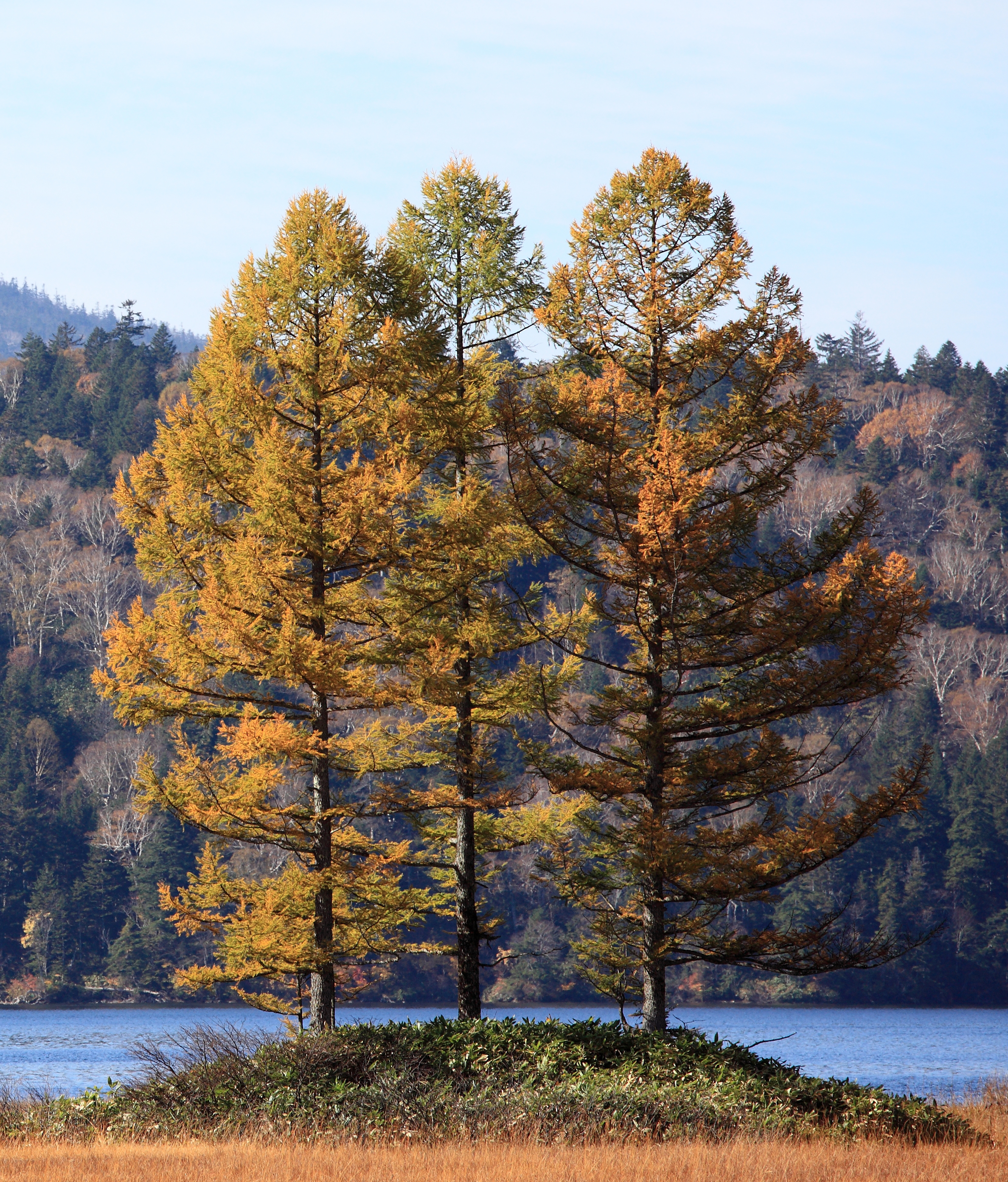
Japanese Larch
Larix kaempferi
Overview
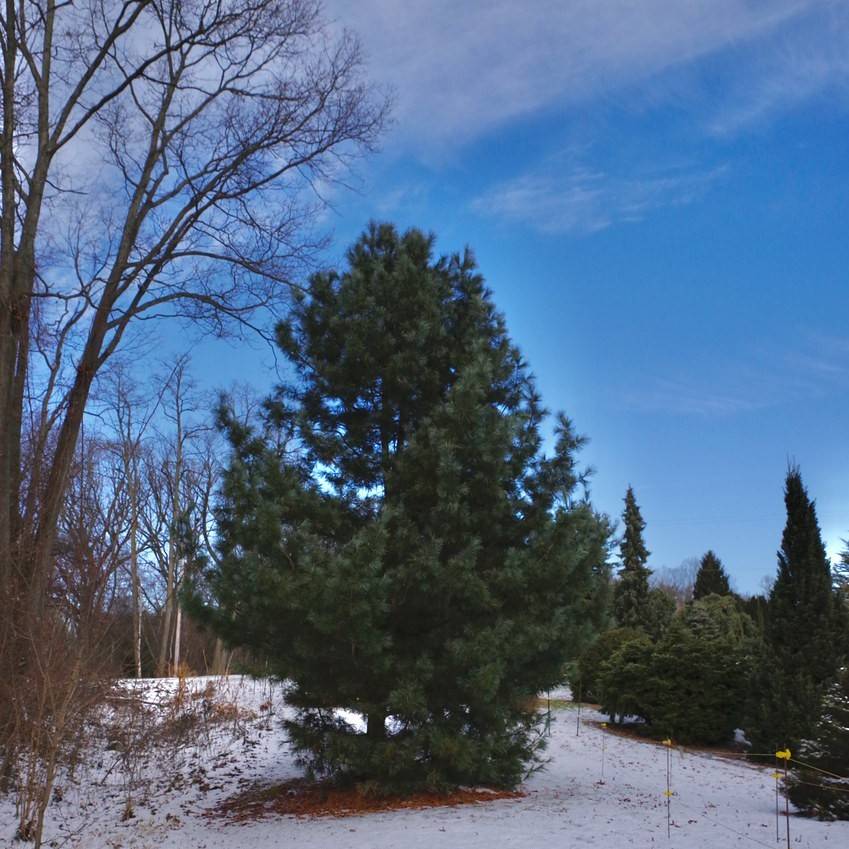
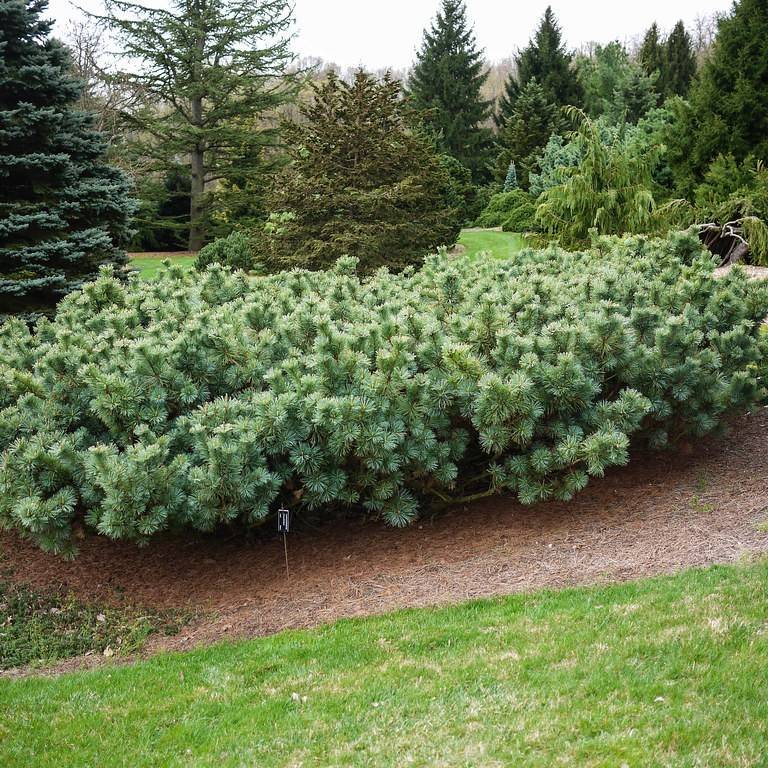
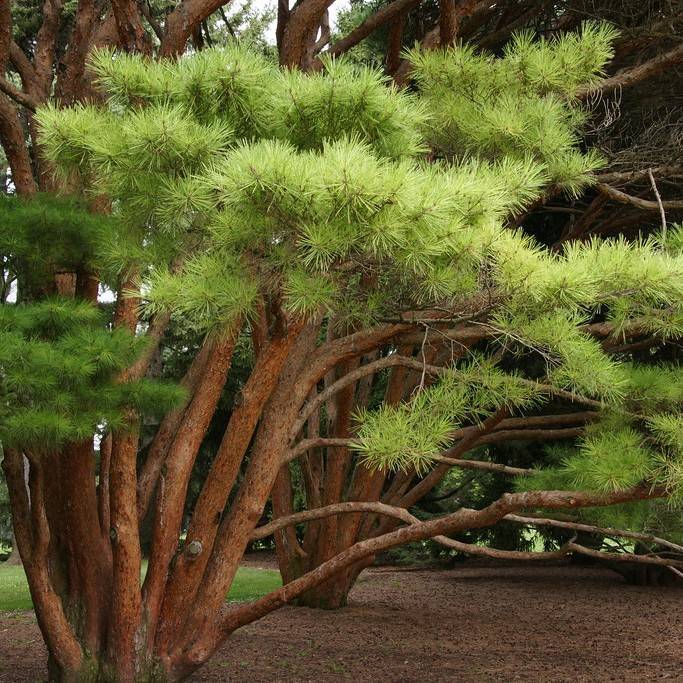
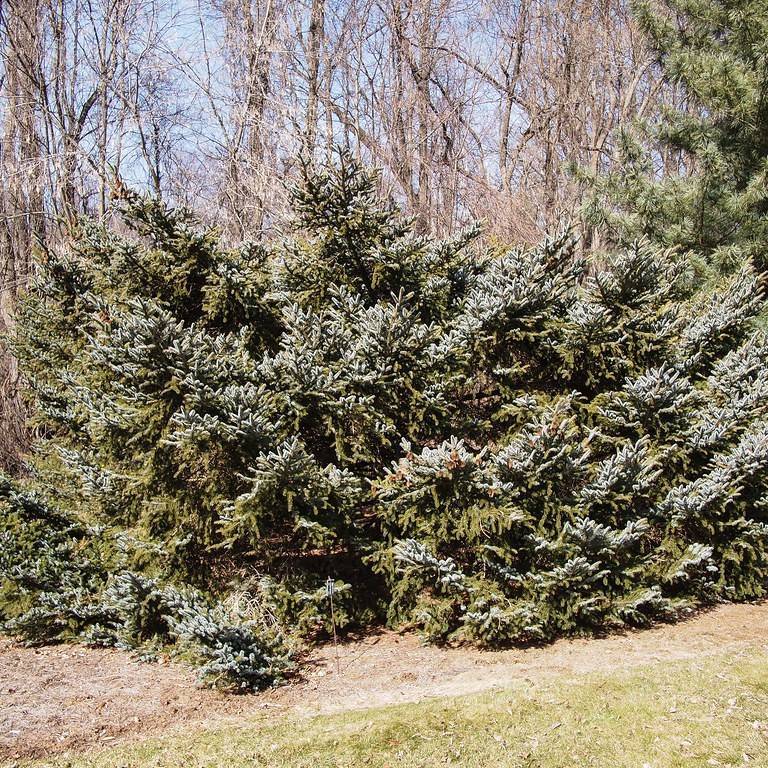
Japanese Larch is a deciduous conifer that sheds its needle-like leaves each fall, a unique trait among most coniferous species. In spring, it produces soft, pale green tufts of needles that deepen to rich green in summer before turning vibrant golden yellow in autumn before dropping. It has a broadly pyramidal growth form when young, maturing to a more irregular, open canopy with peeling, reddish-brown bark that adds winter interest.
Care Guide
Watering
Water young Japanese Larch trees regularly, keeping the soil consistently moist but not waterlogged for the first 2-3 years as they establish their root systems. Mature trees are drought-tolerant, only requiring supplemental watering during extended periods of hot, dry weather. Avoid overwatering in heavy, poorly draining soils to prevent root rot.
Light
Japanese Larch thrives in full, direct sunlight, requiring a minimum of 6 hours of unobstructed sun per day to maintain dense, healthy foliage and strong growth. It does not tolerate heavy shade, which will lead to sparse needle growth, a leggy canopy, and reduced autumn color intensity.
Soil
This species adapts well to a wide range of soil types, including sandy, loam, and even clay soils, as long as they are well-draining. It prefers slightly acidic to neutral soil pH between 5.0 and 7.0, though it can tolerate mildly alkaline conditions better than many other larch species. Avoid planting in permanently waterlogged sites, as this will quickly damage the root system.
Fertilizer
Apply a balanced, slow-release evergreen fertilizer in early spring before new growth emerges to support healthy needle and stem development. Avoid high-nitrogen fertilizers late in the growing season, as this can encourage tender new growth that is vulnerable to frost damage. Mature, well-established trees rarely require regular fertilization if planted in nutrient-rich soil.
Temperature
Japanese Larch is extremely cold-hardy, tolerating winter temperatures as low as -40°F (-40°C) and thriving in USDA hardiness zones 4 through 7. It does not perform well in hot, humid climates south of zone 7, as prolonged high summer temperatures can cause needle scorch and stress the tree. It requires a period of cold winter dormancy to support healthy new growth in spring.
Pruning
Prune Japanese Larch in late winter or early spring while the tree is still dormant, before new needles begin to emerge. Remove any dead, damaged, or crossing branches to maintain airflow through the canopy and prevent disease. Light shaping can be done to maintain a desired form, but avoid heavy pruning, as the tree does not readily resprout from old, bare wood.
Propagation
Japanese Larch is most commonly propagated from seed, which requires a 30-60 day period of cold stratification to break dormancy before sowing in moist, well-draining potting mix. Softwood cuttings taken from young, healthy trees in early summer can also root successfully if treated with rooting hormone and kept in high humidity conditions. Grafting is often used for named cultivars to preserve specific growth or foliage traits.
Humidity
This species prefers moderate humidity levels typical of its native mountain habitat, but it adapts well to drier air once established. In areas with very low humidity, occasional misting of young trees can help prevent needle tip browning, though mature trees are highly tolerant of dry air. Good airflow around the foliage reduces the risk of fungal diseases even in more humid conditions.
Repotting
Japanese Larch is a popular bonsai specimen, and repotting should be done every 2-3 years for young trees, and every 3-5 years for mature bonsai, in early spring just before buds break. Use a well-draining, gritty bonsai soil mix, and trim back up to one-third of the root ball to encourage dense, compact root growth. Landscape specimens do not require repotting, as they are planted directly in the ground and establish deep root systems.
Uses & Symbolism
Japanese Larch is widely planted as an ornamental landscape tree for its striking seasonal foliage color and attractive winter form, ideal for large yards, parks, and windbreaks. Its strong, durable, rot-resistant wood is used for construction, fence posts, and woodworking, while it is also a popular species for bonsai cultivation due to its responsive growth and beautiful seasonal changes. It is also planted for reforestation and erosion control in mountainous regions with cold climates.
Diseases & Pests
Japanese Larch is susceptible to larch canker, a fungal disease that causes sunken, dead lesions on branches and stems, potentially girdling and killing affected parts of the tree. Needle cast fungi can cause premature browning and dropping of needles in wet, humid conditions, especially if airflow around the canopy is poor. Common pests include larch sawflies, which defoliate trees during heavy infestations, and aphids that suck sap from new growth, causing stunted development and sticky honeydew buildup.
Related plants
Other plants you might like if you grow Japanese Larch.