Irish Yew
Taxus baccata 'Fastigiata'
Overview
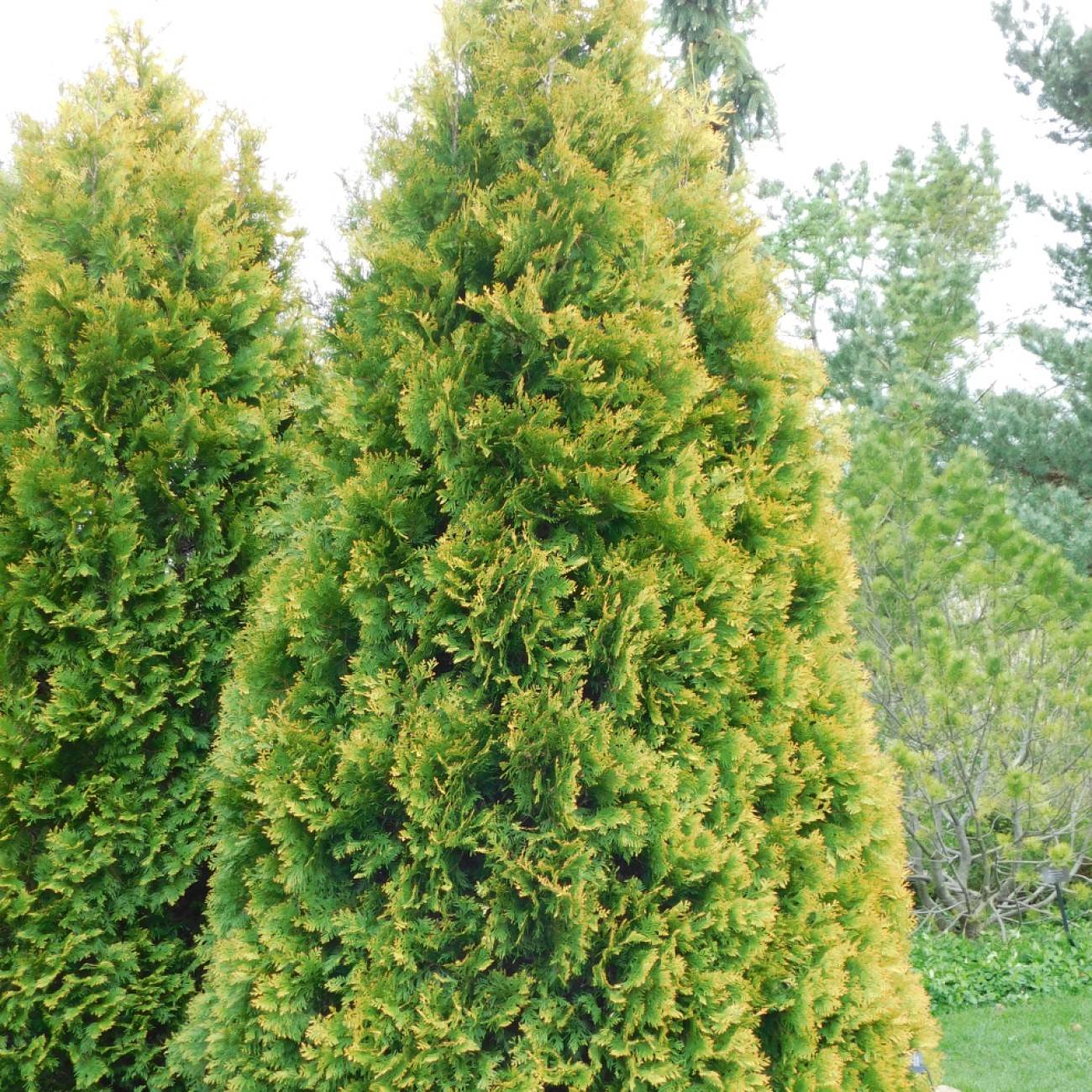
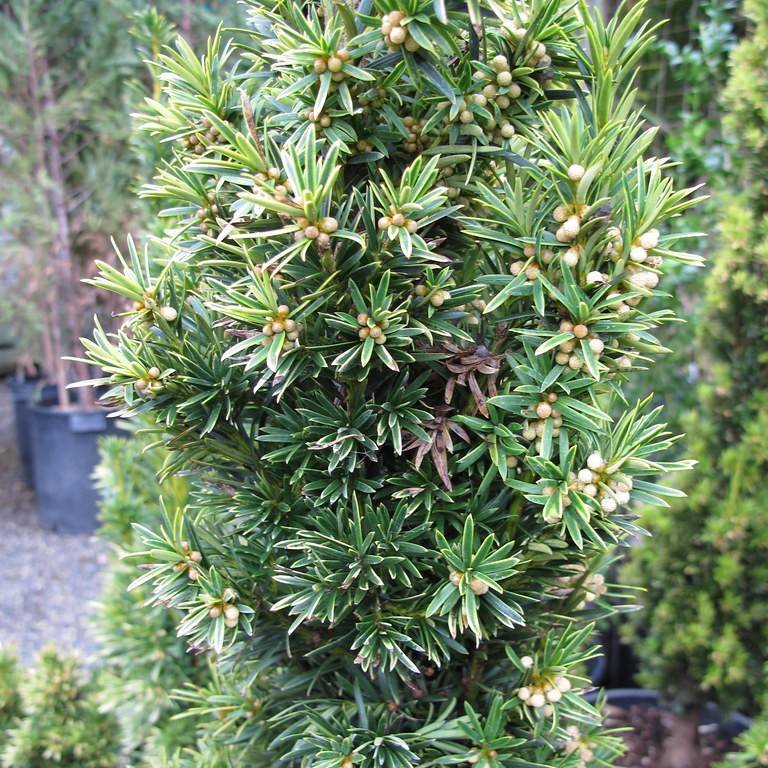
Irish yew is distinguished by its rigid, upright branching habit that creates a narrow, columnar silhouette, making it a popular choice for hedges, topiary, and formal garden borders. Its dark green, needle-like foliage remains vibrant year-round, and female plants produce small, fleshy red arils that ripen in autumn, though the seed inside these fruits is highly toxic. This slow-growing, long-lived conifer can survive for hundreds of years in ideal conditions, with many mature specimens in historic European gardens dating back centuries.
Care Guide
Watering
Irish yew is drought-tolerant once established, requiring regular watering only during prolonged dry spells, especially for young plants or specimens grown in containers. Avoid overwatering or waterlogged soil, as this can lead to root rot, the primary cause of plant death for this species. For container-grown plants, allow the top 2 inches of soil to dry out between waterings.
Light
It thrives in full sun to partial shade, tolerating deep shade better than most conifers, though growth will be denser and more uniform in brighter light. In extremely hot, arid climates, provide partial afternoon shade to prevent foliage scorch during the hottest summer months. Indoors, if grown as a potted topiary, place it near a bright window that receives several hours of direct or filtered sunlight daily.
Soil
Irish yew adapts to a wide range of soil types, including chalk, loam, sand, and clay, as long as the soil is well-draining. It prefers a neutral to slightly alkaline pH, though it can tolerate mildly acidic conditions as well. Amending heavy clay soil with compost or grit before planting will improve drainage and support healthier root development.
Fertilizer
Feed established plants once per year in early spring with a balanced, slow-release granular fertilizer formulated for evergreens, spreading it evenly around the base of the plant and watering it in thoroughly. Young newly planted specimens do not require fertilizer for their first year, as excess nutrients can burn delicate new root systems. Avoid fertilizing late in the growing season, as this can stimulate tender new growth that will be damaged by winter frost.
Temperature
It is extremely cold-hardy, tolerating winter temperatures as low as -20°F (-29°C), making it suitable for growing in USDA hardiness zones 6 through 7, with some protected specimens surviving in zone 5. It also tolerates moderate heat, though prolonged temperatures above 90°F (32°C) combined with full sun may cause foliage browning without adequate water. Winter winds in cold regions can cause foliage desiccation, so plant in a sheltered spot or wrap young plants in burlap during their first few winters.
Pruning
Irish yew tolerates heavy pruning exceptionally well, making it ideal for formal hedges, topiary, or shaping to maintain its narrow columnar form. Prune once per year in late summer or early autumn, cutting back new growth to the desired shape, as it will regrow even from old, bare wood that many other conifers cannot resprout from. Avoid pruning in late spring when new growth is soft and vulnerable to frost damage, and always wear gloves when handling cuttings to avoid contact with toxic plant sap.
Propagation
The most reliable propagation method is semi-hardwood cuttings taken in late summer or early autumn, as seed-grown plants will not retain the distinctive columnar habit of the Irish yew cultivar. Take 4-6 inch cuttings from healthy, current-year growth, remove the lower needles, dip the cut end in rooting hormone, and plant in a well-draining propagating mix, keeping it moist and shaded until roots form in 3-6 months. Grafting onto common European yew rootstock is also used commercially to produce uniform, fast-establishing nursery specimens.
Humidity
Irish yew tolerates a wide range of humidity levels, thriving in the moderate humidity of its native European climate while also adapting to drier indoor or arid outdoor conditions. Very low indoor humidity (below 30%) may cause minor browning of leaf tips for potted specimens, which can be mitigated by occasional misting or placing a tray of water near the plant. In high-humidity regions, ensure adequate air circulation around the foliage to prevent fungal leaf spot diseases.
Repotting
Potted Irish yew topiaries require repotting every 2-3 years in early spring, before new growth begins, moving to a container only 1-2 inches larger than the previous one to avoid excess soil that holds too much moisture. Use a well-draining potting mix designed for evergreens or woody ornamentals, adding perlite or grit to improve drainage if needed. For large, mature container specimens that cannot be repotted, refresh the top 2-3 inches of soil annually to replenish nutrients.
Uses & Symbolism
Irish yew is most widely used in formal landscaping as a hedging plant, topiary specimen, or vertical accent plant in garden borders, where its narrow form adds structure without taking up excess horizontal space. It is also a popular choice for cemetery plantings and memorial gardens, as its evergreen foliage symbolizes longevity and endurance. Historically, its dense, elastic wood was valued for making longbows, though modern uses are almost exclusively ornamental.
Diseases & Pests
The most common issue is root rot caused by waterlogged soil, which leads to yellowing foliage, dieback, and eventual plant death if drainage is not improved. Fungal leaf spot and blight may occur in high-humidity conditions with poor air circulation, causing brown spots on needles that can be treated with fungicide and by removing affected foliage. Common pests include scale insects, aphids, and yew gall mites, which feed on foliage and can be controlled with horticultural oil or insecticidal soap applied in early spring.
Related plants
Other plants you might like if you grow Irish Yew.