Carolina Hemlock
Tsuga caroliniana
Overview
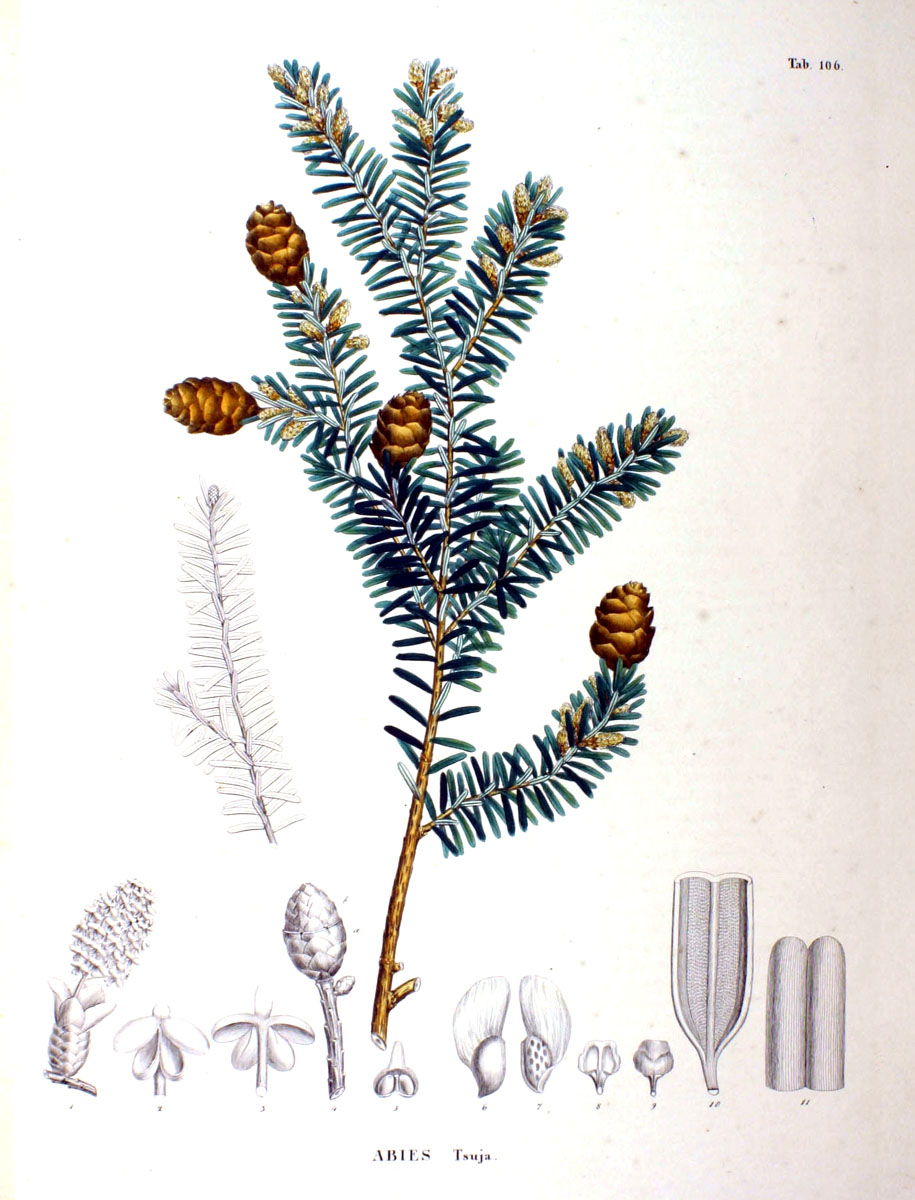
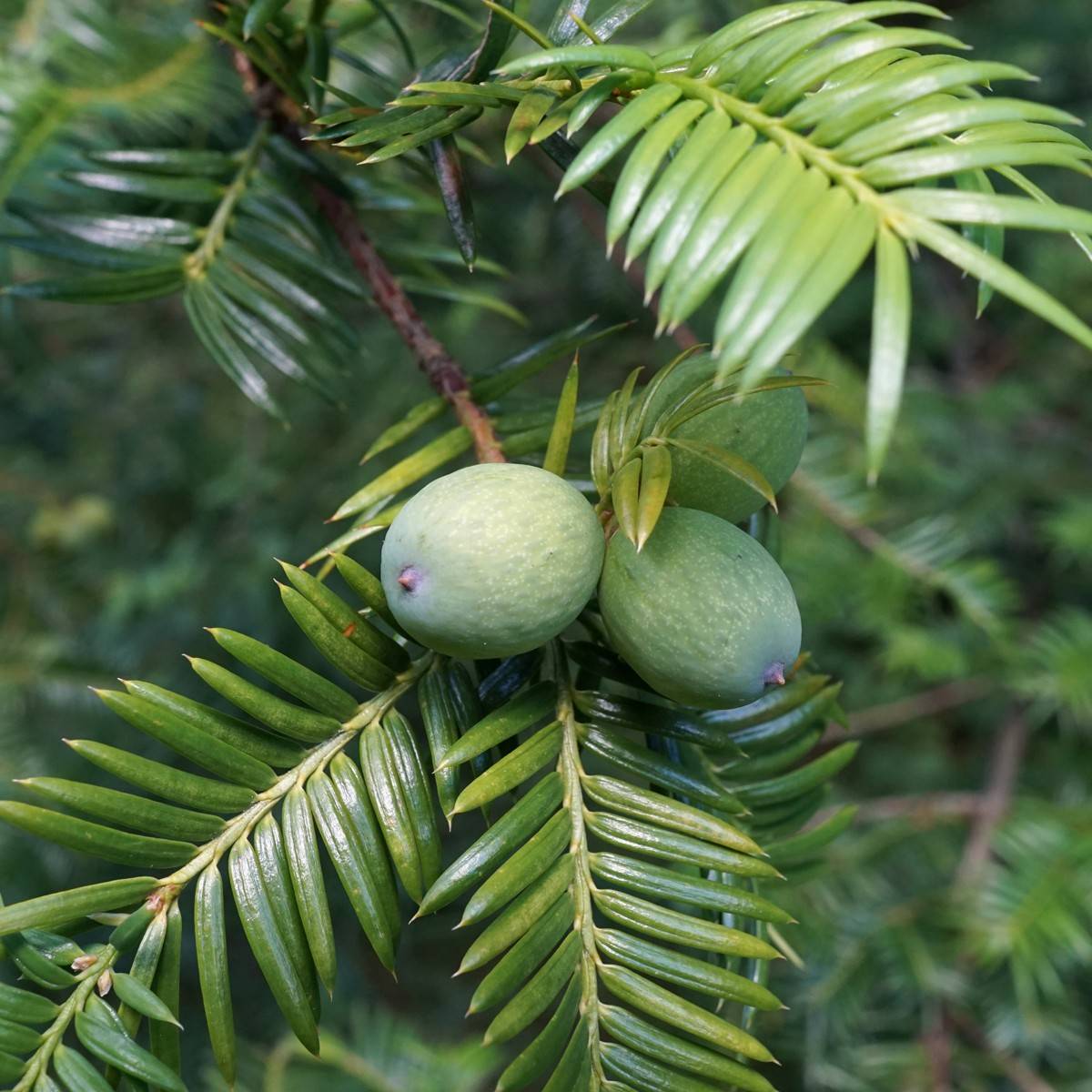
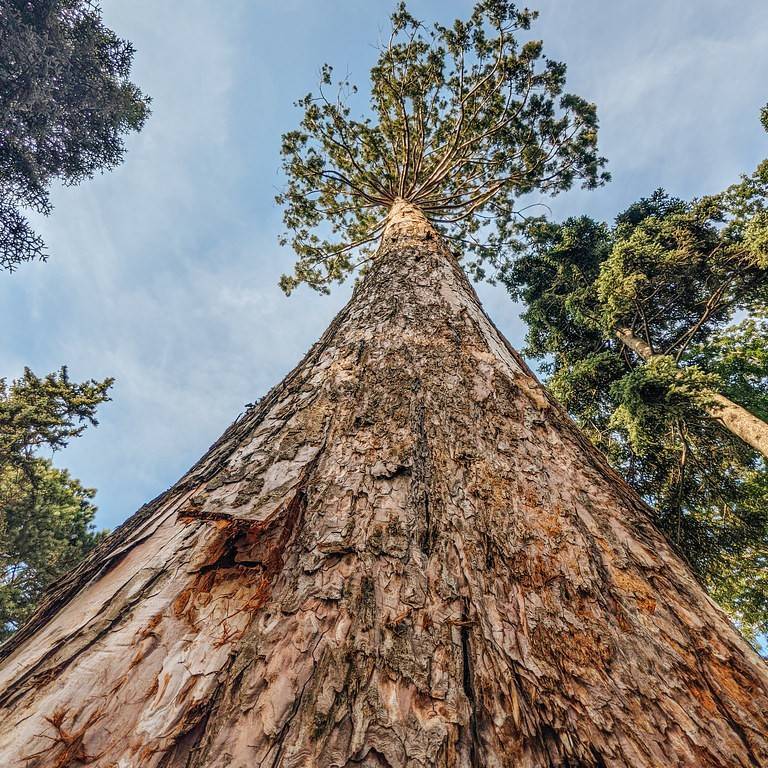
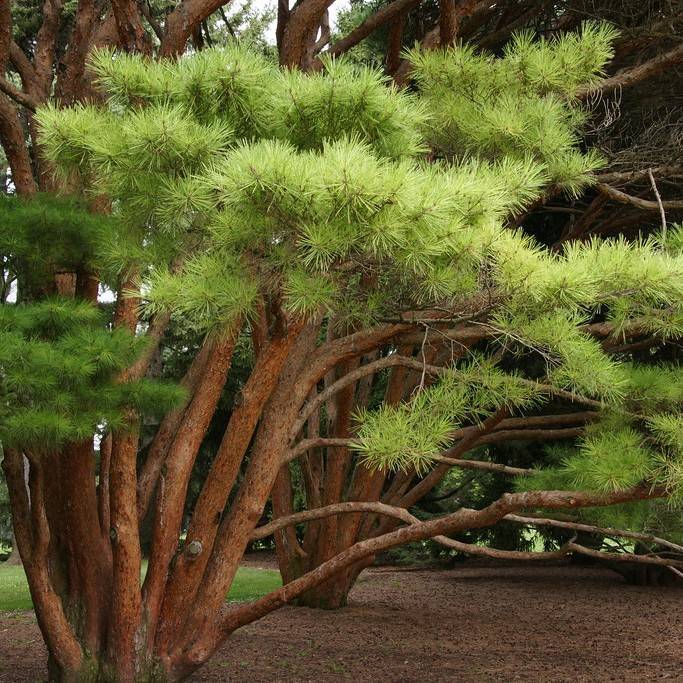
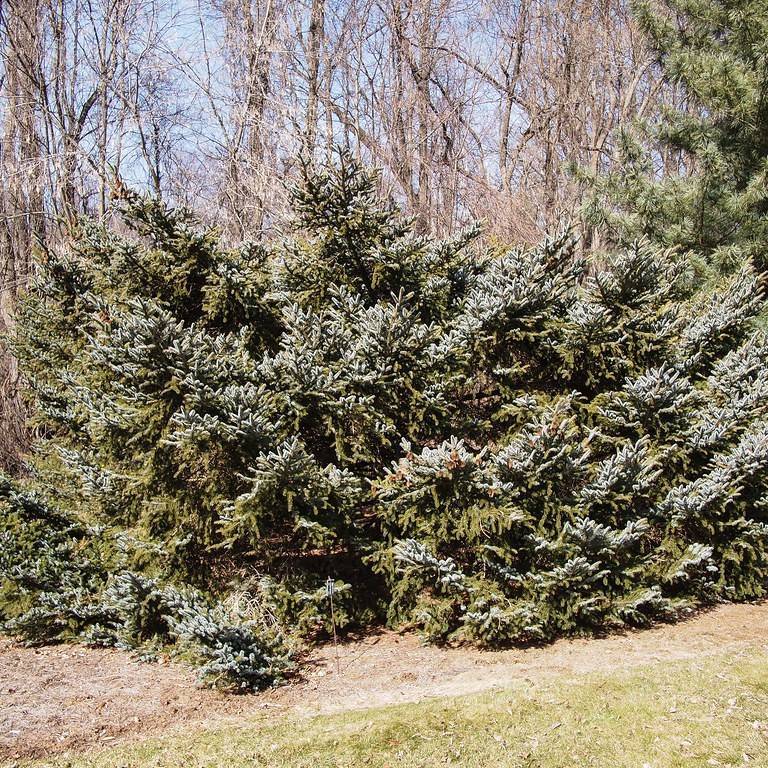
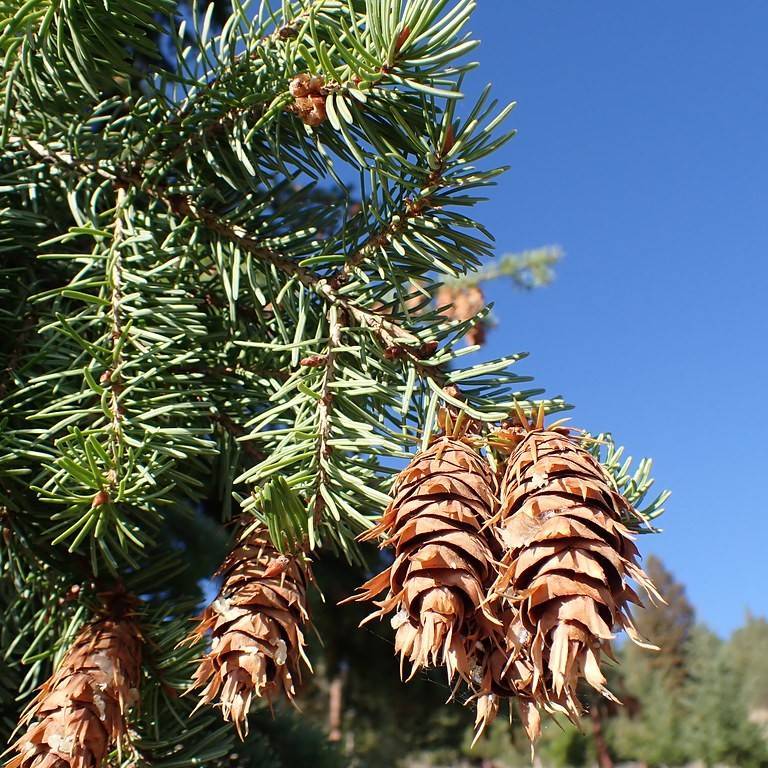
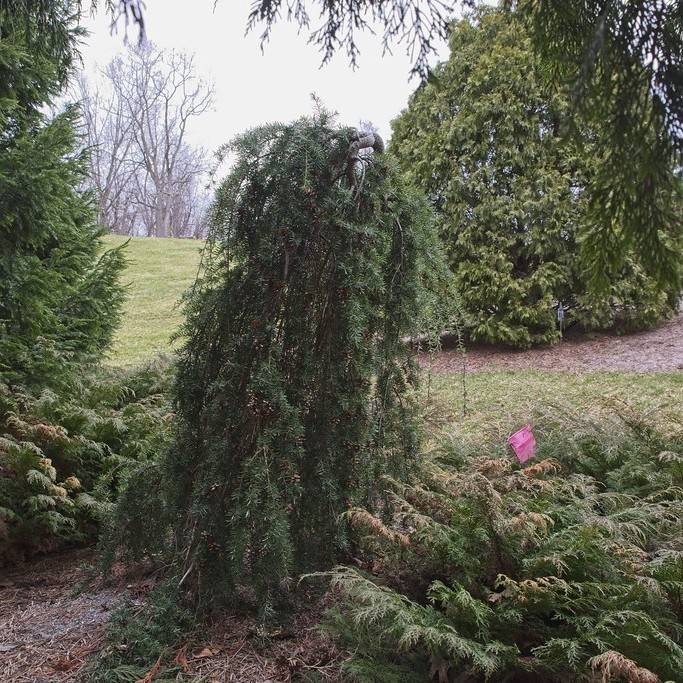
Carolina Hemlock is a slow-growing evergreen conifer distinguished by its dense, pyramidal form, deeply grooved reddish-brown bark, and short, dark green needles with two white stomatal bands on their undersides. Unlike the closely related Eastern Hemlock, its needles are arranged radially around twigs rather than being flattened into two rows, giving it a fuller, bushier appearance. In its native range, it grows primarily on rocky slopes and stream banks at elevations of 2,000 to 5,000 feet, providing critical habitat and food for native birds and small mammals.
Care Guide
Watering
Water Carolina Hemlock regularly during the first two years of establishment to keep the soil consistently moist but not waterlogged, as drought stress increases susceptibility to pests. Mature specimens have moderate drought tolerance but benefit from deep watering during extended dry periods, especially in warmer parts of its growing range. Avoid overhead watering of foliage when possible to reduce the risk of fungal diseases.
Light
Carolina Hemlock thrives in partial shade, particularly in regions with hot summer sun, but can tolerate full sun in cooler, northern climates if provided with sufficient moisture. Young saplings require protection from intense, direct afternoon sun to prevent needle scorch, while mature plants can adapt to a wider range of light conditions. Dense, full shade will result in sparser, more open growth and reduced ornamental value.
Soil
This conifer prefers well-drained, acidic soils with a pH between 4.0 and 6.0, rich in organic matter to retain consistent moisture. It can tolerate rocky, shallow, and moderately loamy soils, but will not survive in heavy, poorly drained clay or alkaline soils that cause iron chlorosis. Adding a 2-3 inch layer of organic mulch (such as pine bark or wood chips) around the base will help maintain soil acidity, cool root temperatures, and moisture levels.
Fertilizer
Fertilize Carolina Hemlock sparingly in early spring before new growth emerges, using a slow-release, acid-forming evergreen fertilizer with a balanced N-P-K ratio such as 10-10-10. Avoid over-fertilization, which can lead to excessive tender growth that is more vulnerable to pest infestations and winter damage. Newly planted specimens should not be fertilized for the first full growing season to allow their root systems to establish without risk of burn.
Temperature
Carolina Hemlock is hardy in USDA zones 4 through 7, tolerating minimum winter temperatures as low as -30°F (-34°C) and summer highs up to 90°F (32°C) when provided with adequate shade and moisture. It is sensitive to extreme heat and prolonged drought, which can cause needle drop and increase vulnerability to the hemlock woolly adelgid, its primary pest threat. Sudden late spring frosts can damage new, tender growth, so avoid planting in low-lying frost pockets if possible.
Pruning
Prune Carolina Hemlight in late winter or early spring before new growth begins to shape the plant, remove dead or damaged branches, and thin crowded growth to improve air circulation. Avoid heavy pruning into old, bare wood, as this species rarely produces new growth from fully mature, leafless branches. Light tip pruning of young plants can encourage denser, more compact growth for ornamental use.
Propagation
Carolina Hemlock is most commonly propagated from seed, which requires a 30-60 day cold stratification period to break dormancy before sowing in moist, acidic seed starting mix. Semi-hardwood cuttings taken in late summer can also root successfully if treated with rooting hormone and kept under high humidity for 3-6 months, though rooting rates are often low. Grafting onto Eastern Hemlock rootstock is sometimes used for ornamental cultivars to ensure consistent growth traits.
Humidity
This species prefers moderate to high humidity levels between 50% and 70%, typical of its native mountain habitat, and may suffer from needle browning in very dry, arid conditions. In regions with low humidity, regular misting of young plants or placement near a natural water source can help maintain adequate moisture levels around the foliage. Indoor-grown specimens (rare) require consistent humidity monitoring to avoid stress.
Repotting
Carolina Hemlock is rarely grown in containers long-term due to its large mature size, but young saplings grown as bonsai or for temporary landscape use should be repotted every 2-3 years in early spring before new growth emerges. Use a well-drained, acidic potting mix formulated for conifers, and gently trim up to one-third of the root ball to encourage new growth while avoiding damage to the central taproot. After repotting, water thoroughly and keep the plant in partial shade for 2-3 weeks to reduce transplant shock.
Uses & Symbolism
Carolina Hemlock is widely planted as an ornamental specimen in residential landscapes, parks, and large gardens for its graceful pyramidal form, year-round evergreen foliage, and tolerance of shaded sites. It is also used for erosion control on steep, rocky slopes in its native range, as its extensive root system stabilizes soil and prevents runoff. Historically, its light, soft wood was occasionally used for general construction, paper pulp, and crates, though it has little commercial timber value today.
Diseases & Pests
The most significant threat to Carolina Hemlock is the hemlock woolly adelgid, an invasive sap-sucking insect that covers branches in white, woolly egg masses and can kill mature trees within 4-10 years of infestation if left untreated. Common fungal diseases include needle blight and root rot, which occur primarily in poorly drained soils or conditions of excessive moisture, causing yellowing needles, defoliation, and stunted growth. Spider mites and scale insects may also infest stressed plants, particularly those growing in hot, dry sites, leading to discolored foliage and reduced vigor.
Related plants
Other plants you might like if you grow Carolina Hemlock.