Japanese Nutmeg Yew
Torreya nucifera
Overview
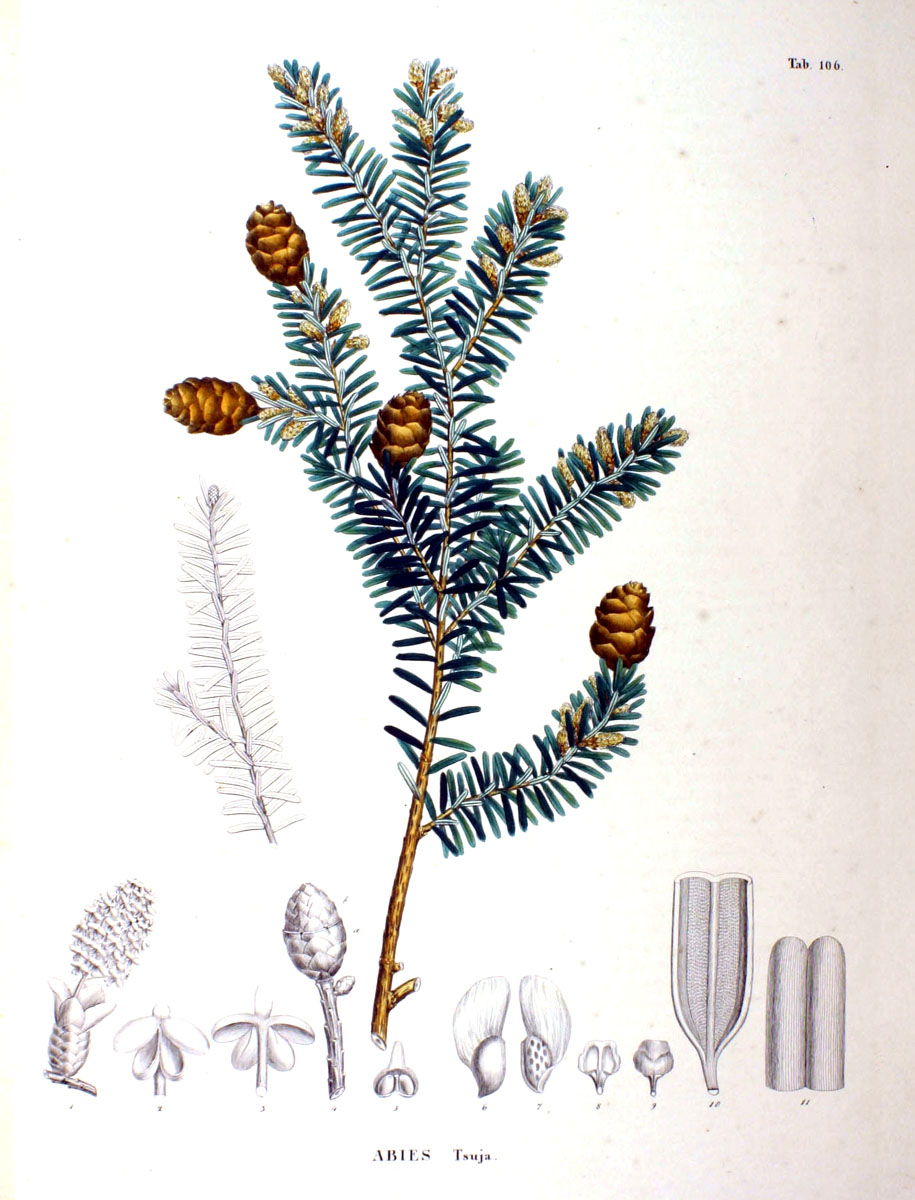
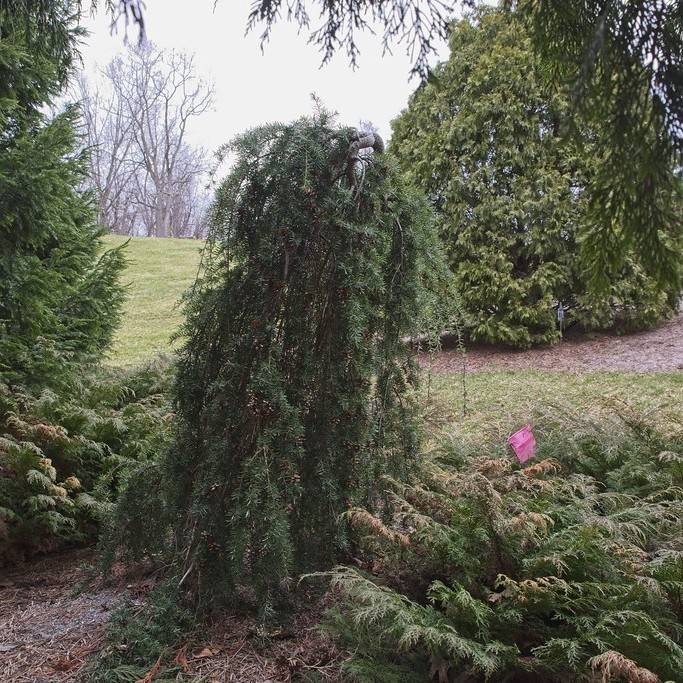
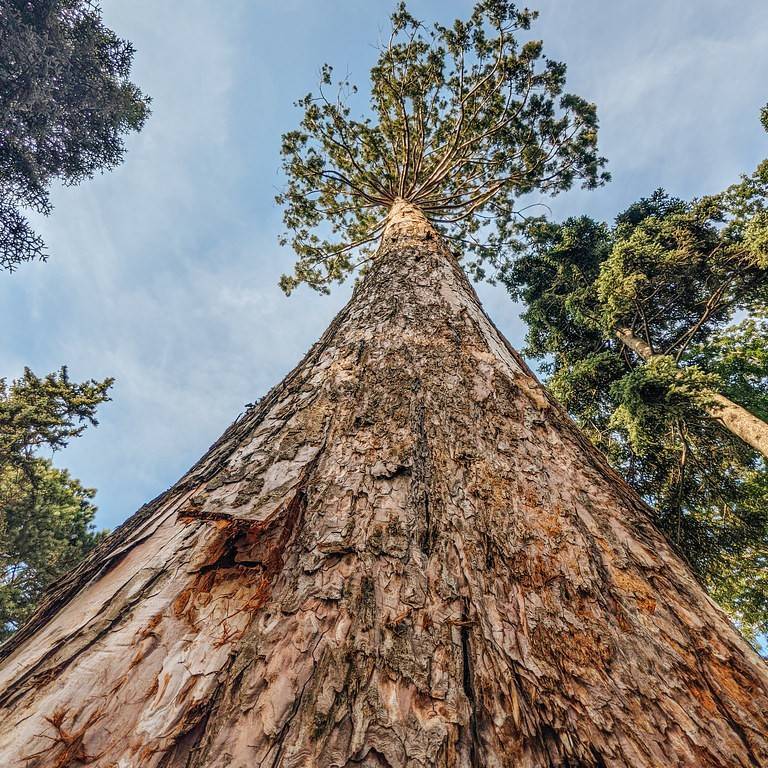
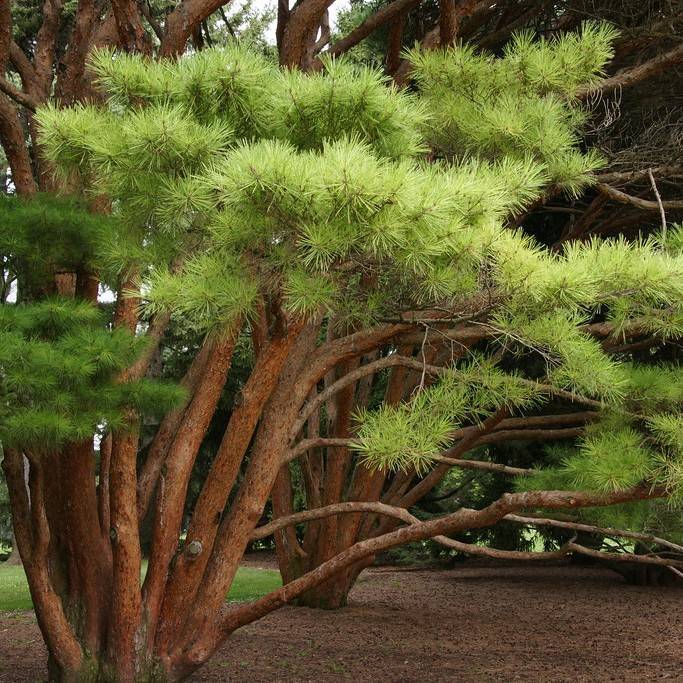
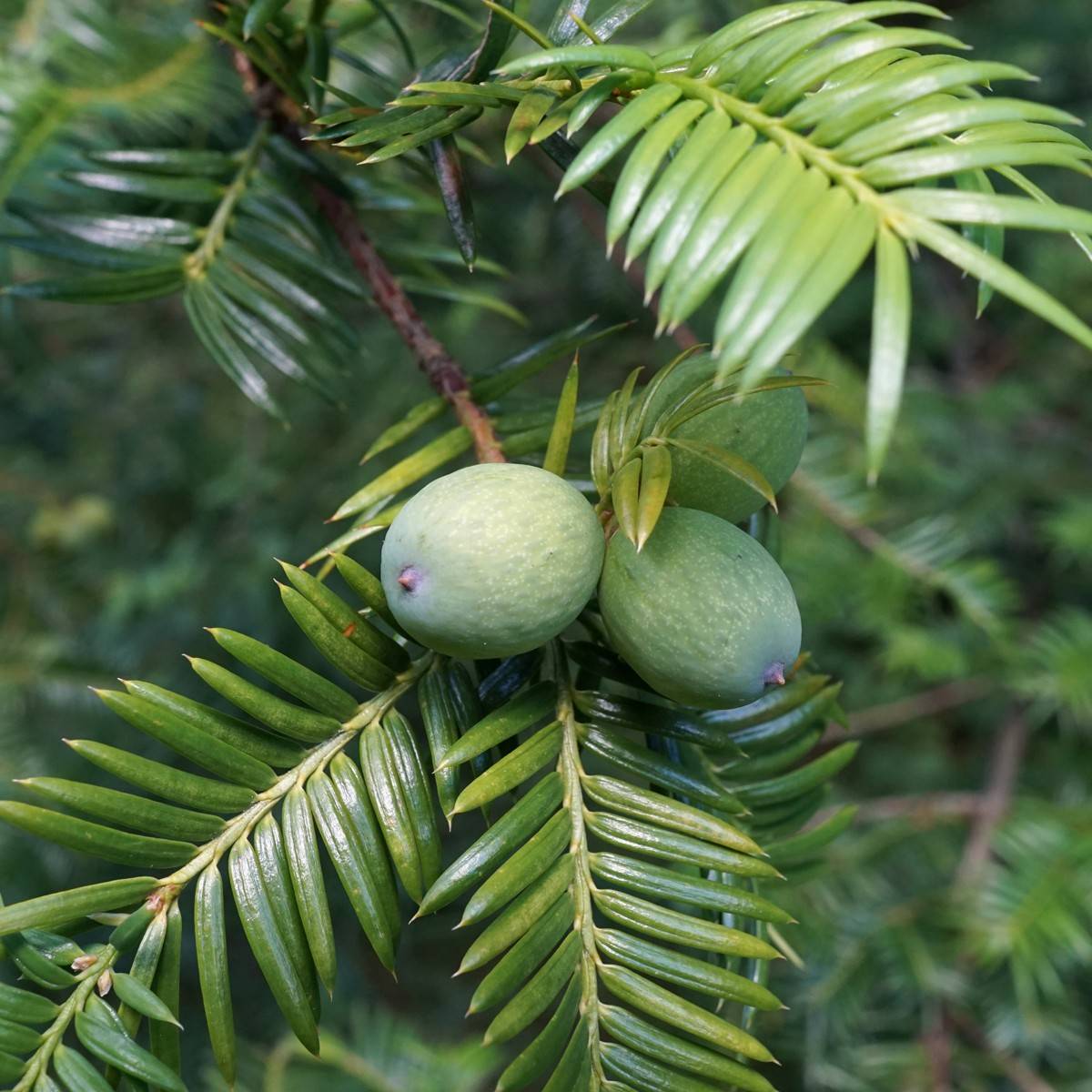
Japanese Nutmeg Yew is a slow-growing, long-lived conifer with stiff, glossy dark green needles that emit a nutmeg-like scent when crushed. Female trees produce small, plum-like purple arils that enclose a single large, toxic seed, while male trees bear small, yellow pollen cones in spring. It is widely cultivated as an ornamental specimen in temperate gardens and prized for its durable, fine-grained wood used in traditional Japanese woodworking.
Care Guide
Watering
Water regularly during the first 2-3 years of establishment to keep soil consistently moist but not waterlogged; mature trees are moderately drought-tolerant, requiring supplemental water only during extended dry periods. Avoid overwatering, especially in heavy clay soils, as this can lead to root rot and fungal infections.
Light
Thrives in partial to full sun, though young saplings benefit from dappled shade to prevent needle scorch in intense summer heat. In regions with very hot, dry summers, provide afternoon shade to protect foliage from burn.
Soil
Prefers well-drained, fertile, slightly acidic loam soil with a pH range of 5.0 to 6.5, but can adapt to neutral soils if drainage is adequate. It does not tolerate poorly drained, waterlogged soils, so amending heavy clay with compost or sand before planting is recommended.
Fertilizer
Apply a balanced, slow-release evergreen fertilizer in early spring before new growth emerges, taking care not to overfertilize, as this can lead to excessive, weak growth that is prone to pest damage. Avoid fertilizing in late summer or fall, as this can stimulate new growth that is vulnerable to winter frost damage.
Temperature
Hardy in USDA zones 6 to 9, tolerating winter temperatures as low as -10°F (-23°C) once fully established. Young trees may require winter protection, such as burlap wrapping, in the coldest parts of its range to prevent desiccation from harsh winter winds.
Pruning
Prune in late winter or early spring before new growth appears to shape the tree, remove dead or damaged branches, and thin out dense growth to improve air circulation. Avoid heavy pruning, as the tree does not regrow well from old, bare wood, and only cut back into areas with green foliage to maintain healthy growth.
Propagation
Most commonly propagated from semi-hardwood cuttings taken in late summer, treated with rooting hormone, and kept in a humid, shaded environment until roots develop, which can take 6 to 12 months. It can also be grown from seed, but seeds require 18 to 24 months of cold stratification to germinate, and resulting trees may take 10 to 15 years to reach reproductive maturity.
Humidity
Adaptable to average ambient humidity levels in its growing range, but benefits from moderate humidity around 40-60% for optimal foliage health. In very dry, arid climates, occasional misting of young trees can help prevent needle browning, though mature trees are tolerant of drier air.
Repotting
Container-grown saplings should be repotted every 2 to 3 years in early spring, using a well-drained acidic potting mix formulated for conifers. Once planted in the ground, the tree does not tolerate transplanting well due to its deep taproot, so choose a permanent planting location carefully to avoid needing to move established specimens.
Uses & Symbolism
Widely planted as a specimen evergreen in temperate gardens, parks, and large landscapes for its dense, attractive foliage and low maintenance requirements once established. Its heavy, fine-grained, aromatic wood is highly valued in traditional Japanese joinery, carving, and for making Go game boards, while the fleshy arils surrounding the seeds are edible when fully ripe and consumed in small quantities in its native range. It is also occasionally grown as a large bonsai specimen for conifer enthusiasts.
Diseases & Pests
Susceptible to root rot in poorly drained soils, caused by Phytophthora fungal pathogens, which can lead to yellowing needles, wilting, and eventual death if drainage is not improved. Common pests include scale insects, which suck sap from foliage and cause yellowing and stunted growth, and yew tip moths, which bore into new growth and cause tip dieback. It may also develop needle blight in overly humid, poorly ventilated conditions, leading to brown, spotted foliage and premature needle drop.
Related plants
Other plants you might like if you grow Japanese Nutmeg Yew.