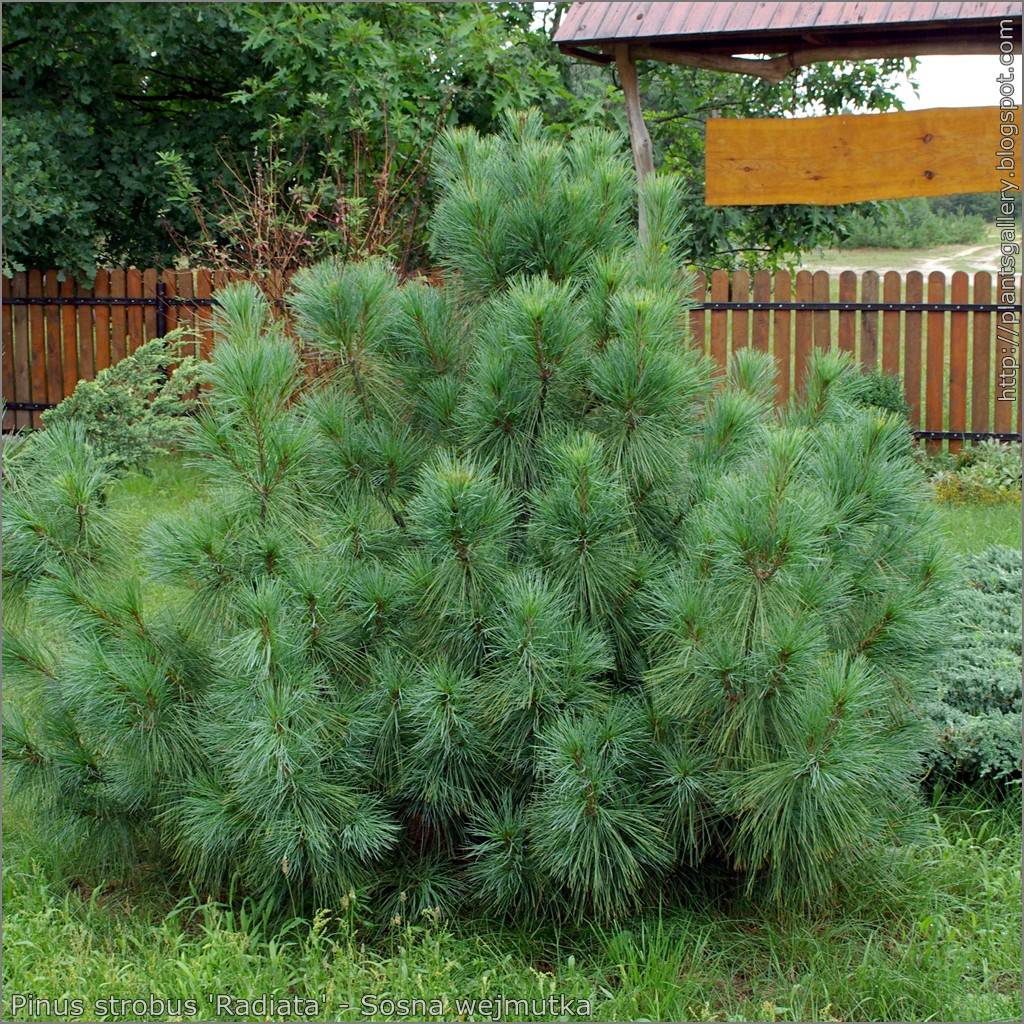
Dwarf Eastern White Pine
Pinus strobus 'Nana'
Overview
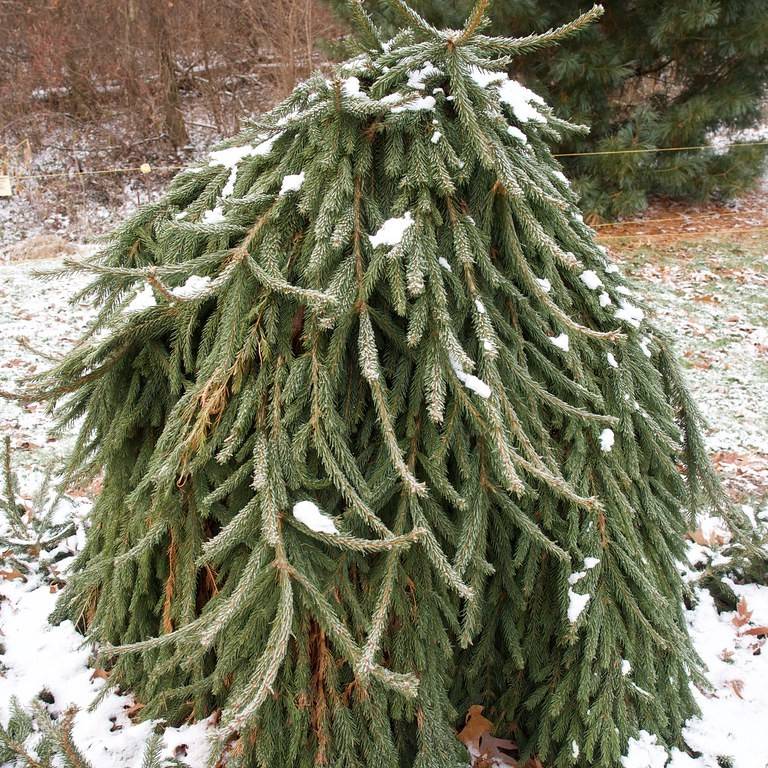
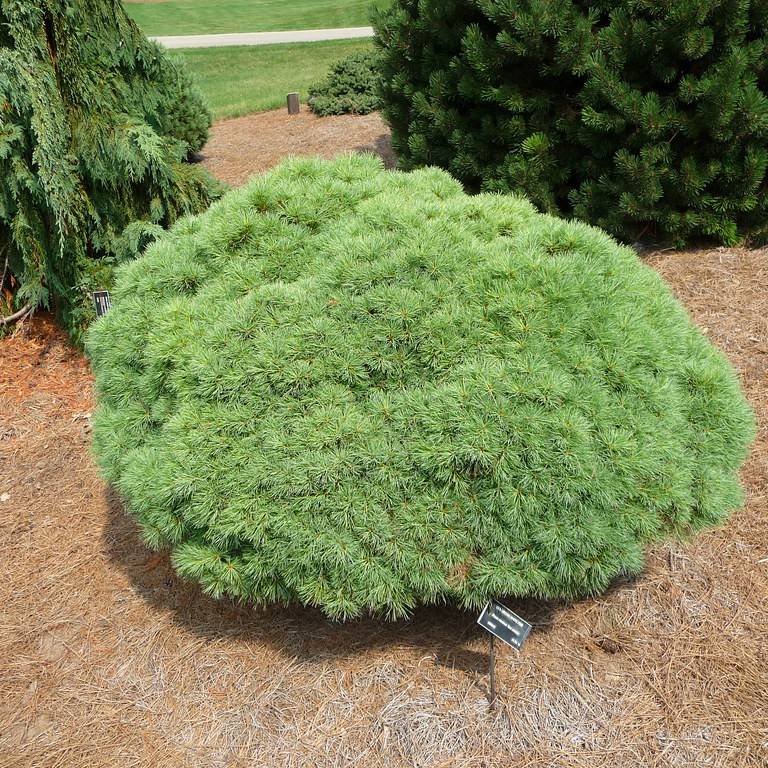
Dwarf Eastern White Pine is a compact cultivar of the native Eastern white pine, prized for its neat, rounded growth habit and soft, feathery blue-green needles that retain their color year-round. Unlike its full-size parent, which can reach 80 feet tall, this dwarf variety stays small for decades, making it a popular choice for rock gardens, foundation plantings, and patio containers. It produces small, decorative brown cones as it matures, adding subtle visual interest without creating excessive litter.
Care Guide
Watering
Water newly planted specimens regularly for the first two years to establish deep roots, keeping soil consistently moist but never waterlogged. Mature plants are drought tolerant, requiring supplemental water only during extended periods of hot, dry weather to prevent needle browning. Avoid overhead watering near the base of the tree to reduce the risk of fungal root issues.
Light
Thrives in full sun, receiving at least 6 hours of direct, unfiltered sunlight daily for the densest, healthiest foliage growth. It can tolerate partial shade, though plants grown in lower light may develop a looser, more open habit and lighter needle color. Plant in an open location away from taller shade trees to ensure consistent light access.
Soil
Prefers well-drained, acidic, loamy soil with a pH between 4.5 and 6.0, but adapts to a wide range of soil types including sandy and rocky soils as long as drainage is good. It does not tolerate heavy, compacted clay soils or consistently waterlogged conditions, which can quickly lead to root rot. Amending heavy soil with peat moss or pine bark fines before planting can improve drainage and adjust pH to optimal levels.
Fertilizer
Feed young plants in early spring with a slow-release, evergreen-specific fertilizer formulated for acid-loving plants to support steady, healthy growth. Mature specimens rarely need fertilization, only applying a light dose if growth is stunted or needles appear pale yellow outside of normal seasonal shedding. Avoid overfertilizing, as this can cause excessive, weak growth that is prone to winter damage and pest infestations.
Temperature
Adaptable to USDA hardiness zones 3 through 8, tolerating winter temperatures as low as -40°F (-40°C) without significant damage once established. It prefers cool to moderate summer temperatures, and may show needle scorch in regions with consistently hot, dry summers above 90°F (32°C) if not given adequate water. Young plants benefit from a layer of winter mulch and a burlap screen to protect from harsh wind and sunscald in cold climates.
Pruning
Prune only to remove dead, damaged, or diseased branches at any time of year, cutting back to healthy wood just above a branch collar. To maintain a compact shape, lightly shear new growth candles in late spring before they fully harden off, removing no more than one-third of the new growth per year. Avoid cutting back into old, bare wood, as dwarf Eastern white pine will not produce new foliage on fully lignified, leafless branches.
Propagation
Most commonly propagated via semi-hardwood cuttings taken in late summer, treated with rooting hormone and kept in a humid, shaded environment for 6 to 12 months until roots develop. Named cultivars like 'Nana' do not grow true from seed, so cuttings are the only reliable method to retain the dwarf growth habit and characteristic features. Grafting onto full-size Pinus strobus rootstock is also used commercially to produce more vigorous, fast-establishing plants.
Humidity
Prefers moderate to high humidity levels between 40% and 60%, typical of its native eastern North American forest habitat. It tolerates average indoor humidity if grown as a container houseplant, though it may benefit from occasional misting during very dry winter heating seasons to prevent needle tip browning. Avoid placing it near direct heat sources such as radiators or furnace vents, which can dry out foliage rapidly.
Repotting
Container-grown specimens need repotting every 3 to 4 years in early spring before new growth emerges, moving to a pot only one size larger than the current container to prevent excess soil moisture retention. Use a well-drained, acidic potting mix formulated for evergreens or conifers, with added perlite or pine bark to improve drainage. Prune up to one-third of the root ball during repotting to restrict growth and keep the plant small enough for container culture.
Uses & Symbolism
Dwarf Eastern White Pine is widely used in residential landscaping as a low-maintenance evergreen specimen for rock gardens, foundation plantings, border edges, and alpine gardens, where its compact size and soft foliage add year-round structure and color. It is also a popular choice for large patio containers and bonsai cultivation, as its slow growth and responsive pruning make it easy to shape and maintain at a small size for decades. Its dense foliage provides shelter for small songbirds and pollinators, making it a valuable addition to wildlife-friendly native plant gardens.
Diseases & Pests
The most common pests include pine sawflies, which feed on new needle growth, and pine needle scale, which sucks sap from foliage leading to yellowing and drop; both can be controlled with horticultural oil applied in early spring before new growth emerges. Fungal diseases such as needle blight and rust may occur in overly wet, poorly ventilated conditions, causing brown, spotted needles and premature defoliation, which can be prevented by avoiding overhead watering and ensuring adequate air circulation around the plant. Root rot is a significant risk in waterlogged, heavy soils, so proper drainage is critical to prevent permanent damage or plant death.
Related plants
Other plants you might like if you grow Dwarf Eastern White Pine.