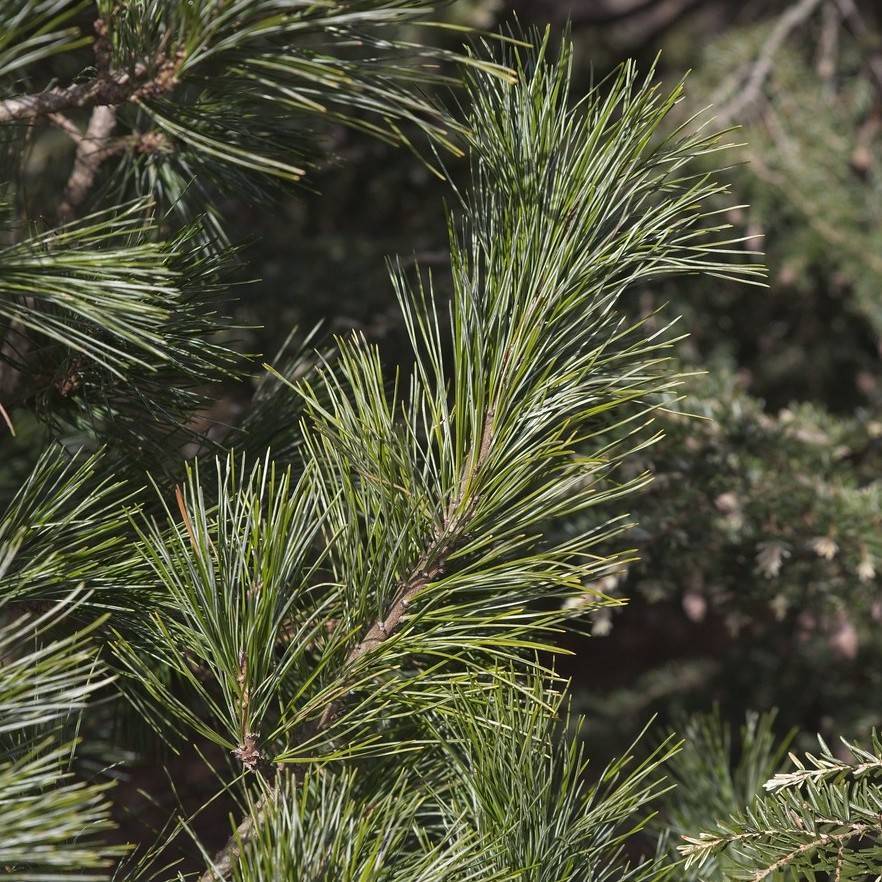
Dwarf Mountain Pine
Pinus mugo var. pumilio
Overview
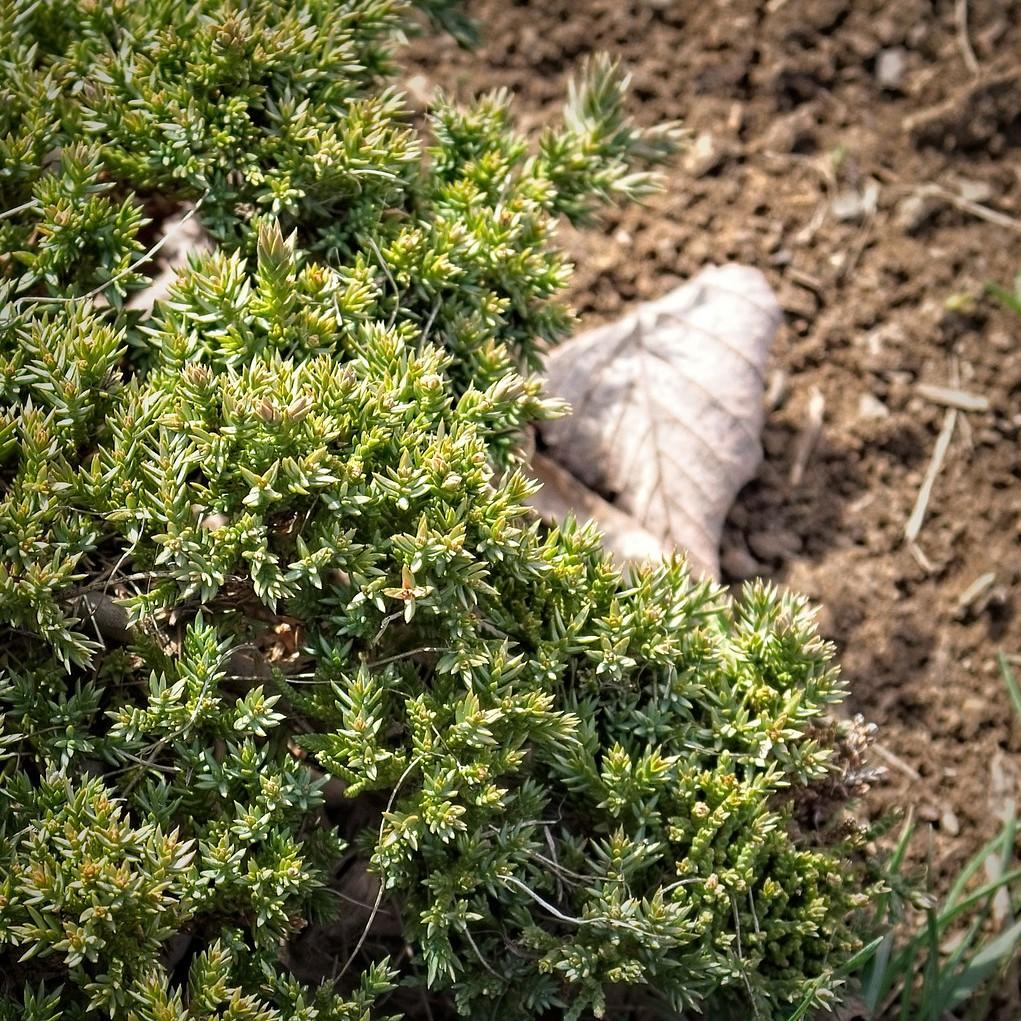
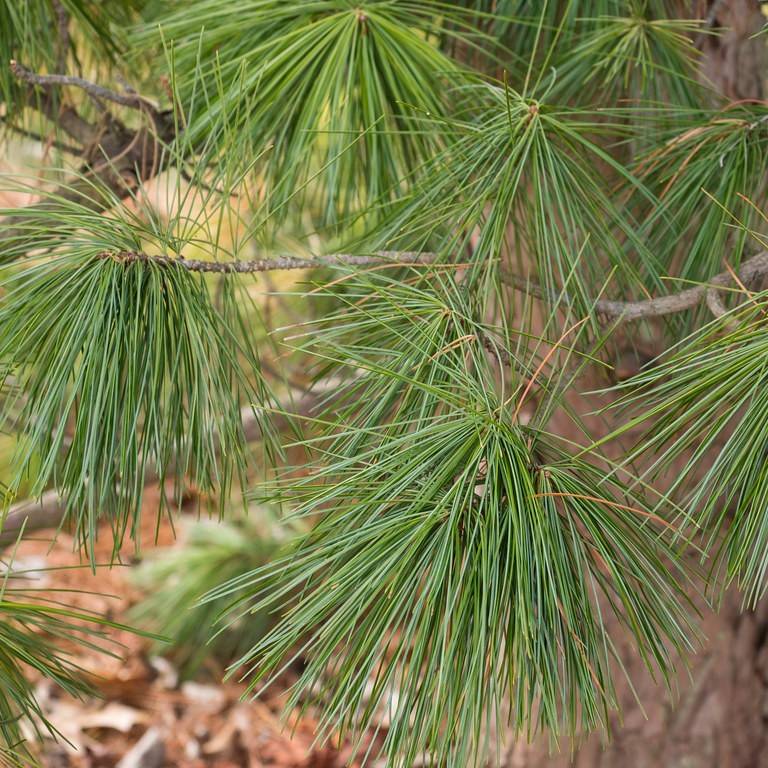
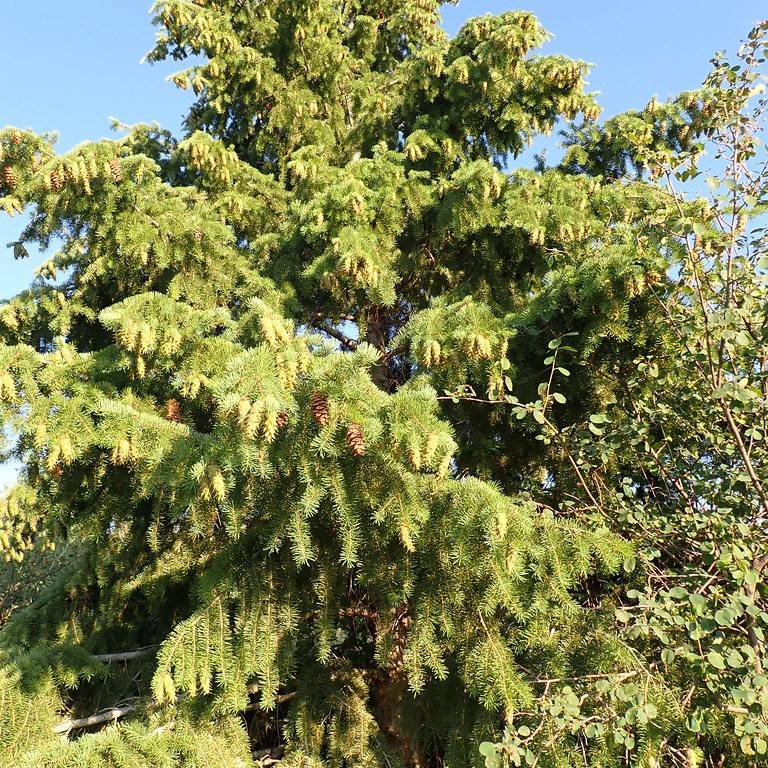
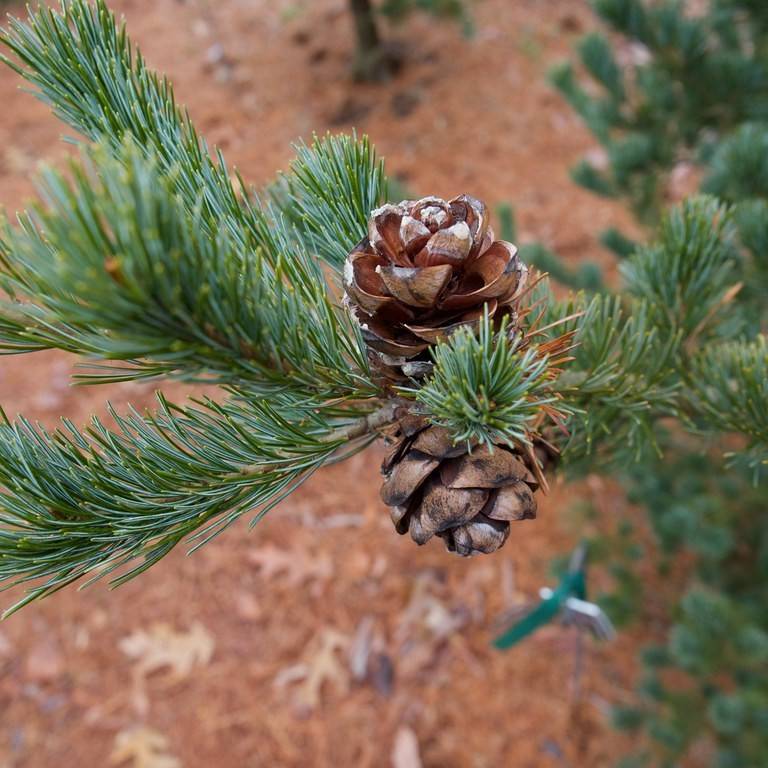
Dwarf Mountain Pine is a compact, low-growing cultivar of the Mugo Pine, prized for its dense, rounded to spreading growth habit and rugged, cold-hardy nature. It features short, stiff, dark green needles arranged in pairs, and produces small, ovoid brown cones that persist on the branches for several years. Adapted to high-altitude mountain environments, it thrives in exposed, cool conditions and tolerates poor, rocky soils that challenge many other woody plants. Its slow growth and manageable size make it a popular choice for small landscapes, container growing, and bonsai cultivation.
Care Guide
Watering
Water newly planted Dwarf Mountain Pines regularly for the first 1-2 years to establish a deep root system, keeping the soil evenly moist but not waterlogged. Once established, it is highly drought-tolerant, requiring only occasional supplemental watering during extended periods of hot, dry weather. Avoid overwatering, especially in heavy, poorly drained soils, as this can lead to root rot and fungal issues.
Light
Grow Dwarf Mountain Pine in full sun for the densest, healthiest foliage growth; it tolerates very light partial shade but will become sparse and leggy if grown in low-light conditions. When grown indoors as a bonsai, place it in a south-facing window that receives a minimum of 6 hours of direct sunlight daily, or supplement with grow lights during short winter days. Outdoor specimens should be sited in an open area with unobstructed sunlight to support robust, compact growth.
Soil
Dwarf Mountain Pine adapts to a wide range of soil types, including sandy, loamy, and rocky soils, as long as they are well-drained; it does not tolerate heavy, waterlogged clay soils. It prefers a slightly acidic to neutral soil pH between 5.5 and 7.0, but can tolerate mildly alkaline conditions as well. For container growing or bonsai, use a well-draining conifer or bonsai soil mix amended with perlite or pumice to improve aeration and drainage.
Fertilizer
Fertilize established Dwarf Mountain Pines sparingly, as overfertilization can lead to excessive, leggy growth that ruins its compact form. Apply a slow-release, balanced evergreen fertilizer once per year in early spring, before new growth emerges, using half the recommended strength for most ornamental plants. Bonsai specimens can be fed with a diluted, balanced liquid fertilizer every 4-6 weeks during the active growing season, pausing fertilization in the winter dormant period.
Temperature
Dwarf Mountain Pine is exceptionally cold-hardy, tolerating winter temperatures as low as -40°F (-40°C), suitable for USDA hardiness zones 2 through 7. It prefers cool to moderate summer temperatures between 60-75°F (15-24°C), and may struggle in prolonged hot, humid climates above 85°F (29°C), where it benefits from afternoon shade and good air circulation. Bonsai specimens grown indoors need a 6-8 week cold dormancy period in winter at temperatures between 20-45°F (-7-7°C) to remain healthy long-term.
Pruning
Prune Dwarf Mountain Pine in late spring to early summer, when new growth (called candles) has fully extended but before the needles have unfurled. Pinch back 1/2 to 2/3 of each new candle to encourage denser, more compact growth and maintain the desired shape, rather than cutting back into old wood, which rarely produces new shoots. Remove any dead, damaged, or diseased branches at any time of year, and thin out overcrowded inner branches to improve air circulation and light penetration.
Propagation
Dwarf Mountain Pine is most commonly propagated from semi-hardwood cuttings taken in late summer or early fall, from current-year growth that has begun to firm at the base. Cuttings should be 4-6 inches long, stripped of needles on the lower half, dipped in rooting hormone, and planted in a well-draining propagation mix under mist or a humidity dome, with rooting taking 3-6 months. It can also be grown from seed, but seed-grown plants may not retain the exact dwarf growth habit of the parent cultivar, so cuttings are preferred for consistent results.
Humidity
Dwarf Mountain Pine tolerates a wide range of humidity levels, adapting well to the dry air of mountain environments and the moderate humidity of temperate lowland regions. It does not require high humidity, but in very arid climates, occasional misting can help prevent needle browning on young or container-grown specimens. When grown indoors as a bonsai, maintain average household humidity levels between 40-60%, avoiding placement near heating or cooling vents that produce dry, moving air.
Repotting
Repot young Dwarf Mountain Pine specimens every 2-3 years, and mature plants every 4-5 years, in early spring just before new growth emerges. When repotting, gently loosen the root ball, trim away up to 1/3 of the outer root mass, and plant in fresh, well-draining conifer soil, taking care not to plant it deeper than it was in its previous container. For bonsai specimens, use a shallow, well-draining pot with adequate drainage holes, and water thoroughly after repotting to settle the soil around the roots.
Uses & Symbolism
Dwarf Mountain Pine is widely used in landscaping as a low hedge, ground cover, or accent plant in rock gardens, alpine gardens, and xeriscapes, where its compact form and cold hardiness make it ideal for exposed, high-altitude or northern landscapes. It is one of the most popular conifer species for bonsai cultivation, prized for its rugged bark, small needles, and ability to tolerate heavy pruning and training. Historically, its resin and needles have been used in traditional European folk medicine for respiratory ailments, and its dense, durable wood is occasionally used for small craft projects.
Diseases & Pests
Dwarf Mountain Pine is relatively pest and disease resistant, but can be susceptible to pine sawfly larvae, which feed on new needles and can defoliate branches if left untreated, and pine needle scale, which forms small white or brown bumps on needles and sucks sap from the plant. Fungal diseases including needle blight, rust, and root rot can occur in poorly drained soils or conditions of high humidity and poor air circulation, causing browning needles, defoliation, and eventual plant death if not addressed. Aphids and spider mites may also infest stressed specimens, especially those grown in hot, dry conditions, and can be controlled with horticultural oil or insecticidal soap sprays.
Related plants
Other plants you might like if you grow Dwarf Mountain Pine.