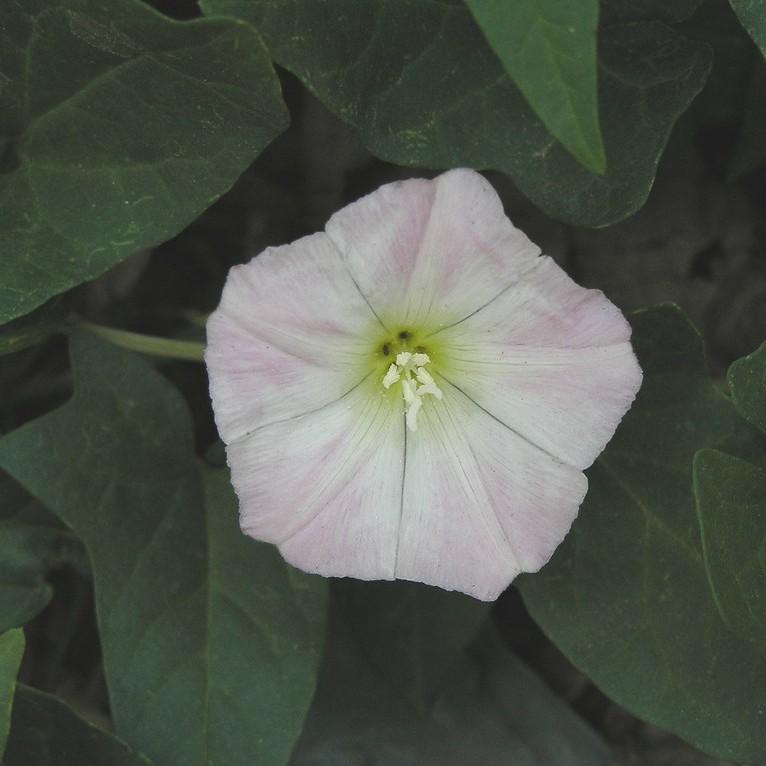
Japanese False Bindweed
Calystegia pubescens
Overview
Japanese False Bindweed is a herbaceous perennial vine in the morning glory family, recognizable by its soft, fuzzy triangular to heart-shaped leaves and showy, 2-3 inch wide pale pink or white funnel-shaped blooms that open in full sun. It spreads via rhizomes and twining stems, which can climb trellises, fences, or other structures, or trail along the ground as a ground cover. While valued for its long flowering period and low-fuss care, it can become invasive in warm, moist regions outside its native range if not contained.
Care Guide
Watering
Water regularly during the first growing season to establish a deep root system, keeping the soil consistently moist but not waterlogged. Once established, the vine is moderately drought tolerant, requiring supplemental watering only during extended periods of hot, dry weather. Reduce watering in late fall and winter when growth slows to prevent root rot.
Light
Thrives in full sun, which encourages the heaviest bloom production and sturdy, compact growth. It can tolerate partial shade, though flowering will be reduced and stems may become leggy as the vine stretches toward brighter light. Avoid deeply shaded locations, as they can lead to sparse foliage and minimal blooming.
Soil
Adaptable to a wide range of soil types, including sandy, loam, or clay soils, as long as they are well-draining. It tolerates a pH range from slightly acidic to slightly alkaline, between 6.0 and 7.5. Heavy, waterlogged soils will cause rhizome rot, so amend compacted soil with compost or sand to improve drainage before planting.
Fertilizer
Feed with a balanced, all-purpose granular fertilizer in early spring as new growth emerges to support foliage and flower development. Avoid over-fertilizing, especially with high-nitrogen formulas, as this can promote excessive leaf growth at the expense of blooms. Potted specimens may benefit from a diluted liquid fertilizer once every 4-6 weeks during the active growing season.
Temperature
Grows best in temperate climates with average summer temperatures between 60-85°F (15-29°C), and is hardy in USDA zones 5 through 9. It can tolerate light frosts, which will kill back above-ground growth, but rhizomes will survive and resprout in spring in zones where winter temperatures do not drop below -20°F (-29°C). In colder regions, it can be grown as an annual or overwintered indoors in containers.
Pruning
Trim back overgrown or sprawling stems in late summer to keep the vine contained and prevent unwanted spread into nearby garden beds. Cut back all dead foliage to the ground in late fall or early spring before new growth emerges to keep the planting area tidy and reduce overwintering pest habitat. To control its aggressive rhizomatous spread, install root barriers around garden plantings or grow it in containers to restrict root movement.
Propagation
Most easily propagated by dividing rhizomes in early spring before new growth starts, digging up clumps and separating them into smaller sections with at least one growing bud each. It can also be grown from stem cuttings taken in summer, rooted in moist potting mix under indirect light. Seeds require cold stratification for 4-6 weeks before sowing in spring, though named cultivars will not come true from seed.
Humidity
Tolerates a wide range of humidity levels, from dry inland air to humid coastal conditions, with no specific humidity requirements. High humidity combined with poor air circulation can increase the risk of fungal leaf diseases, so space plants appropriately to allow for airflow around foliage. It does not require misting or supplemental humidity, even when grown indoors temporarily.
Repotting
Potted specimens should be repotted every 1-2 years in early spring, before new growth begins, to refresh the soil and give rhizomes room to expand. Choose a pot that is 2-3 inches larger than the current container, with drainage holes to prevent waterlogging. If you wish to restrict growth, you can trim back up to one-third of the rhizome mass during repotting to keep the vine compact.
Uses & Symbolism
Japanese False Bindweed is commonly grown as an ornamental vine for covering trellises, arbors, fences, or unsightly garden structures, adding soft color from early summer through early fall. It is also used as a trailing ground cover for sloped areas or erosion control, as its dense root system holds soil in place effectively. In its native range, parts of the plant have been used in traditional folk medicine for treating minor inflammation and digestive issues, though medicinal use is not widespread today.
Diseases & Pests
It is relatively pest and disease resistant, but can be affected by common vine pests including aphids, spider mites, and whiteflies, which feed on sap and can cause stunted growth or yellowing foliage. Fungal diseases such as powdery mildew and leaf spot may occur in humid, poorly ventilated conditions, appearing as white powdery patches or brown spots on leaves. Overwatered or poorly drained soils can lead to rhizome rot, which causes wilting foliage and eventual plant death if not corrected.
Related plants
Other plants you might like if you grow Japanese False Bindweed.

Kalimeris
Kalimeris indica
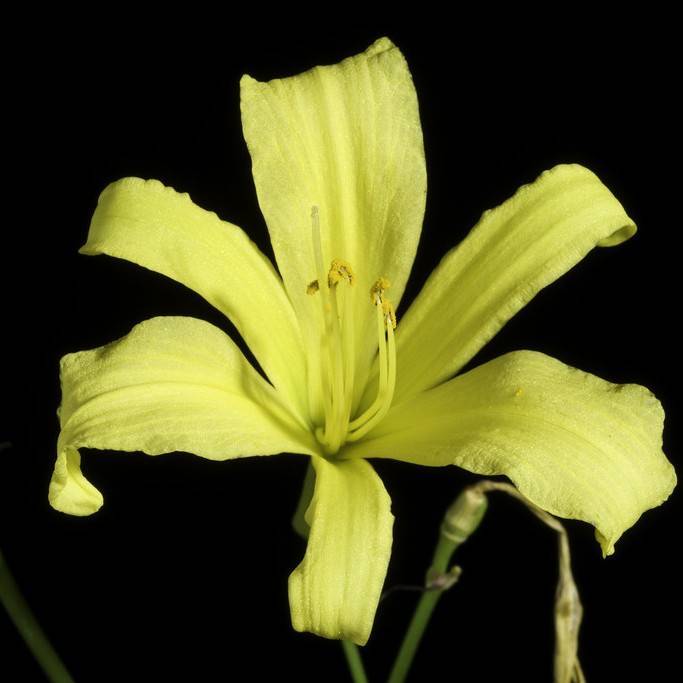
Citron Daylily
Hemerocallis citrina
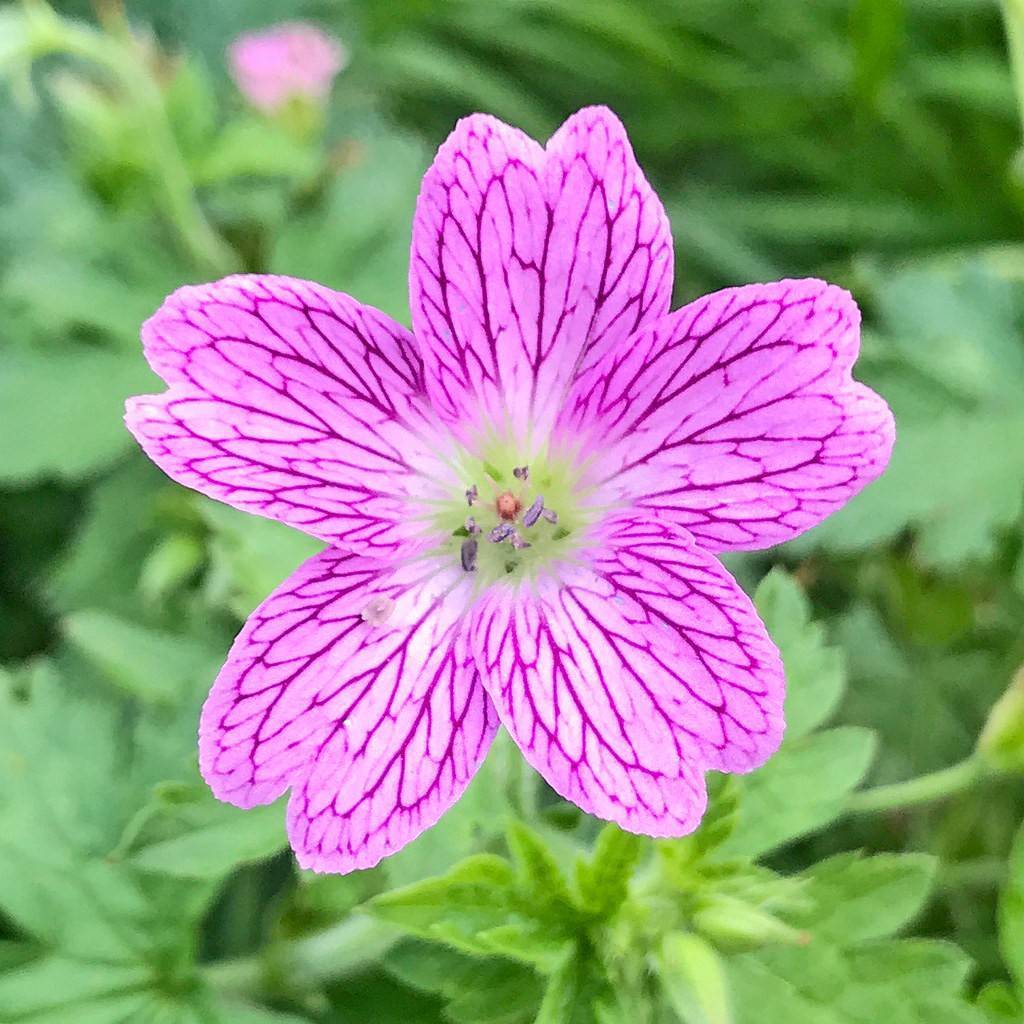
Endres's Cranesbill
Geranium endressii
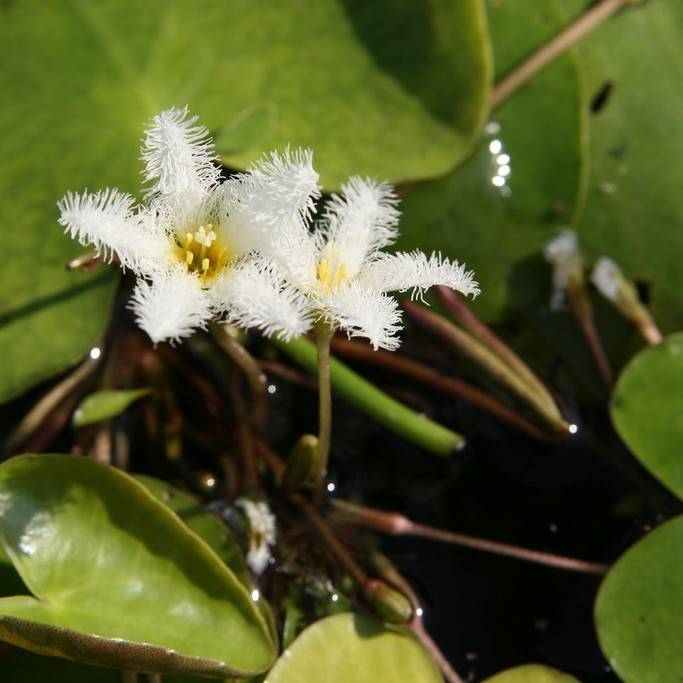
Crested Floatingheart
Nymphoides cristata
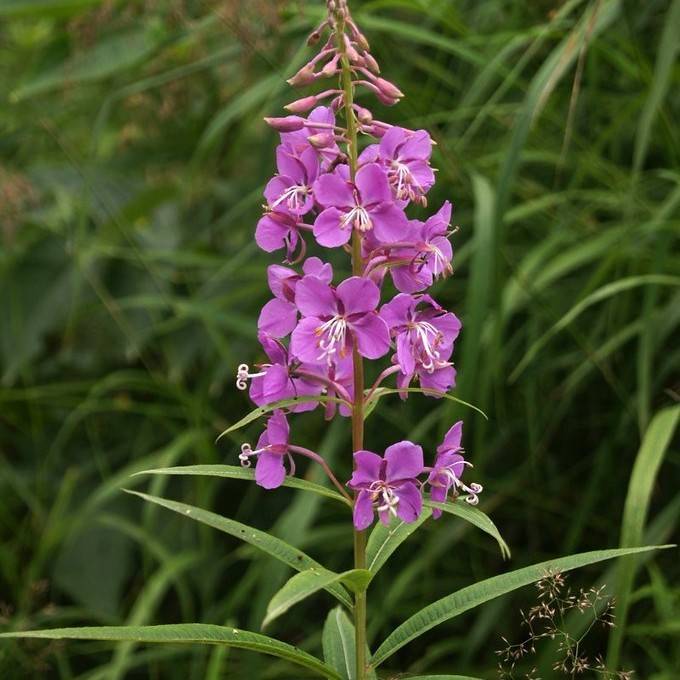
Hybrid Fireweed
Chamerion angustifolium 'Album' or interspecific Chamerion hybrids
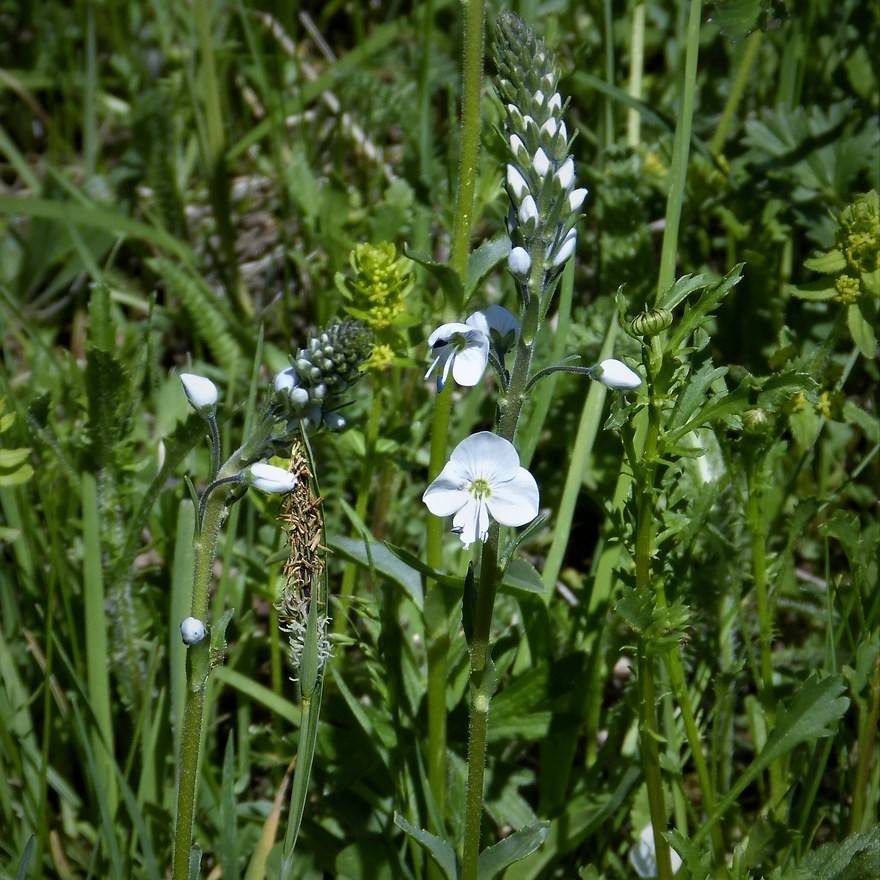
Gentian Speedwell
Veronica gentianoides
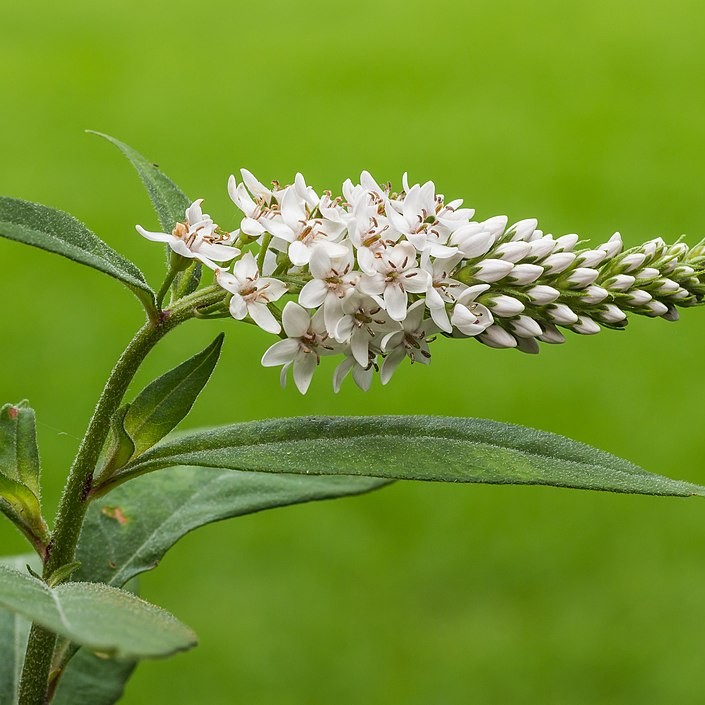
Gooseneck Loosestrife
Lysimachia clethroides
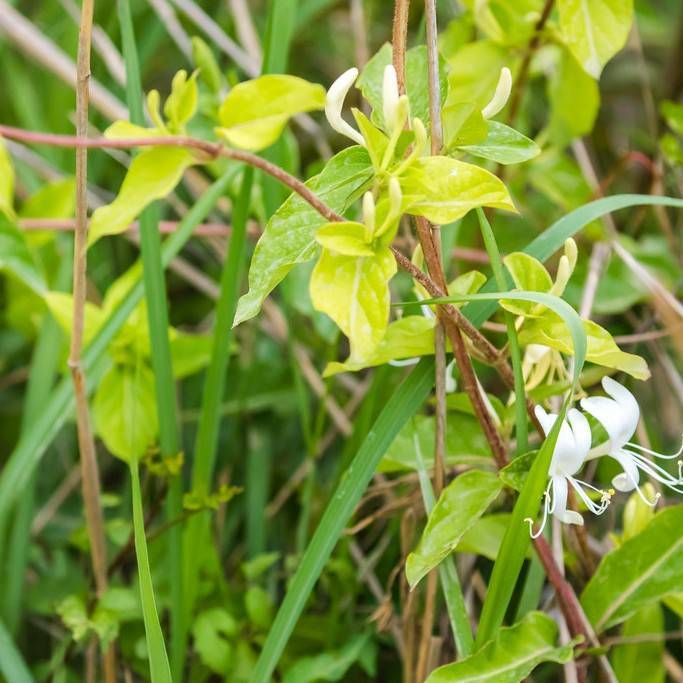
Japanese Honeysuckle
Lonicera japonica