Crested Floatingheart
Nymphoides cristata
Overview
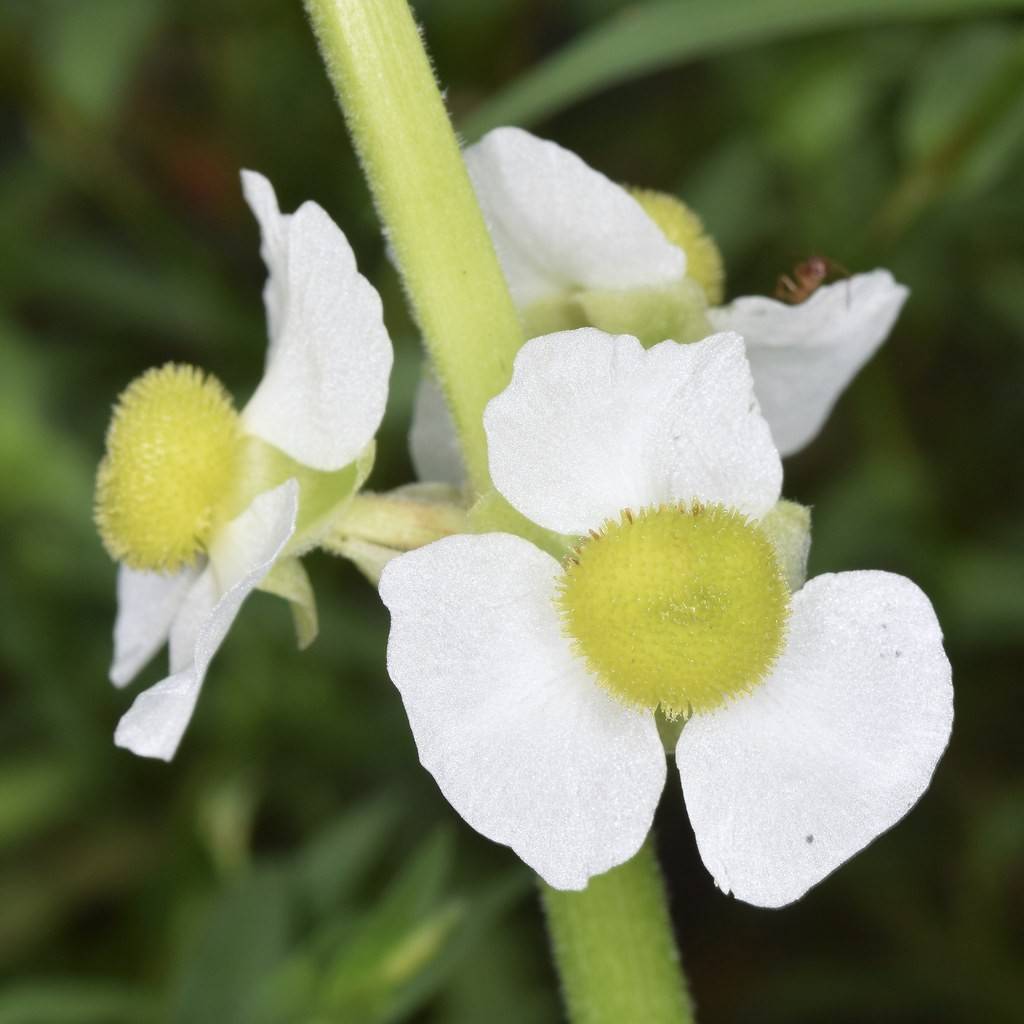
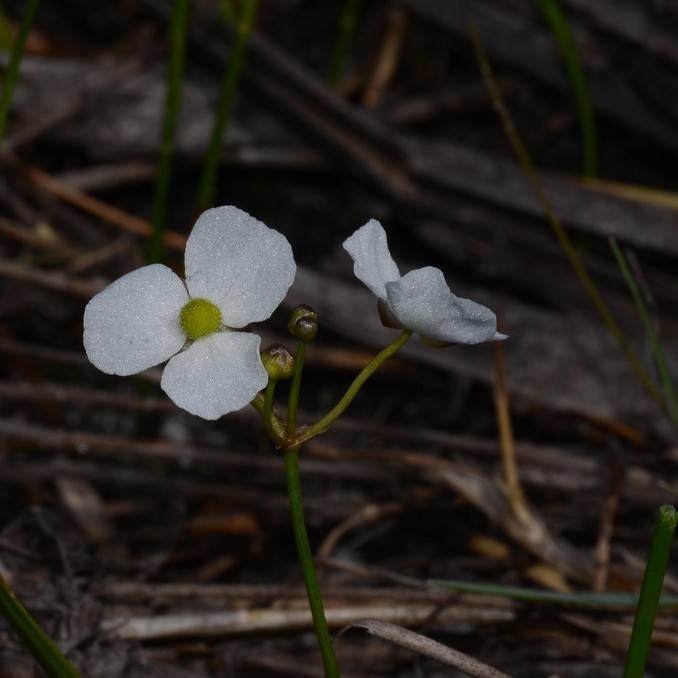
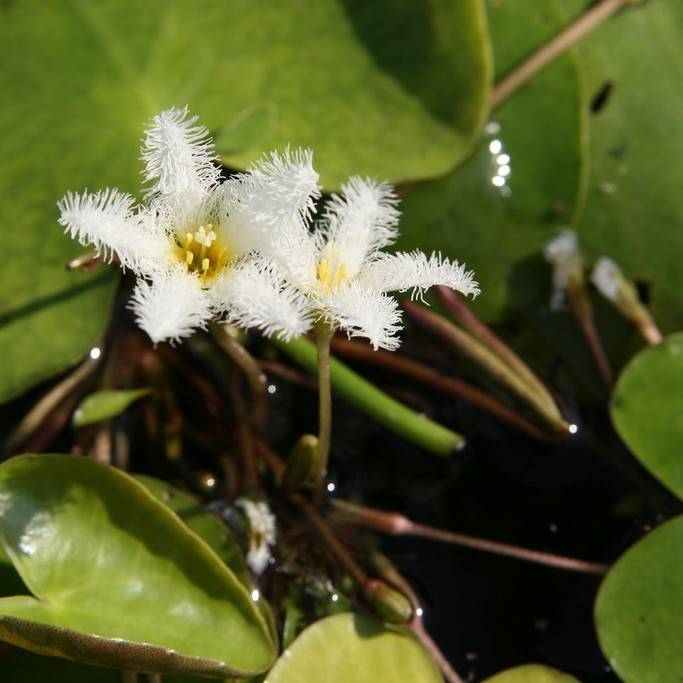
Crested floatingheart is a mat-forming aquatic plant that floats on still or slow-moving freshwater surfaces, supported by long, slender submerged stems anchored in muddy substrate. Its round, glossy green leaves have slightly wavy margins, and it produces small, star-shaped white flowers with distinctly fringed, crested petal edges that rise just above the water line. Though native to Asia, it is widely cultivated globally for ornamental water features, and can become invasive in warm, non-native regions if not properly contained.
Care Guide
Watering
As a fully aquatic plant, crested floatingheart requires consistent submersion in still or very slow-moving freshwater, with water depths between 6 and 24 inches (15-60 cm) to accommodate its submerged stems. Maintain clean, balanced water with low nutrient levels to prevent excessive algal growth that can smother its leaves and reduce light penetration.
Light
Thrives in full sun, receiving 6 to 8 hours of direct sunlight daily for optimal flowering and healthy leaf growth. It can tolerate partial shade, though flowering will be reduced and leaf growth may become sparse in low-light conditions.
Soil
Grows best when rooted in rich, loamy, muddy pond substrate at the bottom of its water body, which anchors its root system and provides steady access to nutrients. It can also be grown in submerged aquatic planting baskets filled with heavy garden loam, topped with a layer of gravel to prevent soil erosion into the water.
Fertilizer
Fertilize sparingly once every 4 to 6 weeks during the growing season using slow-release aquatic plant fertilizer tabs pressed into the substrate near its root zone. Avoid over-fertilizing, as excess nutrients in the water can trigger algal blooms that harm the plant and disrupt the aquatic ecosystem.
Temperature
Prefers water temperatures between 65 and 85°F (18-29°C), and is hardy in USDA zones 7 through 11, dying back to its root system during light freezes and resprouting in spring when temperatures warm. In regions with prolonged freezing temperatures, bring potted specimens indoors to a cool, sunlit location or overwinter them in a heated aquarium to prevent root death.
Pruning
Trim away yellowing, damaged, or dead leaves and spent flower stalks regularly to encourage new growth and prevent decaying plant matter from fouling the water. To control spread and avoid overcrowding, remove excess rooted sections and floating mats of growth as needed, especially in small ponds or contained water features.
Propagation
Easily propagated by division in early spring, when you can separate rooted sections of the mat-like growth and replant them in suitable substrate at the desired location. It can also be grown from seed, though seeds are less commonly used for home cultivation, as division is faster and more reliable for retaining consistent plant traits.
Humidity
Thrives in the high ambient humidity naturally present above pond and water garden surfaces, with no additional humidity adjustments required when grown in its typical aquatic habitat. When overwintered indoors, maintain ambient humidity levels above 50% to prevent floating leaves from drying out at the edges.
Repotting
Potted crested floatingheart grown in aquatic baskets should be repotted every 1 to 2 years in early spring, before active growth resumes, to refresh the substrate and prevent roots from becoming pot-bound. When repotting, divide overgrown clumps to keep the plant contained and reduce competition for nutrients in the pot.
Uses & Symbolism
Crested floatingheart is a popular ornamental plant for water gardens, backyard ponds, and container water features, valued for its delicate fringed flowers and attractive floating foliage that provides shade for aquatic life. Its dense floating mats also help reduce algal growth by blocking excess sunlight from reaching the water column, and provide shelter for small fish, amphibians, and aquatic invertebrates.
Diseases & Pests
Crested floatingheart is relatively pest-resistant, but may be susceptible to aphids and water lily beetles that feed on its floating leaves, which can be controlled by rinsing leaves with water or using aquatic-safe insecticidal treatments. It may also develop root rot if grown in stagnant, low-oxygen water, so ensuring gentle water circulation and avoiding overcrowding will help prevent fungal and bacterial issues.
Related plants
Other plants you might like if you grow Crested Floatingheart.