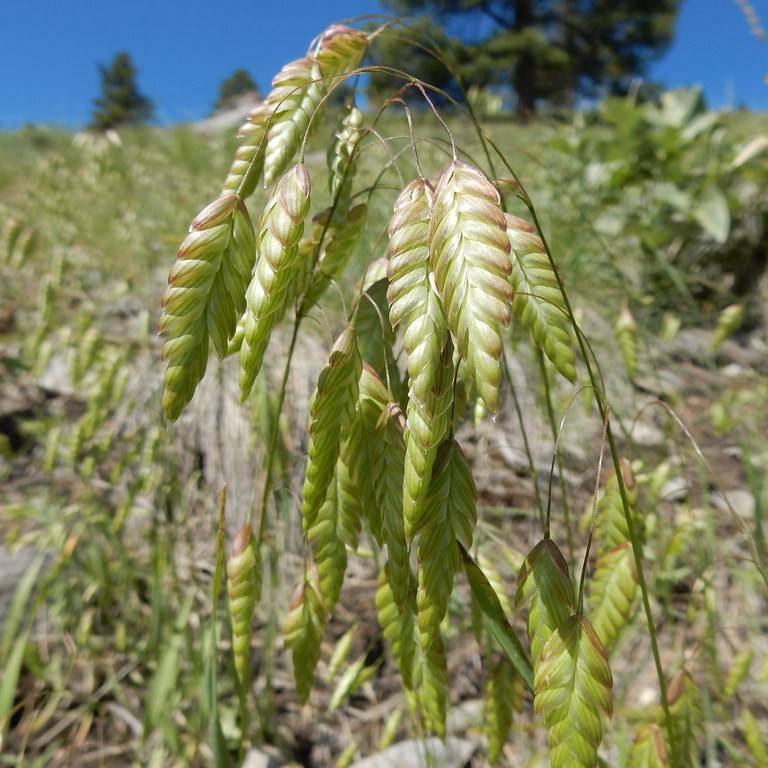
Japanese Brome
Bromus japonicus
Overview
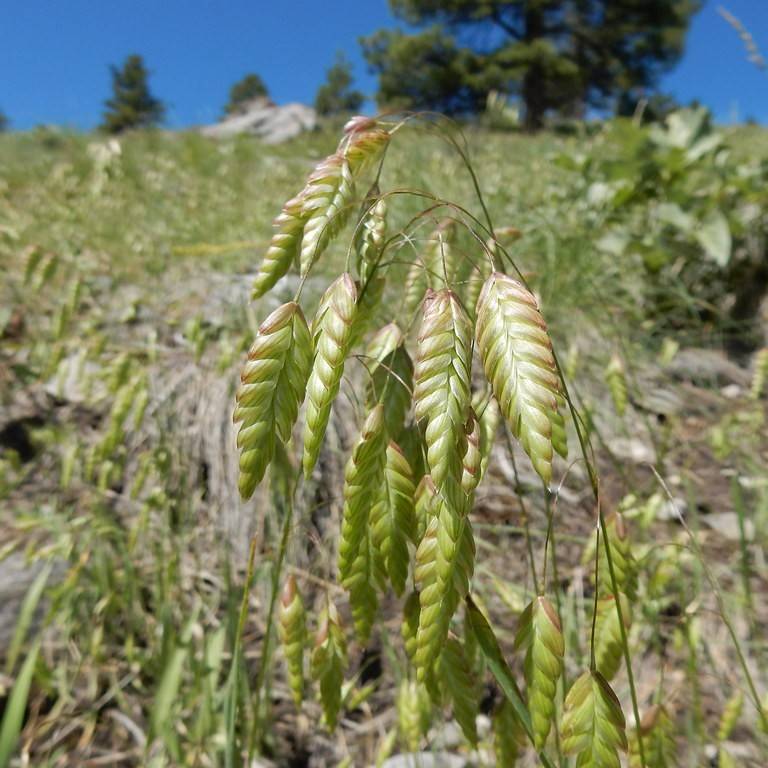
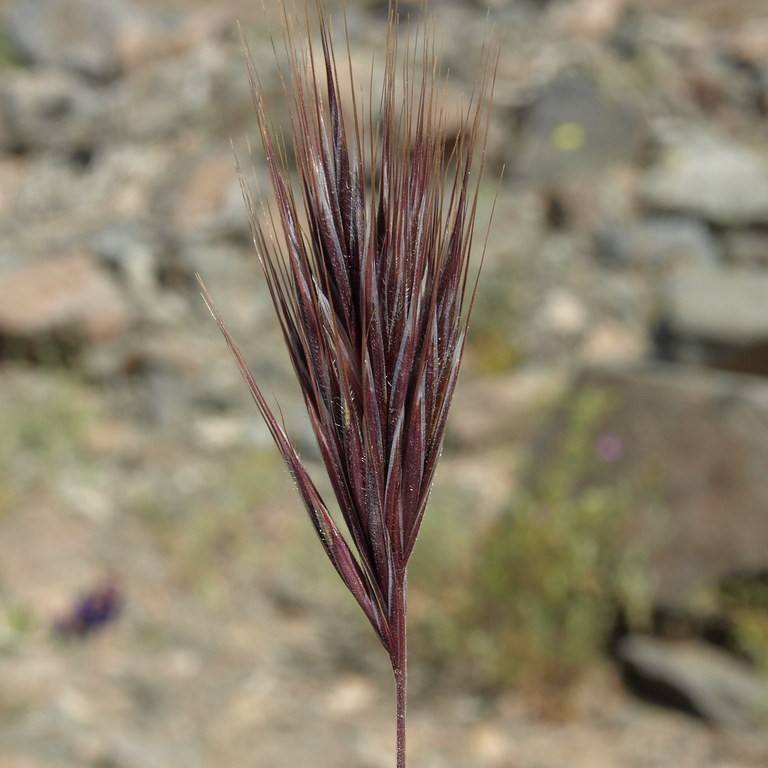
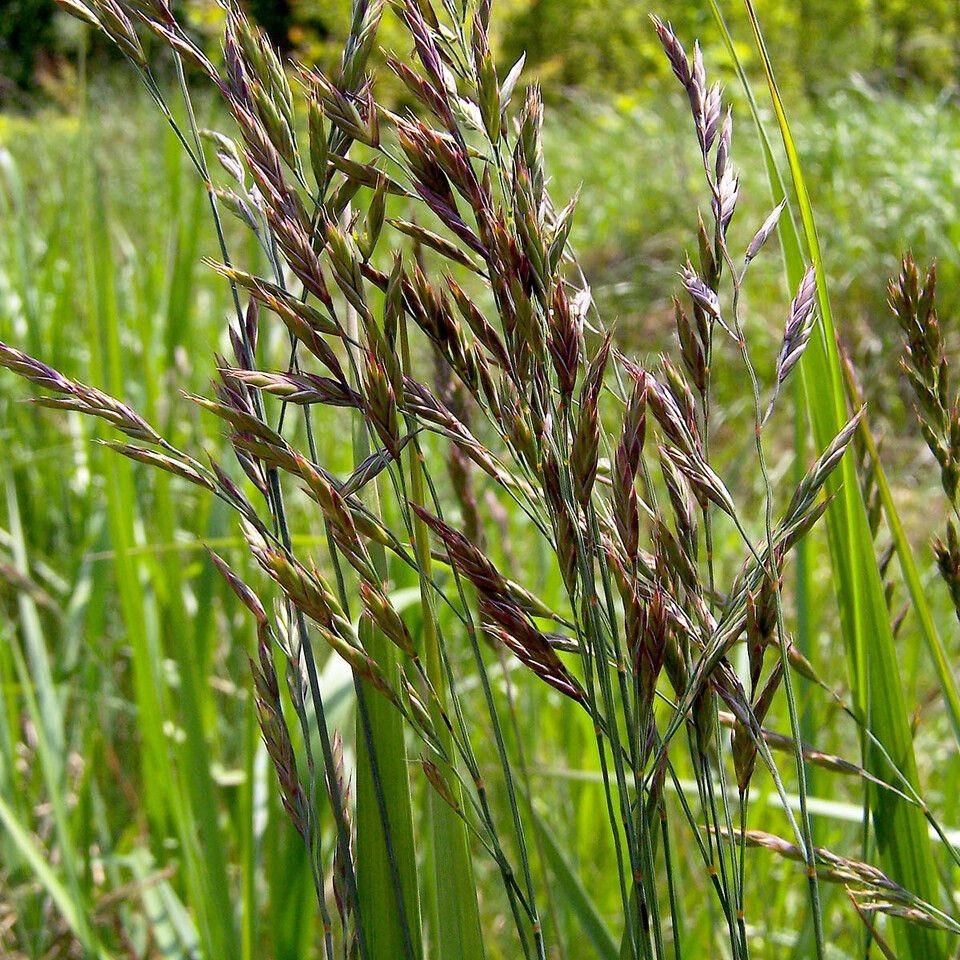
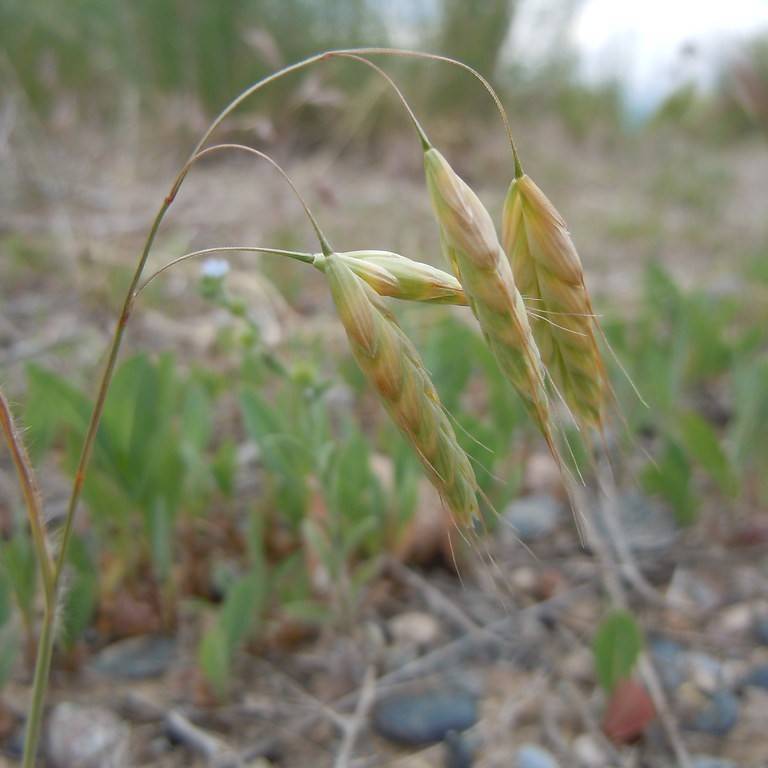
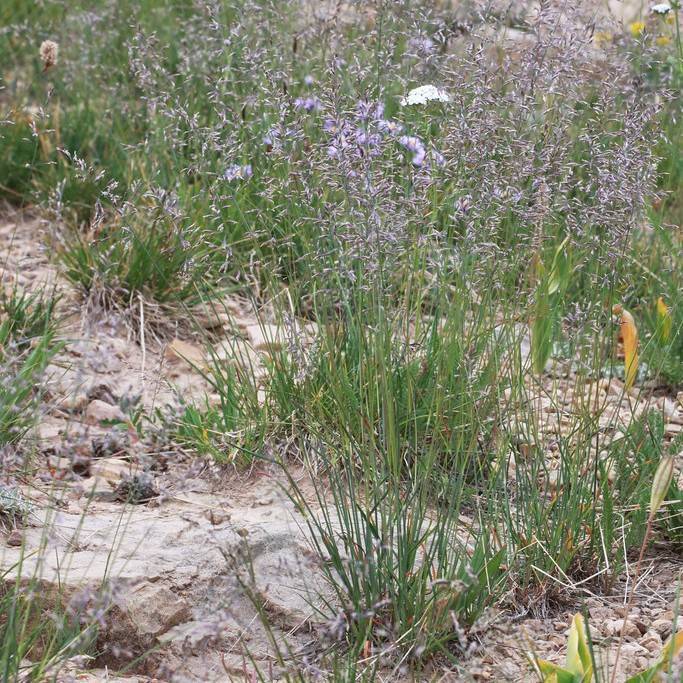
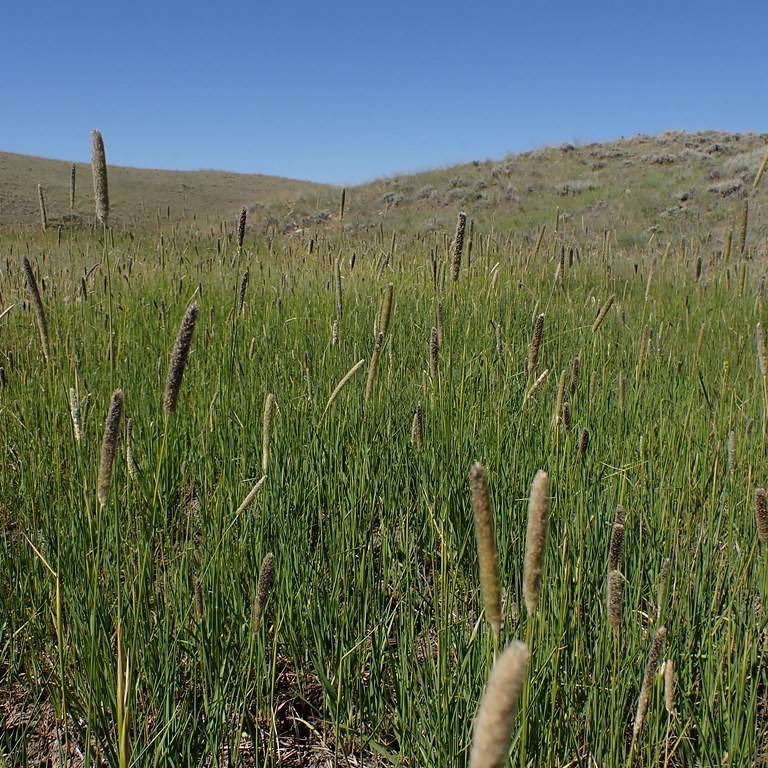
Japanese Brome is a tufted cool-season grass that emerges in early spring or fall, producing slender, arching green foliage and delicate, nodding panicles of spikelets in late spring to early summer. It is highly adaptable, thriving in disturbed soils, grasslands, roadsides, and agricultural fields across most temperate regions of North America, Europe, and beyond, where it has naturalized extensively. While it is sometimes planted as a temporary forage crop for livestock, it is also classified as an invasive weed in some areas, where it can outcompete native grasses and reduce crop yields in grain fields.
Care Guide
Watering
Japanese Brome is drought-tolerant once established, requiring only occasional supplemental water during extended dry periods; overwatering can lead to root rot and weak, floppy growth. In cultivated settings, water deeply only when the top 2-3 inches of soil are dry, avoiding frequent shallow watering that promotes shallow root systems. Seedlings require consistent, light moisture to germinate and establish, but can tolerate drier conditions once they develop a robust root network.
Light
This grass grows best in full sun, receiving a minimum of 6 hours of direct sunlight daily to produce dense, healthy foliage and abundant seed heads. It can tolerate partial shade, but growth will be sparser, and flowering may be reduced in low-light conditions. In hot summer climates, it may go dormant earlier if exposed to intense, prolonged midday sun without occasional moisture.
Soil
Japanese Brome is highly adaptable to a wide range of soil types, including sandy, loamy, clay, and even poor, disturbed soils with low nutrient content. It prefers well-drained soils with a neutral to slightly alkaline pH between 6.0 and 7.5, but can tolerate moderately acidic or alkaline conditions as well. It does not thrive in waterlogged soils, so good drainage is essential to prevent root damage from standing moisture.
Fertilizer
This grass requires minimal fertilization, as it grows well even in low-nutrient soils; excessive nitrogen can lead to overly lush, weak growth that is prone to lodging. If grown as forage, a light application of balanced 10-10-10 fertilizer at the start of the growing season can boost biomass production without sacrificing hardiness. Avoid fertilizing in late summer or fall, as this can encourage new growth that will be killed by frost, wasting the plant’s energy reserves.
Temperature
Japanese Brome is a cool-season grass, growing most actively when temperatures are between 50 and 75°F (10 and 24°C), and tolerating light frosts in early spring and late fall. It will go dormant and die back once summer temperatures consistently exceed 85°F (29°C), dropping its seeds to germinate in the following cool season. It is hardy to USDA zone 3, surviving winter temperatures as low as -40°F (-40°C) as dormant seed, with no active cold tolerance for mature plants.
Pruning
Pruning is generally unnecessary for Japanese Brome, though mowing or cutting back before seed heads mature can prevent unwanted self-seeding and spread in areas where it is considered invasive. If grown as forage, it can be cut once per growing season just as seed heads begin to form, when nutritional content is highest. Dead or damaged foliage can be trimmed back in late fall after the plant has gone dormant to keep planting areas tidy.
Propagation
Japanese Brome propagates readily from seed, which can be sown directly onto prepared soil in early spring or late fall, with no stratification required for germination. Seeds will germinate within 7-14 days when soil temperatures are between 45 and 65°F (7 and 18°C), and plants will self-seed prolifically if seed heads are allowed to mature and drop. It does not propagate vegetatively from cuttings or root divisions, as it is a fibrous-rooted annual grass.
Humidity
Japanese Brome tolerates a wide range of humidity levels, growing equally well in dry, semi-arid regions and moderately humid temperate climates. It does not require high humidity, and excessive high humidity combined with warm temperatures can increase the risk of foliar fungal diseases. Good air circulation around plants helps prevent moisture-related issues in more humid growing zones.
Repotting
Repotting is not applicable for Japanese Brome, as it is an annual grass typically grown directly in outdoor landscapes or agricultural fields, not in containers. If grown in a container for research or ornamental purposes, it will only need a single planting in a well-drained pot at the start of its growing season, with no repotting required during its short lifespan. Discard the plant and replace with new seed the following growing season if container cultivation is continued.
Uses & Symbolism
Japanese Brome is occasionally planted as a temporary cool-season forage crop for cattle, sheep, and other grazing livestock, as it produces palatable, moderately nutritious foliage early in the growing season when warm-season grasses are still dormant. It is sometimes used for erosion control on disturbed sites such as road cuts and construction areas, as its quick germination and fibrous root system help hold soil in place. In some regions, it is harvested for hay, though it has lower nutritional value than many other forage grasses once seed heads mature.
Diseases & Pests
Japanese Brome is relatively resistant to most common grass diseases, though it can be susceptible to foliar fungal infections such as rust, powdery mildew, and leaf spot in warm, humid conditions with poor air circulation. Common pests include aphids, grasshoppers, and spider mites, which may feed on foliage, though severe infestations are rare and rarely cause significant damage to established stands. It can also act as a host for wheat streak mosaic virus and other cereal crop pathogens, making it a problematic weed in wheat and barley fields where it can spread disease to commercial grain crops.
Related plants
Other plants you might like if you grow Japanese Brome.