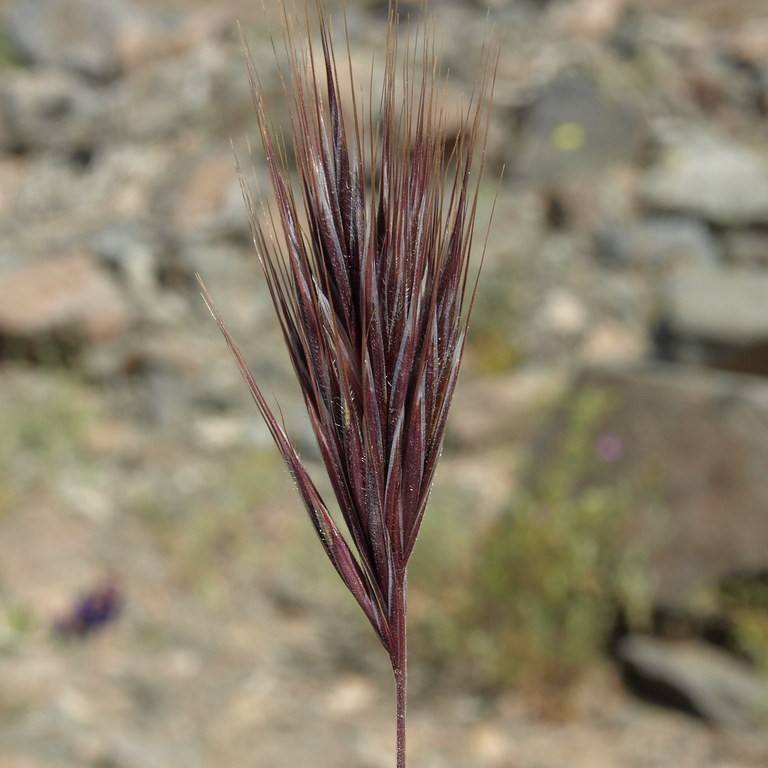
Foxtail Brome
Bromus setaceus
Overview
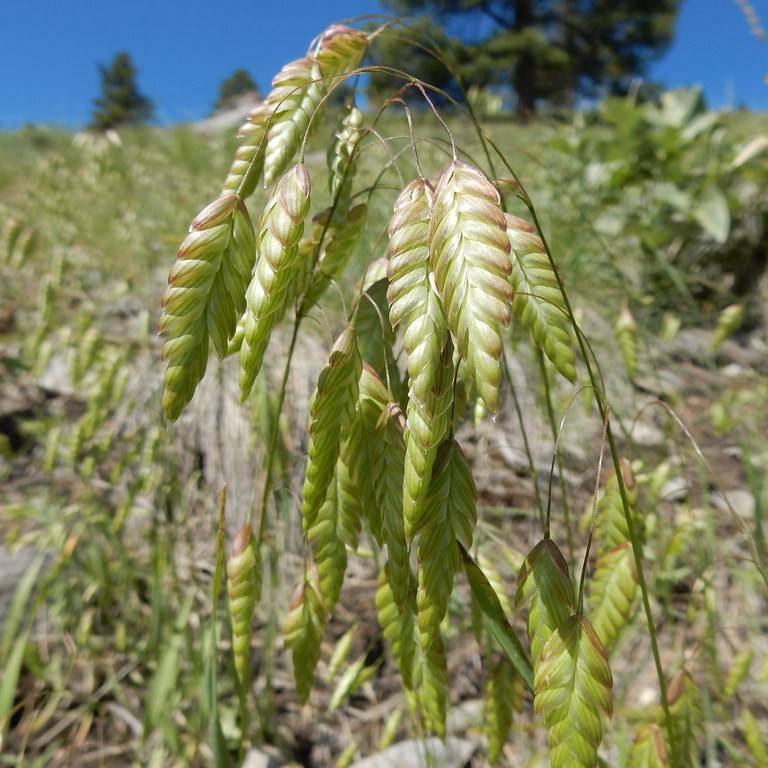
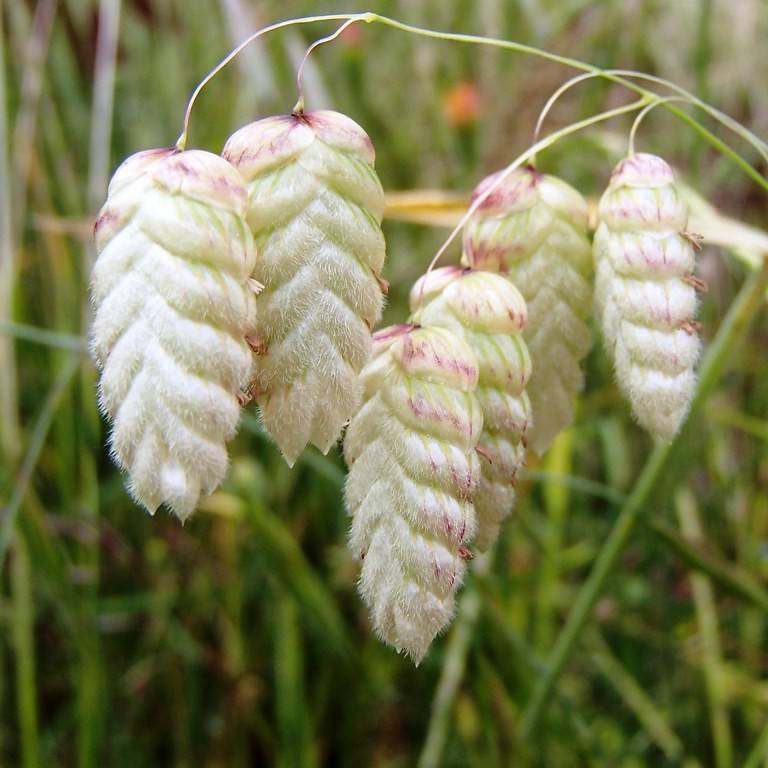
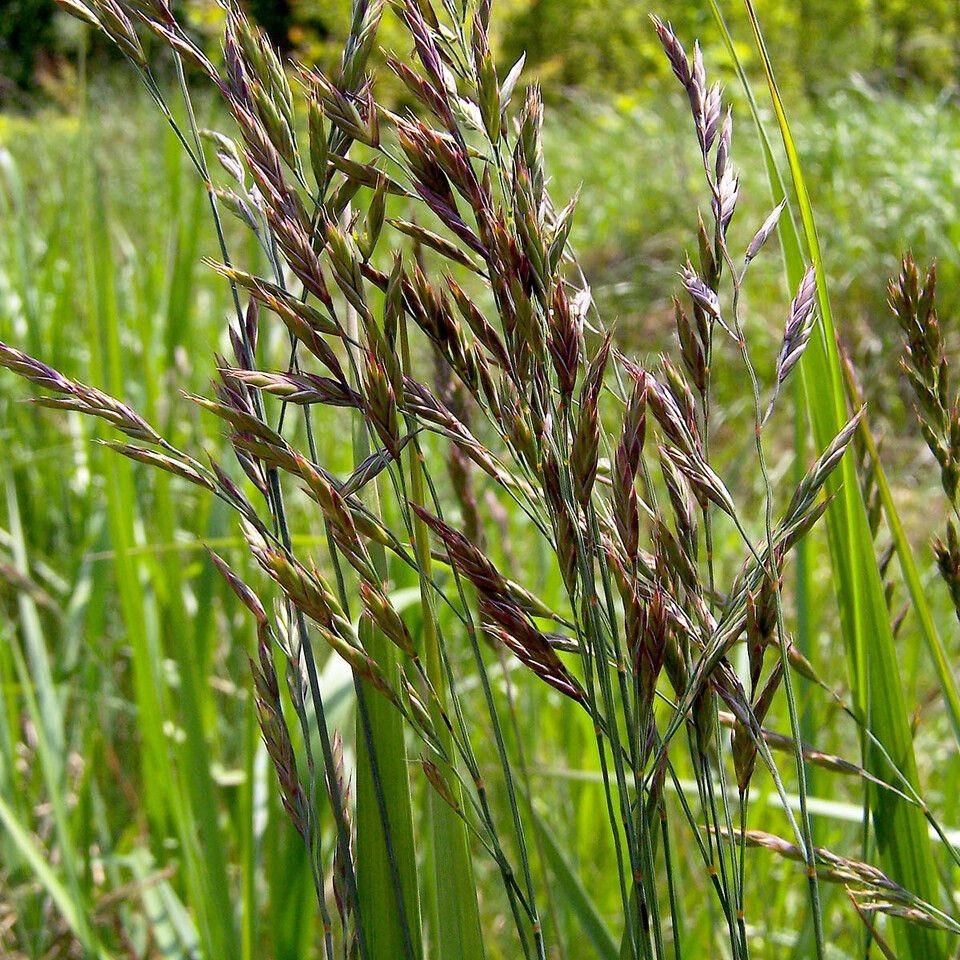
Foxtail Brome, also called bristly brome, is a clumping annual grass distinguished by its soft, dense, cylindrical seed heads that resemble fox tails, covered in fine, bristly awns. It germinates in cool autumn or early spring conditions, grows rapidly through cool months, and produces seed heads by late spring to early summer before dying back as temperatures rise. While sometimes considered a weed in agricultural settings, it provides forage for grazing animals in its early growth stages and supports local pollinator and insect populations in wild habitats.
Care Guide
Watering
Foxtail Brome is drought-tolerant once established, requiring only occasional supplemental watering during extended dry periods; it thrives in moderately moist soil but will not tolerate prolonged waterlogged conditions. Overwatering can lead to root rot and weak, floppy growth, so allow the top 2-3 inches of soil to dry out completely between waterings. Seedlings require consistent light moisture to germinate and establish, but reduce watering frequency once plants are 4-6 inches tall.
Light
This grass prefers full sun exposure, needing a minimum of 6 hours of direct sunlight daily to produce dense, healthy foliage and abundant seed heads. It can tolerate partial shade, but plants grown in low light will be spindly, produce fewer seed heads, and have a weaker, more sprawling growth habit. For indoor cultivation, place it near a south-facing window or provide supplemental grow lights to meet its light requirements.
Soil
Foxtail Brome adapts to a wide range of soil types, including sandy, loamy, and even poor, rocky soils, as long as the substrate has excellent drainage. It prefers a neutral to slightly alkaline pH between 6.0 and 8.0, and will struggle in highly acidic, compacted soils that retain excess moisture. Amending heavy clay soils with sand or organic matter before planting will improve drainage and support healthier root development.
Fertilizer
This low-maintenance grass rarely requires fertilization, as it grows well in low-nutrient soils; excessive fertilization will lead to overly lush, weak foliage that is prone to lodging. If grown in extremely poor soil, apply a balanced, slow-release 10-10-10 fertilizer once at the start of the growing season at half the recommended rate to avoid overfeeding. Avoid high-nitrogen fertilizers, as they will promote leaf growth at the expense of seed head production.
Temperature
Foxtail Brome is a cool-season grass that thrives in temperatures between 50°F and 75°F (10°C and 24°C), and can tolerate light frosts down to 25°F (-4°C) without damage. It will go dormant and die back once temperatures consistently exceed 85°F (29°C) in late summer, as it is not adapted to prolonged hot, humid conditions. Seeds germinate best when soil temperatures are between 40°F and 60°F (4°C and 15°C) in early spring or autumn.
Pruning
Pruning is generally unnecessary for Foxtail Brome, though you can cut back foliage by one-third in mid-spring if plants become overly leggy to encourage denser growth. If you wish to prevent self-seeding and reduce its spread as a weed, snip off seed heads before they mature and release their seeds in early summer. Once plants die back at the end of the growing season, you can pull or cut down the dead foliage to clear the area for new plantings.
Propagation
Foxtail Brome propagates easily from seed, which can be sown directly onto the soil surface in early spring or late autumn; light is required for germination, so do not cover the seeds with soil. Seeds will germinate within 7-14 days under cool, moist conditions, and plants will self-seed readily in suitable growing areas if seed heads are left to mature. You can collect mature seed heads in late summer, dry them for 1-2 weeks in a cool, dark location, and store the seeds in an airtight container for sowing the following season.
Humidity
This grass tolerates a wide range of humidity levels, growing well in both dry Mediterranean climates and moderately humid temperate regions, with an ideal range between 30% and 60% relative humidity. High humidity above 70% for extended periods can increase the risk of fungal leaf spot and powdery mildew, so ensure plants have good air circulation if grown in humid environments. It is highly tolerant of low humidity and dry air, making it suitable for arid and semi-arid growing conditions.
Repotting
As an annual grass, Foxtail Brome rarely requires repotting if grown in a container; select a pot with drainage holes that is at least 6 inches deep to accommodate its root system for its full growing season. If you start seeds in small starter pots, transplant seedlings to their final container once they have 2-3 true leaves, taking care not to disturb the delicate root system. No repotting is needed after this point, as the plant will complete its life cycle within a single growing season.
Uses & Symbolism
In wild habitats, Foxtail Brome provides early-season forage for livestock and wild grazing animals, and its seed heads are a food source for small birds and granivorous insects. It is sometimes used in native wildflower meadow and habitat restoration plantings to stabilize disturbed soil and support local ecosystem biodiversity. Dried Foxtail Brome seed heads are also popular in dried floral arrangements and crafts for their unique, fluffy texture and natural, rustic appearance.
Diseases & Pests
Foxtail Brome is relatively pest and disease resistant, though it can be susceptible to fungal diseases including powdery mildew, leaf spot, and rust in overly wet, humid conditions with poor air circulation. Common grass pests such as aphids and spider mites may feed on foliage, especially on plants grown in dry, stressed conditions, but infestations are rarely severe and can be treated with insecticidal soap or neem oil. In agricultural settings, it is sometimes considered a weed pest in grain and vegetable crops, as it competes for nutrients and can contaminate crop seed harvests.
Related plants
Other plants you might like if you grow Foxtail Brome.