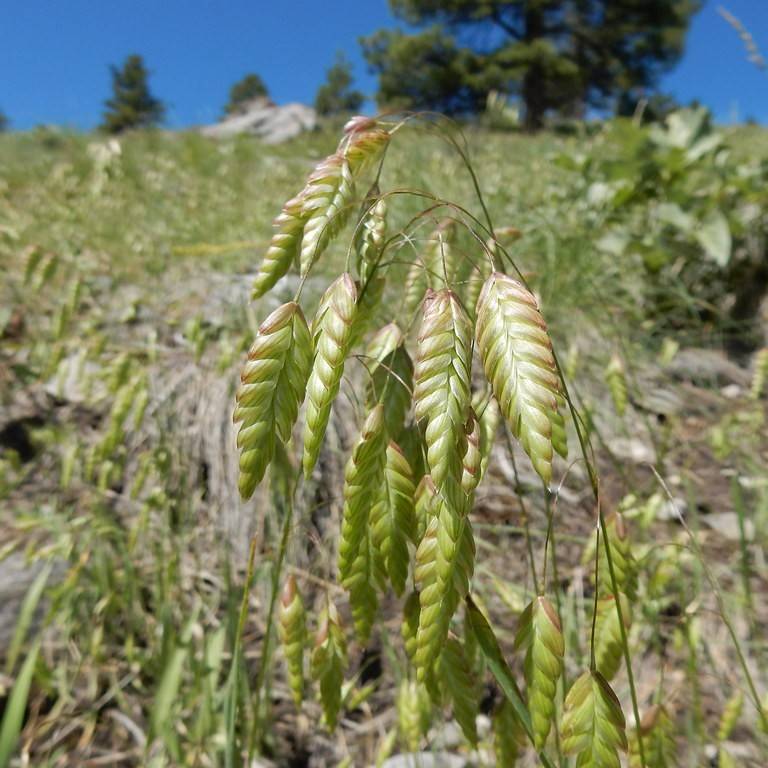
Cheatgrass
Bromus tectorum
Overview
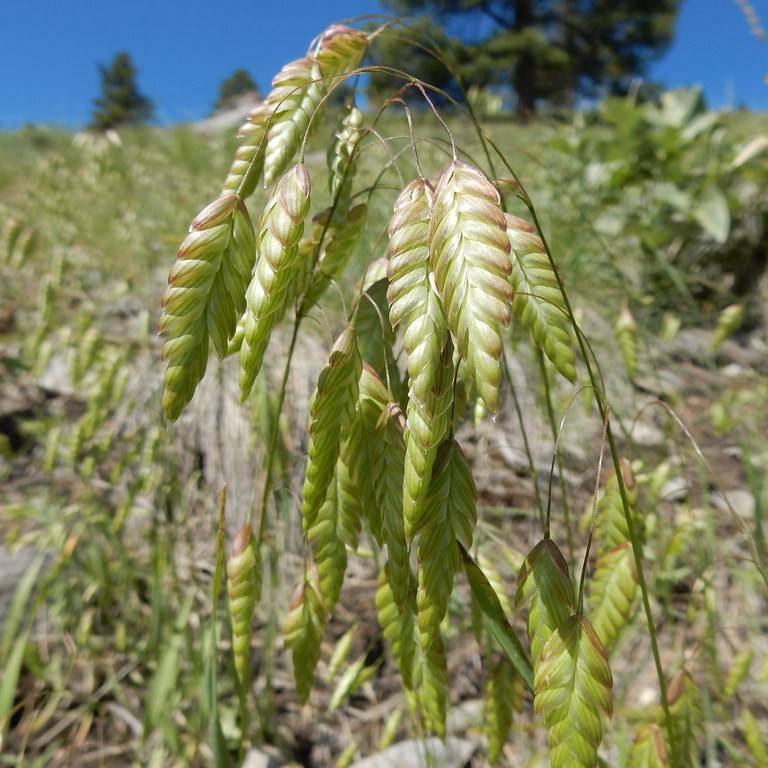
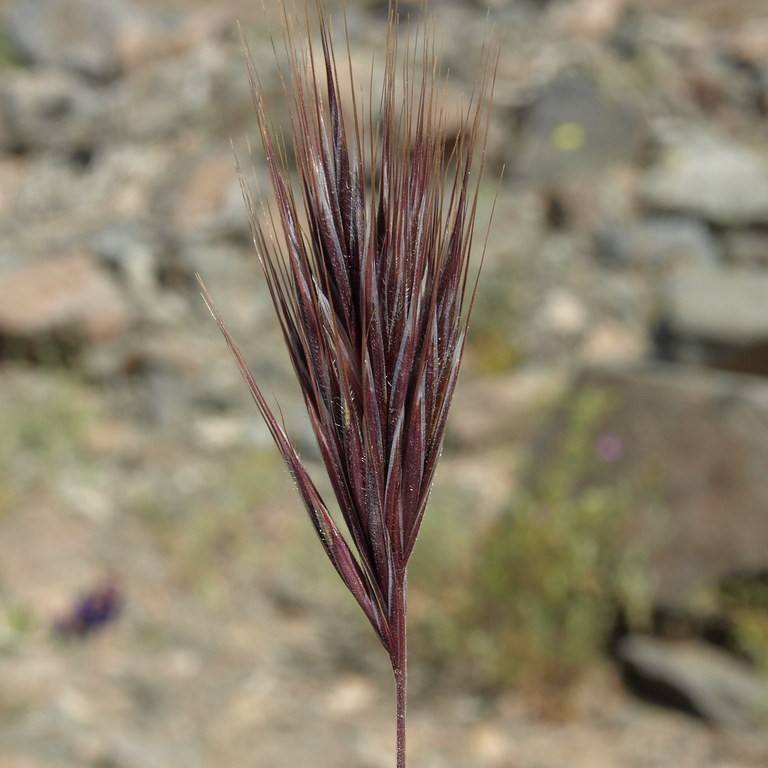
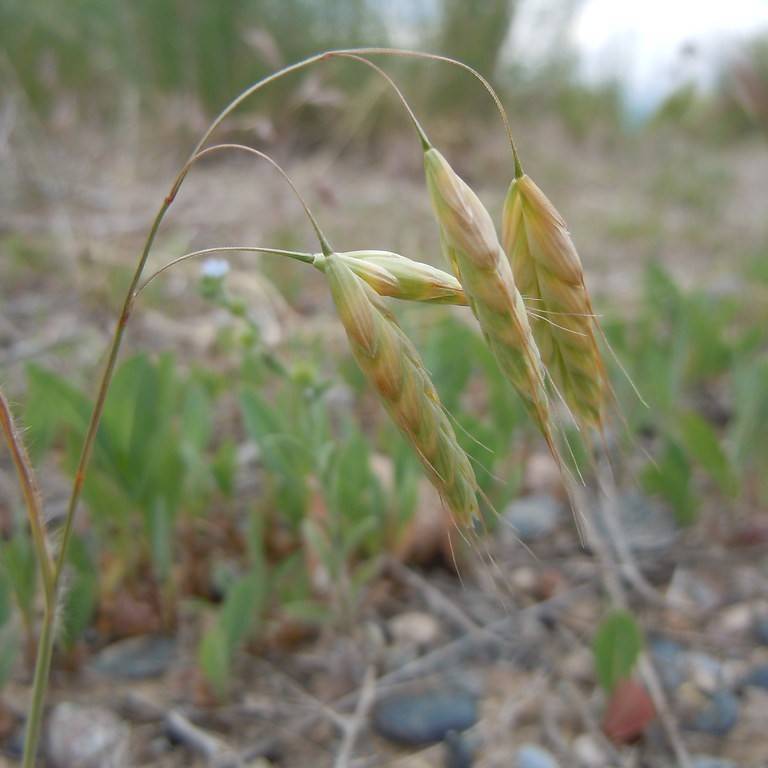
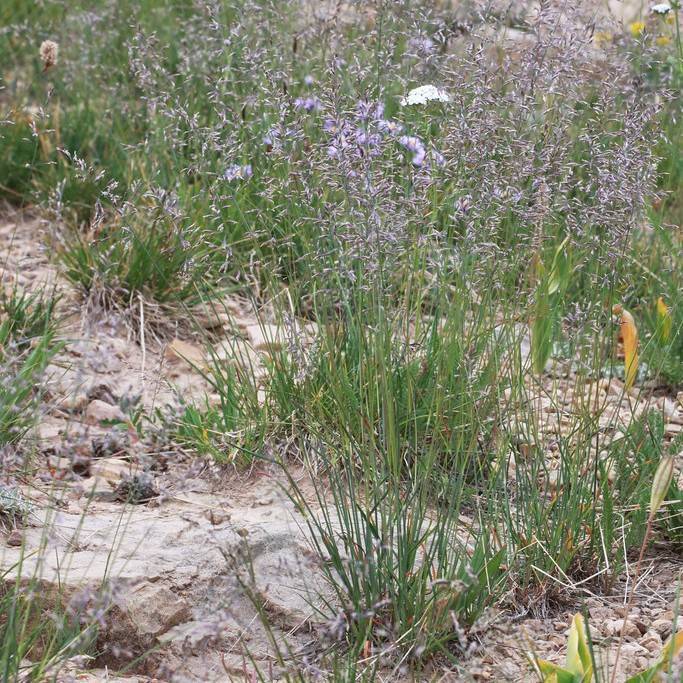
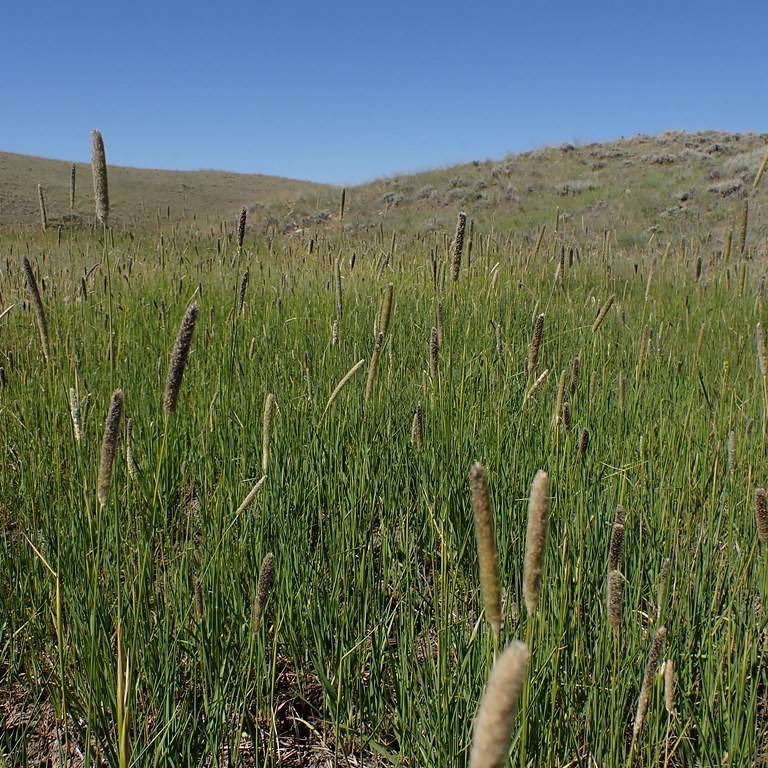
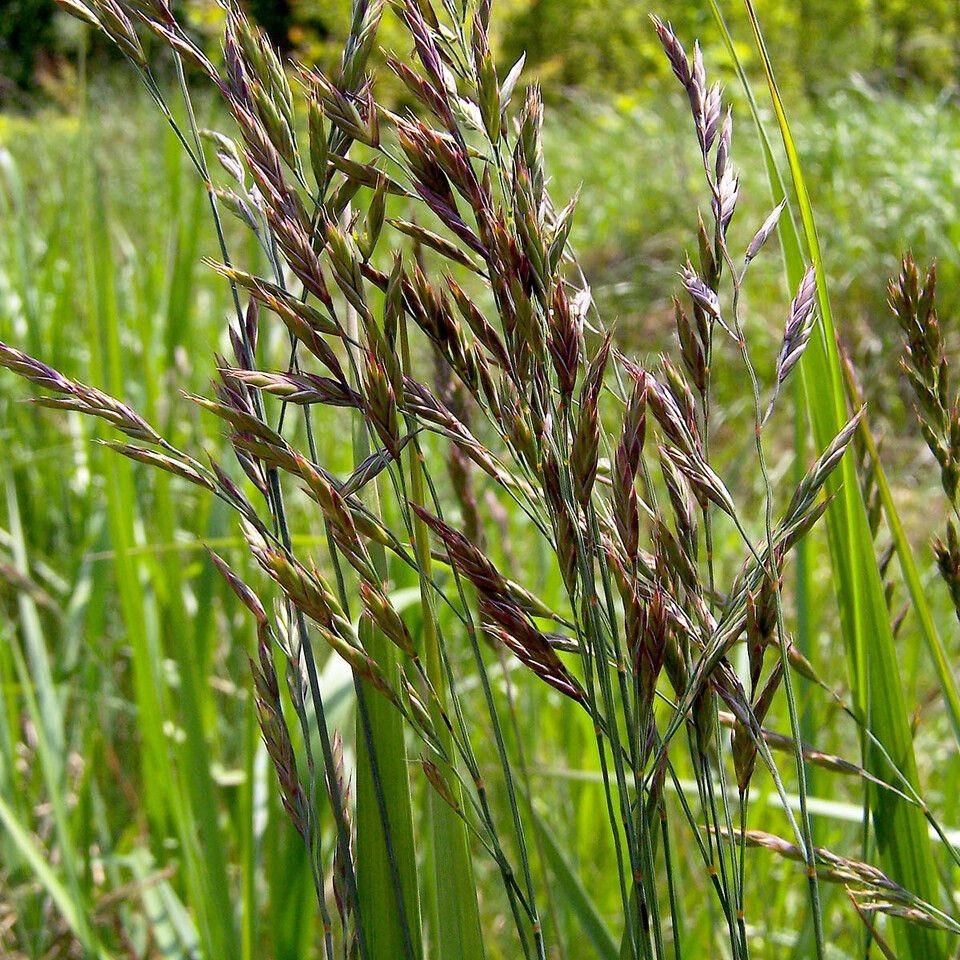
Cheatgrass, also called downy brome, was accidentally introduced to North America in the 1800s via contaminated crop seed, and has since become one of the most widespread invasive plants in the western United States. It germinates earlier than most native grasses, outcompeting them for water, nutrients, and sunlight, and completes its life cycle before the hot, dry summer months. Dead cheatgrass biomass forms dense, flammable mats that drastically shorten wildfire return intervals from 60–100 years to just 3–5 years in affected regions.
Care Guide
Watering
Cheatgrass is highly drought-tolerant, requiring only minimal seasonal moisture to germinate and mature; it thrives in areas with 10–20 inches (25–50 cm) of annual precipitation, relying on early spring rain or snowmelt to establish. It dies back completely once soil moisture is depleted in early summer, leaving dry, persistent thatch that remains intact through the warm season. Overwatering does not significantly boost its growth, as it is adapted to arid and semi-arid conditions, and excess moisture may even promote fungal rot in dense stands.
Light
Cheatgrass prefers full, direct sunlight for maximum growth and seed production, though it can tolerate light partial shade for short periods. It rarely establishes in heavily shaded areas such as closed-canopy forests, as low light limits its germination and stunts its growth, reducing its ability to outcompete shade-tolerant native vegetation. Open, disturbed sites with unobstructed sun exposure, such as rangelands, roadsides, and post-fire landscapes, are ideal for its colonization.
Soil
This invasive grass adapts to nearly all well-drained soil types, including sandy, loamy, clay, and even nutrient-poor, rocky soils, with a preference for neutral to slightly alkaline pH levels. It does not tolerate waterlogged or permanently saturated soils, as prolonged moisture rots its shallow root system and prevents successful seed germination. Disturbed soils with minimal existing vegetation cover are particularly vulnerable to cheatgrass invasion, as its seeds can easily take root without competition from established native plants.
Fertilizer
Cheatgrass responds positively to elevated soil nitrogen levels, often outcompeting native grasses more aggressively in areas with increased nutrient availability, such as fertilized agricultural fields or sites with livestock waste deposition. It does not require supplementary fertilization to thrive, as it can extract sufficient nutrients from even poor-quality soils to complete its life cycle and produce abundant seed. Reducing soil nitrogen through targeted amendments, such as adding carbon-rich mulch, can help suppress cheatgrass growth while supporting less nitrogen-demanding native plants.
Temperature
Cheatgrass is a cool-season grass that germinates best at soil temperatures between 40–60°F (4–15°C), typically emerging in late fall or early spring when temperatures are cool and moisture is abundant. It can tolerate light frosts during its early growth stages, and completes its flowering and seed production by late spring or early summer, before temperatures consistently exceed 80°F (27°C). Mature seeds are highly heat-tolerant, remaining viable in the soil for 2–5 years even after exposure to moderate wildfire temperatures.
Pruning
Pruning is not relevant for wild cheatgrass stands, but targeted removal by mowing or hand-pulling before seed set in late spring can help reduce spread in small, infested areas. Mowing must be timed just after the plant flowers but before seeds mature, as cutting later will disperse viable seeds and worsen infestations. Prescribed burning in late spring, before native grasses green up, can reduce existing cheatgrass biomass, but it may also stimulate germination of stored seed banks if not followed by native plant reseeding.
Propagation
Cheatgrass propagates exclusively via seed, with each mature plant producing between 50–500 seeds that are easily dispersed by wind, wildlife, livestock, vehicles, and human activity. Seeds germinate rapidly when exposed to cool temperatures and moisture, with most germinating in the first fall or spring after dispersal, though a small portion remains dormant in the soil for several years. It does not spread via vegetative runners or rhizomes, so control efforts focused on preventing seed production can effectively reduce populations over time.
Humidity
Cheatgrass is adapted to low-humidity arid and semi-arid environments, thriving in regions with average relative humidity levels between 20–50% during its active growth period. High humidity for extended periods can increase its susceptibility to foliar fungal diseases, which may reduce seed production in dense stands, but this rarely eliminates established infestations. It does not require supplemental humidity, and is highly tolerant of the dry air common in western North American rangelands during the summer months.
Repotting
Repotting is not applicable to cheatgrass, as it is almost exclusively considered an invasive weed in wild and agricultural settings, and is not cultivated intentionally in containers. If grown for research purposes, it can be sown directly in standard potting mix in well-drained containers, and will complete its full life cycle in a single growing season without requiring repotting. Plants grown for study should be contained carefully to prevent seed escape into natural areas, as even a small number of seeds can establish a new invasive population.
Uses & Symbolism
Cheatgrass has very limited beneficial uses; it can provide early spring forage for livestock and wildlife such as elk and deer if grazed before it develops sharp, mature seed heads that can cause injury to grazing animals. It is occasionally used in erosion control on highly disturbed sites where no native vegetation can establish, though this practice is highly discouraged due to its invasive nature and negative ecosystem impacts. Some research studies use cheatgrass as a model organism to study invasive plant ecology and wildfire dynamics in arid western North American ecosystems.
Diseases & Pests
Cheatgrass is relatively resistant to most common grass diseases, but it can be affected by fungal pathogens such as head smut and rust, which may reduce seed production in dense stands under high humidity conditions. Common insect pests include grasshoppers and aphids, which feed on its foliage, though they rarely cause significant population declines in established infestations. The most impactful biological control agents currently under study include host-specific fungal pathogens and seed-feeding weevils that target cheatgrass without harming native grass species.
Related plants
Other plants you might like if you grow Cheatgrass.