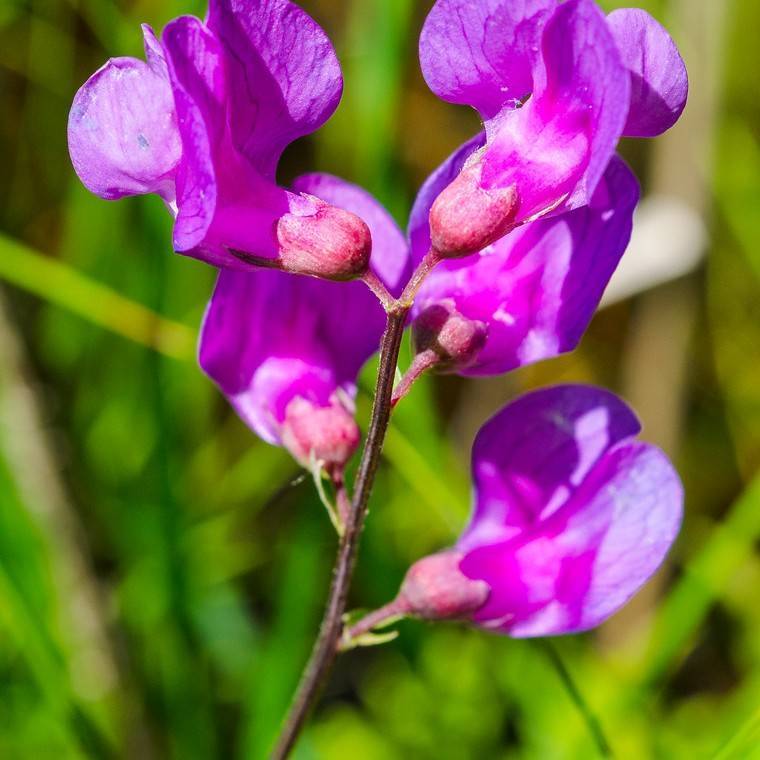
Common Vetch
Vicia sativa
Overview
Common vetch is a trailing or climbing annual legume with slender, vining stems and pinnate compound leaves tipped with tendrils that help it cling to surrounding vegetation or supports. It produces clusters of small, pea-like purple, pink, or occasionally white flowers followed by narrow, elongated seed pods that split open when mature to release small, round seeds. Adaptable to a wide range of climates and soil conditions, it has naturalized across temperate regions worldwide, where it is valued for its nitrogen-fixing capabilities and ability to suppress weeds.
Care Guide
Watering
Common vetch has moderate water needs, thriving in consistently moist but well-drained soil, and can tolerate short periods of drought once established. Avoid overwatering, as soggy soil can lead to root rot and fungal disease, especially in cool, shaded conditions. It does not require supplemental watering in regions with regular spring and summer rainfall.
Light
This plant grows best in full sun, receiving at least 6 hours of direct sunlight per day, which encourages vigorous growth, abundant flowering, and maximum nitrogen fixation. It can tolerate partial shade, but growth will be slower, and it may produce fewer flowers and seeds. In very hot climates, light afternoon shade can help prevent heat stress during the warmest summer months.
Soil
Common vetch adapts to a wide range of soil types, including sandy, loamy, and clay soils, as long as they are well-drained. It prefers a neutral to slightly alkaline soil pH between 6.0 and 7.5, but can tolerate mildly acidic conditions down to pH 5.5. As a nitrogen-fixing legume, it does not require high-fertility soil, and will even improve soil nutrient content for subsequent crops.
Fertilizer
Common vetch rarely requires fertilizer, as it forms symbiotic relationships with rhizobium bacteria in the soil to fix atmospheric nitrogen for its own use. If planted in extremely poor, nutrient-depleted soil, a light application of phosphorus-rich fertilizer at planting can support root development and improve growth. Avoid nitrogen-heavy fertilizers, as they will reduce the plant's natural nitrogen-fixing capabilities and encourage excessive foliage growth at the expense of flowers and seeds.
Temperature
Common vetch is a cool-season annual, growing best in temperatures between 50°F and 75°F (10°C to 24°C). It can tolerate light frost down to 20°F (-7°C), making it suitable for early spring planting in most temperate regions. High temperatures above 85°F (29°C) will cause the plant to bolt, set seed, and die back quickly.
Pruning
Pruning is generally unnecessary for common vetch grown as a cover crop or forage, as it is typically tilled under or cut all at once when it reaches peak biomass before seed set. If grown in a garden setting, occasional trimming of overgrown stems can keep the plant contained and prevent it from spreading into unwanted areas. Remove any diseased or damaged foliage promptly to reduce the risk of fungal infections spreading to healthy plants.
Propagation
Common vetch is easily propagated from seed, which can be sown directly outdoors in early spring or late fall, depending on the climate. Fall sowing in mild-winter regions allows the plant to establish over winter and produce earlier growth in spring, while spring sowing is ideal for areas with harsh, cold winters. Seeds do not require stratification, but scarifying the seed coat or soaking seeds in water for 12 to 24 hours before planting can improve germination rates.
Humidity
Common vetch tolerates a wide range of humidity levels, growing well in both moderately dry and moderately humid conditions. High humidity combined with poor air circulation can increase the risk of fungal diseases such as powdery mildew and rust, so ensure plants are spaced adequately to allow airflow around stems and foliage. It does not require supplemental humidity, even in dry indoor growing environments.
Repotting
Repotting is rarely required for common vetch, as it is almost exclusively grown directly in outdoor garden beds or fields as an annual cover crop or forage plant. If grown in containers, it can be left in its original pot for its entire lifespan, as it will complete its life cycle within a single growing season. Ensure containers have adequate drainage holes to prevent waterlogged soil, which can damage the plant's shallow root system.
Uses & Symbolism
Common vetch is most widely used as a cover crop and green manure, as its nitrogen-fixing capabilities improve soil fertility, its dense root system prevents erosion, and its thick foliage suppresses weed growth. It is also grown as high-quality forage for livestock, providing protein-rich feed for cattle, sheep, and goats when harvested before seed development. In home gardens, it is sometimes used as a companion plant for vegetable crops, and its flowers attract pollinators such as bees and butterflies to the landscape.
Diseases & Pests
Common vetch is relatively pest and disease resistant, but can be affected by fungal diseases such as powdery mildew, rust, and root rot, especially in wet, poorly drained soil or areas with high humidity and poor air circulation. Common pests include aphids, weevils, and nematodes, which can damage foliage, stems, and roots, leading to stunted growth and reduced seed production. Rotating planting locations and ensuring adequate spacing between plants can help prevent most pest and disease issues, while severe infestations can be treated with appropriate organic or chemical controls.
Related plants
Other plants you might like if you grow Common Vetch.
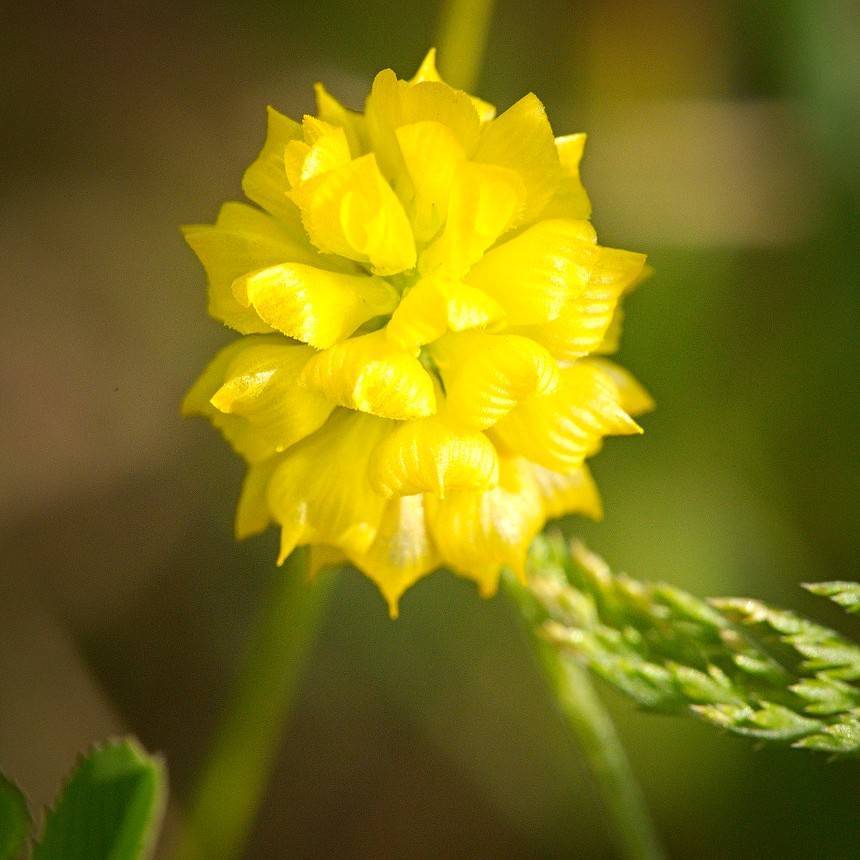
Black Medic
Medicago lupulina
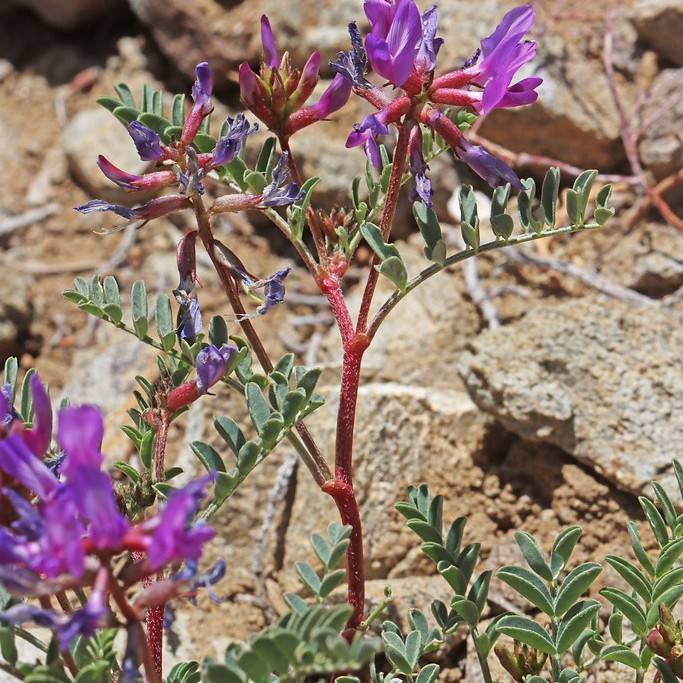
Freckled Milk Vetch
Astragalus lentiginosus
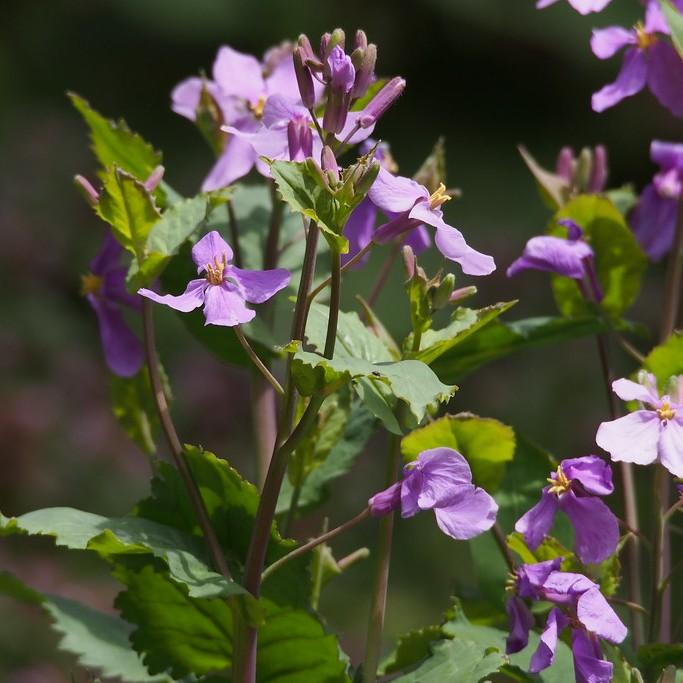
Chinese Violet Cress
Orychophragmus violaceus
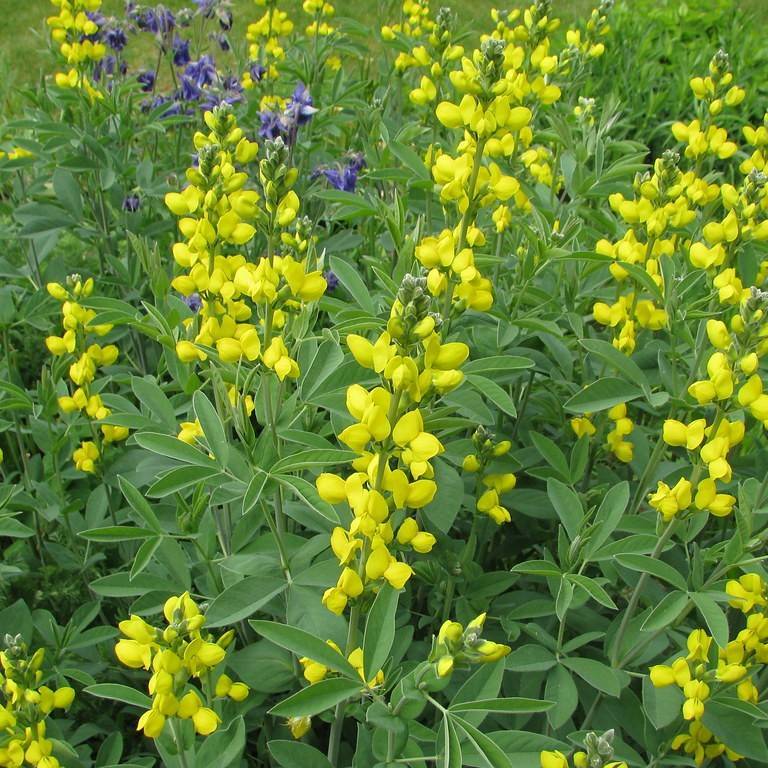
Carolina Lupine
Thermopsis villosa
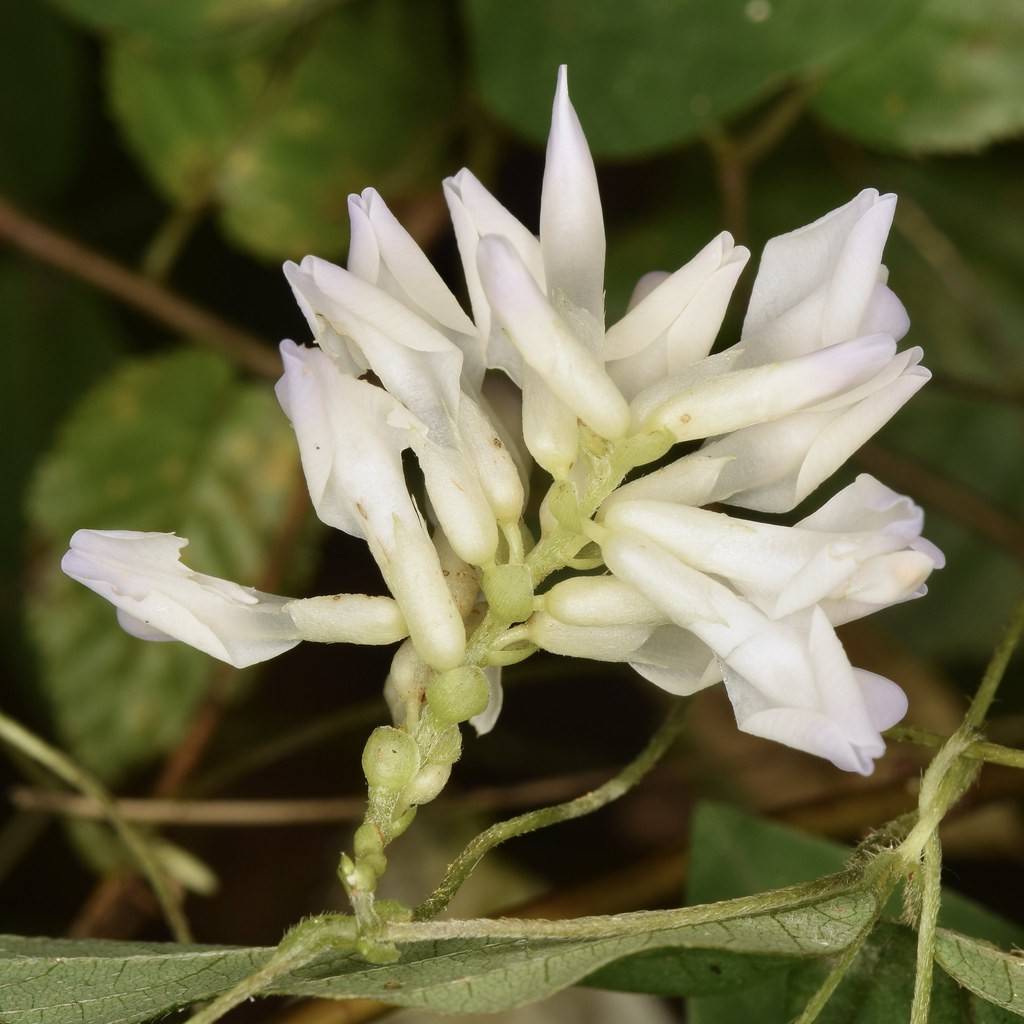
American Hog Peanut
Amphicarpaea bracteata
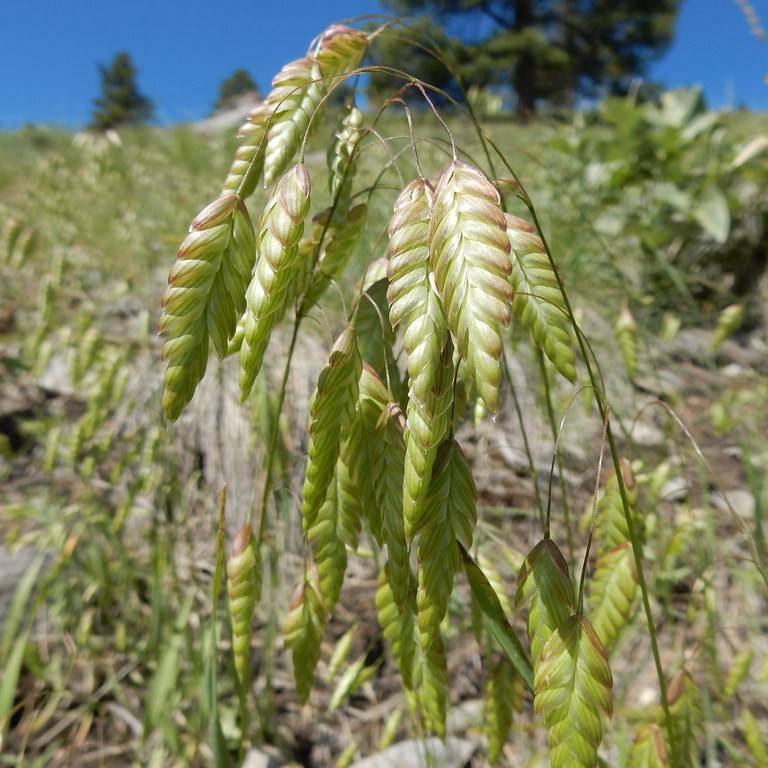
Japanese Brome
Bromus japonicus
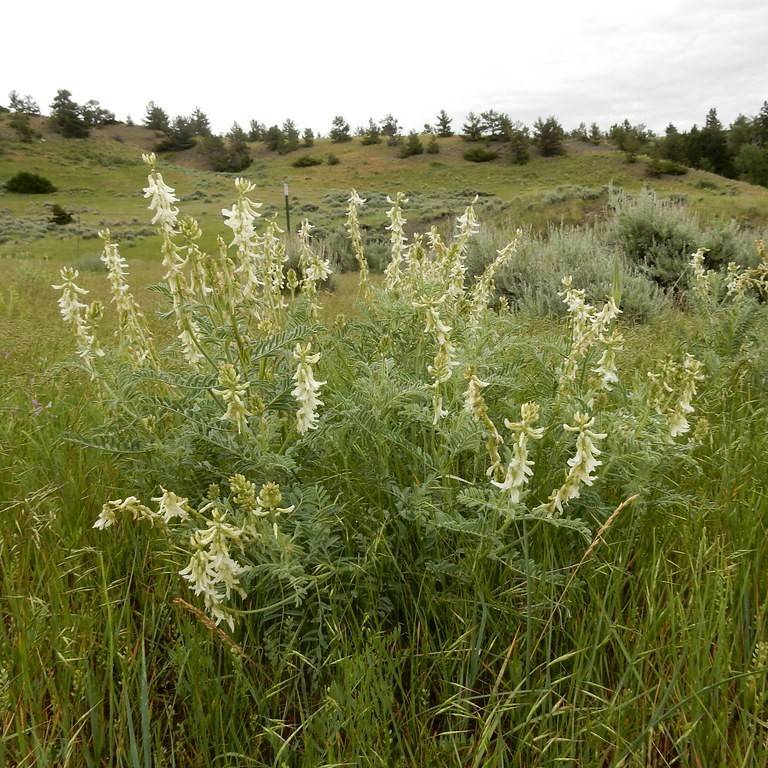
Drummond's Milk Vetch
Astragalus drummondii
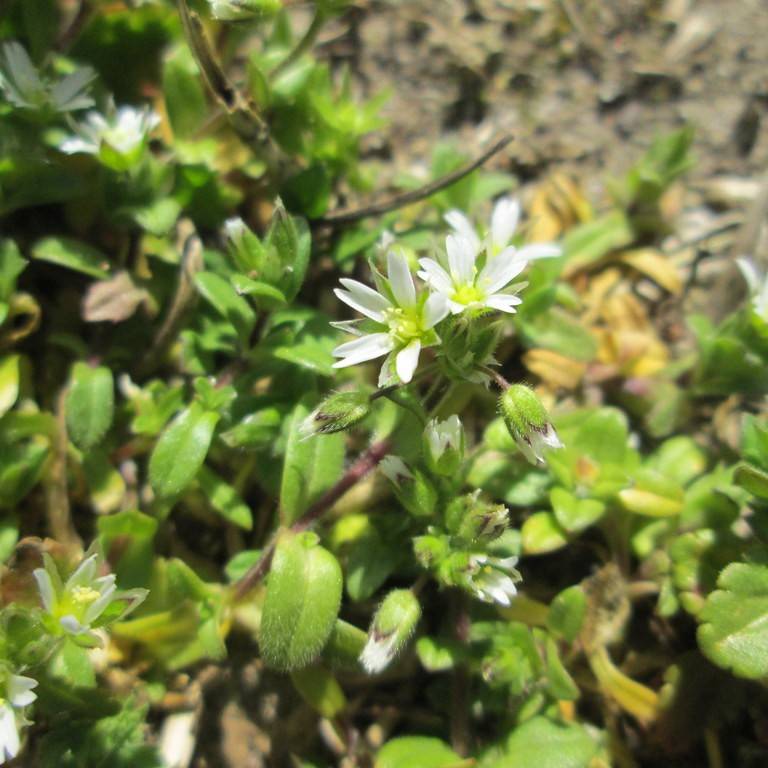
Five Stamen Chickweed
Stellaria pentandra