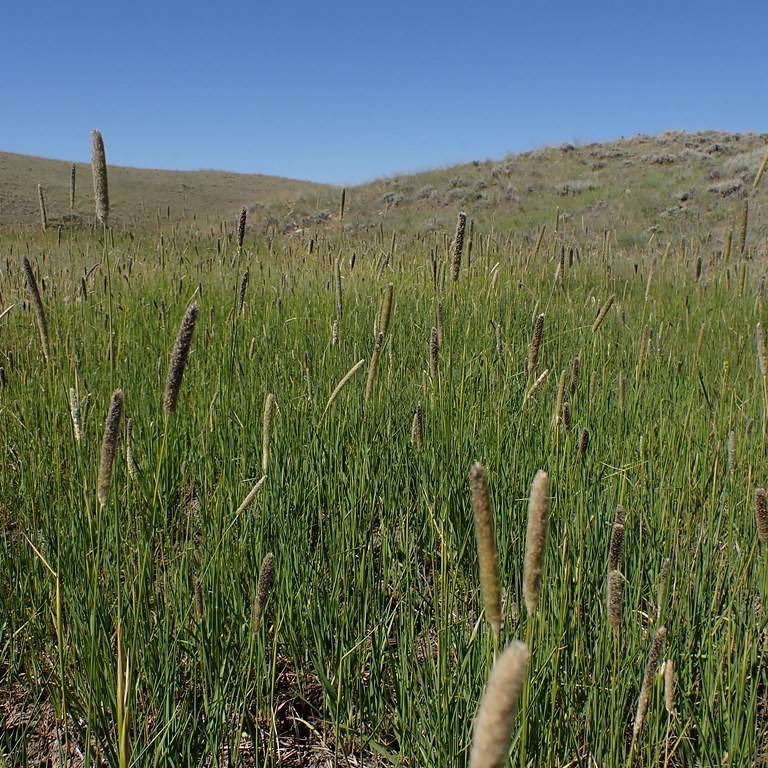
Creeping Foxtail
Alopecurus arundinaceus
Overview
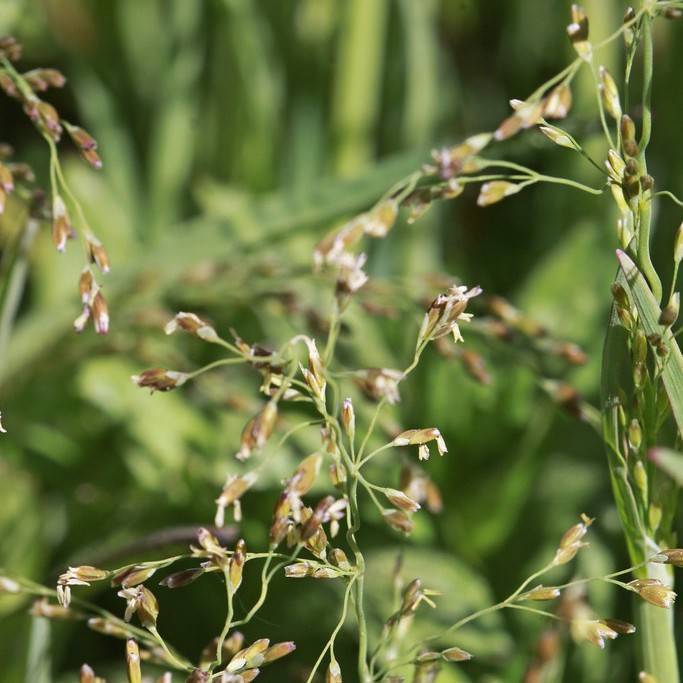
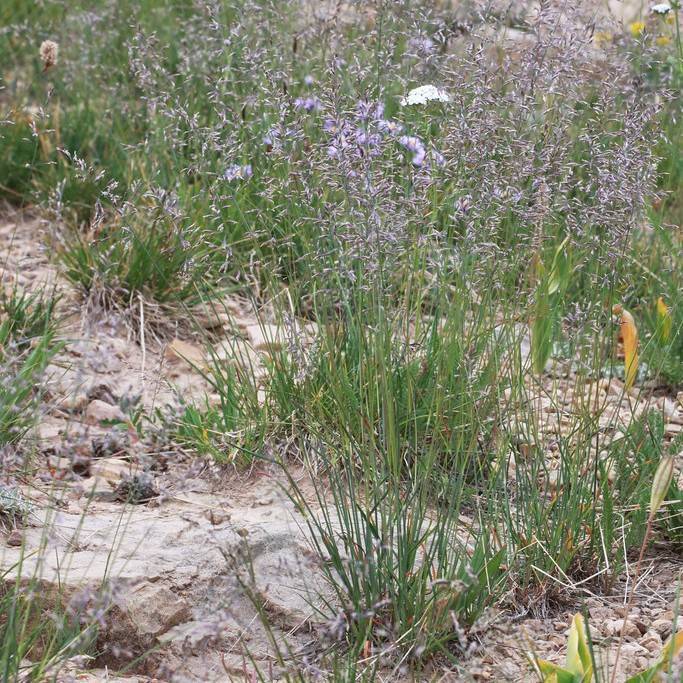
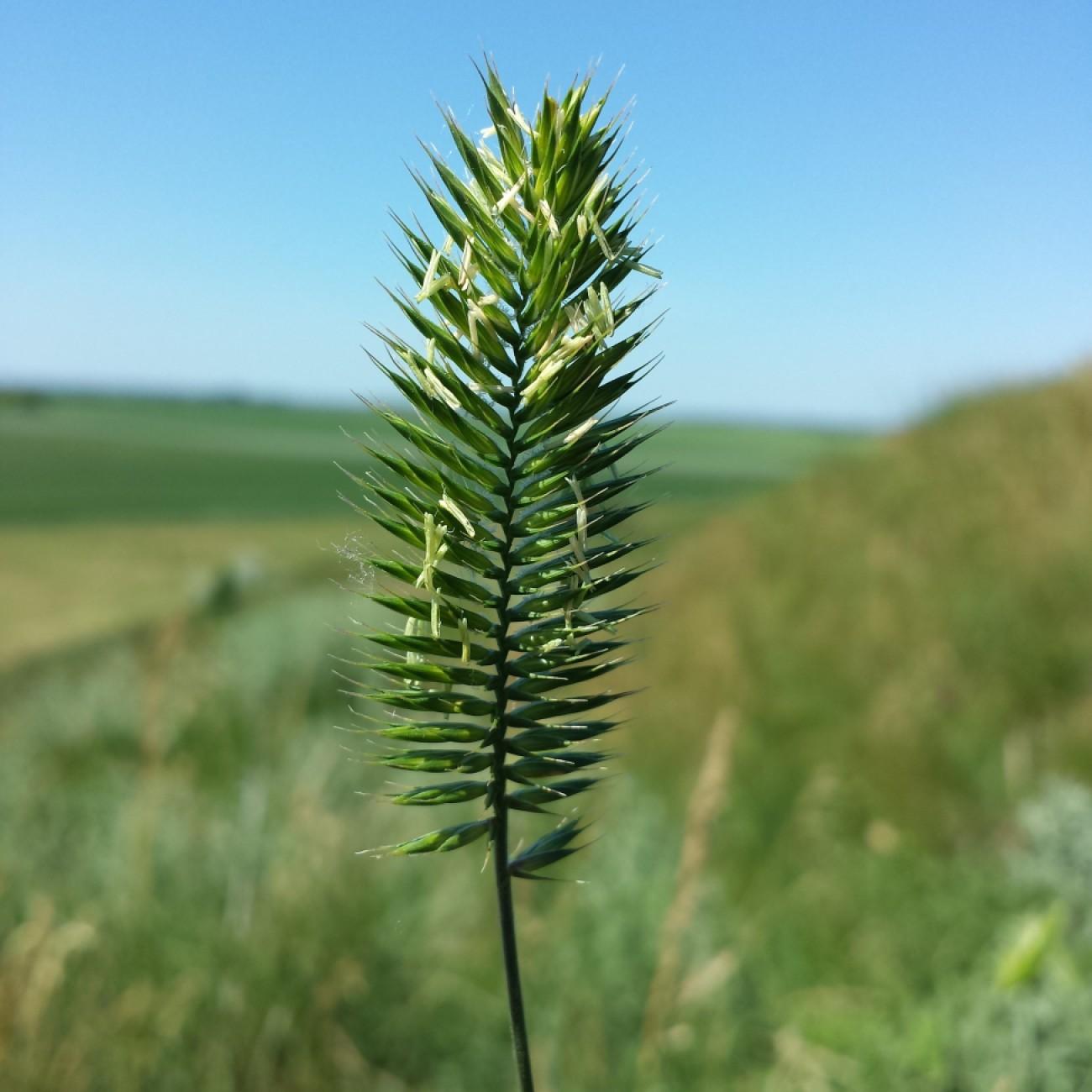
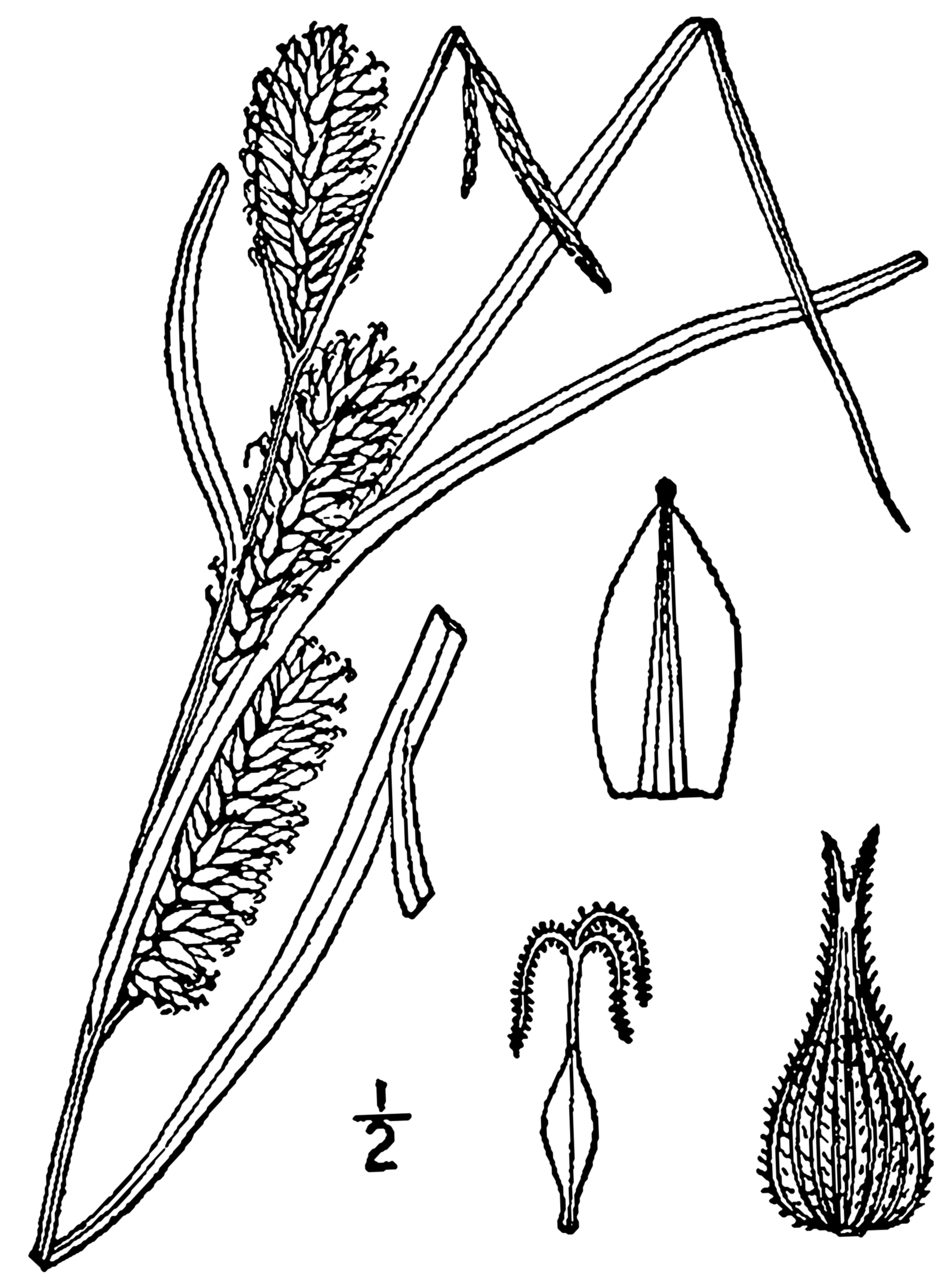
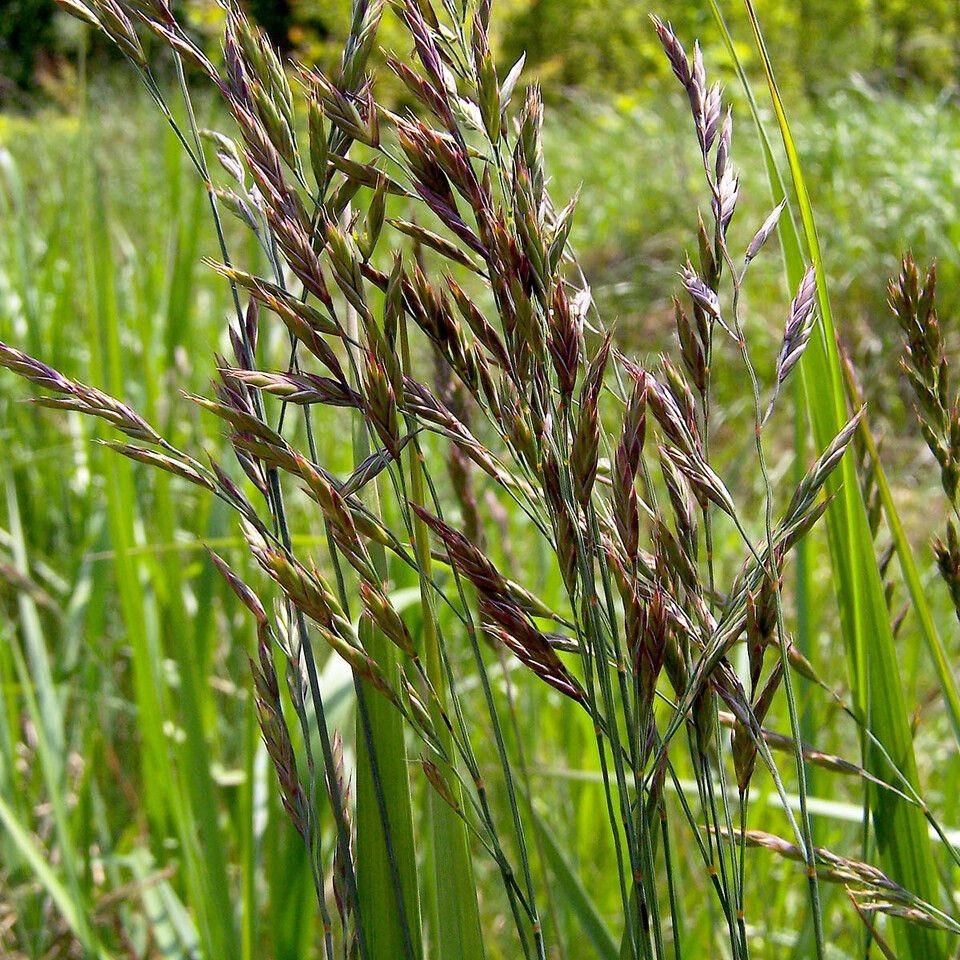
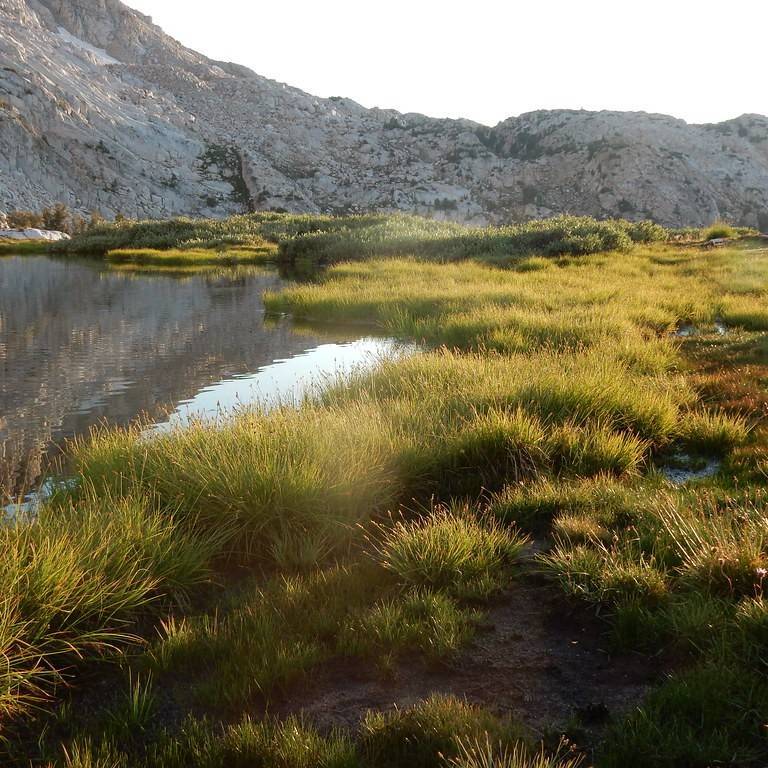
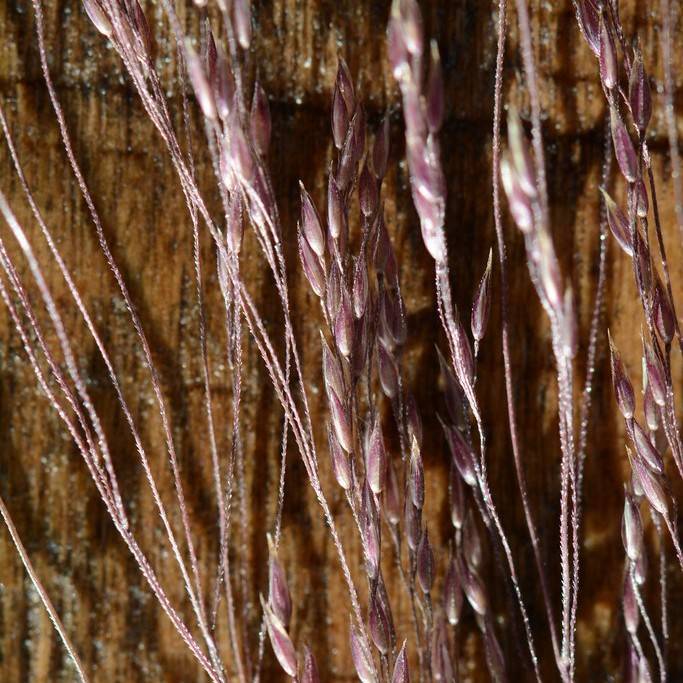
Creeping foxtail is a sod-forming grass distinguished by its dense, cylindrical, bristly flower spikes that resemble a fox’s tail, emerging in late spring to early summer. It spreads vigorously via shallow, creeping rhizomes, forming thick, stable mats that resist soil displacement in moist, disturbed sites. Adapted to cool, wet climates, it thrives where many other grasses struggle with saturated soils or occasional flooding, making it a staple in riparian and pasture management programs.
Care Guide
Watering
Creeping foxtail tolerates prolonged wet soils and even short-term flooding, requiring consistent moisture to thrive; avoid letting the root zone dry out completely for extended periods, as this will slow growth and reduce stand density. In cultivated pastures or restoration sites, natural precipitation is often sufficient, though supplemental watering may be needed during extended droughts to maintain vigor.
Light
This species performs best in full sun, requiring at least 6 hours of direct sunlight daily to produce dense foliage and abundant flower spikes. It can tolerate very light, dappled shade, but growth will be sparser and rhizome spread slower in low-light conditions.
Soil
Creeping foxtail adapts to a wide range of soil types, including clay, silt, loam, and poorly drained wet soils, with a preferred pH range of 5.5 to 7.5. It tolerates moderately saline soils better than many other cool-season grasses, making it suitable for use in coastal or salt-affected riparian areas.
Fertilizer
In forage production settings, apply 50 to 80 pounds of nitrogen per acre in early spring to support vigorous foliage growth, with additional phosphorus and potassium added only if soil tests indicate deficiencies. For restoration or erosion control sites, fertilizer is rarely needed unless the soil is extremely nutrient-poor, as the grass will establish well on marginal soils without amendment.
Temperature
Creeping foxtail is a cool-season grass, growing most actively in temperatures between 60 and 75°F (15 and 24°C), and tolerating winter lows down to -40°F (-40°C) in USDA hardiness zones 3 through 8. It goes dormant during extended periods of high heat above 90°F (32°C), resuming growth when temperatures cool in early fall.
Pruning
Mow pastures or managed stands to a height of 3 to 4 inches after flowering to encourage fresh foliage growth and prevent self-seeding if spread beyond intended areas is a concern. For erosion control sites, pruning is rarely required, though dead or damaged foliage can be cut back in early spring to make way for new growth.
Propagation
Creeping foxtail is most commonly propagated via seed, sown in early spring or late fall at a rate of 8 to 10 pounds per acre, pressed lightly into moist soil to encourage germination. It can also be propagated by dividing established rhizomatous clumps in early spring, planting sections 12 to 18 inches apart in prepared soil for faster stand establishment.
Humidity
This grass thrives in moderate to high humidity environments, naturally occurring in riparian zones, marshes, and wet meadows where ambient moisture levels are consistently elevated. It tolerates average indoor humidity but is rarely grown as a houseplant, as its spreading rhizome habit makes it unsuitable for container culture.
Repotting
Creeping foxtail is almost exclusively grown in outdoor landscape or agricultural settings, so repotting is not a standard care practice. If grown temporarily in containers for propagation, transplant rhizomatous sections to their permanent outdoor location as soon as roots are established, usually within 4 to 6 weeks of planting.
Uses & Symbolism
Creeping foxtail is widely planted for erosion control along stream banks, irrigation ditches, and wetland restoration sites, as its dense rhizome network stabilizes soil and reduces sediment runoff. It is also valued as a high-quality forage grass for cattle, sheep, and horses, with good palatability and nutritional value during the spring and early summer growing seasons. In some regions, it is used in rain garden plantings to absorb excess stormwater and filter pollutants from runoff.
Diseases & Pests
Creeping foxtail is relatively disease-resistant, though it can be susceptible to leaf rust and stem smut in overly warm, humid conditions with poor air circulation. Common pests include aphids and grasshoppers, which may feed on foliage, though infestations rarely cause significant damage to established stands. Overly saturated, stagnant soils can lead to root rot in plants grown in sites with no natural drainage.
Related plants
Other plants you might like if you grow Creeping Foxtail.