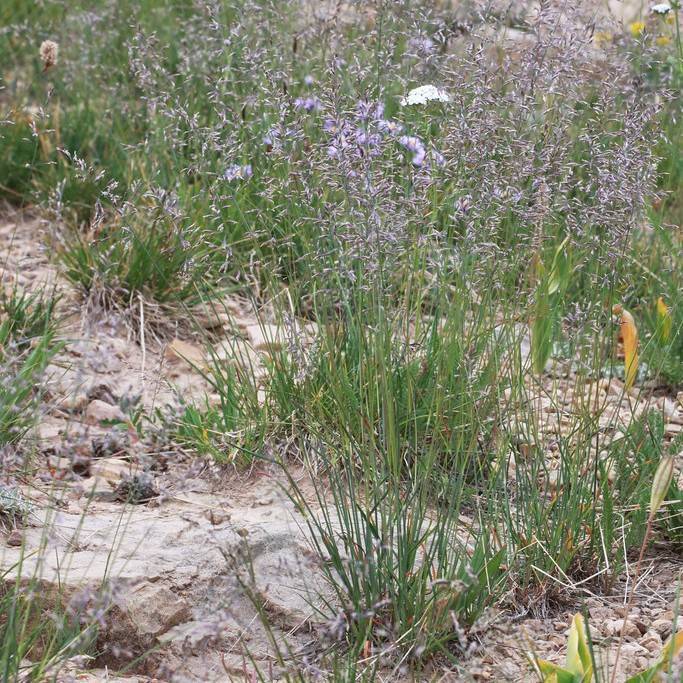
Creeping Bluegrass
Poa reptans
Overview
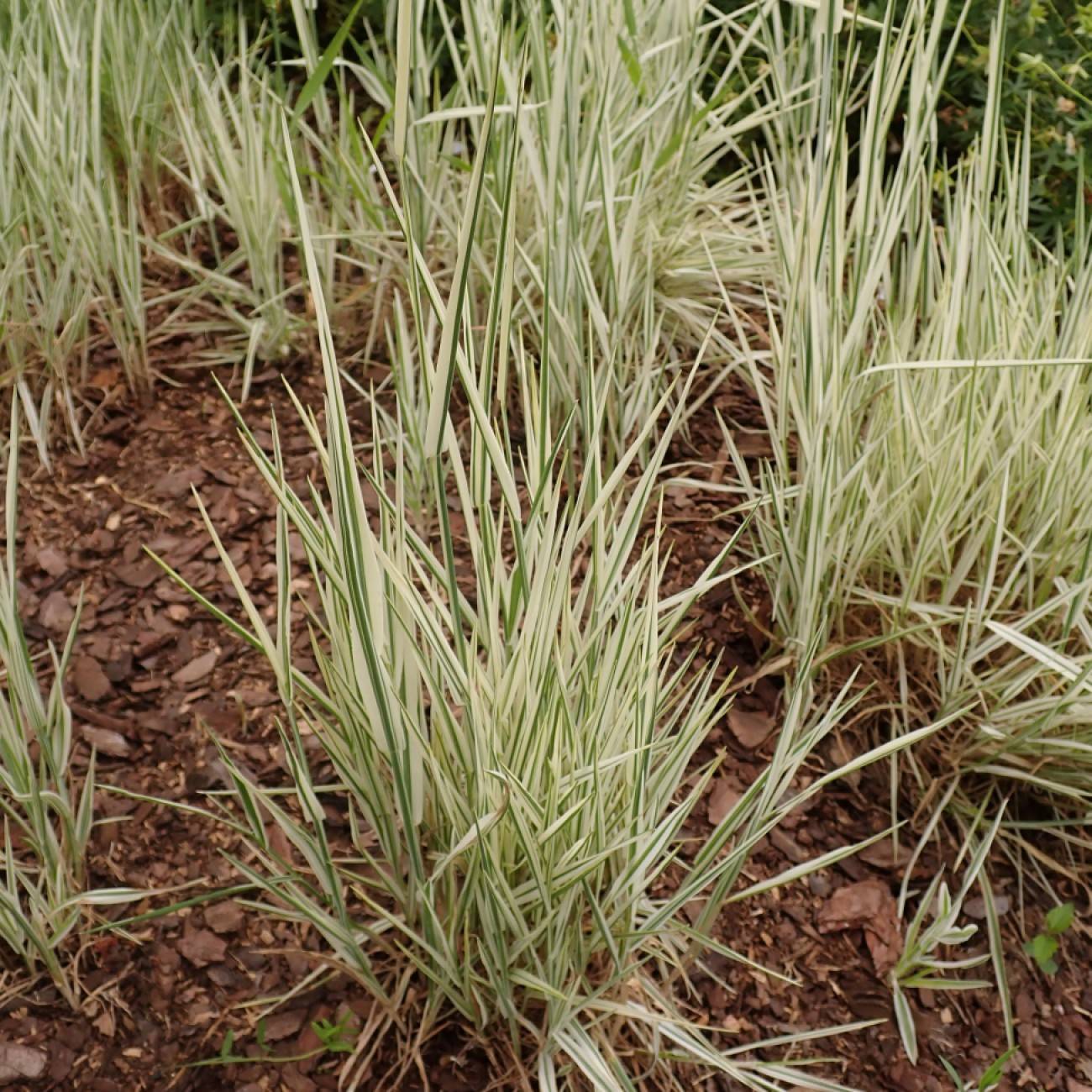
Creeping bluegrass is a mat-forming cool-season grass that spreads via shallow aboveground stolons, creating dense, soft green turf. It thrives in shaded, moist areas where many common lawn grasses struggle, making it a popular choice for low-traffic shaded lawns and understory plantings. Its fine-textured foliage stays green throughout cool seasons, going dormant and turning brown only during extended periods of extreme heat or cold.
Care Guide
Watering
Prefers consistently moist, well-drained soil; water deeply once or twice weekly during dry periods to maintain even soil moisture, avoiding overwatering that can lead to root rot. Reduce watering frequency in winter when growth slows, allowing the top 1 inch of soil to dry out between waterings.
Light
Tolerates full shade to partial sun, performing best in dappled sunlight or areas with 2-4 hours of direct morning sun daily. Avoid prolonged exposure to intense midday sun, which can scorch foliage and cause the grass to go dormant prematurely in warm climates.
Soil
Adaptable to a wide range of soil types, including loam, clay, and sandy soils, as long as drainage is adequate. Thrives in slightly acidic to neutral soil with a pH between 5.5 and 7.0, and tolerates moderately compacted soils better than many other turf grasses.
Fertilizer
Apply a balanced, slow-release nitrogen fertilizer in early spring and late fall at a rate of 1 pound of nitrogen per 1,000 square feet to support healthy growth. Avoid over-fertilizing, especially in warm summer months, as this can encourage weak, susceptible growth and increase water requirements.
Temperature
Grows best in temperatures between 60-75°F (15-24°C), typical of cool spring and fall seasons in temperate climates. It can tolerate light frost and temperatures as low as 20°F (-7°C) without significant damage, but will go dormant during extended periods of heat above 90°F (32°C).
Pruning
Mow to a height of 2-3 inches (5-7.5 cm) when used as a lawn grass, never removing more than one-third of the foliage height at a time to avoid stressing the plants. Remove any brown, dead foliage or invasive weeds in early spring to encourage fresh new growth and improve air circulation.
Propagation
Easily propagated by dividing established clumps or transplanting rooted stolon sections in early spring or fall, when cool temperatures support quick root establishment. It can also be grown from seed, sown on the soil surface in early spring and kept consistently moist until germination occurs in 7-14 days.
Humidity
Adaptable to average temperate humidity levels between 40-70%, and tolerates higher humidity better than many cool-season grasses as long as soil drainage is good. Avoid overly humid, stagnant conditions combined with saturated soil, which can increase the risk of fungal leaf diseases.
Repotting
When grown in containers as a ground cover or accent plant, repot every 2-3 years in early spring, refreshing the potting mix and trimming back overgrown stolons to contain spread. Select a pot with drainage holes to prevent waterlogging, and use a well-draining general-purpose potting mix for best results.
Uses & Symbolism
Widely planted as a shade-tolerant lawn grass for low-traffic areas, and as a ground cover to prevent soil erosion on slopes, under tree canopies, and in riparian zones. It is also used in native plant and pollinator gardens to provide habitat for small beneficial insects, and its foliage serves as a forage source for grazing wildlife and livestock.
Diseases & Pests
Susceptible to common fungal turf diseases including dollar spot, leaf spot, and powdery mildew, especially in overly moist, poorly ventilated conditions. Common pests include aphids, sod webworms, and white grubs, which can damage foliage and roots if populations grow large, though healthy stands usually recover quickly with minimal intervention.
Related plants
Other plants you might like if you grow Creeping Bluegrass.