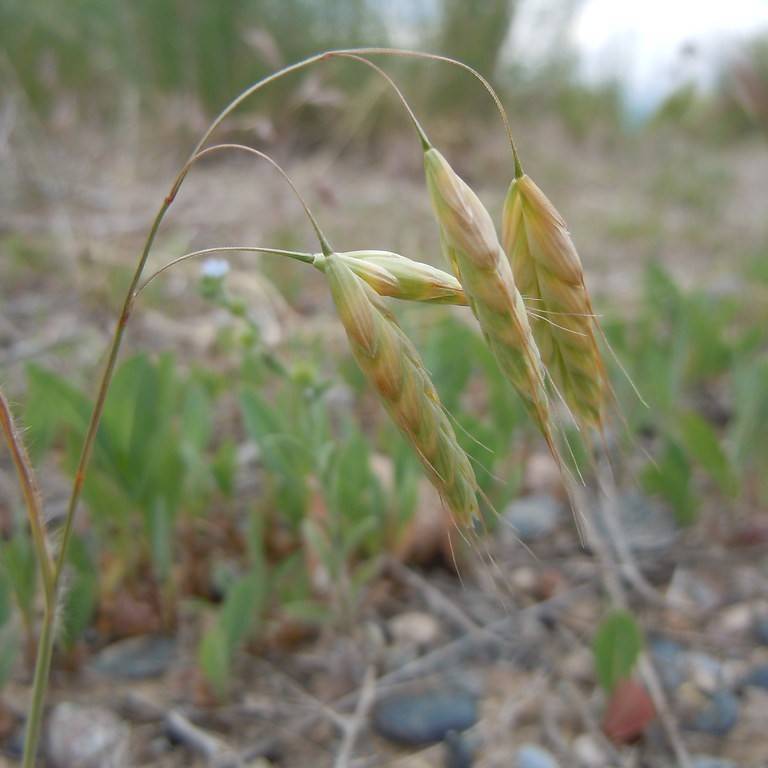
Corn Brome
Bromus secalinus
Overview
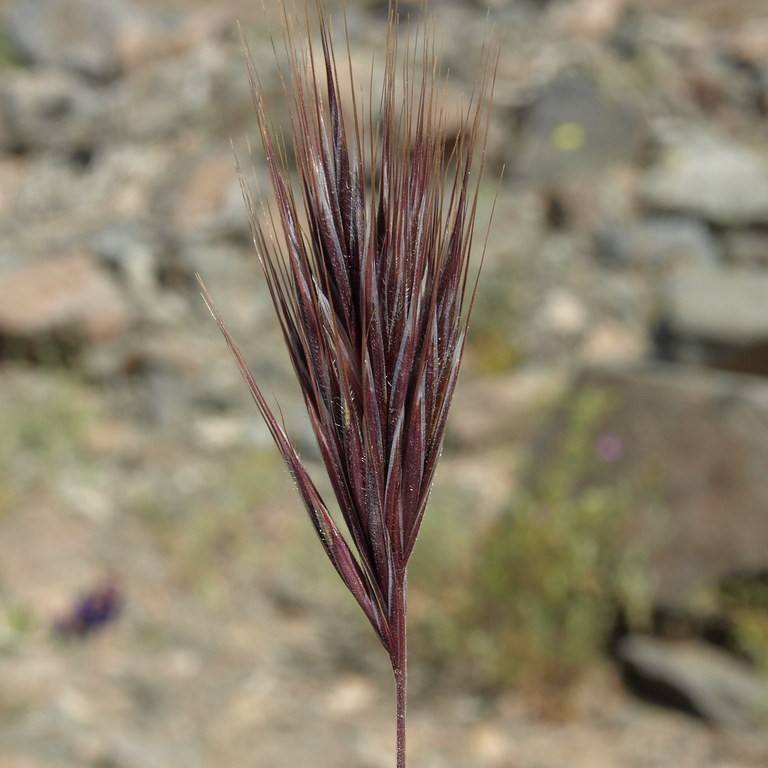
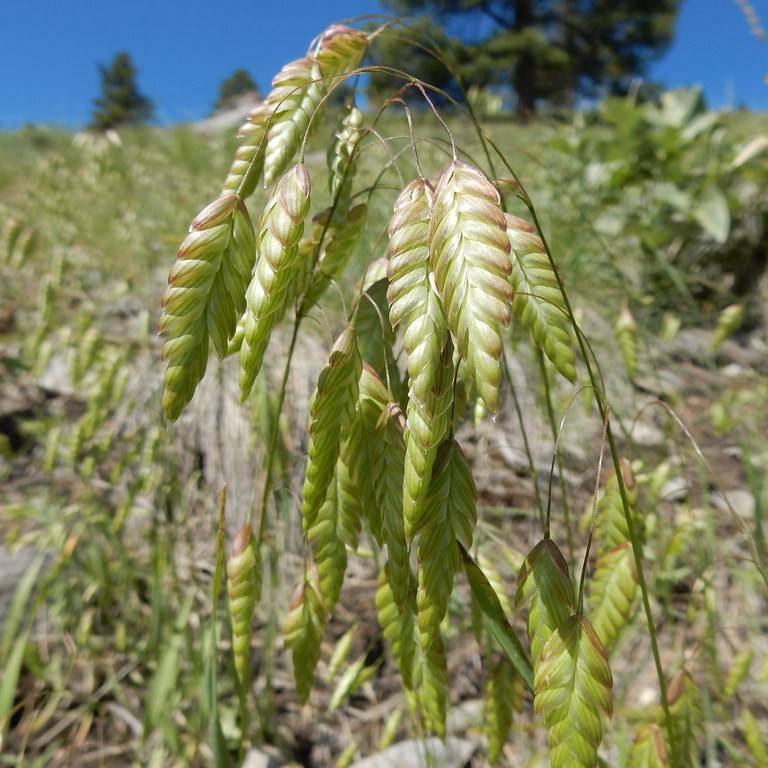
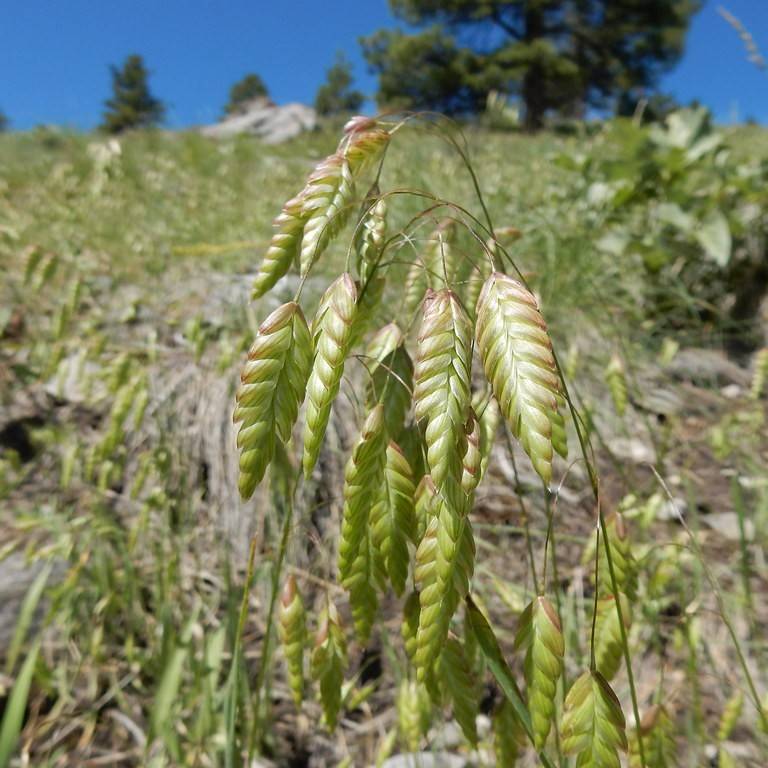
Corn brome is a cool-season annual grass in the bromegrass genus, widely naturalized across North America, Australia, and other temperate regions beyond its native Eurasian range. It is most frequently identified as an agricultural weed in winter wheat, rye, and corn fields, where it competes for resources and reduces crop yields. Its spikelets have a characteristic flattened, zigzag shape, and it produces copious amounts of seed that can persist in soil for multiple years.
Care Guide
Watering
Corn brome is highly adaptable to varying moisture levels, thriving in moderately moist, well-drained conditions common to agricultural fields and disturbed areas. It can tolerate short periods of drought once established, though consistent moisture during its early growth stages supports faster germination and establishment. Overly saturated, waterlogged soils will stunt its growth and may cause root rot.
Light
This grass grows best in full, direct sunlight, requiring at least 6 hours of unobstructed light daily to reach mature size and produce viable seed. It can tolerate partial shade, but growth will be stunted and seed production will be significantly reduced. In shaded areas, it tends to be outcompeted by more shade-tolerant plant species.
Soil
Corn brome adapts to a wide range of soil types, from sandy loams to heavy clay soils, as long as drainage is adequate. It prefers neutral to slightly alkaline soil pH between 6.0 and 7.5, though it can tolerate moderately acidic conditions as low as 5.5. It is commonly found in disturbed, nutrient-rich soils associated with agricultural land, roadsides, and waste areas.
Fertilizer
As an opportunistic weed, corn brome responds well to high nitrogen levels, often growing more vigorously in fields fertilized for cereal crops. It does not require targeted fertilization when growing as a wild or weedy plant, as it readily scavenges available nutrients from the soil. Excess phosphorus and potassium do not significantly impact its growth rate compared to nitrogen availability.
Temperature
Corn brome is a cool-season grass, germinating best at soil temperatures between 50 and 65°F (10 and 18°C), typically in early fall or early spring. It can tolerate light frosts during its vegetative growth stage, but mature plants will die back once temperatures consistently exceed 85°F (29°C) in summer. It is hardy to USDA zones 3 through 9 in its naturalized range.
Pruning
Corn brome requires no intentional pruning for growth, though mowing or cutting before seed set is the primary cultural control method to reduce its spread in agricultural and landscape settings. Cutting plants after seed heads have formed will not prevent seed dispersal, as mature seeds can still ripen on cut stems. For eradication, plants should be pulled or cut at the base before spikelets fully develop.
Propagation
Corn brome propagates exclusively from seed, with each mature plant producing up to 3,000 seeds that are easily dispersed by wind, agricultural machinery, or contaminated crop seed. Seeds may remain dormant in the soil for up to 3 years, germinating when exposed to optimal temperature and moisture conditions. There are no vegetative propagation methods for this annual grass.
Humidity
This grass tolerates a wide range of humidity levels, thriving in both semi-arid temperate regions and more humid continental climates. It has no specific humidity requirements, though high humidity combined with warm temperatures can increase the risk of foliar fungal diseases. Extended periods of very high humidity above 80% may slow its growth slightly.
Repotting
Corn brome is not cultivated as a potted or ornamental plant, so repotting is never required for this species. When found growing as a weed in container plantings, it should be pulled by hand before it sets seed to prevent spread to other areas.
Uses & Symbolism
Corn brome has limited practical uses, though it is occasionally grazed by livestock in its early vegetative stages before seed heads develop, as mature plants have coarse, unpalatable stems. Historically, its seeds were sometimes unintentionally harvested with rye and wheat, leading to its classification as a noxious weed in many agricultural regions. It is sometimes used in research studies focused on weed management and crop competition dynamics.
Diseases & Pests
Corn brome is susceptible to several fungal pathogens, including rusts, powdery mildew, and head blight, which can also spread to adjacent cereal grain crops. Common insect pests include aphids, grasshoppers, and cereal leaf beetles, which feed on its foliage and may transmit viral pathogens. It also acts as a host for nematodes and cereal crop viruses, increasing pest pressure in infested agricultural fields.
Related plants
Other plants you might like if you grow Corn Brome.