Erect Brome
Bromus erectus
Overview
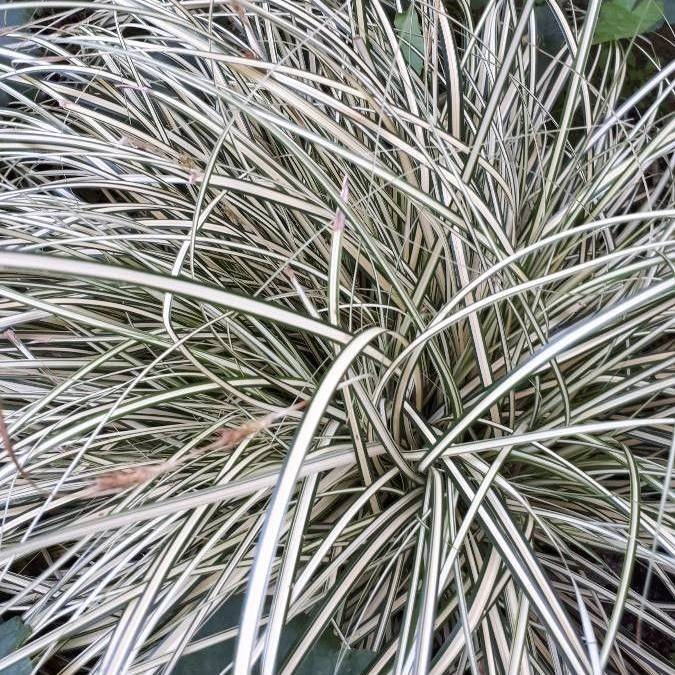
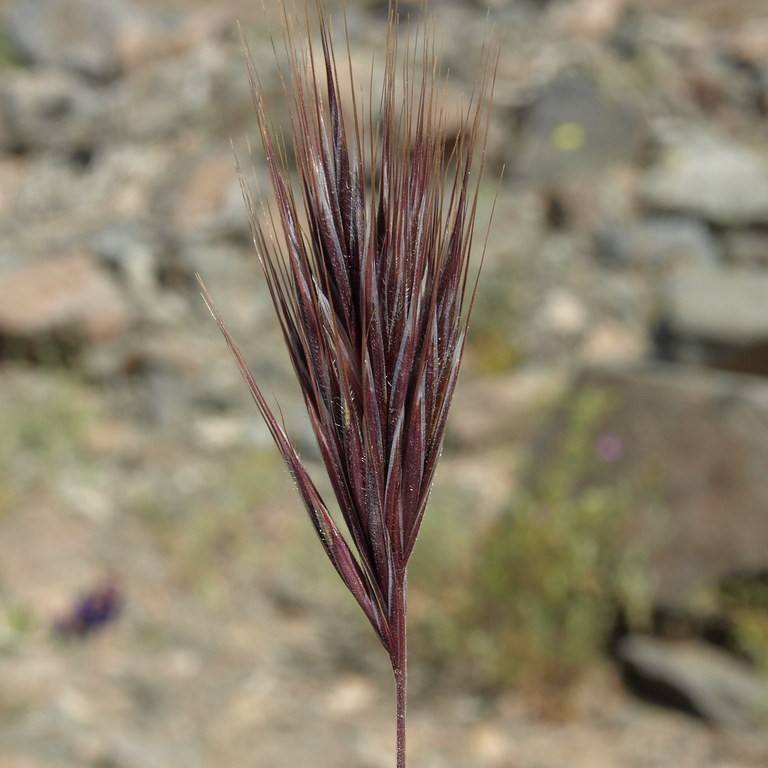
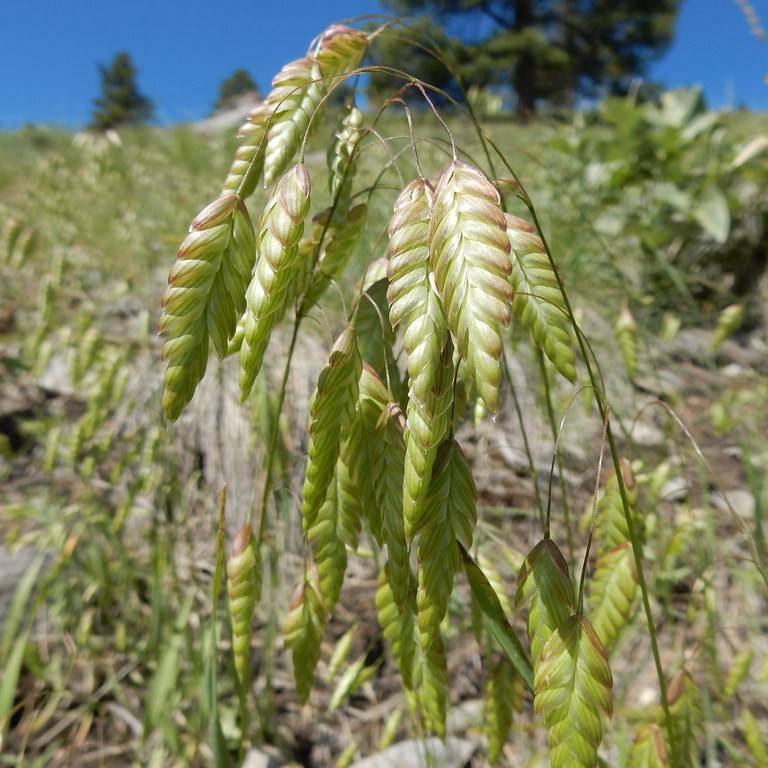
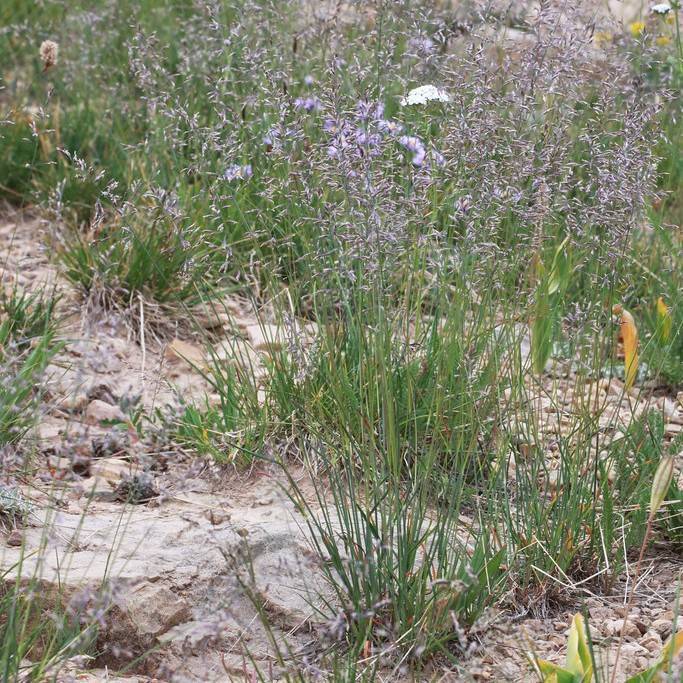
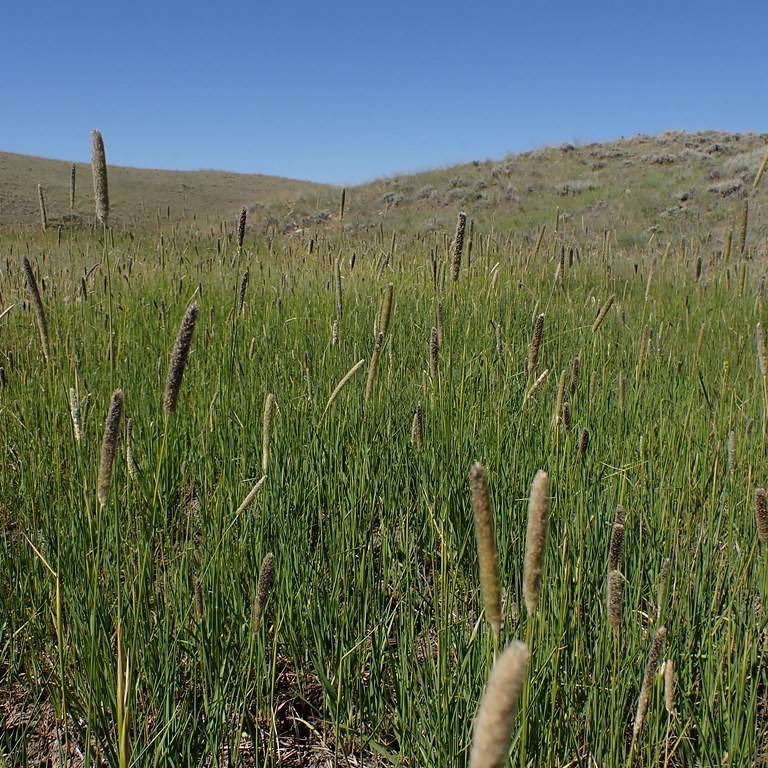
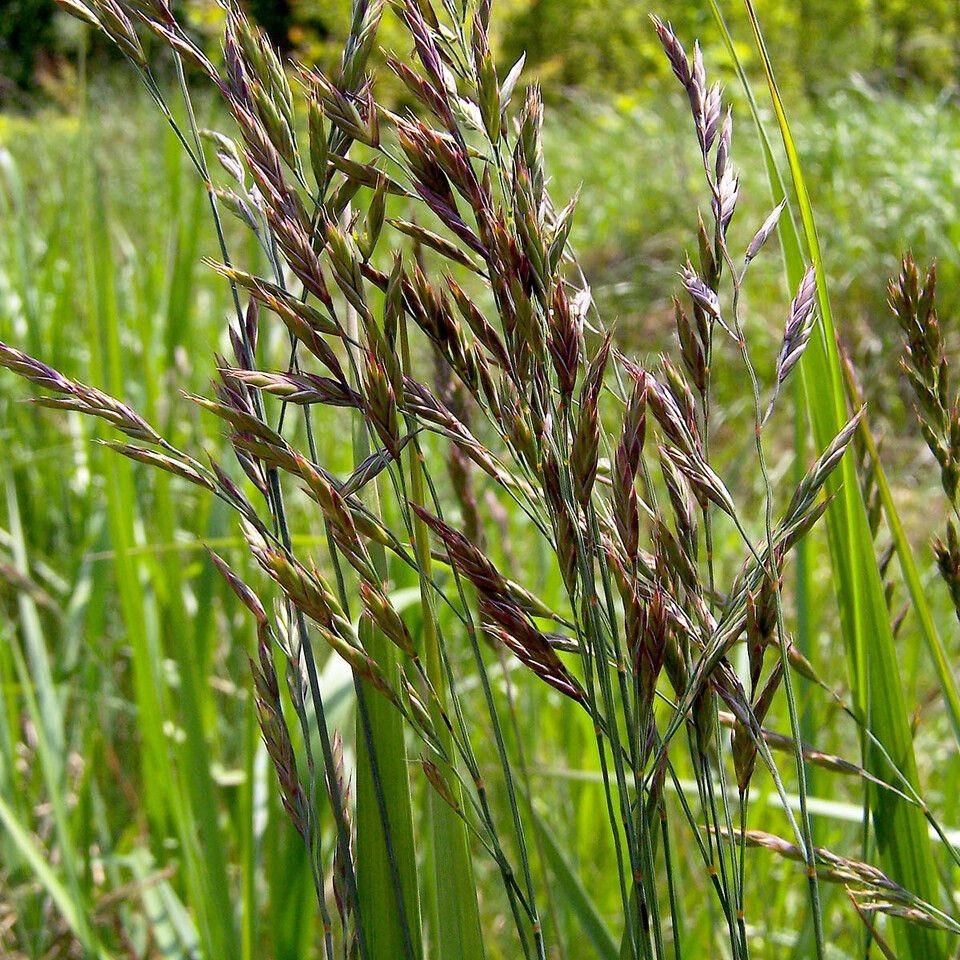
Erect brome is a tufted cool-season grass characterized by stiff, upright stems and narrow, flat green foliage that turns golden brown in late summer. It produces open, nodding panicles of spikelets in late spring to early summer, which are a food source for many seed-eating bird species. Widely naturalized across temperate regions of North America, it thrives in well-drained, calcareous soils and is often found in meadows, pastures, and roadside verges.
Care Guide
Watering
Erect brome is drought-tolerant once established, requiring only occasional deep watering during extended dry periods; avoid overwatering, as saturated soils can lead to root rot. New plantings need regular, light watering to encourage root establishment for the first 2-3 months after sowing.
Light
This grass grows best in full sun, receiving a minimum of 6 hours of direct sunlight daily. It can tolerate partial shade, but growth will be less vigorous and clumps may become looser and more prone to lodging.
Soil
Erect brome adapts to a wide range of soil types but prefers well-drained, loamy or calcareous soils with a pH between 6.0 and 8.0. It tolerates poor, low-nutrient soils and shallow, rocky substrates better than many other pasture grass species.
Fertilizer
Fertilizer is rarely needed for established plants, as erect brome thrives in low to medium fertility soils. If grown for forage, a light application of nitrogen-rich fertilizer in early spring can boost foliage production, but over-fertilization will lead to excessive soft growth prone to pest issues.
Temperature
This cool-season grass grows most actively in temperatures between 60-75°F (15-24°C), and is hardy to USDA zones 4-8. It tolerates light frosts well, and above-ground growth dies back completely during extended freezing winter temperatures, resprouting from root crowns in early spring.
Pruning
Mow or cut back erect brome to a height of 4-6 inches (10-15 cm) in late winter or early spring before new growth emerges to remove dead foliage and encourage fresh, upright growth. If grown to support wildlife, leave seed heads intact through the winter to provide food for birds, trimming only once cold weather has passed.
Propagation
Erect brome is most commonly propagated from seed, sown directly in prepared soil in early spring or late fall for natural stratification. Clumps can also be divided in early spring before active growth begins, with each division containing a portion of the root crown and several healthy stems to ensure successful establishment.
Humidity
This grass tolerates a wide range of humidity levels, thriving in both semi-arid and moderately humid temperate climates. High humidity combined with poor air circulation can increase risk of foliar fungal diseases, so space plantings adequately to allow airflow between clumps.
Repotting
Erect brome is rarely grown in containers, as it develops a deep, extensive root system best suited to in-ground planting. If grown in a pot for ornamental use, repot every 2-3 years in early spring, moving to a larger container with fresh, well-drained soil to prevent root binding.
Uses & Symbolism
Erect brome is widely used as a forage grass for livestock, offering high nutritional value for grazing animals in spring and early summer before seed heads mature. It is also planted for erosion control on sloped sites and disturbed land, as its dense root system stabilizes soil effectively. Its upright growth habit and attractive seed heads make it a popular component of native wildflower meadow and pollinator garden mixes, providing cover for small wildlife and food for seed-eating birds.
Diseases & Pests
Erect brome is relatively resistant to most pests and diseases, but can be susceptible to foliar fungal infections such as rust and powdery mildew in prolonged wet, humid conditions with poor air circulation. Aphids and grasshoppers may feed on young foliage occasionally, though damage is rarely severe enough to require treatment in naturalized plantings. Overly fertile soils or excessive nitrogen fertilization can make plants more prone to lodging (falling over) and infestations of stem-boring insect larvae.
Related plants
Other plants you might like if you grow Erect Brome.