Chinese Juniper
Juniperus chinensis
Overview
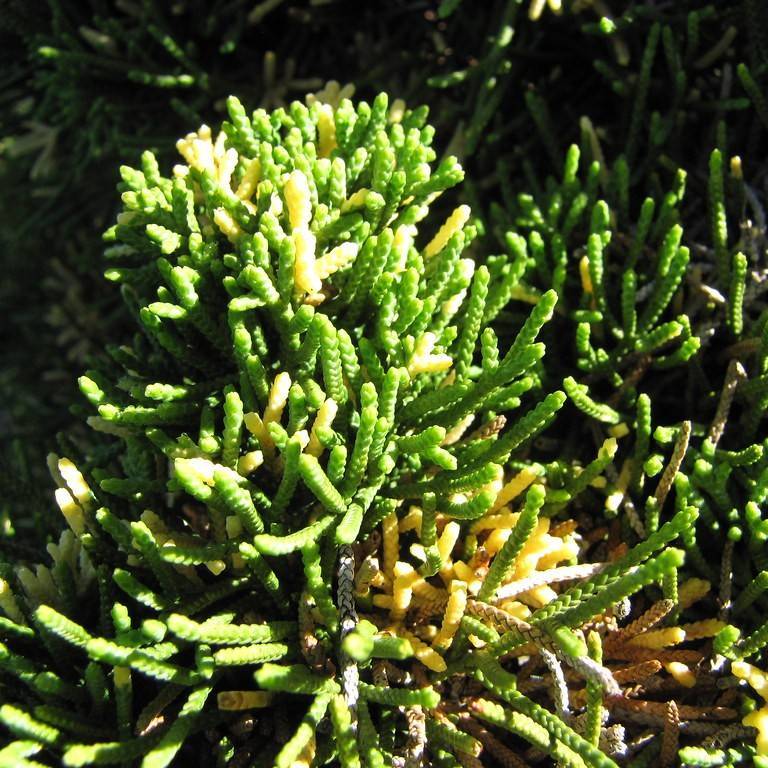
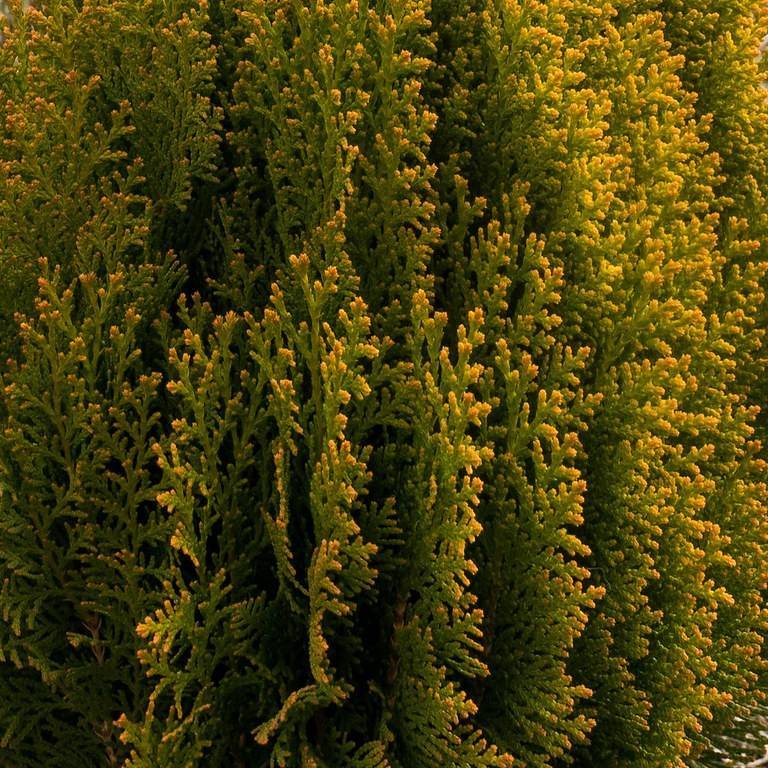
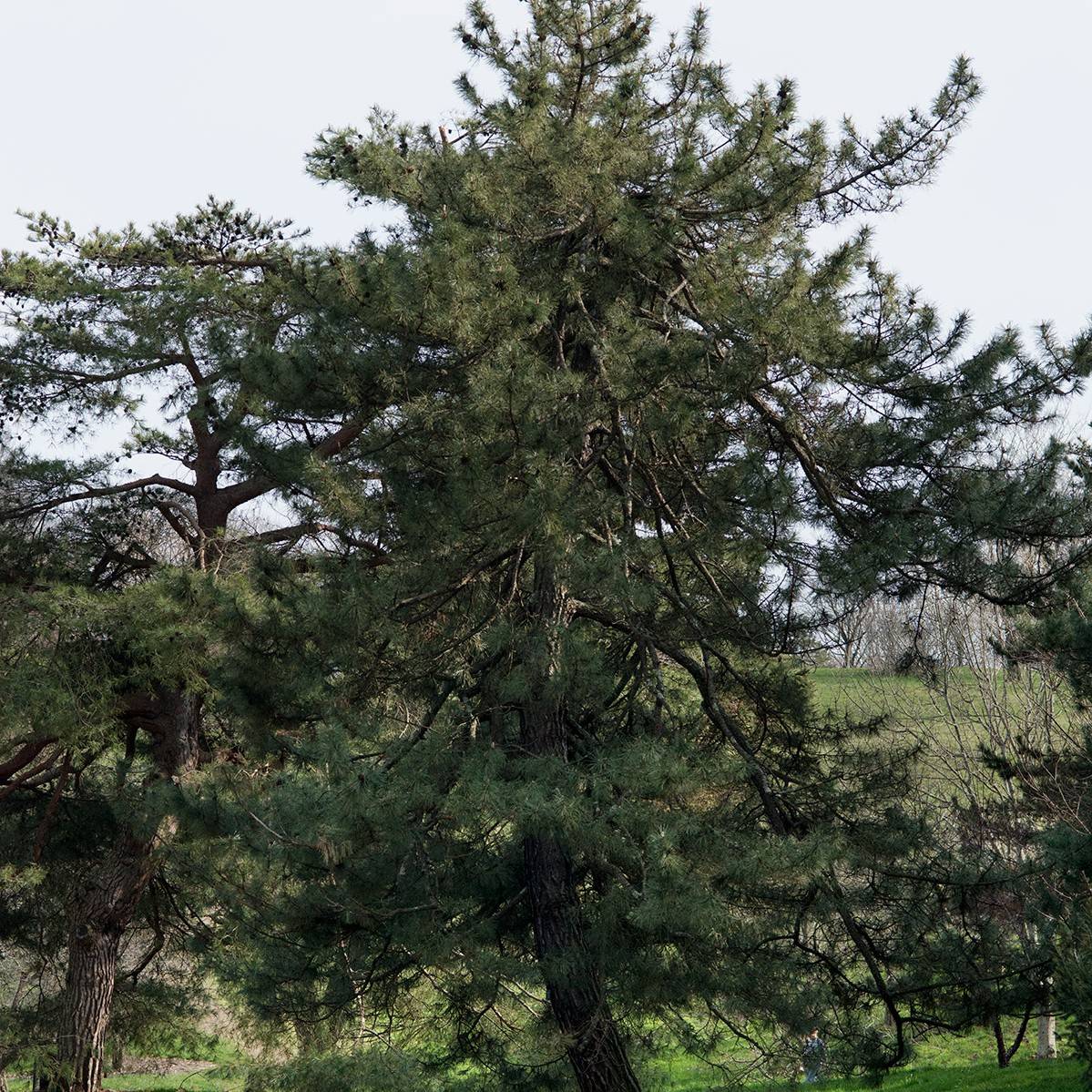
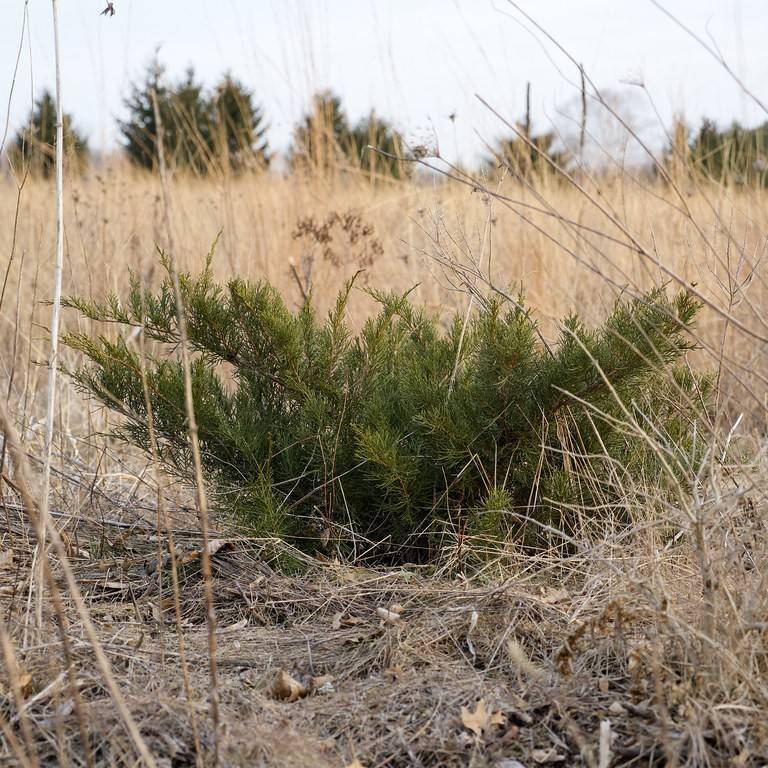
Chinese juniper is a durable evergreen conifer valued for its wide range of cultivated forms, from low-growing groundcovers and compact shrubs to tall, pyramidal landscape trees. Its foliage varies by age and cultivar, with young plants typically bearing sharp, needle-like leaves, while mature specimens have soft, overlapping scale-like foliage in shades of dark green, blue-green, or gold. Female plants produce small, waxy, blue-black berry-like cones that take two years to mature, providing food for native bird species in its native range.
Care Guide
Watering
Water newly planted Chinese junipers regularly for the first growing season to establish a deep root system, keeping soil evenly moist but not waterlogged. Once established, the plant is highly drought-tolerant, requiring only occasional supplemental watering during extended periods of hot, dry weather; overwatering is the most common cause of health issues. Avoid overhead watering to reduce the risk of foliar fungal diseases, directing water at the base of the plant instead.
Light
Chinese juniper thrives in full sun, requiring a minimum of six hours of direct, unfiltered sunlight per day to maintain dense, vibrant foliage and a healthy growth habit. It can tolerate very light partial shade, but too much shade will result in sparse, leggy growth, reduced color intensity, and increased susceptibility to pest and disease problems. When grown as a houseplant or bonsai, place it in a south-facing window or use grow lights to meet its light requirements.
Soil
This adaptable conifer grows well in a wide range of soil types, including sandy, loamy, and even clay soils, as long as the site has excellent drainage. It prefers a slightly acidic to neutral soil pH between 5.5 and 7.0, though it can tolerate mildly alkaline conditions as well. Avoid heavy, poorly draining soils that stay consistently wet, as these will quickly cause root rot and plant death; amend dense soils with sand or compost to improve drainage before planting.
Fertilizer
Feed established Chinese junipers once annually in early spring, before new growth emerges, using a balanced, slow-release evergreen fertilizer formulated for woody plants. Avoid over-fertilizing, as excess nutrients can cause rapid, weak growth that is prone to breakage and pest infestation, and may burn the plant's shallow root system. Bonsai specimens require more frequent feeding, with a diluted, balanced fertilizer applied every four to six weeks during the active growing season.
Temperature
Chinese juniper is extremely cold-hardy, tolerating winter temperatures as low as -30°F (-34°C) in USDA hardiness zones 4 through 9. It can also withstand high summer temperatures up to 100°F (38°C), as long as it has adequate root moisture and protection from extreme, prolonged heat stress. When grown as a bonsai or indoor plant, it requires a cool dormant period in winter with temperatures between 35°F and 45°F (2°C and 7°C) to maintain long-term health.
Pruning
Prune Chinese juniper in late winter or early spring before new growth starts, removing any dead, diseased, damaged, or crossing branches to improve air circulation and maintain the desired shape. The plant tolerates heavy shearing well, making it a popular choice for hedges, topiaries, and formal landscape designs, but avoid cutting back into old, bare wood, as junipers rarely produce new growth from these areas. For bonsai specimens, regular pinching of new growth throughout the growing season will help maintain a compact, dense form.
Propagation
Chinese juniper is most commonly propagated from semi-hardwood cuttings taken in late summer or early fall, from current-year growth that has started to harden off. Dip the cut end in rooting hormone powder, plant in a well-draining rooting medium, and keep consistently moist and warm under indirect light until roots develop, which typically takes 3 to 6 months. It can also be grown from seed, but seeds require cold stratification for 3 to 4 months to germinate, and seed-grown plants often do not retain the desirable traits of the parent cultivar.
Humidity
Chinese juniper adapts well to a wide range of humidity levels, thriving in the moderate to low humidity typical of most temperate landscapes and indoor environments. It tolerates dry air very well, making it suitable for regions with arid climates or for indoor growing near heating and cooling vents. Extremely high, constant humidity can increase the risk of fungal diseases, so ensure the plant has good air circulation around its foliage in humid conditions.
Repotting
Landscape-grown Chinese junipers rarely require repotting, but container-grown specimens and bonsai should be repotted every 2 to 3 years in early spring, just before new growth emerges. Choose a container only slightly larger than the root ball, with ample drainage holes, and use a well-draining, gritty potting mix formulated for conifers or bonsai to prevent waterlogging. When repotting, gently trim away up to one-third of the root mass to encourage healthy new root growth, and avoid disturbing the central root core to reduce transplant shock.
Uses & Symbolism
Chinese juniper is one of the most widely planted ornamental conifers, used in landscape design as hedges, windbreaks, privacy screens, topiaries, foundation plantings, groundcovers, and specimen trees. It is an extremely popular species for bonsai cultivation, valued for its rugged bark, flexible branches that respond well to wiring, and ability to tolerate heavy pruning and training. In traditional East Asian medicine, parts of the plant have been used topically to treat skin conditions and joint pain, though internal consumption is not recommended due to its toxicity.
Diseases & Pests
Chinese juniper is highly resistant to most pests and diseases, but it can be susceptible to twig blight and tip blight, fungal diseases that cause browning and dieback of young shoots, particularly in wet, poorly ventilated conditions. Common pests include spider mites, scale insects, and juniper aphids, which feed on sap and cause yellowing foliage, stunted growth, and sooty mold growth on honeydew secretions. It is also an alternate host for cedar-apple rust, a fungal disease that affects apple and crabapple trees, so avoid planting Chinese junipers within several hundred feet of susceptible fruit trees if rust is a common issue in your area.
Related plants
Other plants you might like if you grow Chinese Juniper.