Chinese Photinia
Photinia serratifolia
Overview
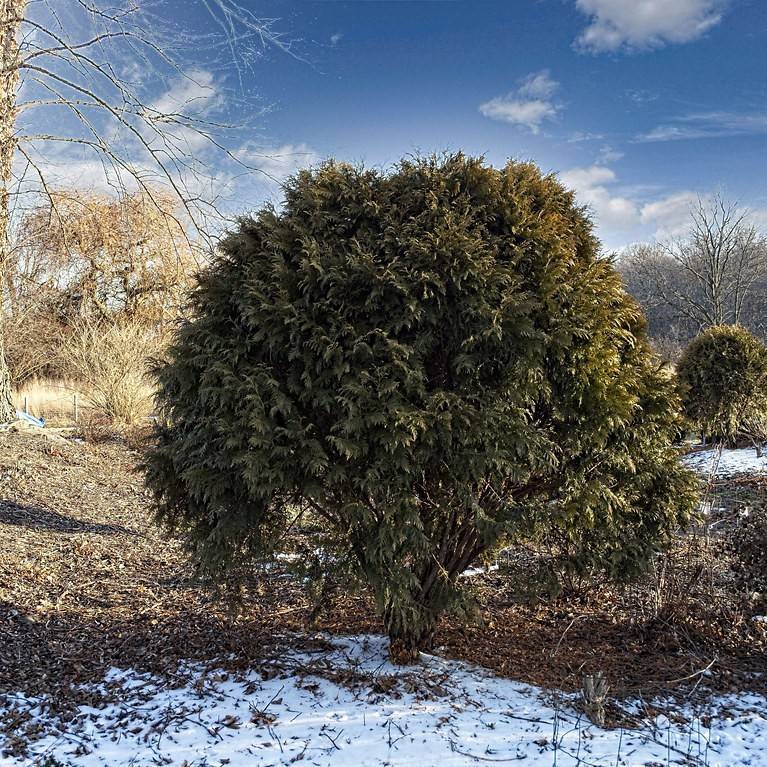
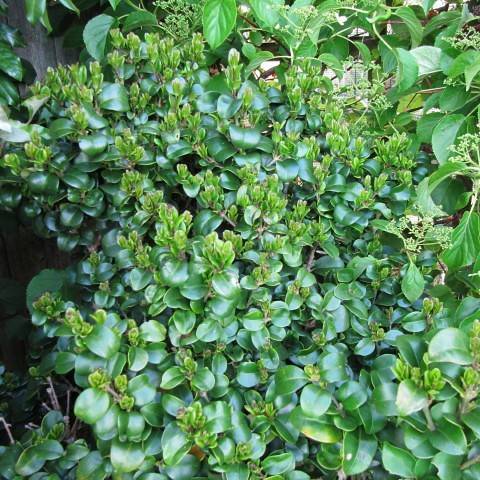
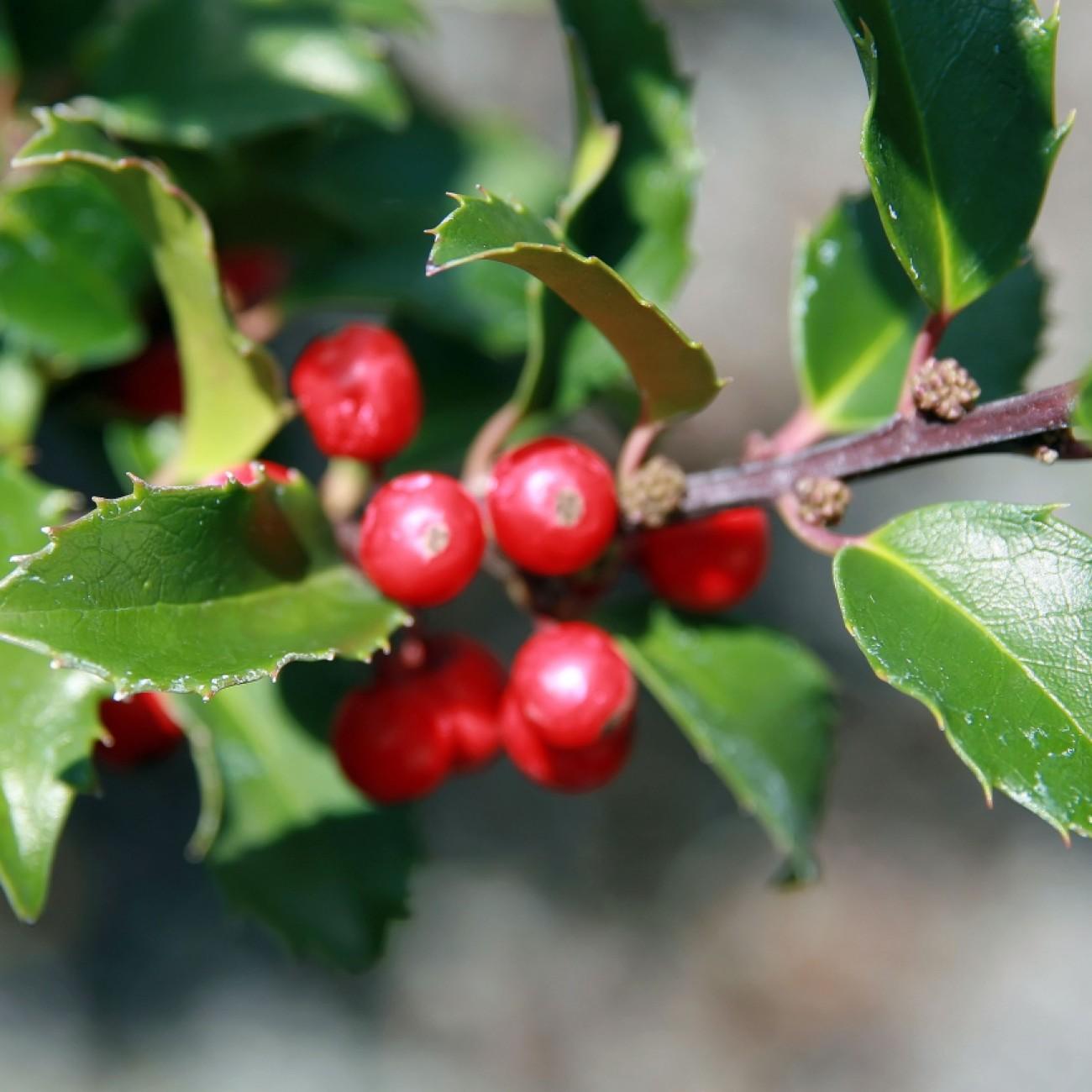
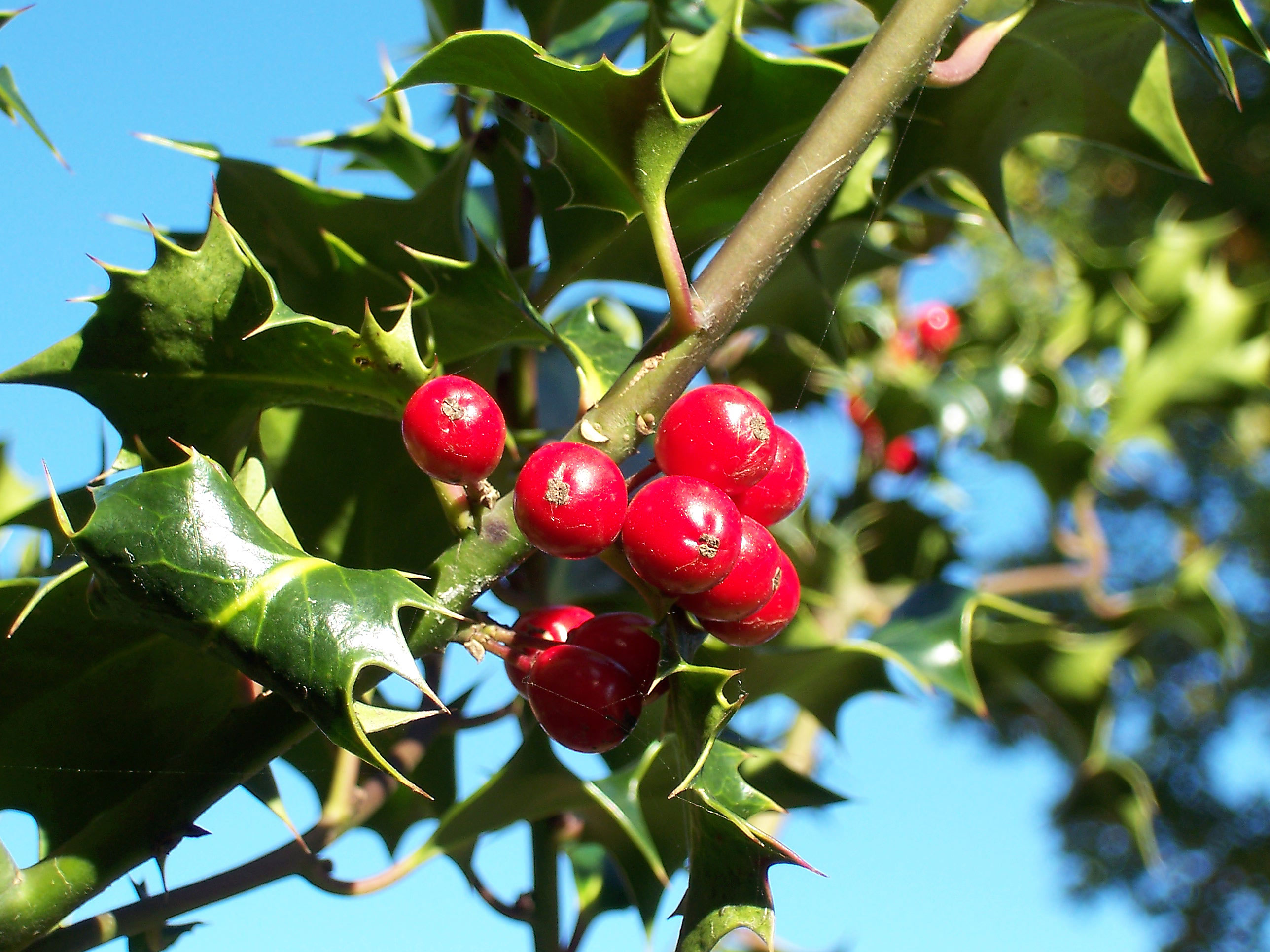
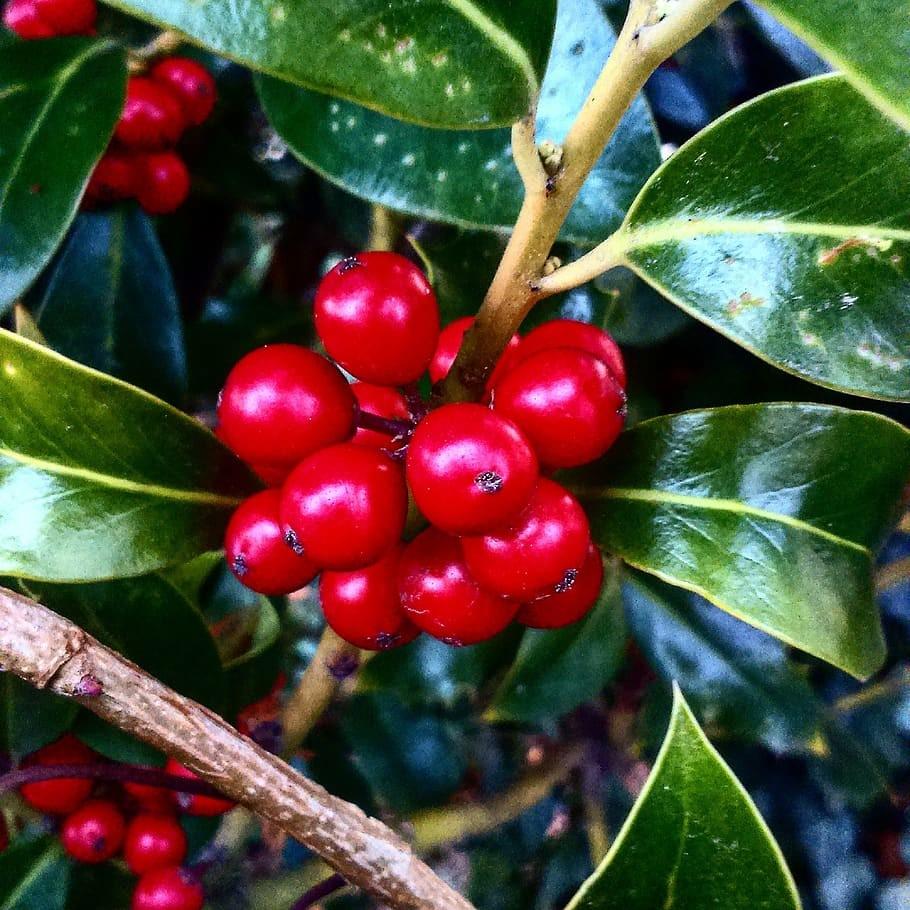
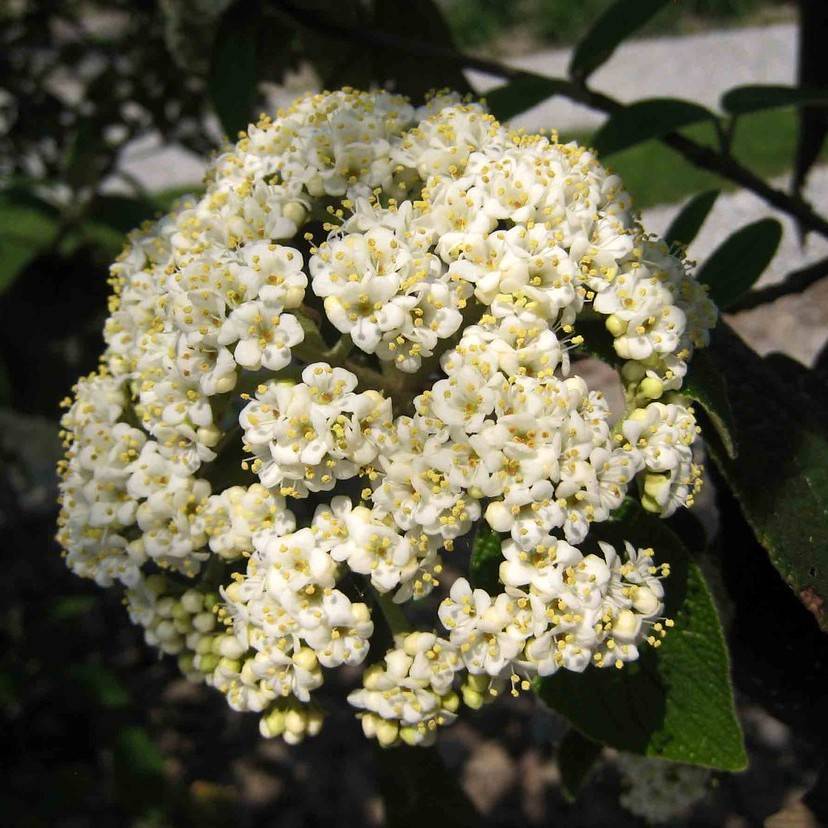
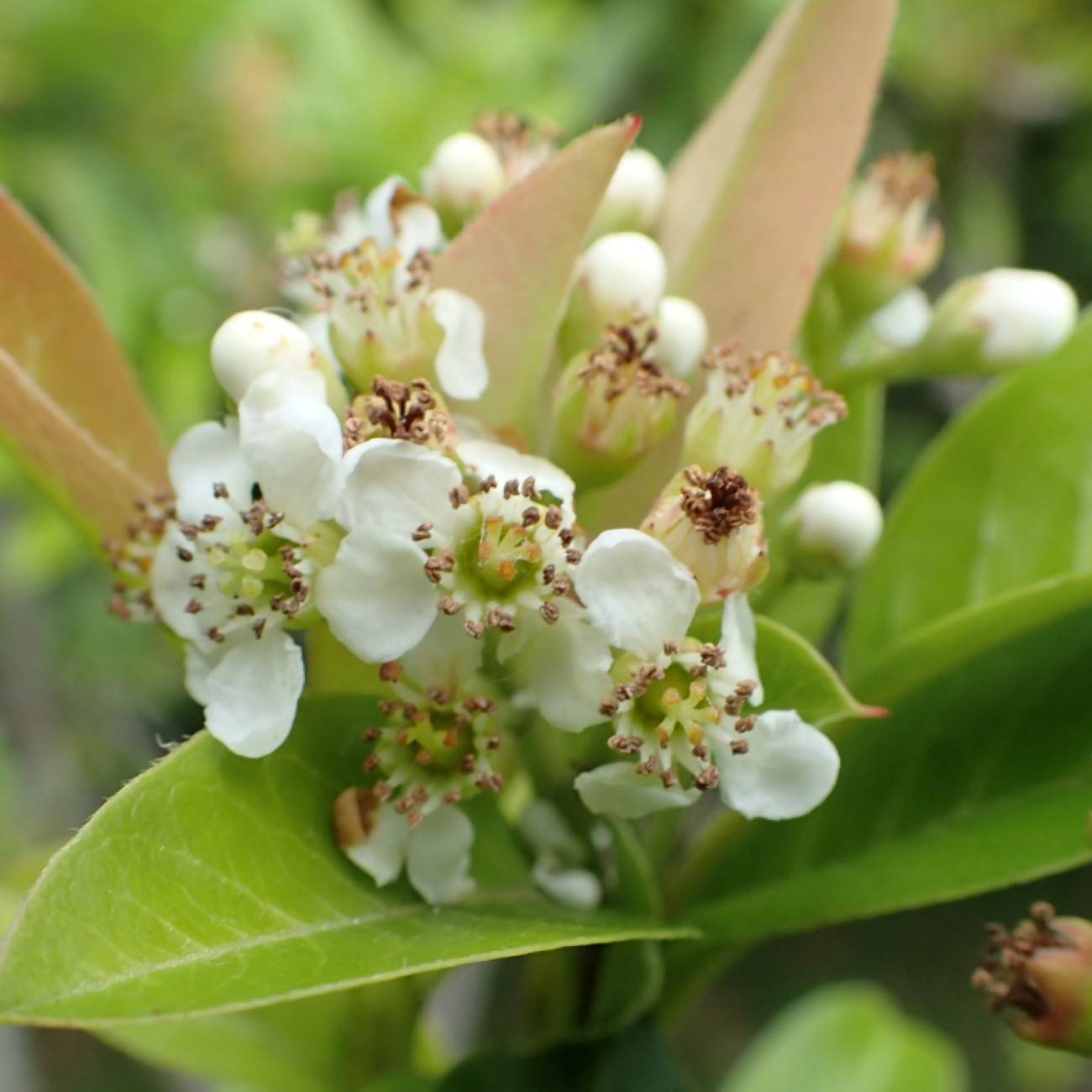
Chinese Photinia, also called Taiwanese Photinia, is a dense, rounded evergreen widely grown as a screening plant, hedge, or standalone ornamental in temperate and subtropical landscapes. It produces flat-topped clusters of small, fragrant white flowers in mid-spring, followed by small, round red pomes that ripen in fall and provide food for birds through the cold months. New foliage emerges with a bronze or reddish tint before maturing to a deep, glossy green, adding year-round visual interest to gardens.
Care Guide
Watering
Water newly planted Chinese Photinia regularly for the first 1-2 years to establish a deep root system, keeping the soil consistently moist but not waterlogged. Once established, it is highly drought-tolerant, requiring only occasional watering during extended dry spells, as overwatering increases the risk of root rot.
Light
Thrives in full sun to partial shade, with at least 6 hours of direct sunlight daily to support dense foliage growth and abundant flowering. Too much shade will result in sparse growth, reduced flower production, and increased susceptibility to fungal diseases.
Soil
Adaptable to a wide range of soil types, including clay, loam, and sandy soils, as long as the site has good drainage. It prefers a slightly acidic to neutral pH between 6.0 and 7.5, but can tolerate mildly alkaline conditions as well.
Fertilizer
Feed established plants in early spring with a balanced, slow-release granular fertilizer formulated for woody shrubs to support new growth and flowering. Avoid fertilizing late in the growing season, as this can stimulate tender new growth that is vulnerable to damage from late frost.
Temperature
Grows best in USDA hardiness zones 7 to 11, tolerating winter temperatures as low as 0°F (-18°C) once fully established. It can withstand high summer heat and humidity, though prolonged extreme heat may cause temporary leaf scorch if the plant is not sufficiently watered.
Pruning
Prune in late winter or early spring before new growth emerges to shape the plant, remove dead or damaged branches, and maintain the desired height and density for hedges. Light pruning can also be done after flowering to tidy up the plant, but avoid heavy pruning late in the season, as it may remove next year’s flower buds.
Propagation
Most commonly propagated from semi-hardwood cuttings taken in mid to late summer, dipped in rooting hormone, and planted in a well-draining propagation medium under consistent moisture and indirect light. It can also be grown from seed, though seeds require cold stratification for 2-3 months to germinate, and seedlings may not retain the exact characteristics of the parent plant.
Humidity
Tolerates a wide range of humidity levels, from the dry air of inland regions to the high humidity of coastal areas. Poor air circulation in high humidity environments can increase the risk of fungal leaf spot, so space plants appropriately to allow airflow.
Repotting
Chinese Photinia is rarely grown as a potted plant long-term, but young specimens grown in containers should be repotted every 2-3 years in early spring before new growth starts, using a well-draining potting mix and a container with ample drainage holes. Once the plant reaches the desired size, top-dress the container annually with fresh potting mix instead of repotting to limit growth.
Uses & Symbolism
Widely planted as a privacy hedge, windbreak, or screening plant in residential and commercial landscapes due to its dense, evergreen foliage and fast growth rate. Its attractive spring flowers, persistent red berries, and colorful new growth make it a popular standalone ornamental specimen, and the berries provide an important food source for native bird species in fall and winter.
Diseases & Pests
The most common issue is photinia leaf spot, a fungal disease that causes red or brown spots on foliage, leading to premature leaf drop if left untreated; it thrives in wet, humid conditions, so avoid overhead watering and ensure good air circulation. Aphids, scale insects, and spider mites may also infest stressed plants, while root rot can occur in poorly drained, waterlogged soils.
Guides that mention Chinese Photinia
Related plants
Other plants you might like if you grow Chinese Photinia.