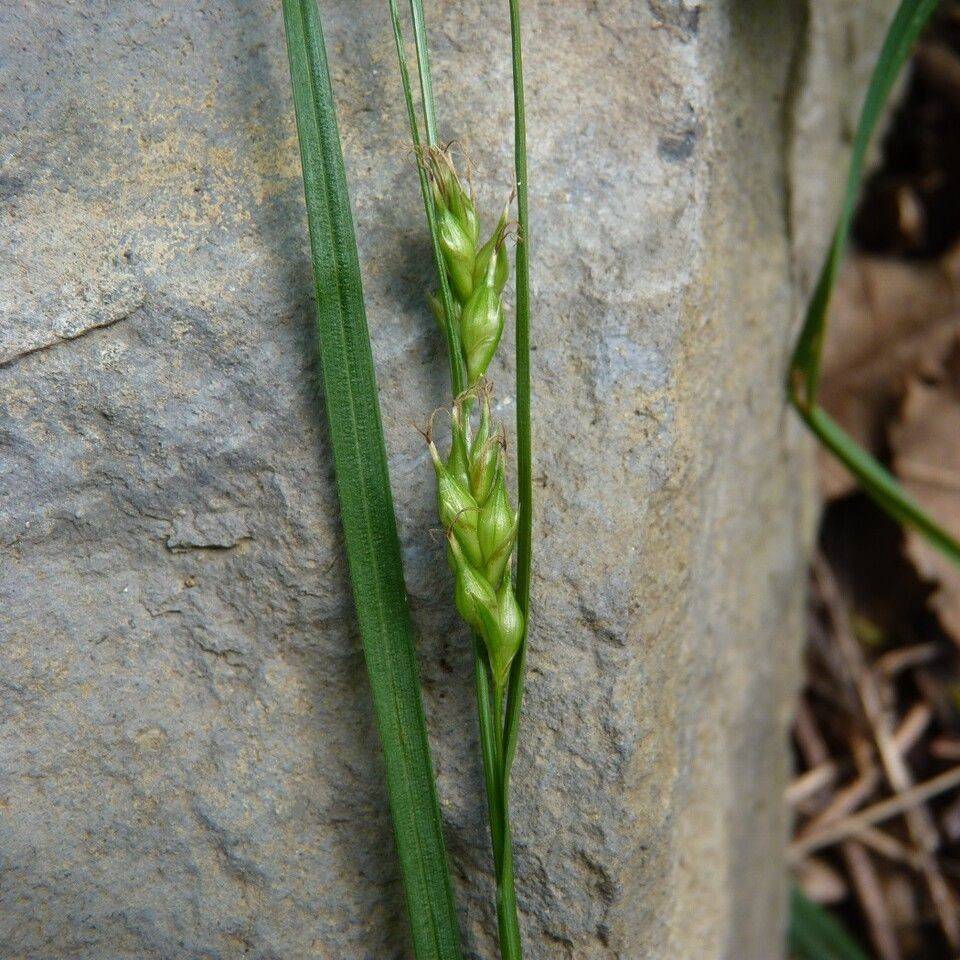
Finely Nerved Sedge
Carex leptonervia
Overview
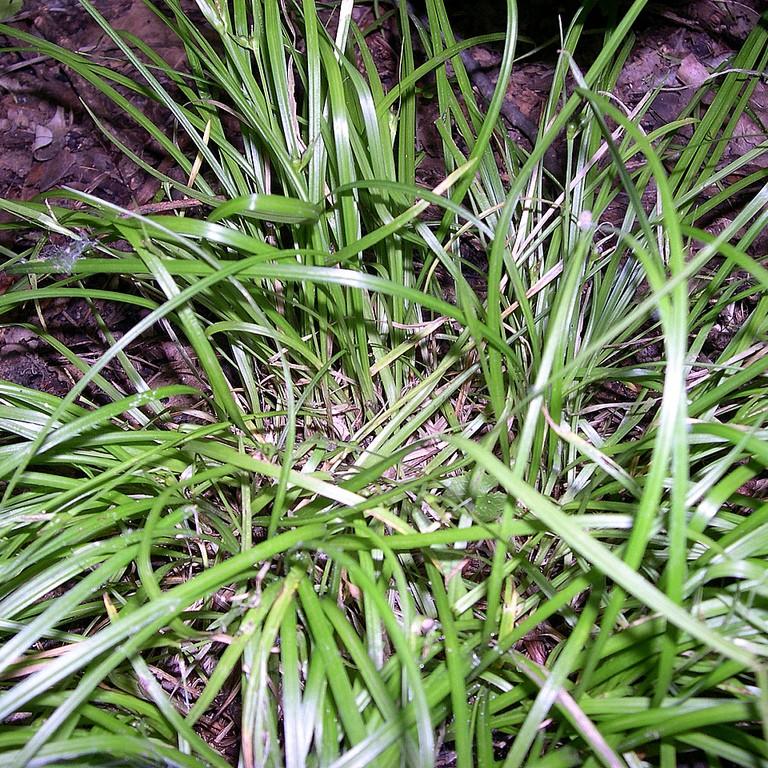
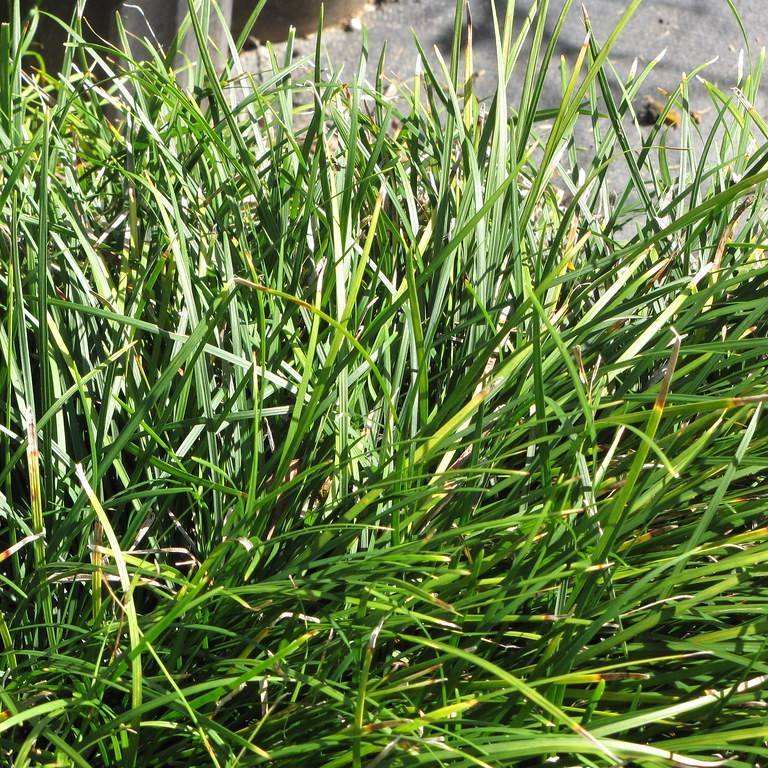
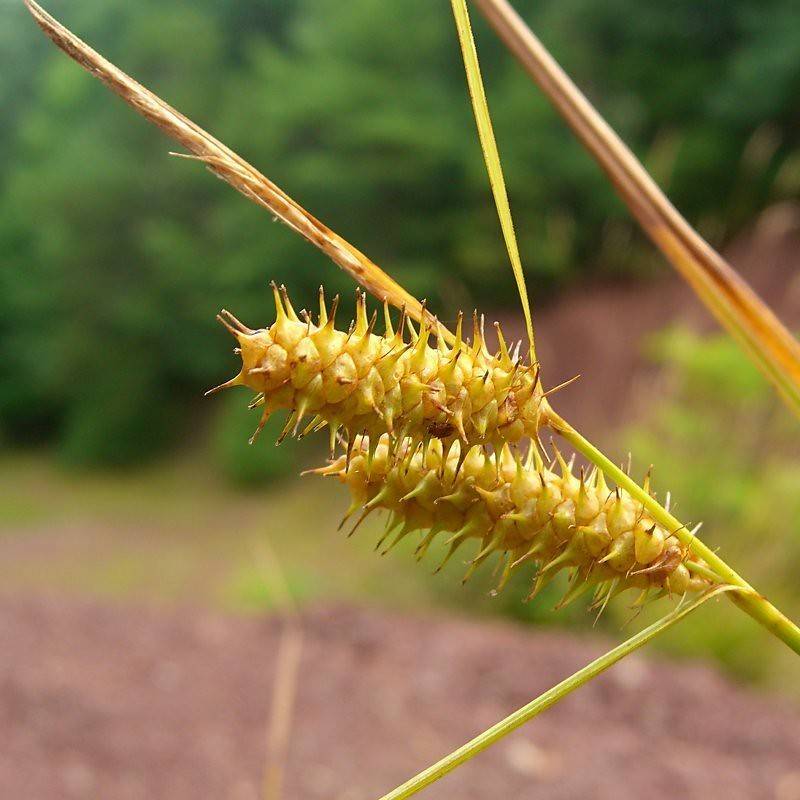
Finely nerved sedge is a herbaceous perennial in the Cyperaceae family, named for the delicate, visible veins running along its narrow, arching green foliage. It forms dense, fountain-like clumps that spread slowly via short rhizomes, making it a non-aggressive ground cover for shaded sites. This species is adapted to cool, moist woodland environments, and serves as a host plant for several native butterfly and moth species in its native range.
Care Guide
Watering
Finely nerved sedge prefers consistently moist, well-drained soil, and tolerates occasional short periods of standing water in low-lying sites. Water regularly during the first growing season to establish a deep root system; mature plants tolerate mild drought better than many other woodland sedges, though they will stay lusher with consistent moisture. Reduce watering in winter when the plant is semi-dormant, avoiding overly saturated soil that can lead to root rot in cold conditions.
Light
This sedge thrives in partial to full shade, making it ideal for understory plantings, north-facing garden beds, or shaded rain gardens. It can tolerate dappled morning sun, but prolonged direct midday or afternoon sun will scorch its delicate foliage and cause browning at the leaf tips. When grown as a houseplant, place it in a bright spot with indirect light, such as near a north or east-facing window.
Soil
Finely nerved sedge adapts to a wide range of soil types, including loam, sandy loam, and clay, as long as the soil is high in organic matter and retains moisture well. It prefers a slightly acidic to neutral pH range of 5.5 to 7.0, and tolerates the acidic humus layers common in mature woodland habitats. Avoid sandy, fast-draining soils that do not hold enough moisture to support its root system.
Fertilizer
This low-maintenance plant rarely needs supplemental fertilization when grown in organically rich garden soil. If grown in poor, nutrient-depleted soil, apply a thin layer of compost or a balanced, slow-release organic fertilizer in early spring as new growth emerges. Avoid high-nitrogen synthetic fertilizers, which can cause overly lush, weak growth that is more susceptible to pest damage.
Temperature
Finely nerved sedge is hardy in USDA zones 3 to 8, tolerating winter temperatures as low as -40°F (-40°C) without protection. It prefers cool summer temperatures between 60 and 75°F (15 to 24°C), and may go semi-dormant during prolonged periods of heat above 90°F (32°C) if moisture is limited. When grown indoors, maintain consistent room temperatures between 60 and 75°F (15 to 24°C), avoiding drafts from heating or cooling vents.
Pruning
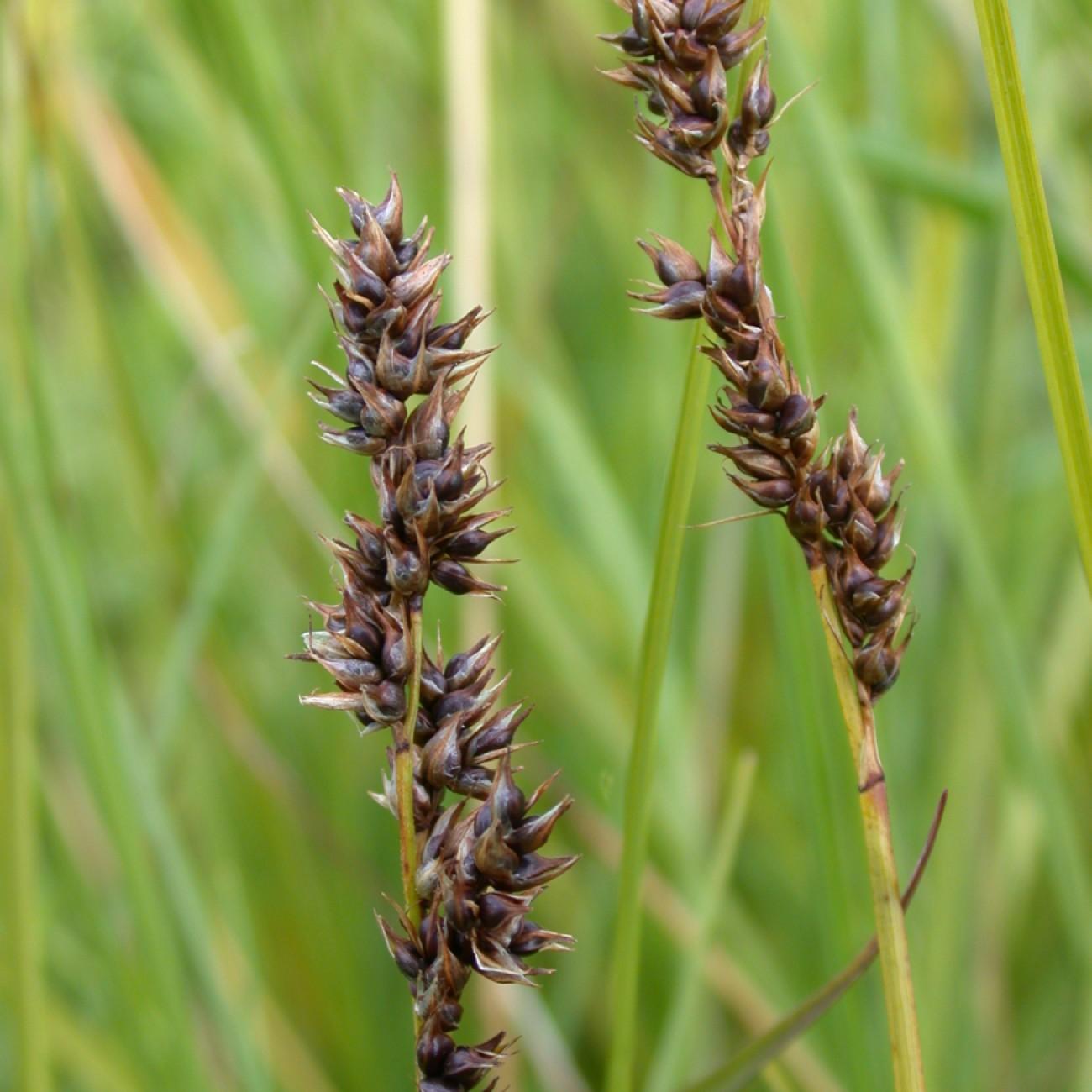
Pruning is minimal for finely nerved sedge; simply cut back any brown, dead foliage in late winter or early spring before new growth emerges to keep clumps looking tidy. If the foliage becomes tattered or brown from drought or heat stress, you can shear the entire clump back to 2 to 3 inches above the soil line, and it will regrow fresh foliage within a few weeks with adequate moisture. Remove any spent seed heads in late summer if you wish to prevent self-seeding, though this species rarely spreads aggressively from seed in garden settings.
Propagation
The most reliable propagation method for finely nerved sedge is division of mature clumps in early spring just as new growth begins, or in early fall before the first frost. Dig up the entire clump, gently separate it into smaller sections with at least 3 to 5 healthy shoots and a portion of the root system, and replant immediately at the same depth as the original plant. It can also be grown from seed sown directly outdoors in fall, as the seeds require a period of cold stratification to germinate; indoor-sown seeds should be refrigerated for 60 days before sowing for best germination rates.
Humidity
This species thrives in moderate to high humidity levels between 50 and 70%, typical of its native woodland habitat. When grown outdoors in dry climates, mulch around the base of the plant with shredded bark or leaf mold to retain soil moisture and raise local humidity around the foliage. Indoors, mist the foliage regularly or place the pot on a tray of pebbles filled with water to maintain adequate humidity, especially during dry winter heating seasons.
Repotting
When grown as a houseplant, finely nerved sedge only needs repotting every 2 to 3 years, when it becomes root-bound and water drains very quickly from the pot. Repot in early spring before new growth starts, using a pot one size larger than the current one with drainage holes, and a potting mix high in organic matter such as a peat-free woodland or houseplant mix with added compost. After repotting, water thoroughly and place the plant back in its preferred shaded, indirect light location to minimize transplant stress.
Uses & Symbolism
Finely nerved sedge is widely used in native shade gardens, woodland restorations, and rain gardens as a low-maintenance ground cover that suppresses weeds and prevents soil erosion on sloped shaded sites. It provides habitat and food for native wildlife, including seed for songbirds and host foliage for several species of skippers and moths, and its dense clumps offer shelter for small amphibians and beneficial insects. It can also be grown as a low-fuss houseplant for low-light indoor spaces, where its arching foliage adds soft texture to indoor plant displays.
Diseases & Pests
Finely nerved sedge is largely pest and disease resistant, with no major common issues in its preferred growing conditions. Overly saturated, poorly drained soil can lead to root rot caused by fungal pathogens, which presents as yellowing foliage and stunted growth. In very dry, low-humidity conditions, spider mites may infest the foliage, causing stippling and browning; these can be controlled with regular misting or applications of insecticidal soap.
Related plants
Other plants you might like if you grow Finely Nerved Sedge.