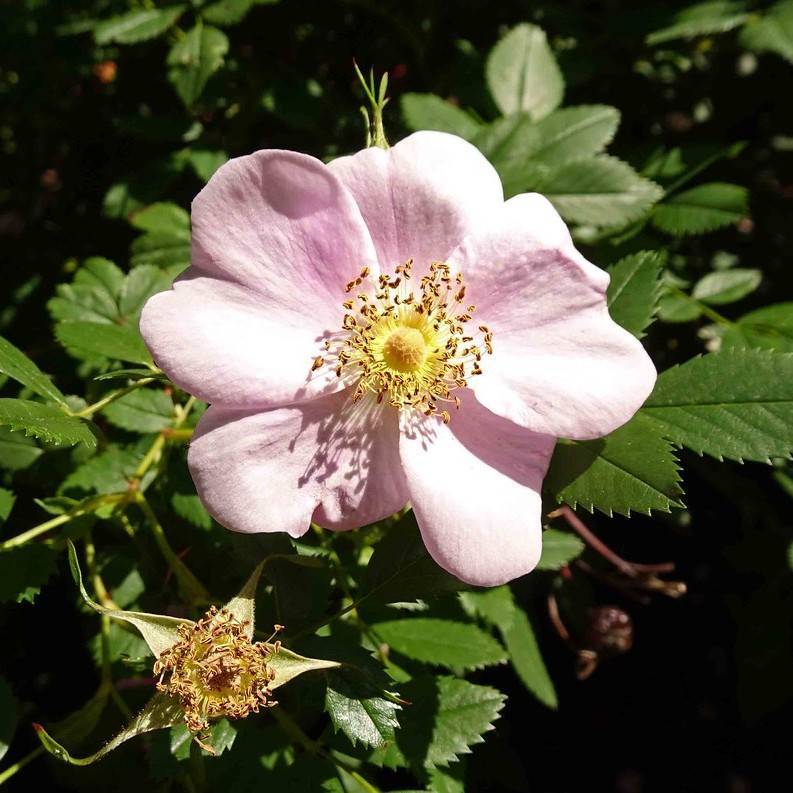
Carolina Rose
Rosa carolina
Overview
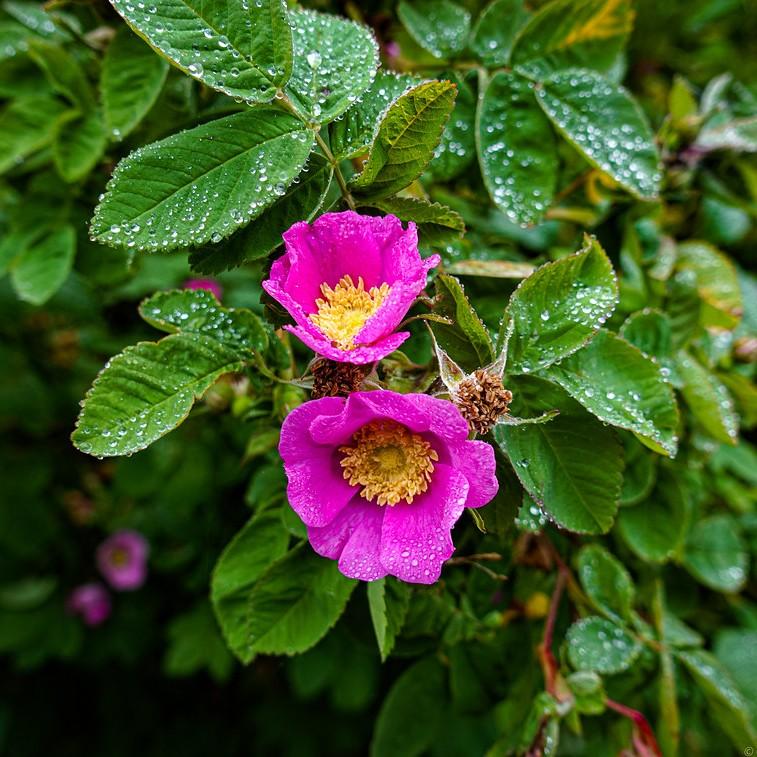
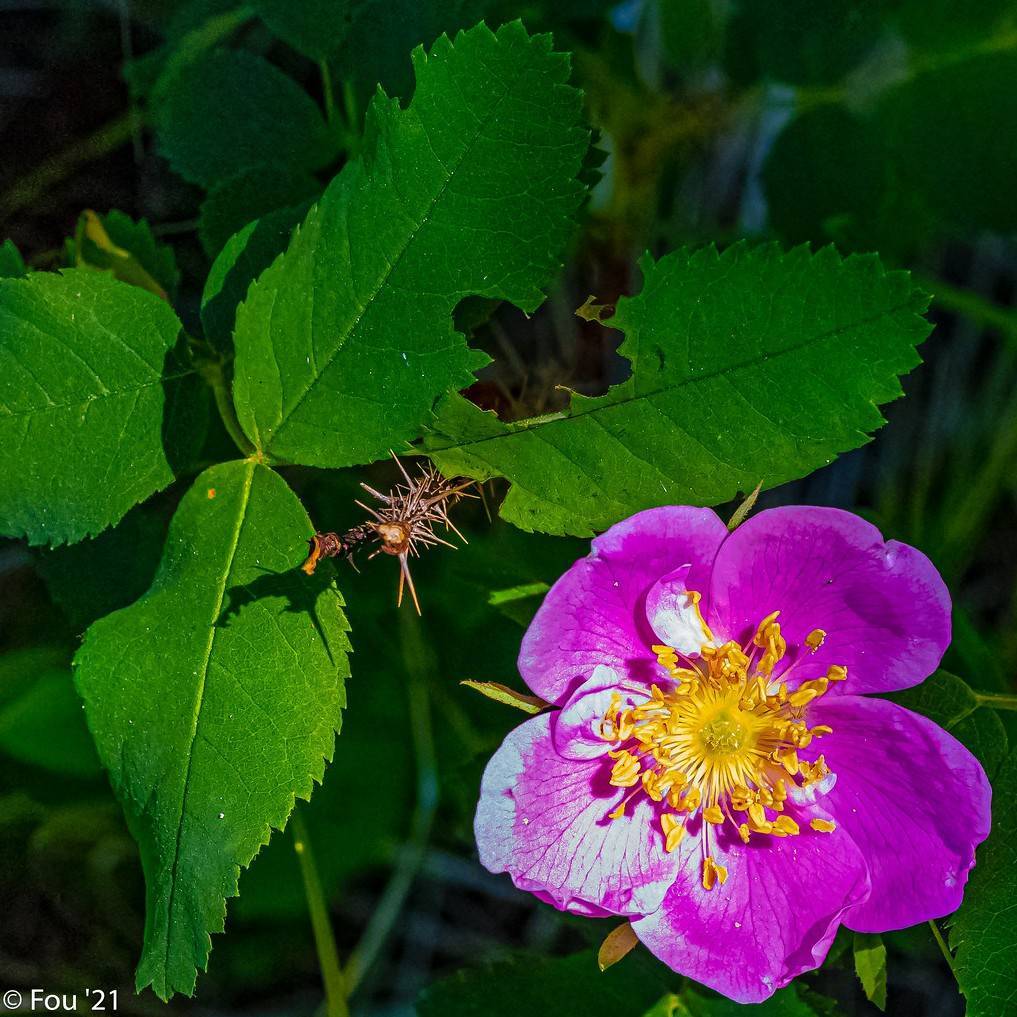
The Carolina rose, also called the pasture rose, is a deciduous shrub native to open meadows, woodland edges, and prairies across eastern North America. It features arching, prickly stems, dark green pinnate leaves with serrated edges, and delicate five-petaled pale to deep pink flowers that bloom in late spring to early summer. After flowering, it produces small, round, bright red rose hips that persist through winter, providing food for birds and other wildlife. This hardy, adaptable rose is far more disease-resistant than many hybrid rose varieties, making it a low-maintenance choice for native and pollinator gardens.
Care Guide
Watering
Water newly planted Carolina roses regularly for the first growing season to establish a deep, extensive root system, keeping soil consistently moist but not waterlogged. Once established, the shrub is highly drought-tolerant, requiring supplemental watering only during extended periods of extreme heat or prolonged dry spells. Avoid overhead watering to reduce the risk of foliar diseases, directing water at the base of the plant instead.
Light
Carolina roses thrive in full sun, requiring a minimum of 6 hours of direct, unfiltered sunlight daily to produce abundant blooms and maintain dense, healthy foliage. They can tolerate partial shade, but plants grown in shadier conditions will produce fewer flowers, develop lankier growth, and be more susceptible to fungal diseases. For optimal performance, site them in a location with unobstructed southern or western sun exposure.
Soil
This adaptable rose grows best in well-drained, loamy soil with a slightly acidic to neutral pH between 5.5 and 7.0, though it can tolerate a wide range of soil types including sandy, clay, and rocky soils as long as drainage is adequate. It is highly tolerant of poor, nutrient-deficient soils that would stunt the growth of many hybrid rose varieties. Avoid planting in heavy, waterlogged soils, as prolonged saturation can cause root rot and kill the plant.
Fertilizer
Carolina roses require minimal fertilization, as they are adapted to thrive in low-nutrient native soils. If growth is slow or foliage appears pale, apply a balanced, slow-release 10-10-10 fertilizer once annually in early spring just before new growth emerges. Avoid over-fertilizing, as excessive nitrogen can promote lush, weak growth that is more susceptible to pest damage and fungal diseases, and reduce the production of rose hips.
Temperature
This cold-hardy shrub is well-adapted to temperate North American climates, thriving in USDA hardiness zones 4 through 9, withstanding winter temperatures as low as -30°F (-34°C). It tolerates high summer temperatures well, as long as it receives adequate moisture during extreme heatwaves. Late spring frost can occasionally damage new growth, but the plant will quickly regrow from undamaged stems once temperatures warm.
Pruning
Prune Carolina roses in late winter or early spring before new buds break, removing any dead, diseased, or crossing branches to improve air circulation through the canopy. You can also cut back up to one-third of the oldest stems each year to encourage fresh, vigorous growth and maintain a compact shape. Since this rose blooms on old wood, avoid heavy pruning after mid-spring, as this will remove the current year’s flower buds.
Propagation
Carolina rose is most easily propagated by taking hardwood cuttings in late fall or winter, selecting 6-8 inch long sections of mature, dormant stems, dipping the cut end in rooting hormone, and planting them in moist, well-drained potting mix. It can also be propagated by seed, but seeds require a 3-month cold stratification period to break dormancy, and may take 2-3 years to produce flowers. Mature plants will also spread via underground suckers, which can be dug up and transplanted in early spring to create new plants.
Humidity
Carolina roses tolerate a wide range of humidity levels, thriving in both the dry summers of the central United States and the humid conditions of the southeastern coastal plains. Good air circulation around the plant is critical in high-humidity areas to prevent fungal diseases like black spot and powdery mildew. Avoid planting in crowded, enclosed areas with poor air movement to reduce disease risk.
Repotting
Carolina roses are rarely grown in containers long-term, as they develop an extensive root system and spread via suckers. If growing in a pot, repot every 2-3 years in early spring, moving to a container one size larger with fresh, well-drained potting mix. Trim back any circling or damaged roots during repotting to encourage healthy root growth, and water thoroughly after transplanting to reduce shock.
Uses & Symbolism
Carolina rose is widely used in native plant gardens, pollinator gardens, and naturalized meadow plantings, where its fragrant blooms support bees, butterflies, and other pollinators, and its persistent winter rose hips provide food for songbirds, grouse, and small mammals. The tart, vitamin C-rich rose hips are edible, and can be used to make jams, jellies, teas, and syrups, while the flowers are sometimes used in potpourri and herbal preparations. It is also planted for erosion control on slopes and roadside embankments, as its deep root system and spreading growth habit help stabilize soil.
Diseases & Pests
While far more disease-resistant than hybrid rose varieties, Carolina rose can occasionally be affected by common rose fungal diseases including black spot, powdery mildew, and rust, especially in areas with poor air circulation or prolonged wet foliage. Common pests include aphids, Japanese beetles, and rose slugs, which can damage foliage and blooms if populations are high. Most pest and disease issues can be prevented by planting in full sun, ensuring good air flow, and avoiding overhead watering; severe infestations can be treated with horticultural oil or organic fungicides as needed.
Related plants
Other plants you might like if you grow Carolina Rose.