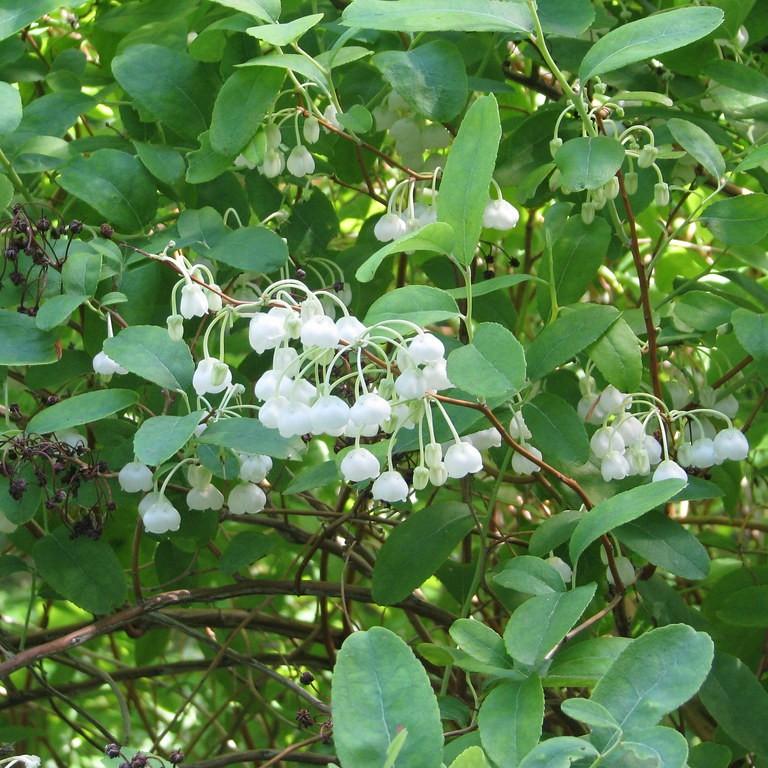
Dusty Zenobia
Zenobia pulverulenta
Overview
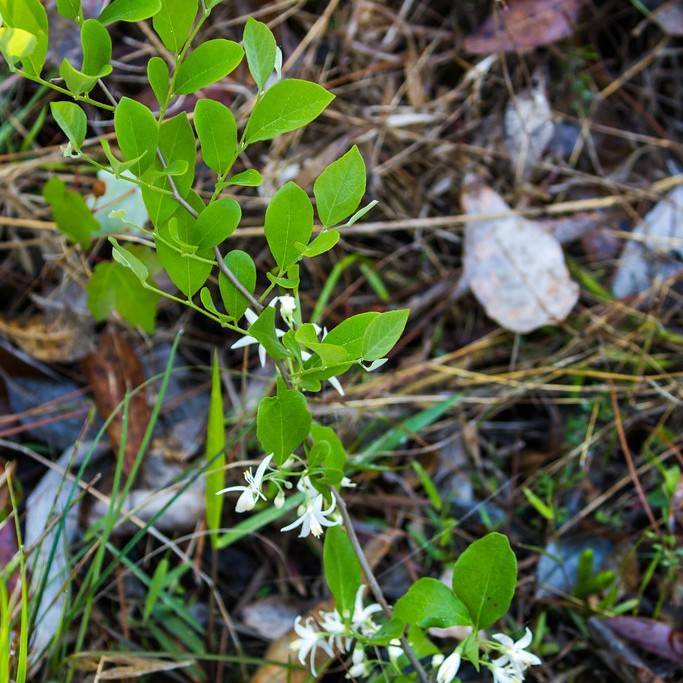
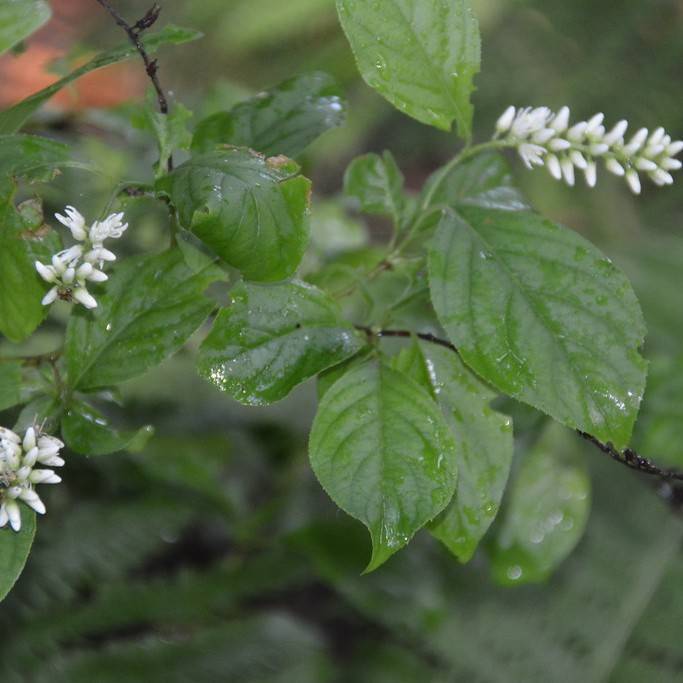
Also called honeycup, this low, branching shrub is distinguished by its powdery, silvery-gray evergreen leaves that hold their muted color year-round. In late spring, it produces clusters of delicate, pendulous white bell-shaped flowers that emit a subtle, sweet honey-like fragrance, attracting native pollinators including bumblebees. It naturally occurs in wet, acidic pine savannas and bog edges, making it well suited for rain gardens and water-wise native landscapes in its adapted climate.
Care Guide
Watering
Dusty Zenobia prefers consistently moist, well-drained soil and does not tolerate extended drought; water regularly to keep the root zone evenly damp, especially during hot, dry periods, avoiding overwatering that leads to soggy conditions. Reduce watering frequency in the winter when the plant is semi-dormant, but never allow the root ball to dry out completely, as this can cause irreversible leaf drop and root damage.
Light
This shrub thrives in full sun to partial shade; in hotter southern climates, provide dappled afternoon shade to prevent leaf scorch, while cooler regions can support full sun exposure for more abundant flowering. Too much deep shade will lead to leggy growth, reduced bloom production, and a loss of the characteristic silvery leaf color.
Soil
Requires strongly acidic, well-drained soil with a pH between 4.0 and 5.5, rich in organic matter such as peat moss, pine needles, or composted oak leaves to mimic its native boggy savanna habitat. Heavy clay or alkaline soils will cause nutrient deficiencies, yellowing foliage, and eventual plant death, so amend planting areas heavily with acidic organic material prior to installation.
Fertilizer
Feed lightly in early spring with a slow-release, acidic fertilizer formulated for azaleas, rhododendrons, or other ericaceous plants, avoiding high-nitrogen formulas that can burn the shallow root system. Do not fertilize after mid-summer, as new growth stimulated late in the season will be vulnerable to cold damage in winter, and skip fertilization for the first year after planting to let roots establish naturally.
Temperature
Dusty Zenobia is hardy in USDA zones 5 to 9, tolerating winter lows down to -20°F (-29°C) when established, though young plants benefit from a thick layer of pine straw mulch around the base to protect roots from extreme cold. Summer temperatures up to 95°F (35°C) are well tolerated as long as the plant has adequate moisture and partial shade in the hottest parts of the day.
Pruning
Prune immediately after flowering ends in late spring to shape the shrub and remove any dead, damaged, or crossing branches, as cutting later in the year will remove the next season’s flower buds which form on old wood. Light thinning of inner branches can improve air circulation, reducing the risk of fungal diseases, but avoid heavy pruning, as this slow-growing shrub takes several years to recover from overcutting.
Propagation
The most reliable propagation method is semi-hardwood cuttings taken in mid to late summer, treated with rooting hormone, and placed in a moist, acidic perlite and peat mix under high humidity for 2 to 3 months until roots form. It can also be grown from seed, but seeds require cold stratification for 3 months and very specific acidic, consistently moist conditions to germinate, with plants taking 3 to 4 years to reach flowering size.
Humidity
Prefers moderate to high humidity levels between 50% and 70%, typical of its native southeastern U.S. habitat, and will struggle in arid, low-humidity environments unless regularly misted or planted near a water feature to raise ambient moisture. Low indoor humidity will cause leaf browning and drop, so this species is not well suited for long-term indoor growth without a dedicated humidifier.
Repotting
If grown in containers, repot every 2 to 3 years in early spring before new growth emerges, using a coarse, acidic potting mix designed for rhododendrons or blueberries, and select a pot only one size larger than the current root ball to prevent excess moisture retention. Avoid disturbing the shallow, delicate root system during repotting, and top dress annually with a layer of composted pine needles to maintain soil acidity and moisture retention.
Uses & Symbolism
Dusty Zenobia is widely used in native pollinator gardens, rain gardens, and acidic landscape borders for its year-round silvery foliage, fragrant spring blooms, and tolerance of wet, boggy soils that many other shrubs cannot survive. Its cut branches with flowers or silvery leaves are also used in floral arrangements for their unique muted color and delicate texture. Historically, some Indigenous groups used small amounts of the plant for medicinal purposes, though its toxic properties make casual consumption unsafe.
Diseases & Pests
The most common issues are fungal leaf spot and root rot, caused by poor air circulation, overwatering, or poorly drained soil, which can be prevented by planting in well-drained sites and spacing plants to allow airflow around foliage. Lace bugs and aphids may occasionally feed on the undersides of leaves, causing yellow stippling, which can be treated with insecticidal soap or horticultural oil applied in early spring before populations explode. Chlorosis, or yellowing of leaves, is a common sign of alkaline soil or nutrient deficiency, which can be corrected by amending the soil with sulfur or acidic organic matter to lower pH.
Related plants
Other plants you might like if you grow Dusty Zenobia.